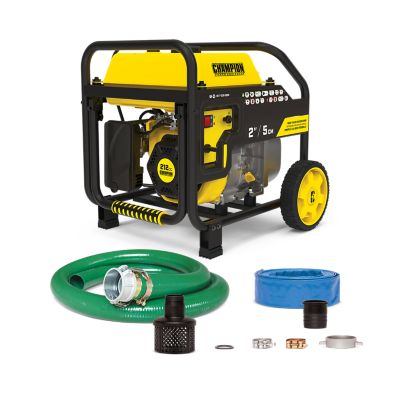
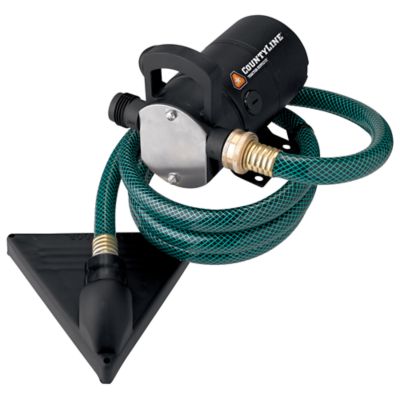
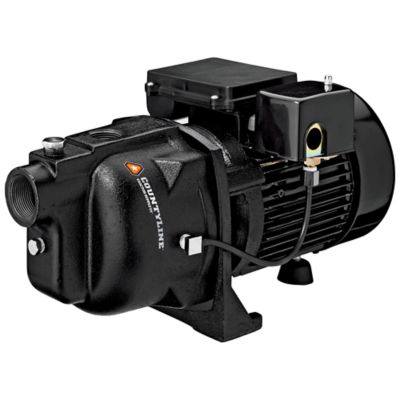
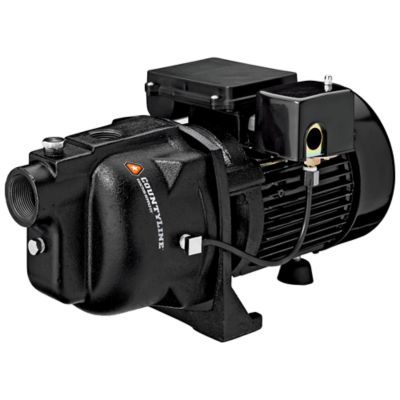
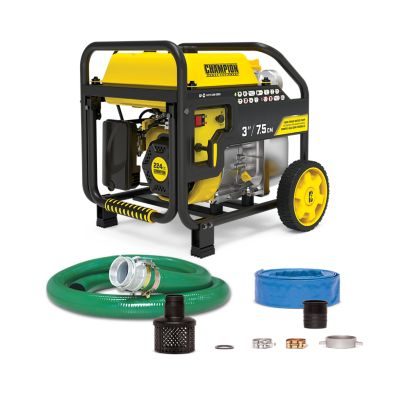
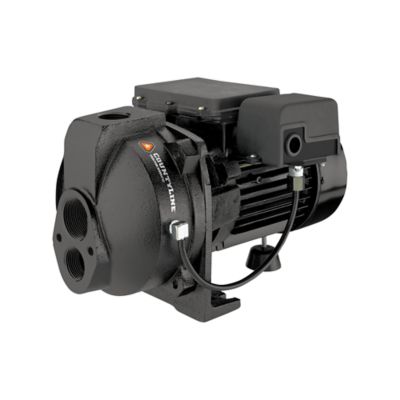
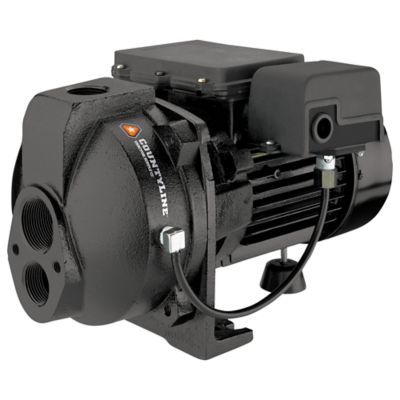
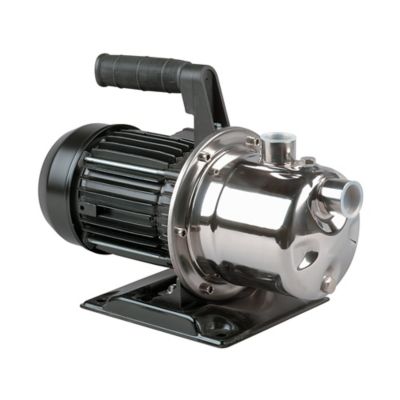
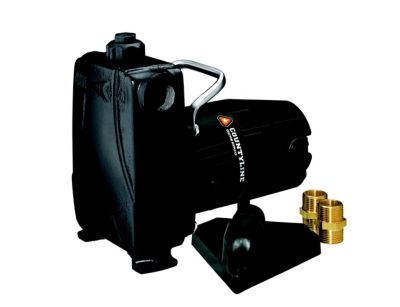
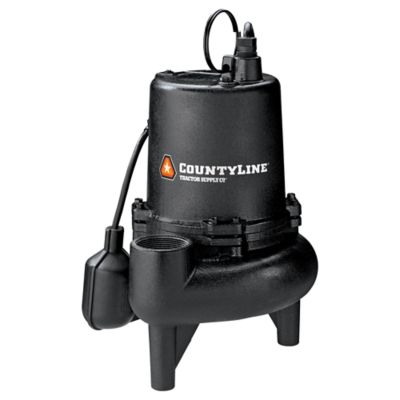
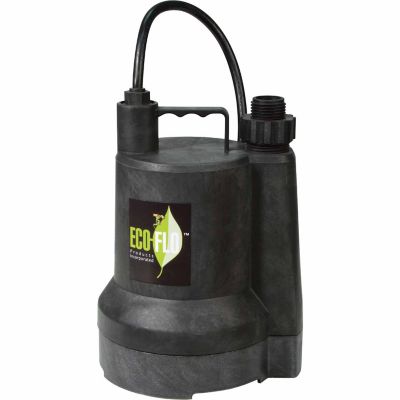
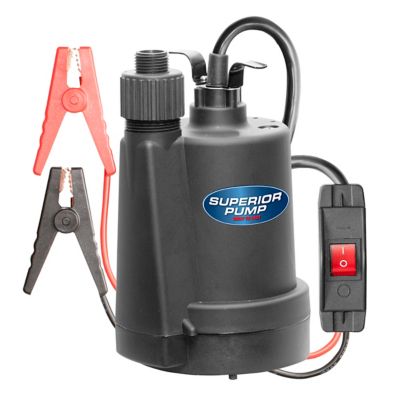
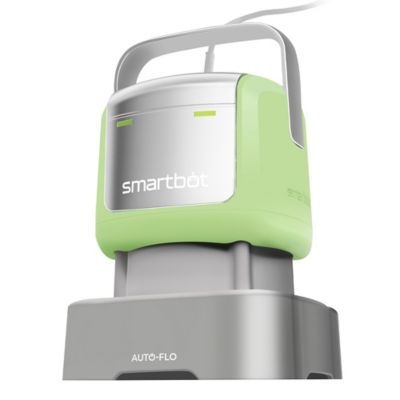
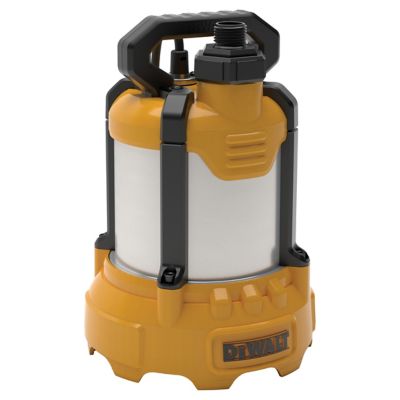
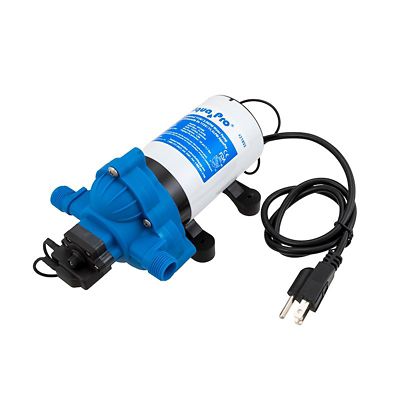
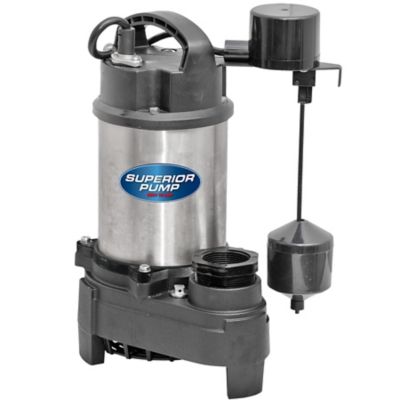
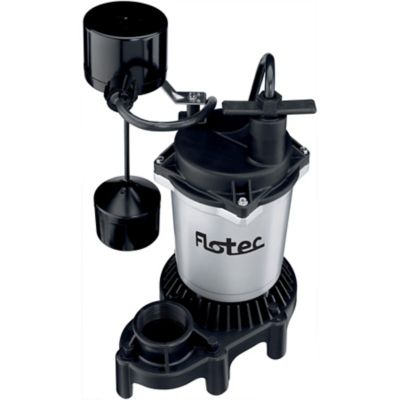
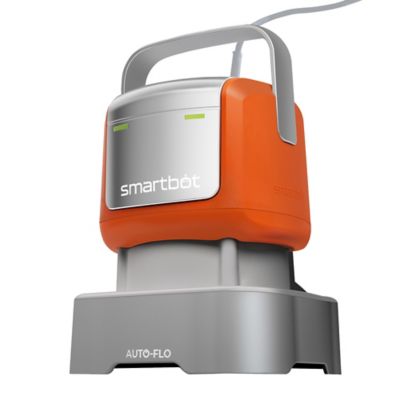
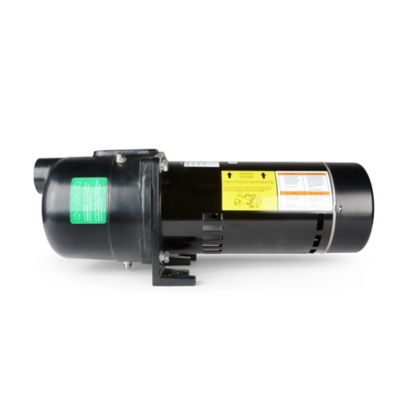
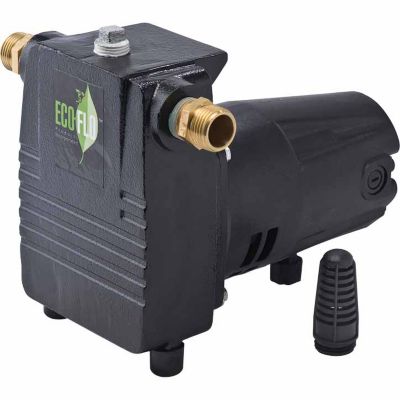
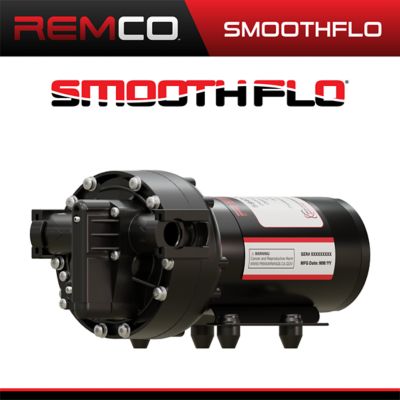
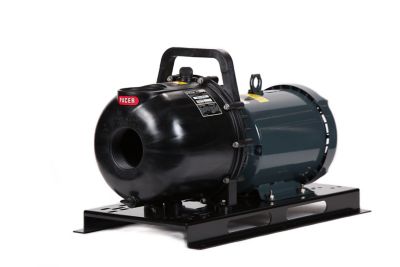
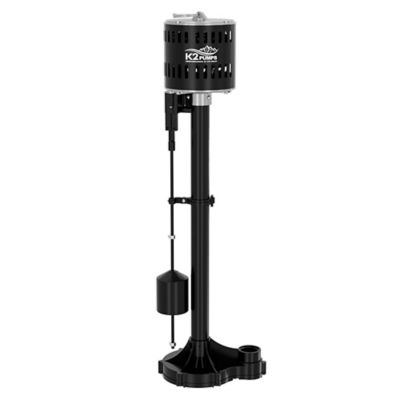
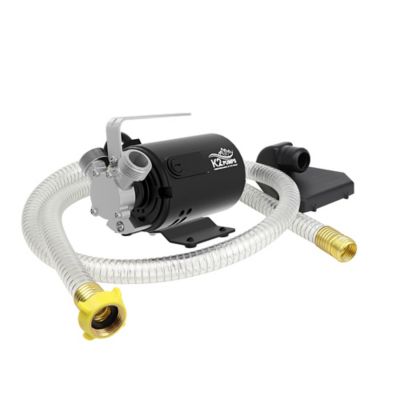
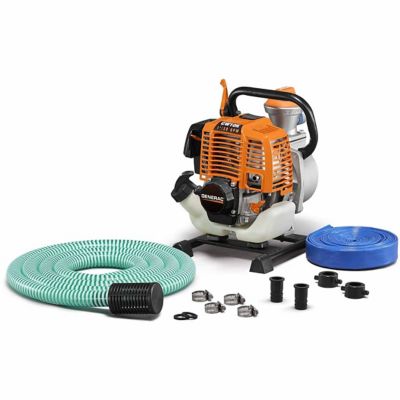
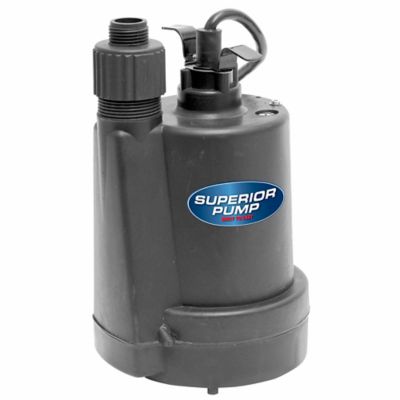
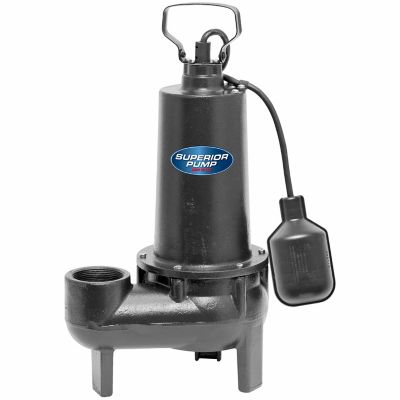
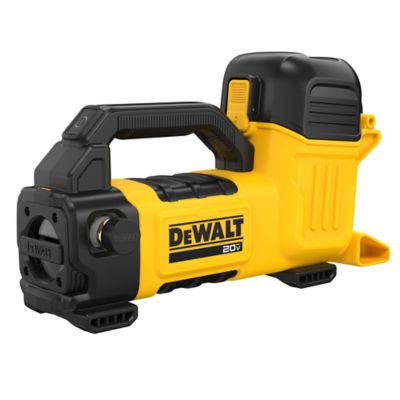
Plumbing pumps help move water where gravity, household pressure, or the layout of a property cannot do the job alone. They can clear water from a low spot, boost flow through a home, transfer water between containers, draw water from a well, or keep heated water circulating through a hydronic system. The right pump depends on the job, the water source, and the distance or height the water needs to travel. A sump pump is typically installed in a basin at the lowest point of a basement or crawl space, where it removes groundwater before it can collect around the foundation. A utility or transfer pump can help drain a flooded area, empty a water heater, move rainwater, or shift water from a tank or barrel. Booster pumps support homes with low water pressure, helping improve flow at showers, faucets, washing machines, and other fixtures. Well pumps pull water from underground sources, while circulator pumps keep hot water moving through radiant floors, baseboard heaters, or other hydronic heating systems. For a smaller fixture or tight space, shoppers may also want to compare
Sink Pumps for moving gray water away from a sink when a standard drain connection is not available.
Before choosing a plumbing pump, start with the task and the water involved. Check whether the pump is meant for clean water, gray water, groundwater, or water that may contain small particles. A pump’s flow rating, often listed in gallons per minute or gallons per hour, shows how much water it can move over a set period. Head height, sometimes called lift, describes how high the pump can push water, while the length and size of the discharge hose or pipe can affect performance. A unit that works well for draining a shallow stock tank may not be the right fit for lifting water out of a deep basement basin. Power source matters, too. Electric pumps are common for home plumbing and fixed installations, while portable transfer pumps may be handy around barns, shops, greenhouses, and outbuildings where water needs to move from one place to another. Look at cord length, outlet requirements, hose connections, inlet size, switch style, and whether the pump is meant for continuous operation or short jobs. For a sump installation, consider the basin size, discharge route, check valve, and backup plan in case of a power outage. A float switch can start the pump as water rises, while a manual switch gives the operator direct control for occasional drainage. Homes with well systems should match the pump to the well depth, pressure tank, pressure switch, and existing pipe layout rather than treating every well pump as interchangeable. During the cooler months, plumbing pumps may also support furnace rooms and hydronic heating equipment, but heating-system work can involve hot water, pressure, and electrical connections, so follow the manufacturer’s instructions and bring in a licensed professional when the installation goes beyond routine maintenance.
These pumps fit into everyday work on farms, rural properties, workshops, rental homes, businesses, and houses with basements or private wells. A homeowner may keep a transfer pump ready for a clogged drain, a leaking appliance, or water that gathers after heavy rain. A livestock owner may need to move water between storage containers, while a gardener may appreciate a practical way to transfer collected rainwater to a watering line. In a shop or equipment shed, a pump can help empty tanks and handle cleanup without carrying bucket after bucket across the floor. For homes with uneven ground, a properly selected sump pump can help manage groundwater around the foundation, and a backup power source can add peace of mind when storms bring heavy rain and outages together. Keep intake screens clear, inspect cords and connections, watch for unusual noise or vibration, and check discharge lines for kinks, ice, or blockages. Never run a pump outside its rated water type or operating range, and disconnect power before clearing a jam or opening the housing. Seasonal inspection is especially helpful: as the weather shifts toward colder conditions, confirm that outdoor lines can drain, exposed plumbing is protected from freezing, and basement equipment is ready for wet weather. Choosing a pump by its actual flow, lift, power needs, installation setting, and intended water type makes it easier to find a practical fit for routine maintenance, emergency drainage, water transfer, or heating circulation.