Egg storage helps keep a kitchen staple organized, protected and close at hand, whether the eggs come from a backyard coop or the grocery store. For a household gathering a few eggs each morning, a compact holder may be enough to keep the refrigerator shelf tidy. A busy baking kitchen or a family with a bigger laying flock may need room for several dozen, with separate spaces for each collection date. The best fit depends on how many eggs move through the kitchen, how much shelf space there is and whether the container is meant for collecting, carrying or refrigerated storage. Individual cups cradle shells and limit contact between eggs, while covered containers add a barrier against bumps from nearby groceries. Stackable egg trays make better use of vertical space, provided their lids support the weight above without pressing against the shells. Rolling egg dispensers bring eggs toward the front of a track, which can make them easier to reach on a deep shelf. Their egg-size range, loading direction and clearance matter, especially when a flock lays eggs of different sizes. Open wire holders and spiral racks keep shells visible, but their shape alone does not make room-temperature storage safe. For raw shell eggs, a refrigerator set at 40°F or below is the safest storage choice. Keep eggs on a main interior shelf rather than in the door, where opening and closing creates more temperature changes. Store-bought eggs are best kept in their original carton, which helps reduce moisture loss and absorption of food odors while keeping the date information with them. Refrigerated raw shell eggs generally keep for three to five weeks after purchase with proper handling. A holder or bin can help organize that space, but it does not extend the eggs’ safe storage life. Leaving room to lift a carton or open a lid without bumping the shelf above makes an everyday task a little easier.
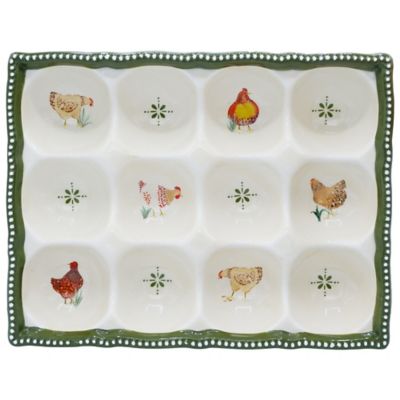
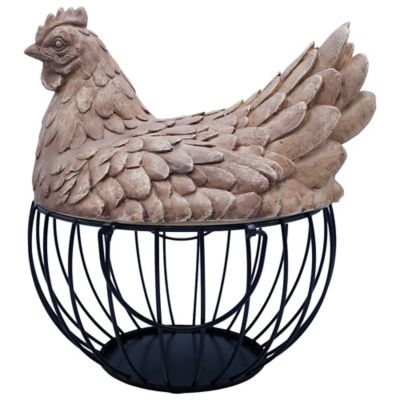
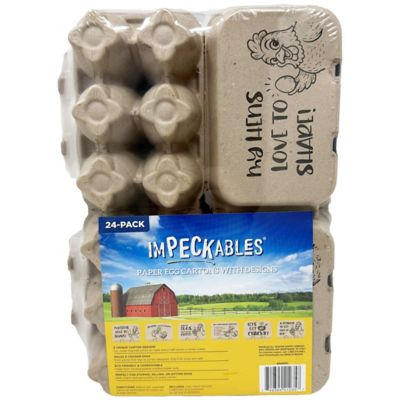
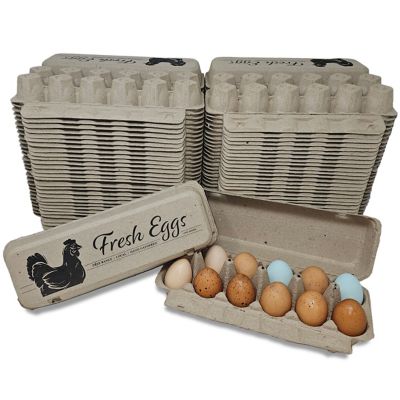
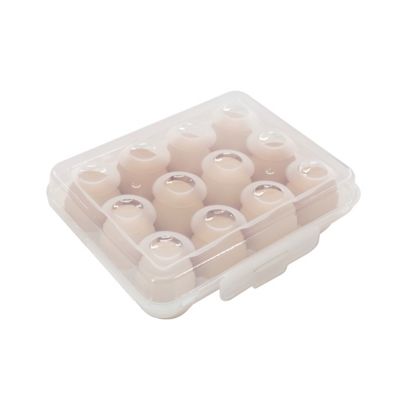
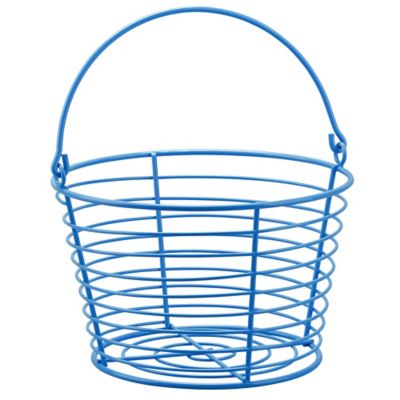
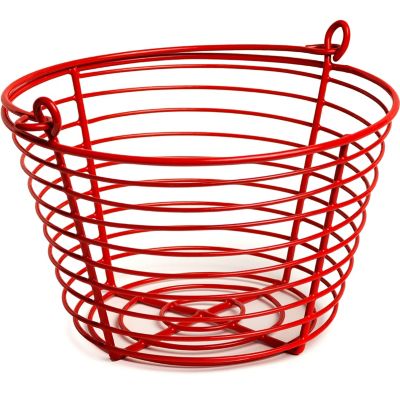
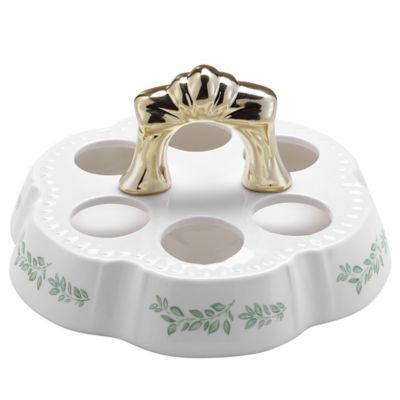
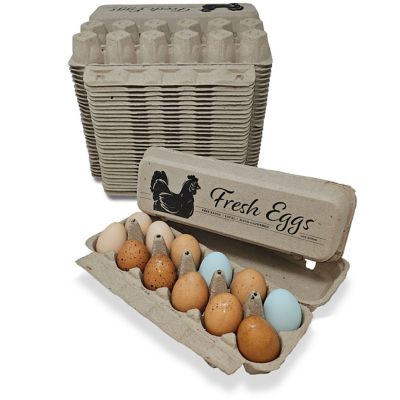
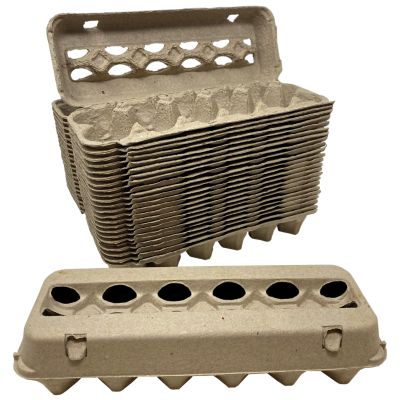
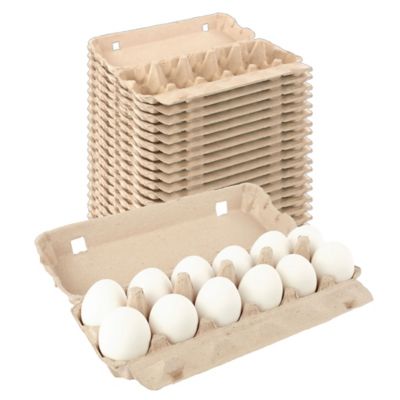
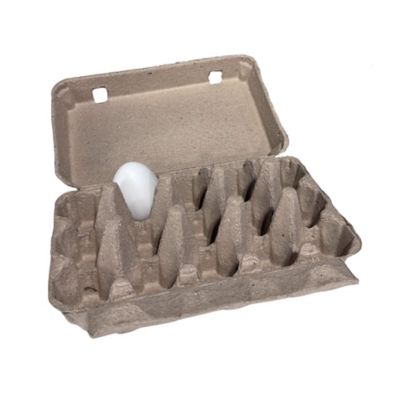
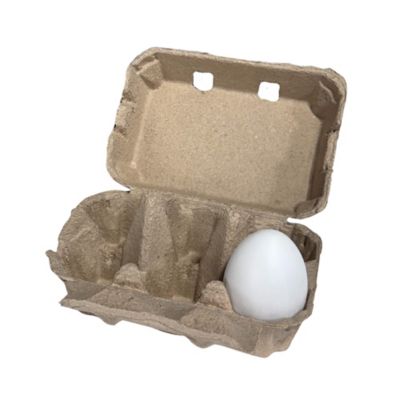
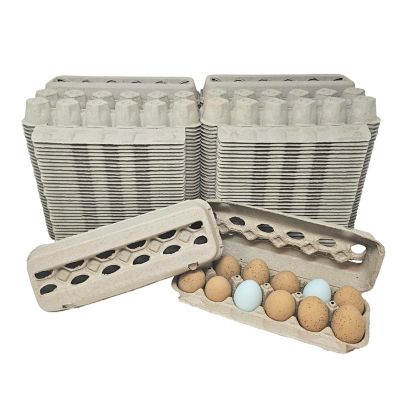
Materials and construction make a real difference when egg storage becomes part of the daily chore routine. Food-contact plastic containers are often lightweight, and clear sides let you see how many eggs remain without opening the lid. Look for smooth interiors, well-shaped egg pockets and lids that lift off without a hard tug; a stubborn closure can turn a quick breakfast prep into a balancing act. Plastic varies in its resistance to scratches and dishwasher heat, so care directions matter more than appearance alone. Metal baskets and wire racks allow a clear view of the shells and can serve well for gathering or carrying, but spacing between the wires should keep smaller eggs from slipping through. Smooth welds, a steady base and a comfortable handle are worth a close look when a basket travels from the nesting boxes to the house. Ceramic egg holders offer a substantial feel and defined wells, though their weight and breakability deserve consideration around crowded sinks or busy work surfaces. Molded paper cartons are light and convenient for separating eggs, but they are difficult to sanitize after a leak or heavy soiling. Whatever the material, surfaces that touch eggs should be appropriate for food contact and easy to maintain according to the maker’s directions. A cracked egg can leave residue in corners, hinges or track channels, making access to those spots important. Wash reusable containers as directed and let them dry fully before refilling; discard porous cartons that become wet or soiled. Fit deserves just as much attention as material. Chicken eggs vary considerably, and duck or goose eggs may need larger wells than a standard chicken-egg tray provides. Check the stated capacity alongside the outside dimensions, since a container that holds plenty of eggs may still be too wide for the intended shelf. Secure stacking points, balanced handles and a base that sits flat help the container stand up to repeated loading, lifting and cleaning.
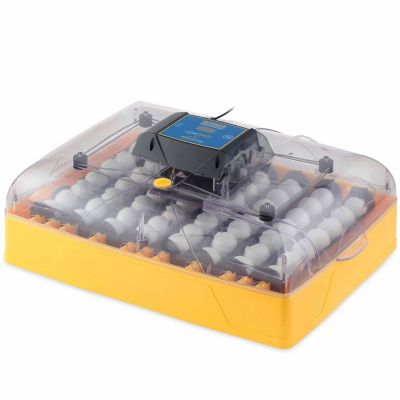
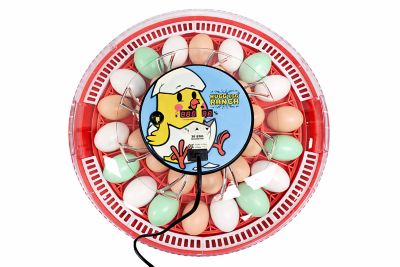
A practical egg storage setup matches the way eggs enter and leave the household. After morning chores, keeping a new collection separate from an earlier batch makes it easier to reach for older eggs first. Date labels or clearly divided trays can help with that routine, particularly when several people gather eggs or put groceries away. A gravity-fed dispenser supports rotation only when it is loaded in the intended order and the eggs move freely along its track; oversized shells, uneven surfaces or overcrowding can interrupt that movement. Leave enough space to handle each egg gently rather than wedging one more into a full compartment. For backyard flock keepers, collection baskets and refrigerator containers serve different jobs: one helps carry eggs indoors, while the other provides an orderly place to keep them until cooking. Freshly laid eggs have a natural protective coating called the bloom, and washing can remove it. That coating is not a guarantee against contamination, and refrigeration remains the safest choice for home storage. Eggs that have been washed or previously refrigerated should stay refrigerated. Avoid cracked eggs, keep egg containers away from raw meat drips and clean hands and work surfaces after handling shells. These habits matter more than whether a holder looks tidy on the counter. For households that also hatch chicks, fertile hatching eggs belong in a separate, clearly marked group with handling and holding conditions suited to incubation rather than the kitchen refrigerator. Flock keepers planning a hatch can explore
Large Egg Incubators for that separate part of raising poultry. An easy-to-clean egg holder or comfortable gathering basket can also make a thoughtful gift for someone starting a backyard flock, settling into a farmhouse kitchen or spending plenty of time baking. Matching the capacity to their daily egg count and the dimensions to their storage space makes the gift useful beyond the first collection. From a few breakfast eggs to a steady supply for family meals, sensible storage keeps shells protected and the kitchen routine straightforward.