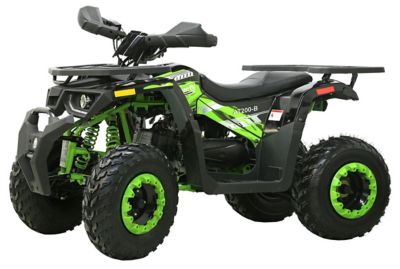
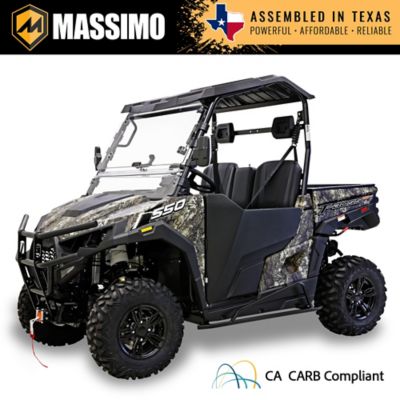
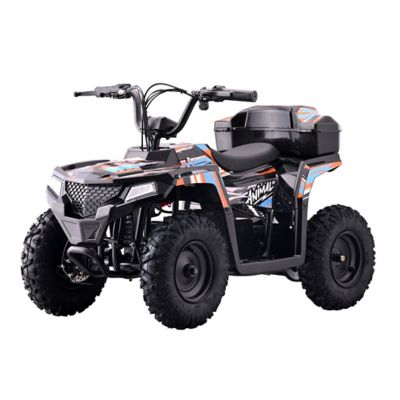
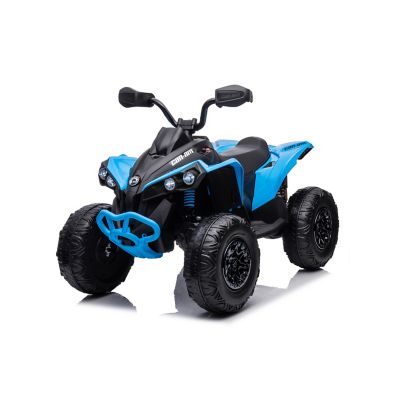
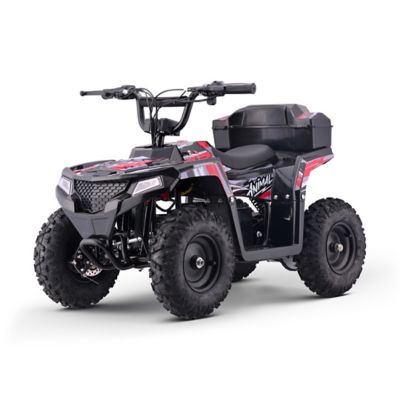
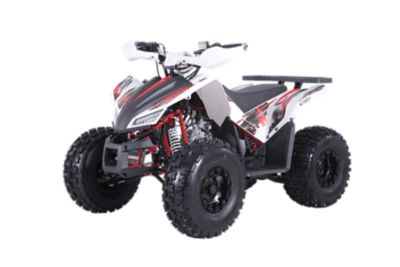
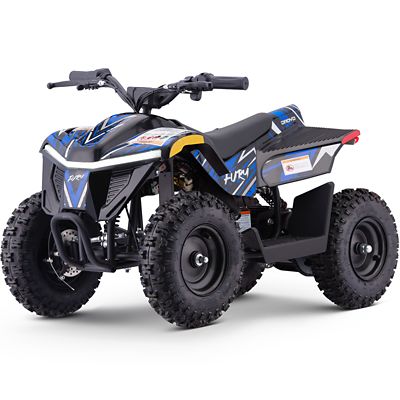
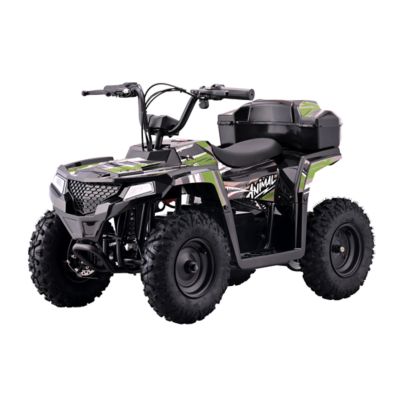
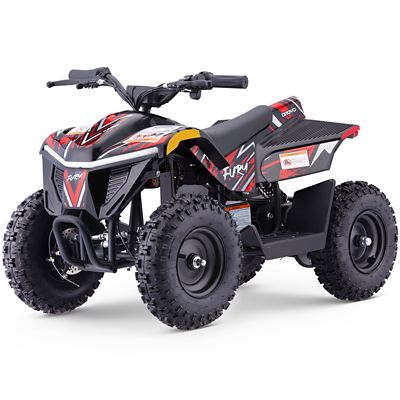
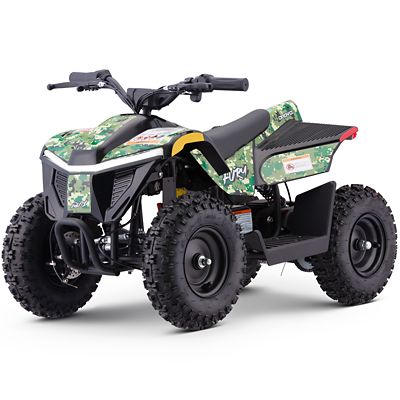
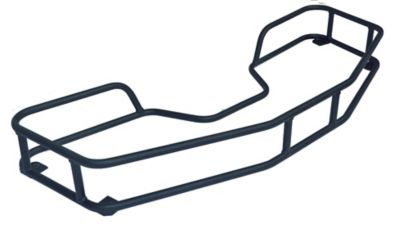
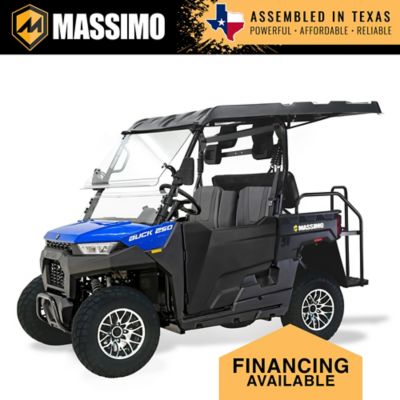
Electric ATVs pair the familiar four-wheel stance of an all-terrain vehicle with a battery-powered motor instead of a gasoline engine. Built for off-road riding, they generally have handlebars, a straddle seat and tires suited to the terrain described by the manufacturer. The category spans smaller youth machines and adult-size vehicles, with differences in speed, carrying capacity, suspension and intended riding areas. An electric quad meant for a supervised youngster on a designated riding patch serves a different purpose than an adult utility ATV traveling between outbuildings or along a fence line. Electric power brings responsive torque, less engine noise and no tailpipe exhaust during operation, though tires, drivetrains and other moving parts still make sound. That quieter ride can make time around the property more pleasant, but it does not guarantee that livestock or wildlife will stay calm as a vehicle approaches. Motor response also deserves attention: quick acceleration can feel quite different from a gasoline-powered machine, especially for a beginning rider. Power ratings alone do not tell the whole story. Vehicle weight, gearing, drive layout, traction and controller settings all affect how an ATV puts power to the ground. An electric motor does not automatically mean four-wheel drive, and four wheels do not make a machine safe on every slope or surface. For everyday property tasks, useful features might include reverse, clearly arranged controls and racks with stated load limits. For recreational riding, seat position, suspension travel and ground clearance can matter more than cargo space. Towing belongs only on vehicles specifically rated and equipped for it; a rack or hitch attachment by itself does not establish hauling capability. Electric ATVs also differ from side-by-side utility vehicles, which typically have a steering wheel and a different seating arrangement. Keeping those categories separate makes it easier to match the vehicle to the job, whether that means a short trip to check a gate or a ride on an authorized off-road trail.
Battery capacity, charging requirements and riding range shape how an electric ATV fits into a day on the land. There is no single mileage figure that applies to every electric four-wheeler. Distance per charge depends on the battery, rider and cargo weight, speed, hills, surface conditions and repeated starts and stops. A route across firm, level ground places different demands on the battery than a climb over loose soil with a loaded rack. Published range estimates are most helpful when their test conditions are clear, and planning a reserve charge leaves room for the trip back to the shed. Battery chemistry varies, too. Lithium-ion and lead-acid systems can differ in weight, charging time, care requirements and replacement cost, so the battery type belongs alongside motor output in a practical comparison. Removable batteries may simplify charging on some machines, while others require parking within reach of an appropriate electrical outlet. Charging time depends on both the battery and its compatible charger; a larger battery does not necessarily recharge at the same pace as a smaller one. Manufacturer-approved charging equipment and the specified electrical connection are important parts of ownership, not afterthoughts. A designated charging spot should meet the manual’s requirements for ventilation, clearances and protection from moisture. Regenerative braking, where fitted, can recover some energy during slowing, but it does not replace the service brakes or eliminate the need to recharge. Electric drive also removes several gasoline-engine chores, such as engine oil changes and spark plug replacement, without making the entire ATV maintenance-free. Tires, brake components, wheel bearings, steering parts and suspension still need attention. Chain-driven machines may call for chain adjustment and lubrication, while other drivetrains have their own service schedules. For a property owner making several short runs between the barn and a back gate, the best fit is a vehicle whose range, charging routine and carrying limits suit that actual pattern of work rather than an impressive number considered on its own.
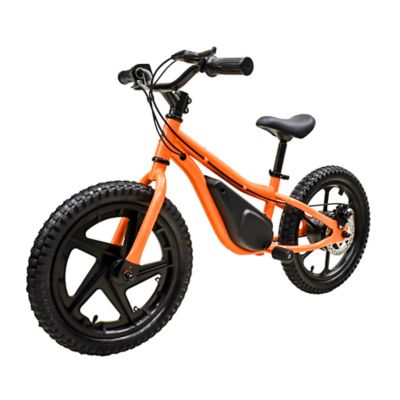
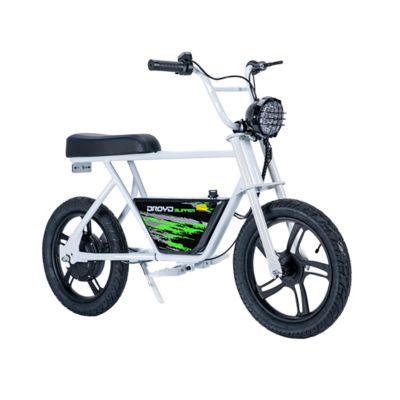
Fit and construction matter just as much as the power source, particularly when an electric ATV is meant for a younger rider. Age recommendations, maximum rider weight and the manufacturer’s intended use help separate youth ATVs from adult machines and battery-powered ride-on toys. A child should never ride an adult ATV, and a smaller frame alone does not establish that a vehicle is appropriate for a particular age. Comfortable reach to the handlebars and brake controls, secure footing on the footrests and room to shift body position all support proper operation. Youth features may include adjustable speed settings, keyed controls or a remote stop function, but none takes the place of hands-on adult supervision and suitable rider training. An ATV given as a gift calls for that same attention to age, fit and a lawful place to ride, along with a properly fitted helmet, eye protection, gloves, long sleeves, long pants and over-the-ankle boots. Riders comparing smaller electric vehicles may also consider
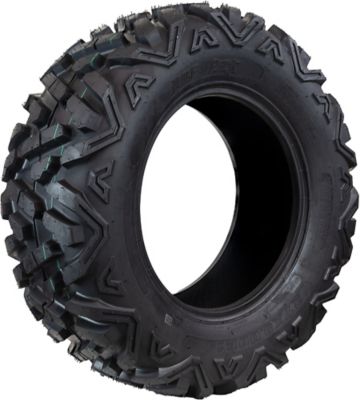
electric mini bikes, which have a two-wheel layout and different balance and handling demands. Across ATV sizes, frame design, welds, suspension hardware and underbody protection help determine how well a machine suits its stated purpose. Steel frames are common, and molded plastic body panels provide coverage without serving as structural rollover protection. Tire tread should match approved riding surfaces, while correct inflation supports handling and helps protect wheels from impacts. Routine care includes checking fasteners, looking for tire damage and cleaning away packed dirt without directing high-pressure water at electrical connections, bearings or seals. Water-resistance claims are not permission to submerge a battery compartment or cross water beyond the manufacturer’s limits. Safe ownership also means following trail rules and local requirements, staying off public roads and pavement unless specifically permitted, and carrying a passenger only on a vehicle expressly designed for one. With the right match of size, construction and operating limits, an electric ATV can fit naturally into off-road recreation or suitable property chores without asking the machine to do more than it was built to handle.