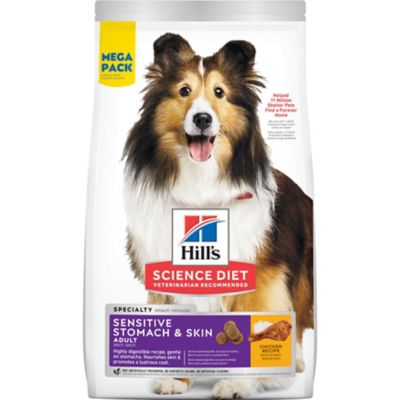
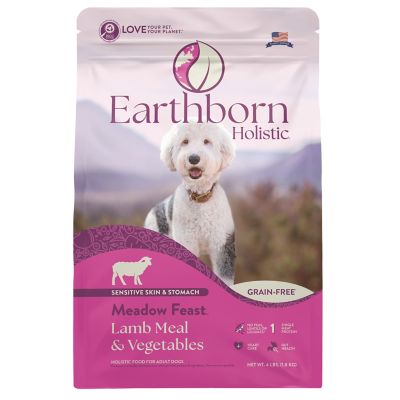
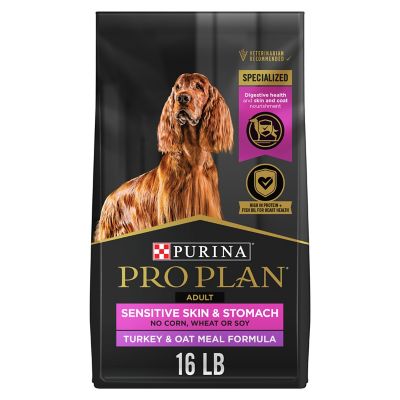
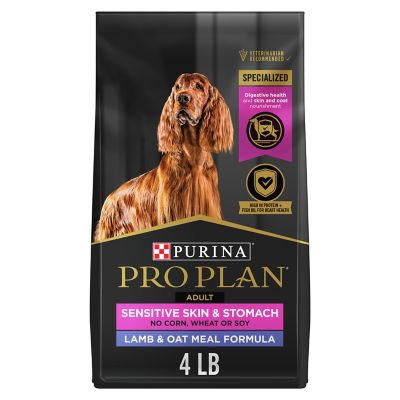
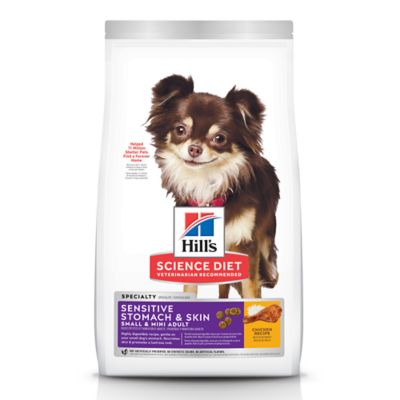
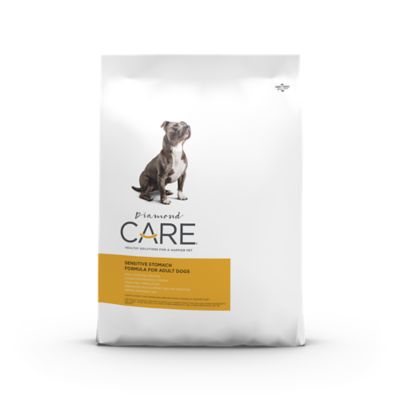
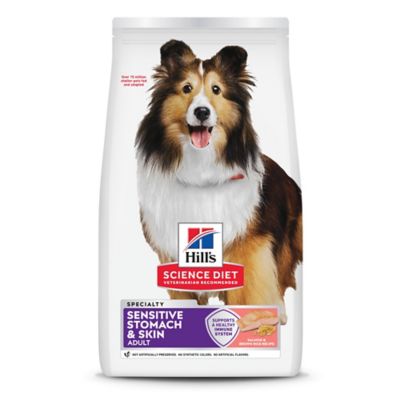
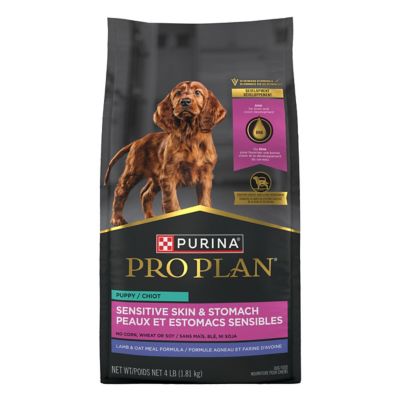
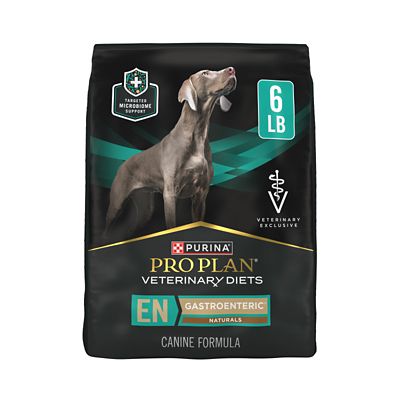
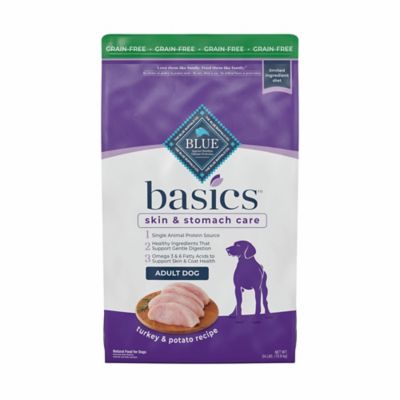
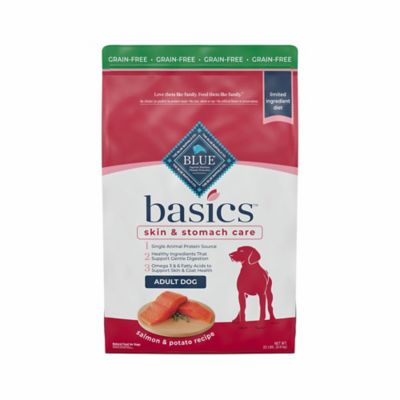
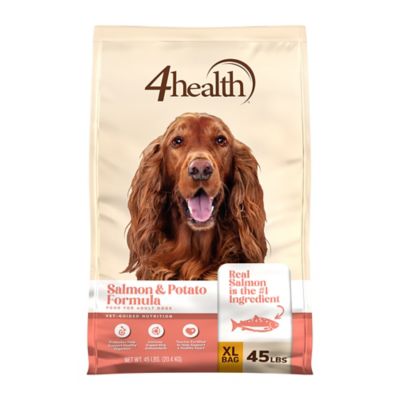
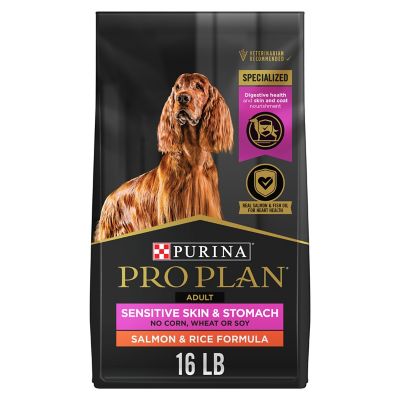
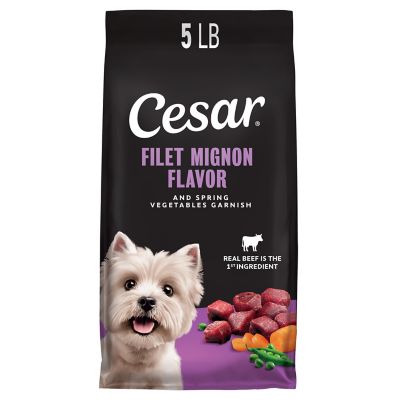
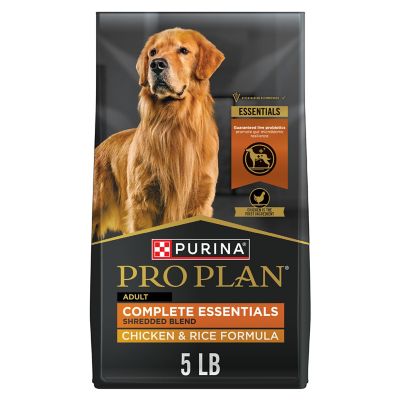
Sensitive stomach dry dog food is formulated to support digestion while providing the nutrients dogs need for everyday life, from tagging along at the barn to stretching out beside the couch. These recipes often combine digestible protein, carbohydrates, and fiber in a crunchy kibble that’s easy to measure and serve. The best fit depends on a dog’s age, health, and ingredient tolerance, not simply the meat pictured on the bag. Salmon, lamb, and turkey are common protein sources in foods made for digestive support, while rice, oatmeal, and barley can supply energy and varying amounts of fiber. No single protein agrees with every dog, and a familiar ingredient can work just as well as one a dog hasn’t eaten before. For a dog with a known food reaction, the full ingredient list matters more than the recipe name, since a food named for one meat may contain other animal proteins. Some formulas feature a shorter ingredient list, though fewer ingredients alone don’t guarantee easier digestion. Fiber plays an important role, too. Ingredients such as beet pulp and certain prebiotic fibers can help support normal bowel function and nourish beneficial gut bacteria. Some recipes also contain probiotics, which are live microorganisms intended to support digestive health; their benefits depend on the strain, amount, and formulation. Prebiotics and probiotics serve different purposes, so the terms aren’t interchangeable. A sensitive stomach label also doesn’t mean a food is intended to diagnose or treat an illness. Occasional gas, changes in stool, and discomfort after meals can have several causes beyond the food itself. For dogs that do well with a particular recipe, steady meals and consistent portions often matter as much as the ingredient choices. A bowl that agrees with a dog should support normal stools, a comfortable appetite, and enough nourishment for that dog’s regular routine, whether the day involves a long walk along the fence line or a quiet afternoon on the porch.
Life stage and body size are just as important as digestive support when comparing sensitive stomach kibble. Look for a nutritional adequacy statement indicating that the food is complete and balanced for the dog’s life stage. Puppies need nutrition for growth, and large-breed puppies have particular needs that make the growth statement worth checking closely. Adult maintenance food isn’t a substitute for puppy food, even when a puppy seems to enjoy the smaller pieces. For older dogs, calorie needs, dental comfort, and existing health conditions can influence the right choice more than a senior label alone. Small dogs may find smaller kibble easier to pick up and chew, while larger dogs need portions matched to their body condition and activity rather than a bowl filled to the rim. Kibble shape and size affect how a dog handles each bite, but they don’t establish how digestible the recipe will be. Fat content is another consideration. Fat supplies energy and helps make food appealing, yet some dogs need a veterinarian-directed approach to fat intake, especially with a history of pancreatitis or other digestive disease. Sensitive stomach formulas aren’t automatically low in fat, and a working dog’s needs may differ from those of a less active companion. Calorie information on the bag helps put feeding amounts in perspective, since equal scoops of two foods can contain different amounts of energy. Feeding charts offer a starting point, with adjustments based on weight, body condition, activity, and veterinary advice. Grain-free food isn’t automatically gentler on digestion, and corn, wheat, or soy aren’t a problem for every dog. Likewise, a food sensitivity isn’t the same as a confirmed food allergy. When an allergy is suspected, a veterinarian may recommend a controlled diet trial rather than repeated changes among regular foods. Keeping those distinctions in mind makes it easier to focus on a recipe’s intended purpose instead of treating every ingredient exclusion as a benefit.
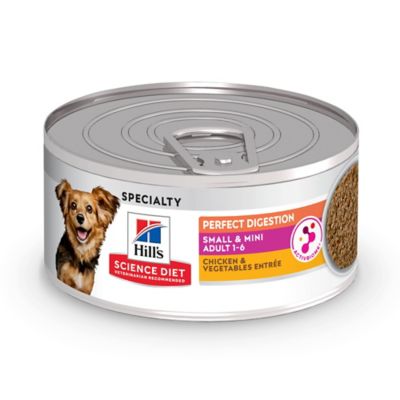
Everyday feeding habits help sensitive stomach dry dog food fit into life around the house, yard, and farm. Dry kibble offers straightforward portioning, stores without refrigeration, and works well for households that set aside measured meals before chores begin. In a home with several dogs, separate bowls and feeding spaces can help keep one dog from swallowing another dog’s supper or getting a recipe that doesn’t suit them. Dogs that bolt their food may benefit from a properly sized slow-feeder bowl, although eating speed isn’t the only possible cause of digestive trouble. Many dogs handle a new food better when it’s introduced gradually, often over seven to ten days, with the transition adjusted to their response and a veterinarian’s recommendations. Keeping treats and table scraps consistent during that change makes it easier to notice how the main food agrees with them. Rich leftovers, access to livestock feed, and a raid on the trash can upset an otherwise settled feeding routine. Fresh drinking water should always be within reach, particularly with dry meals. For dogs that prefer a softer texture or need another serving format,
Canned Dog Food For Sensitive Stomach offers a related category to consider. Wet and dry recipes aren’t necessarily nutritionally interchangeable, so a mixed bowl needs portion adjustments to account for both foods’ calories and ingredients. Proper storage helps protect kibble between meals: keep it in its original bag, close the opening securely, and place the bag in a clean, dry container away from heat, moisture, and pests. Wash and dry the container before adding a fresh bag, and keep the lot information and best-by date handy. Clean food bowls regularly to remove crumbs and oily residue. Persistent vomiting, diarrhea, weight loss, or loss of appetite calls for veterinary attention rather than another food switch; blood in stool, marked weakness, or inability to keep water down warrants prompt care. For everyday digestive support, the goal is a suitable, complete diet paired with a steady routine that helps a dog stay comfortable through meals, chores, and downtime.