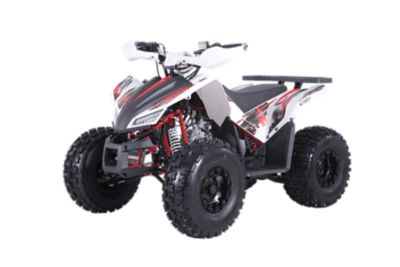
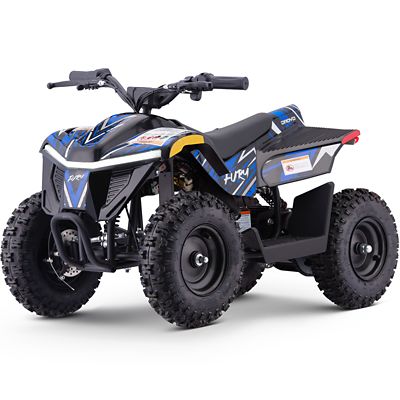
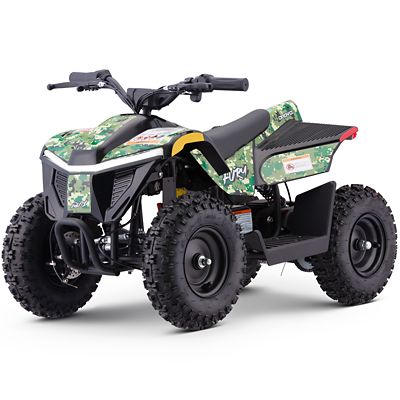
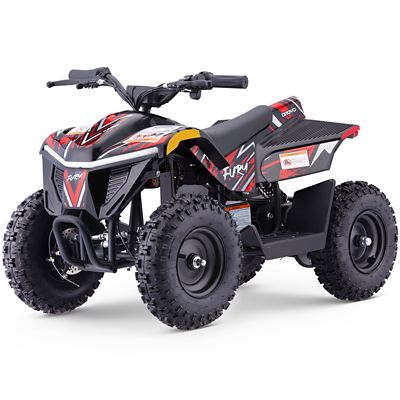
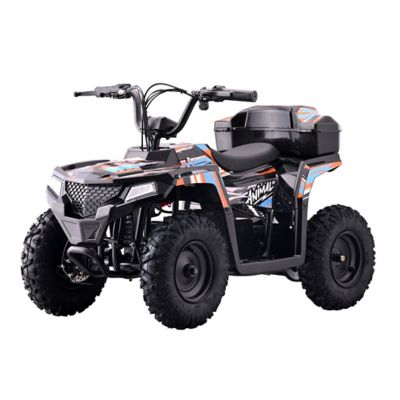
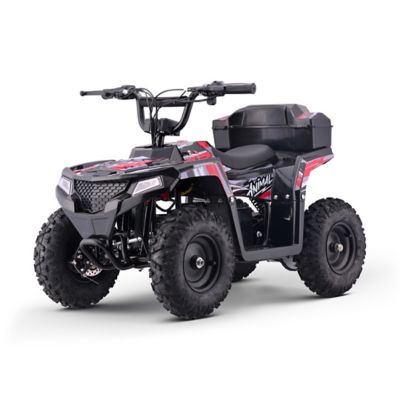
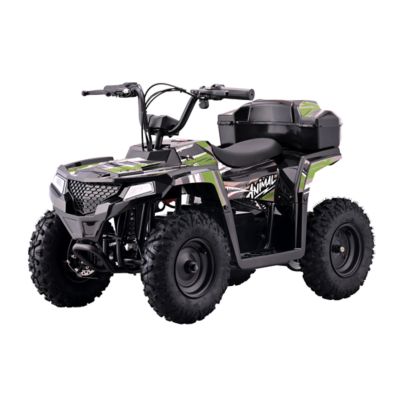
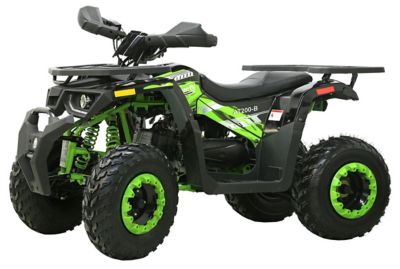
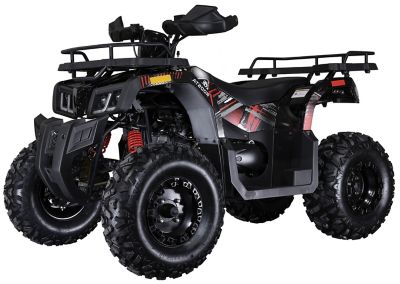
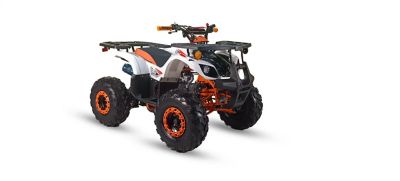
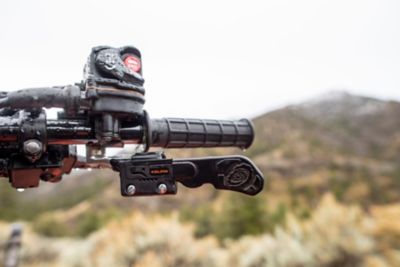
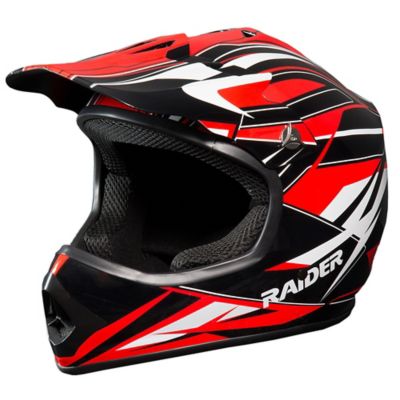
Youth ATVs can bring a whole new kind of fun to time spent outdoors, whether a young rider is learning the basics on a family property, helping with light chores under close supervision or enjoying an afternoon trail ride with an experienced adult nearby. These smaller all-terrain vehicles are made with younger riders in mind, offering a more manageable size and approachable controls than full-size machines. When choosing from youth ATV options, start with the rider rather than the color or appearance. Age, height, weight, experience level and physical ability all matter. A child should be able to sit comfortably, reach the controls without stretching, turn the handlebars with ease and operate the brakes confidently. Feet should rest securely on the footrests, and the rider should understand how to start, stop and steer before heading onto uneven ground. Manufacturer recommendations provide an important starting point, but they do not replace a parent or guardian’s judgment. A youth ATV is not a toy, and it should never be treated like one. Look for features that support steady learning, such as simple controls, a stable stance, a speed-limiting option and an emergency shutoff that an adult can reach or use as needed. Some families choose a youth ATV as a birthday or holiday gift, while others add one to their outdoor equipment when a child has shown an interest in riding alongside parents, grandparents or older siblings. Either way, the best gift is one that matches the rider’s readiness and will be used in a safe, supervised setting. Riders should wear a properly fitted helmet approved for powersports use, along with eye protection, over-the-ankle boots, long pants, gloves and a long-sleeved shirt or jacket. Protective gear can feel warm during a ride, but it offers valuable coverage when branches, gravel, mud or unexpected bumps are part of the day.
A safe place to ride is just as important as the ATV itself. Before the first outing, walk the property and look for holes, loose wire, steep drop-offs, slick roots, hidden rocks, ponds, ditches and other hazards that may be difficult for a young rider to spot. A flat, open area with firm ground gives beginners room to practice starting, stopping, turning and keeping a steady pace. As skills improve, an adult can introduce gentle slopes and more varied terrain one step at a time, always staying close enough to respond quickly. Public trails, private land and organized riding areas may have different rules, age limits and equipment requirements, so check local laws and property restrictions before riding. Children should never ride on public roads unless local regulations specifically allow it, and they should not carry passengers unless the vehicle is designed and approved for that use. Keeping the pace slow helps a young rider focus on the trail instead of trying to keep up with adults. It also leaves time to notice changing ground conditions, especially during the cooler months when damp leaves, frost, mud and early darkness can make familiar paths less predictable. During warmer stretches, dust and dry grass may call for extra eye protection and careful attention around areas where fire restrictions apply. An adult should remain present and engaged, not simply watching from a porch or checking in from a distance. Set clear boundaries, use hand signals or simple trail rules and stop for breaks before a rider becomes tired. Fatigue can make steering and braking less precise, even after a short ride. A youth ATV can be useful for supervised work around a larger property, but children should not operate one alone, near livestock, around machinery or while handling tasks that require judgment beyond their training. Keeping riding separate from chores also helps young drivers stay focused on safe operation instead of rushing to finish a job.
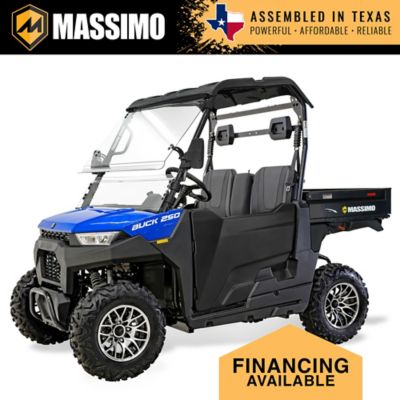
Before every ride, take a few minutes for a simple inspection. Check the tires for proper inflation and visible damage, make sure the brakes and throttle move smoothly, confirm that the handlebars turn freely and look over the chain, drive system, guards, lights and fasteners as applicable. Check fuel or battery levels, and keep a small tool kit, water and a charged phone with the supervising adult when practical. After riding through mud or wet grass, clean the machine according to the manufacturer’s instructions and give it time to dry before storing it. During extended periods of cold or damp weather, a covered, secure storage area helps protect the ATV from moisture and keeps children from using it without permission. Regular maintenance is a good opportunity to teach responsibility, too. A young rider can help wipe down the vehicle, inspect the tires with an adult and put away riding gear, while an experienced adult handles repairs, fluid checks and any work involving moving parts. Choosing an ATV in a favorite color can add a personal touch to a gift, and browsing by color, including
Blue ATVs, can make it easier to find a look that suits the rider. Still, fit, safety features, condition and appropriate use should guide the final decision. Whether it is used on a quiet stretch of family land, a designated riding area or a maintained trail during a crisp fall afternoon, a youth ATV is best enjoyed as part of shared outdoor time. With the right size, dependable safety gear, patient instruction and steady adult supervision, young riders can build confidence while learning to respect the machine, the land and the people riding with them.