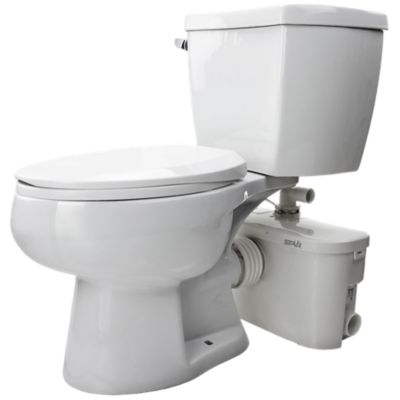
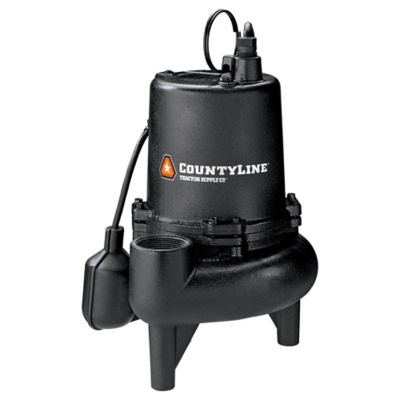
Toilet pumps move toilet wastewater to a sanitary drain when gravity alone cannot carry it there. That makes them worth considering for a basement bathroom, a washroom in a farm office, or a garage bathroom sitting below the main sewer connection. Instead of relying entirely on a downward-sloping drain, an electric motor moves wastewater through a discharge pipe toward an approved sewer or septic connection. Macerator pumps, often associated with upflush toilet systems, break down toilet waste and toilet paper before pumping the mixture away. Sewage ejector pumps take a different approach, collecting wastewater in a basin and moving solids within the pump’s stated handling limits; not every ejector has a grinding mechanism. Those differences matter when matching equipment to a bathroom layout. A compact macerating unit may sit behind a compatible rear-discharge toilet, while an ejector system generally calls for a basin that receives drainage from the fixtures it serves. Some arrangements can reduce the amount of concrete cutting involved in adding a bathroom, but the actual work depends on the existing plumbing, fixture elevations, and local requirements. A shower drain, for example, still needs enough slope to reach the pump inlet or collection basin, which may mean raising the shower base. Certain toilet pumps also accept wastewater from a sink, shower, or bathtub, provided the connections, water temperatures, and flow stay within the equipment’s specifications. That can help make a lower-level guest bathroom more practical without routing each fixture to a separate pump. For homeowners finishing space downstairs, property owners adding a washroom, and tradespeople handling bathroom additions, the important distinction is what the pump is built to move. A toilet waste pump handles sewage; a toilet tank fill valve controls incoming flush water, and a plunger clears some drain blockages. Neither takes the place of an electrically powered wastewater system where the drain connection sits too high for gravity flow.
A good fit involves more than finding a pump that fits behind the bowl or inside a basin. The vertical rise to the sewer connection, the length of the discharge run, pipe diameter, and resistance from fittings all affect performance. Maximum lift and maximum flow describe different ends of a pump’s operating range, not a promise that both happen together. The performance curve gives a better picture of how much wastewater a pump can move against the resistance in a particular installation. A short discharge route with a modest rise presents a different load than a line that climbs overhead and then runs across a long basement ceiling. Toilet compatibility matters just as much: rear-discharge connections, inlet height, connection size, and the required position of the pump all need to match. Additional fixture inlets do not automatically mean every fixture can drain at once without limits, especially when a bathtub releases a large volume of water. Materials also play a part in the choice. Molded thermoplastic housings resist corrosion and can keep equipment weight down, while cast-iron pump bodies add weight and rigidity in designs built around those characteristics. Stainless steel cutting components appear in some macerating systems, and seals, gaskets, and connection sleeves help contain wastewater when properly fitted. Construction details should match the intended application rather than serve as a shortcut for judging the whole system. Electrical requirements, motor duty ratings, automatic activation, and any alarm provisions deserve the same attention as horsepower. More horsepower alone does not establish whether a pump suits the piping. Room for service is another practical concern, particularly in a tight half bath where the toilet, vanity, and pump share a small footprint. Access to the motor housing, connections, basin cover, and shutoff components can make a later inspection less disruptive. Venting, check valves, discharge connections, and electrical protection need to follow the manufacturer’s requirements and local codes, with a licensed plumbing professional helping confirm that the complete setup belongs in the space.
Everyday care starts with respecting what the system can handle. Toilet paper and human waste belong in a toilet pumping system designed for that purpose; wipes, paper towels, feminine hygiene products, cotton swabs, and similar materials can interfere with cutting components or obstruct the pump and discharge piping. A package labeled flushable does not override the pump manufacturer’s restrictions. In a busy household or a bathroom shared by visitors, a simple reminder near the toilet can help prevent a service call caused by something that should have gone in the trash. Cleaning products need the same consideration, since concentrated chemicals, solvents, and drain-opening treatments may harm seals or other parts unless specifically permitted. Manufacturer-approved cleaning and descaling practices can help address buildup without exposing components to unsuitable chemicals. Normal operation varies by design, but a change in sound, repeated cycling when no fixture is draining, slow drainage, or an alarm can signal that the system needs attention. Continuing to flush into a system that is not clearing wastewater can lead to an overflow, so access to service and a clear response to alarms matter. Electrical pumps also depend on power; a bathroom connected to one cannot be treated like a gravity-only bathroom during an outage. For projects involving only a utility basin, kitchenette, or laundry sink,
Sink Pumps may address the drainage need, but a sink pump should never be assumed suitable for toilet sewage. Waste type, allowable water temperature, and fixture connections separate those applications. The same care applies when a property drains to a septic system, where the proposed connection and added wastewater load need proper review. A well-matched toilet pump brings together the right waste-handling design, suitable materials, sufficient pumping performance, and a layout that leaves room for upkeep. Whether the bathroom serves family downstairs or workers near the shop, those practical details help it function as an everyday part of the property rather than a plumbing arrangement that needs constant attention.