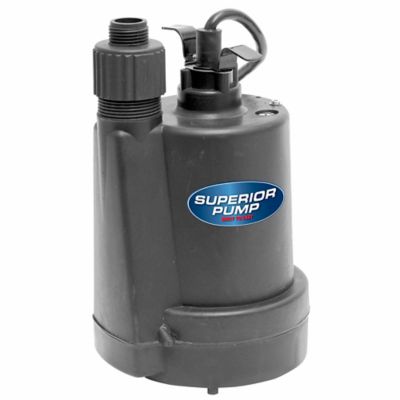
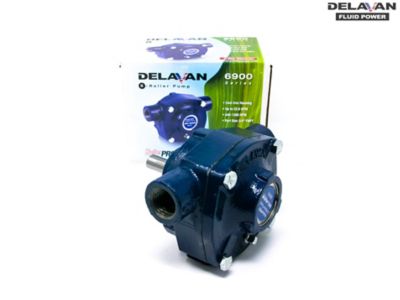
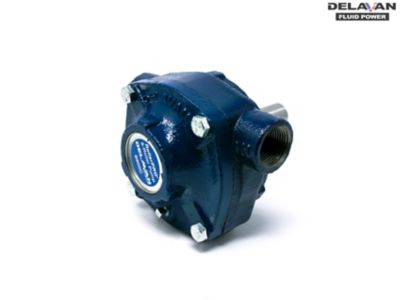
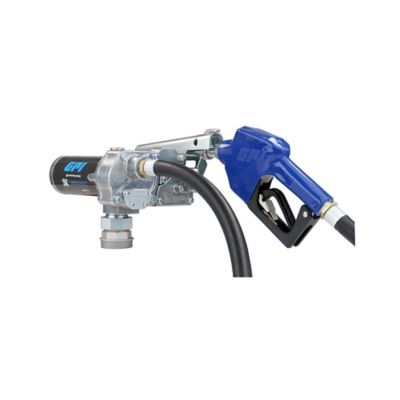
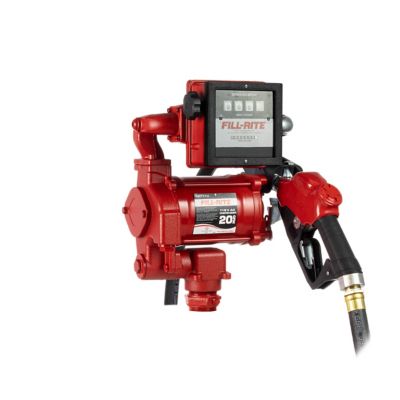
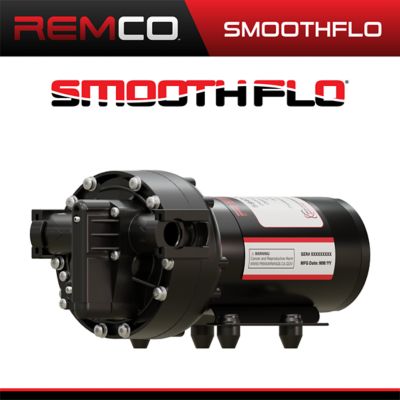
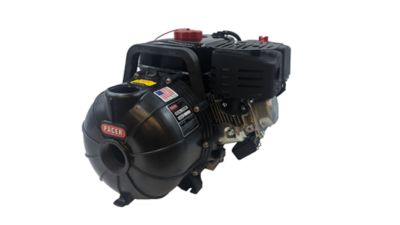
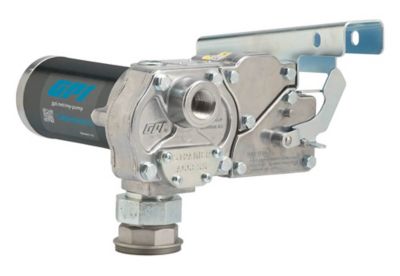
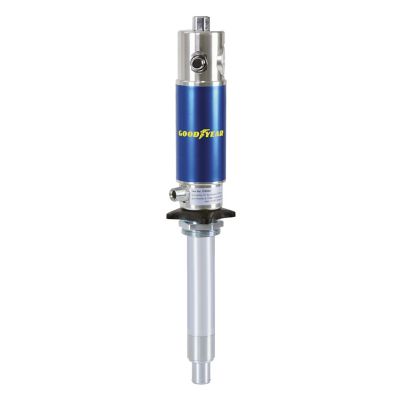
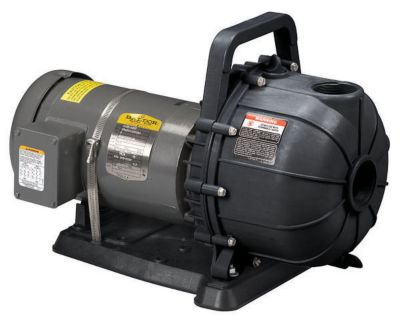
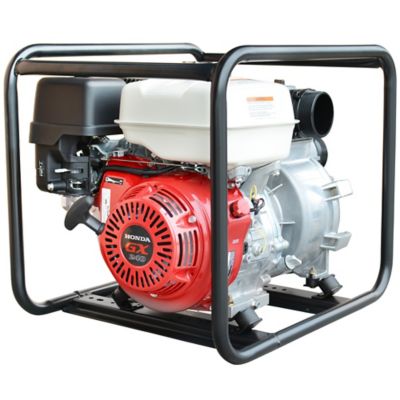
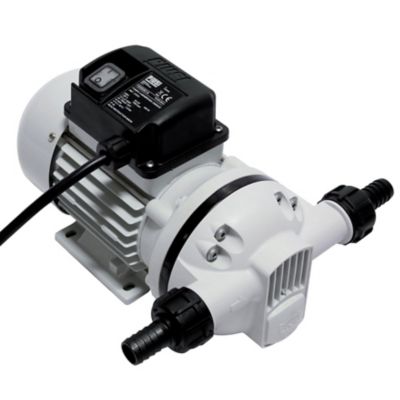
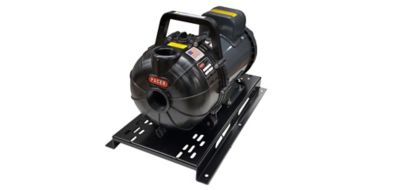
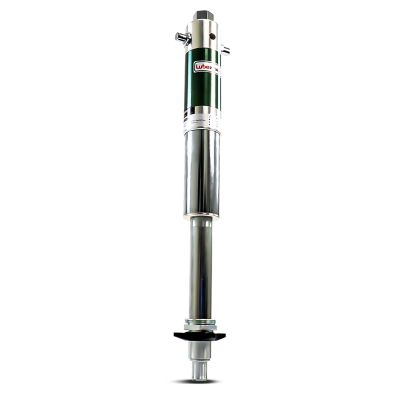
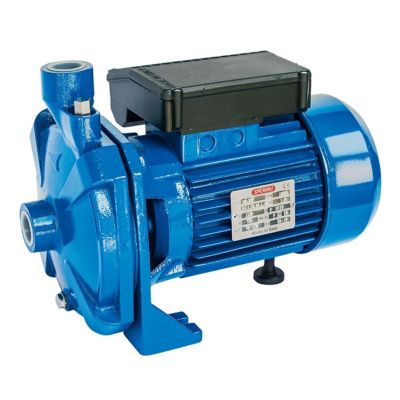
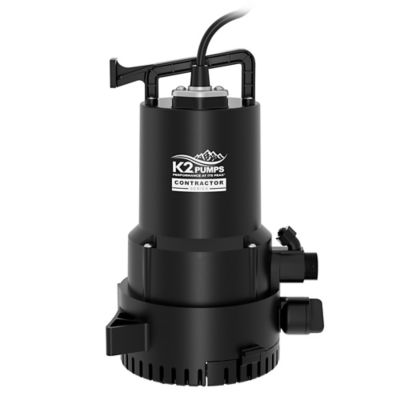
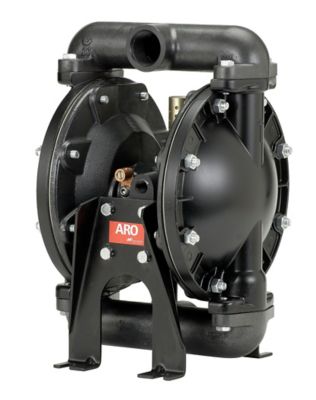
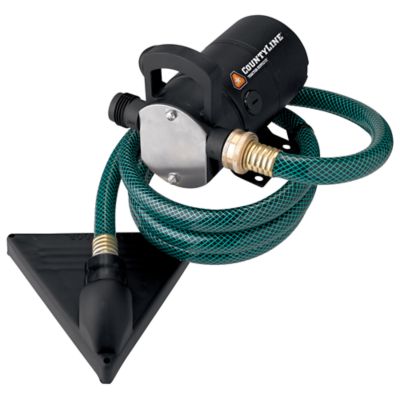
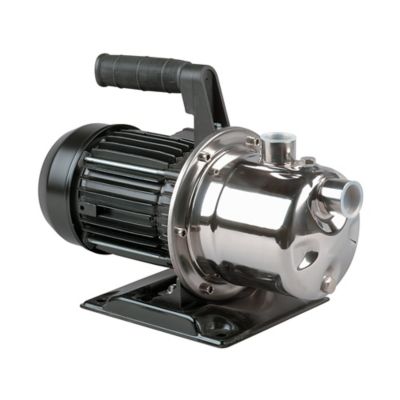
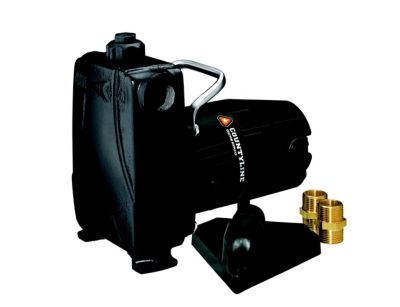
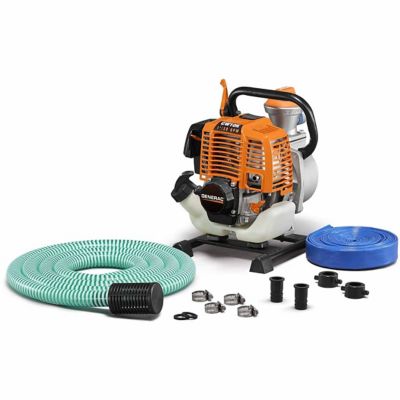
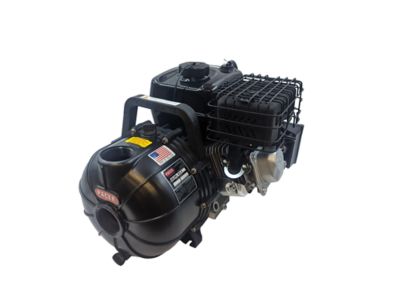
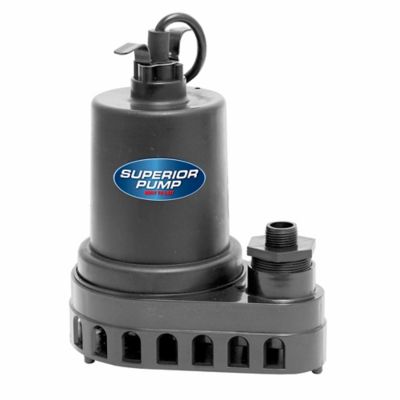
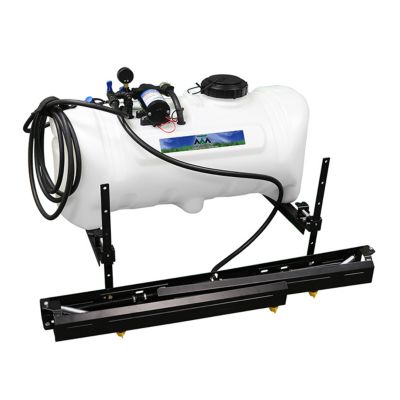
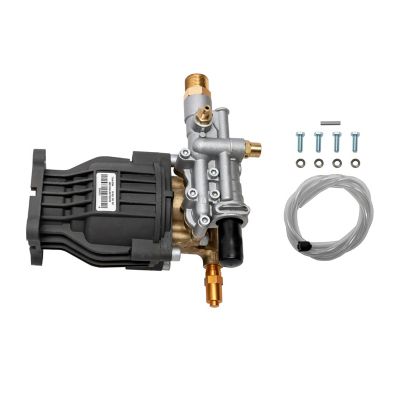
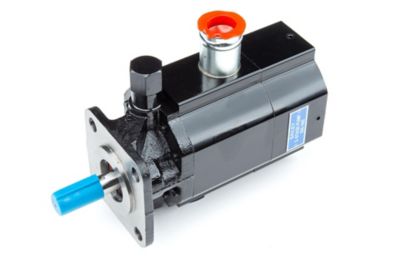
Industrial pumps help move water, wastewater, oils, chemicals, slurries and other fluids where ordinary plumbing or gravity-fed lines cannot keep up. They are commonly used on farms, ranches, construction sites, workshops, factories, greenhouses, maintenance crews and municipal systems. A dependable pump can transfer liquid between tanks, drain low areas, supply wash-down stations, circulate process water or keep a larger system moving through long runs of pipe. During the cooler months, pumps may also be used to manage water around barns, equipment sheds, livestock areas and work sites where standing water can become a muddy, icy nuisance. Choosing the right unit starts with the fluid itself. Clean water behaves very differently from waste oil, fuel, paint, fertilizer, chemical mixtures or a thick slurry carrying grit. Think about the liquid’s viscosity, temperature, abrasiveness and chemical makeup, then confirm that the pump body, diaphragms, seals, fittings and hoses are made from materials that can handle it. A pump that works well for clear water may not be suited for heavy oil or corrosive chemicals, and using the wrong materials can lead to premature wear, leaks or an unsafe failure.
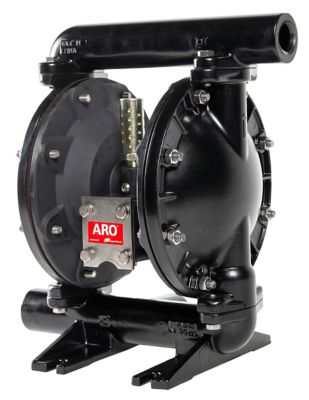
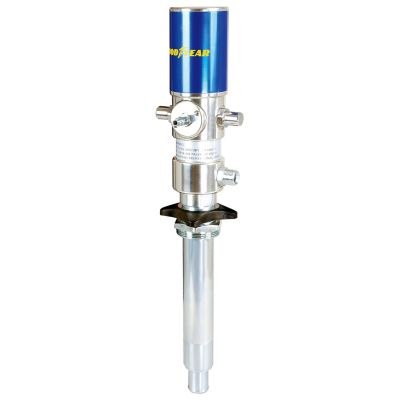
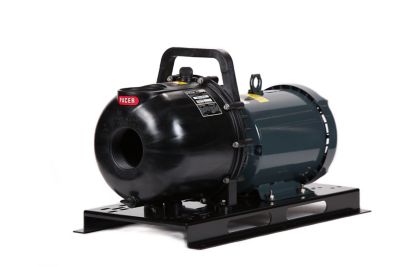
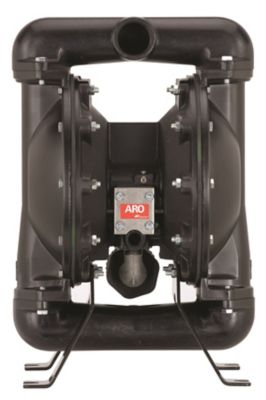
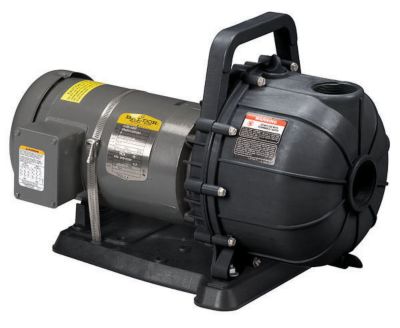
Flow rate and pressure are just as important as fluid compatibility. Flow is usually listed in gallons per minute, or GPM, and tells you how quickly the pump can move liquid. Pressure or head describes how hard the pump can push that liquid through vertical lift, long hose runs, filters, spray equipment, valves and other restrictions. A high flow rate does not automatically mean a pump will deliver well under high resistance, so look at the performance information for the operating point your setup actually needs. Measure the distance from the pickup point to the discharge point, include the height the liquid must climb, and account for bends, narrow fittings and elevation changes. Centrifugal pumps use a rotating impeller and are often a practical choice for large volumes of relatively clean, low-viscosity liquid at lower pressure. They are widely used for water transfer, circulation and wastewater applications. Positive displacement pumps move a set amount of fluid with each cycle or rotation, making them useful when steady pressure, controlled flow or thicker media is involved. Diaphragm pumps use flexible membranes moving back and forth and can be a strong fit for abrasive, corrosive or viscous fluids, including waste oils, chemicals and slurries. Rotary pumps, including gear, lobe and screw styles, move fluid through trapped pockets and are known for smooth, measured transfer of heavier oils, lubricants, syrups and similar liquids. Matching the pump style to the job helps prevent overworking the motor or air supply and makes day-to-day operation more predictable.
Before placing a pump into service, check the power source, connection size, duty cycle and installation requirements. Electric pumps may run on AC or DC power, while air-operated double-diaphragm pumps need a suitable compressed-air supply and properly sized air lines. Compare the pump’s voltage and amperage with the available electrical circuit, and use outdoor-rated connections and ground-fault protection where moisture is present. For air-powered equipment, verify the required air pressure and volume rather than assuming any compressor will be enough. Port size matters, too: reducing a line sharply or pairing a pump with undersized hose can restrict flow and create extra strain. Many pumps need to be primed before operation, while others can handle certain levels of dry running; follow the manufacturer’s instructions instead of letting a pump run empty and hoping for the best. Install a strainer or filter when the application allows, especially where dirt, leaves, bedding or metal chips may enter the intake. Keep suction lines short, secure and free of air leaks, and use hose and fittings rated for the fluid and pressure. For additional water-handling options around a farm, home or work site, browse
Plumbing Pumps. Routine care is usually straightforward: inspect diaphragms and seals, clear debris, check for unusual vibration or noise, tighten connections and drain or flush the system when the fluid can settle, freeze or harden. Store equipment clean and protected when temperatures drop, and take extra care with chemicals by using proper gloves, eye protection, ventilation and spill-control practices. With the right flow, pressure, materials and power source, an industrial pump becomes a reliable part of the job rather than another piece of equipment to fuss with.