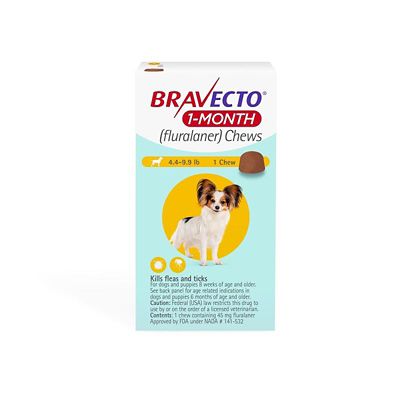
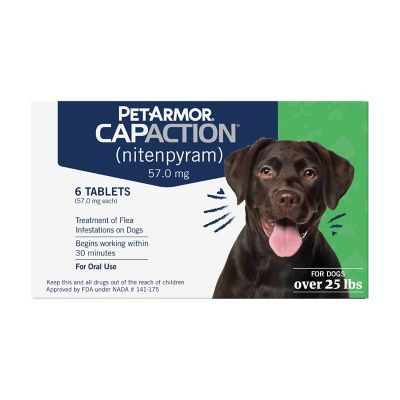
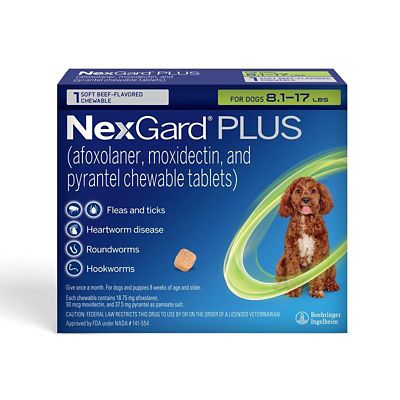
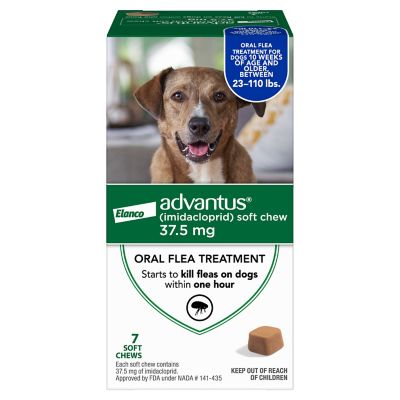
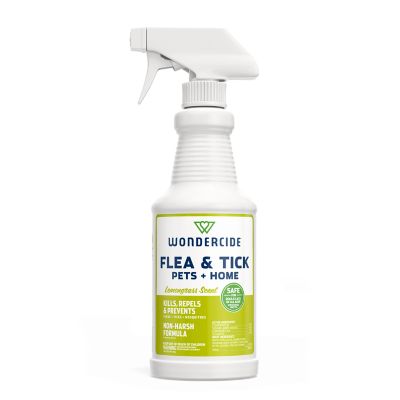
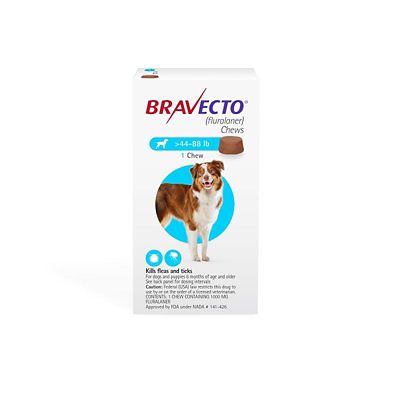
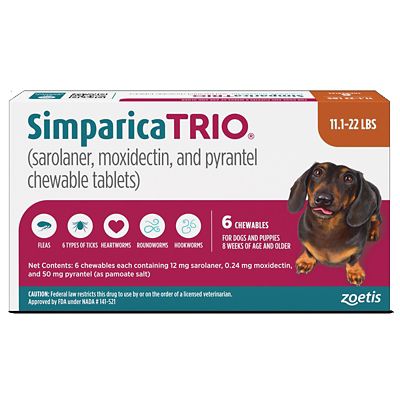
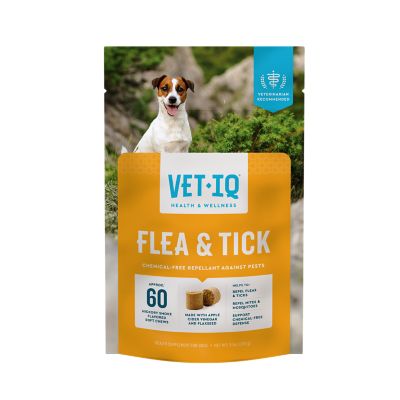
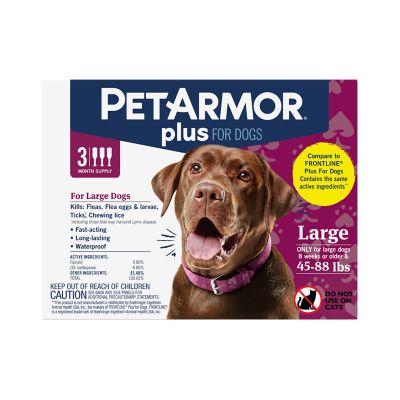
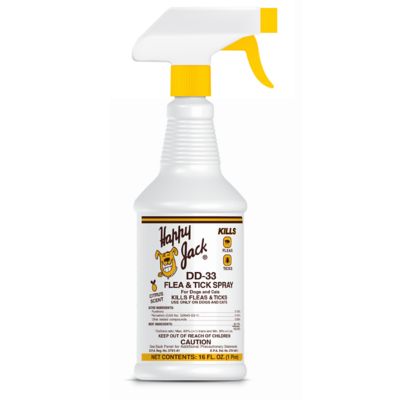
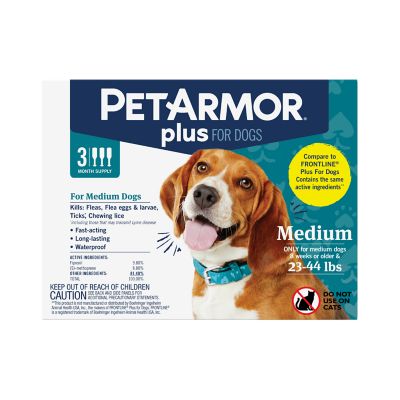
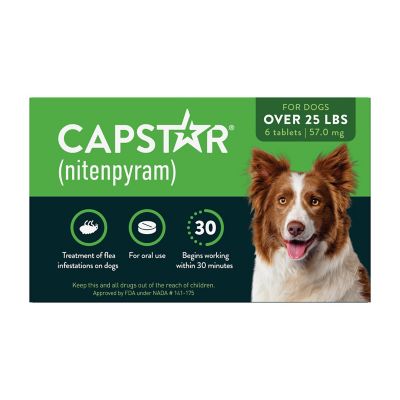
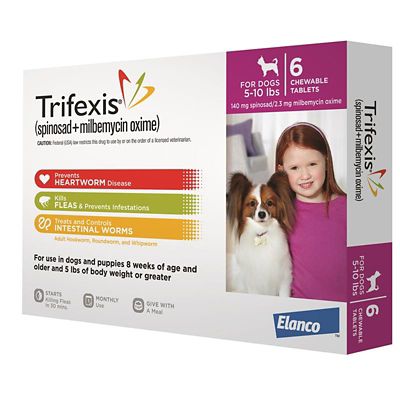
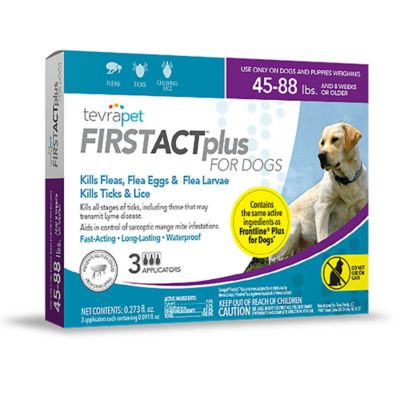
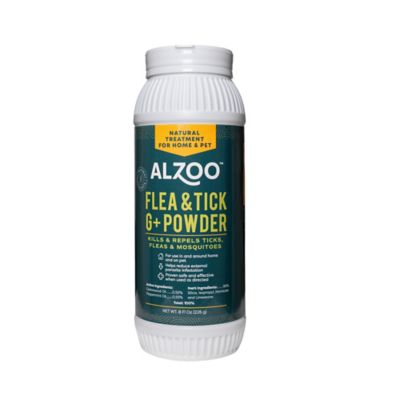
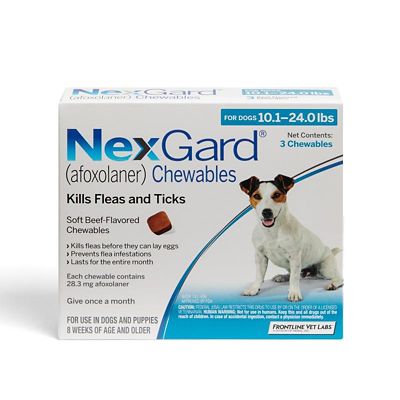
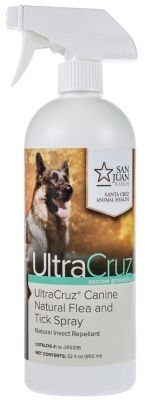
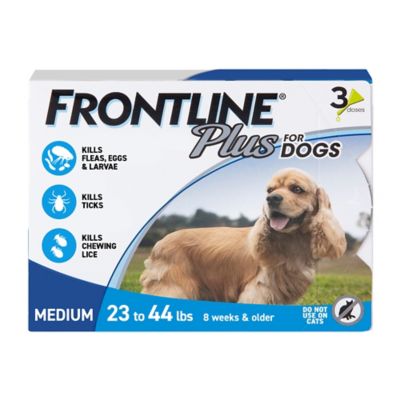
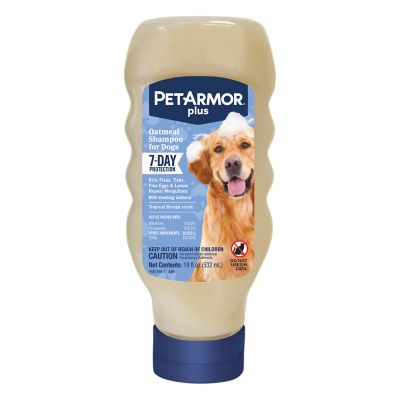
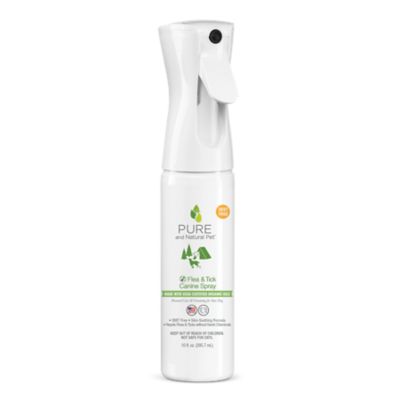
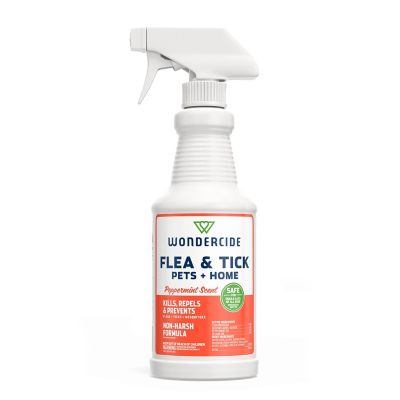
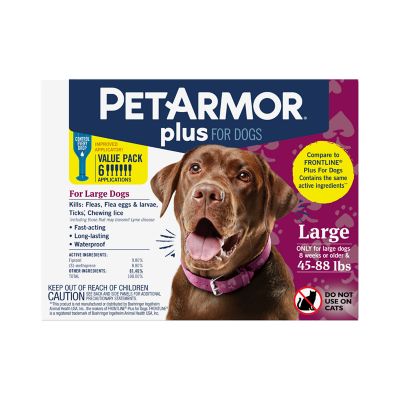
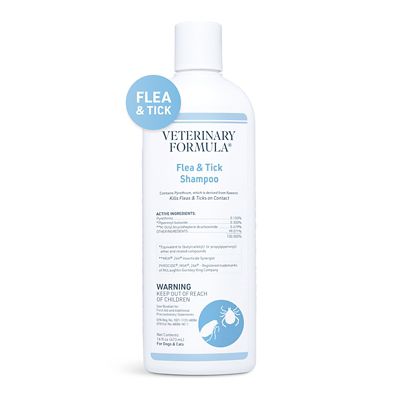
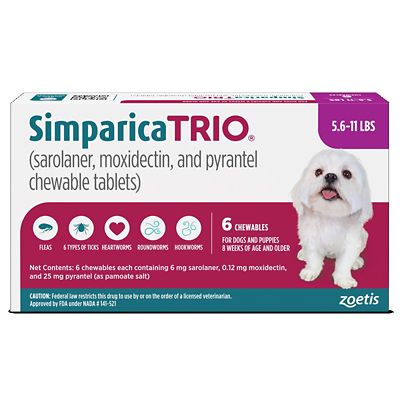
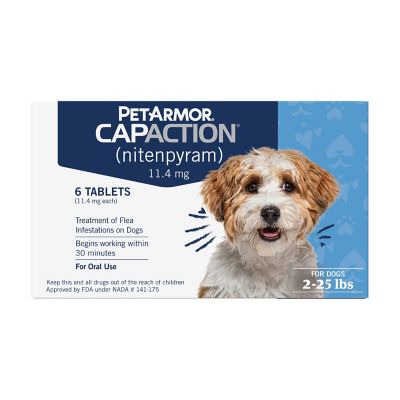
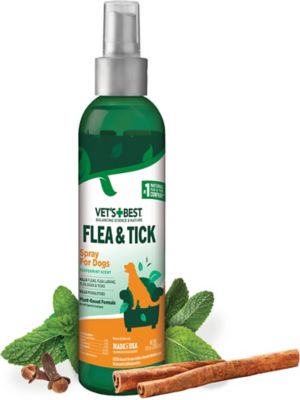
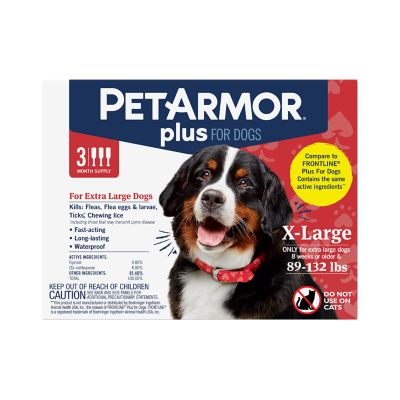
Flea treatments for dogs include oral medications, topical spot-on liquids, flea collars, and shampoos or sprays labeled for dogs. Each format works a little differently, and the right match depends on a dog’s age, weight, health, and everyday routine. Some treatments kill adult fleas, while others also interrupt the flea life cycle by targeting eggs or larvae. Certain formulas protect against ticks or additional parasites, but that coverage belongs to the individual label, not the whole category. For a farm dog riding along to check fences, a hunting companion working through tall grass, or a house dog stretched out beside the mudroom door, flea control is part of keeping comfortable wherever the day leads. Fleas can cause itching, irritated skin, and flea allergy dermatitis, and dogs can pick up tapeworms by swallowing infected fleas. Heavy infestations can also cause anemia, especially in small puppies. That makes protection worth considering even for dogs that spend most of their time indoors. Fleas can come inside on animals, and their immature stages can settle into bedding, rugs, and cracks in flooring. Cooler weather does not necessarily bring that cycle to a halt, particularly inside heated homes. Oral flea treatments can suit households that prefer not to apply liquid to a dog’s coat, and swimming does not wash an oral medication off the skin. However, oral formulas differ in how quickly they begin working, how long they last, and whether they require a prescription. Topical flea treatments go directly onto the skin at the application sites shown on the label, making coat length and access to the skin practical considerations. Flea collars provide another wearable option, with protection periods and water-exposure limits that vary by formula. Flea shampoos and sprays may address fleas present at application, but their remaining activity varies, so a bath alone should not be mistaken for ongoing protection.
Choosing among dog flea treatments starts with the details printed on the package rather than the size or appearance of the dog. Weight ranges and minimum ages matter: a growing puppy, a small terrier, and a full-grown livestock guardian may need very different formulations. A current weight helps keep that choice grounded, especially when a thick coat makes a dog look bigger than it is. Doses should not be split between dogs or combined to create a different strength unless a veterinarian specifically directs it. Health history matters, too. A veterinarian can help assess options for pregnant or nursing dogs, dogs taking other medications, and dogs with existing medical conditions. Some flea and tick medications in the isoxazoline class carry warnings about possible neurologic reactions, including tremors or seizures, making a history of those problems an important part of the conversation. For topical liquids, the application needs to reach the skin rather than sit on top of the fur. Drying time, contact restrictions, and bathing directions deserve attention in a household where dogs tumble together on the porch or children regularly hug the family pet. Water resistance is not the same across all treatments, and frequent swimming or shampooing may affect certain formulas. For flea collars, fit and material are everyday wear considerations: the band should sit as directed without pinching, rubbing, or leaving excess length where it can be chewed. The label specifies spacing, trimming, and whether the collar can remain on during bathing. Skin sensitivity is another consideration with anything worn against the neck or applied to the body. Oral treatments avoid an external band or application site, but some require food, and a dog needs to swallow the full labeled dose. A chew that disappears quickly for one dog may be spit out behind the feed bin by another. Protection intervals also differ substantially, from short-acting treatments to options designed for weeks or months. Keeping track of the labeled treatment schedule matters more than assuming every chew, liquid, or collar follows the same calendar.
Flea control also needs to fit the whole household, particularly when dogs share beds, kennels, trucks, or living space with other animals. Dog flea treatments are not interchangeable with cat treatments, even when the packaging looks similar. Permethrin in certain dog formulas can be highly toxic to cats, and contact with a recently treated dog may also put a cat at risk. Cat owners can compare species-labeled options through
Over the Counter Flea Treatments for Cats, while checking every animal’s age, weight, and health requirements separately. When a dog treatment calls for separation from cats or other pets during drying, that restriction is part of safe application, not an optional extra. Layering a flea collar, spot-on treatment, shampoo, and oral medication without veterinary direction can expose a dog to overlapping ingredients or unwanted effects. A veterinarian can help coordinate treatment when more than one pet needs protection or when fleas keep turning up despite regular applications. Seeing fleas after treatment does not always mean the treatment has failed; developing fleas in the surroundings can continue emerging over time. Washing pet bedding according to its care label and vacuuming resting areas help support treatment by removing some of the flea life stages around the home. The blanket on the back seat, the cushion by the woodstove, and the mat under the kennel can all be part of that picture. Environmental sprays have their own directions and should never go directly onto a dog unless the label expressly allows that application. Between treatments, secure storage in the original packaging keeps dosing information handy and helps prevent children or animals from getting into medications. An easy-to-follow routine, a suitable formulation, and attention to the dog’s surroundings give flea protection a practical place alongside feeding, grooming, and other everyday care. For dogs that tag along from the barn to the couch, the best fit is a treatment matched to their needs and carried through for its full labeled schedule.