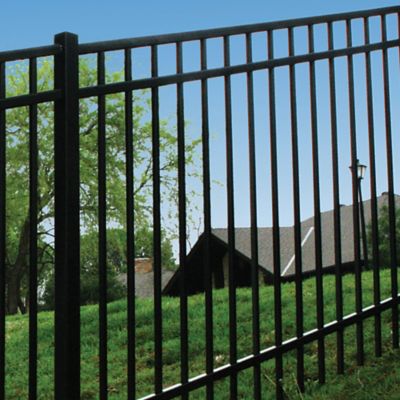
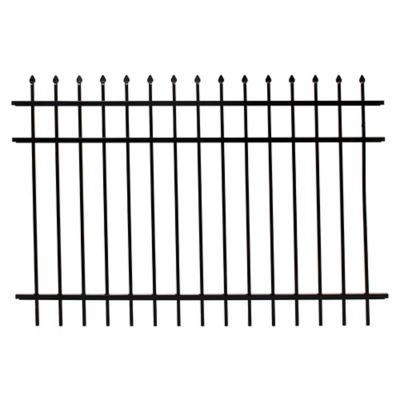
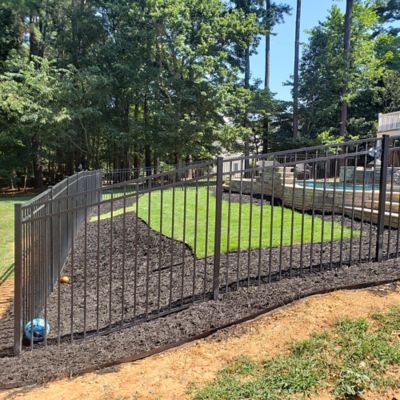
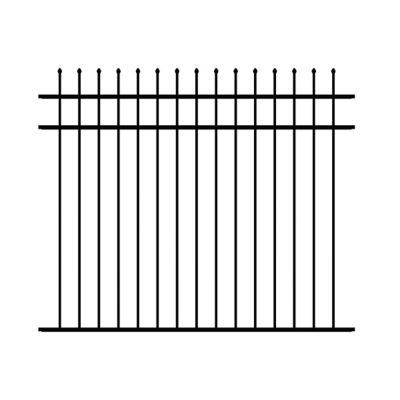
Fence panels offer a practical way to define your property, guide foot traffic, protect garden beds and give outdoor spaces a more finished look. They can help keep pets close to home, create a safer place for children to play and add a clear boundary around a pasture, poultry area, driveway or backyard. Before choosing a panel, think about the job you need it to do. A short decorative fence can mark the edge of a flower bed or front walkway, while taller panels may provide more privacy or help keep animals from wandering. If your main goal is containing livestock, look for a design suited to the animal’s size and behavior, with openings that are appropriately spaced and a height that makes sense for the area. For pets, consider whether a dog could squeeze through, climb over or dig beneath the fence. A fence around a garden may need to discourage browsing animals, while a fence around a pool, play area or equipment space may have additional safety requirements. Local building codes, neighborhood rules and property-line regulations can also affect your project, so it pays to check those details before buying materials or setting posts. A little planning on the front end can save a good deal of digging and rearranging later.
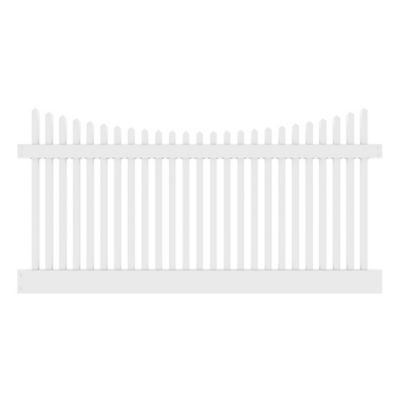
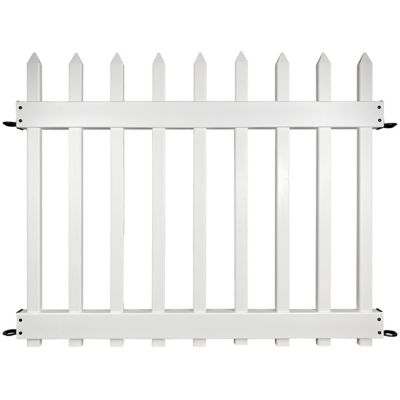
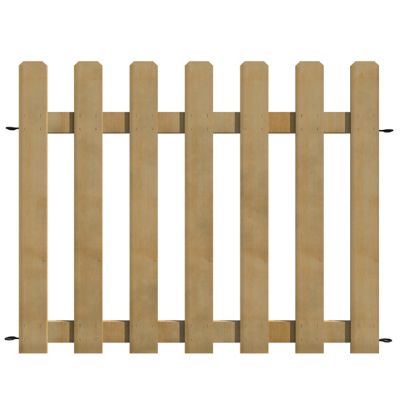
The layout of your property matters just as much as the panel style. Walk the fence line and note slopes, low spots, tree roots, rocks, gates, driveways and places where water tends to collect. Panels are easiest to install when the ground is fairly even, but uneven terrain may call for stepped sections, careful grading or a different fencing approach. Measure the full run, then account for corners, gates, end posts and any space needed between panels. It is wise to allow for a small amount of extra material in case a section is damaged during installation or a measurement changes once the posts are in the ground. Fence panels work with a variety of support systems, but the posts, rails, brackets, fasteners and ground-contact materials need to match the weight and intended use of the fence. A light decorative panel has different support needs than a tall privacy panel or a sturdy enclosure for animals. Pay attention to panel width and height, material durability, finish, moisture exposure and expected maintenance. Wood can bring a warm, familiar look to a homestead or garden, though it may need sealing, staining or replacement over time. Metal panels can offer strength and a clean profile, while other manufactured materials may be easier to clean and maintain. If you like the welcoming look of a traditional front-yard boundary, explore
Picket Fencing Panels for a classic way to frame a porch, walkway or garden without making the space feel closed in.
Fence panels can make a noticeable difference in both working areas and everyday outdoor living spaces. Around a rural home, they can separate a vegetable garden from curious goats, create a holding area near a barn or give a driveway a more defined edge. Around a suburban property, they can help turn an open yard into a comfortable spot for grilling, relaxing or letting a dog stretch its legs. Gardeners often use shorter sections to outline raised beds, protect young plants and add structure around paths, especially when the growing season brings fast growth and busy chores. During the warmer part of the year, inspect the fence line for leaning posts, loose fasteners, storm damage and places where weeds or vines are putting pressure on the panels. As the weather cools, make sure gates swing freely, drainage areas remain clear and the fence is ready for wind, rain and changing ground conditions. Keep a few basic repair supplies on hand, and trim back branches that could fall onto the fence or rub against it. If you are hiring help, have the property line, measurements and preferred gate locations marked before the crew arrives. If you are installing the fence yourself, work in manageable sections and use a level often; a small mistake at the first post can become a large gap by the last panel. With the right size, strength and placement, fence panels can provide dependable boundaries while adding a tidy, lived-in feel to the places where people, pets, plants and livestock spend their days.