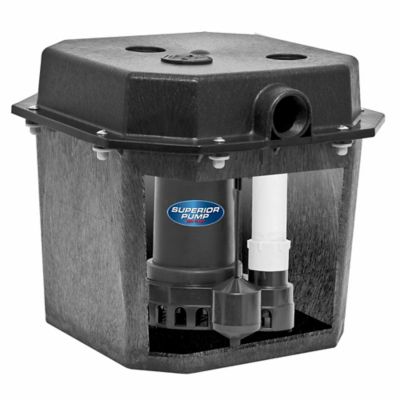
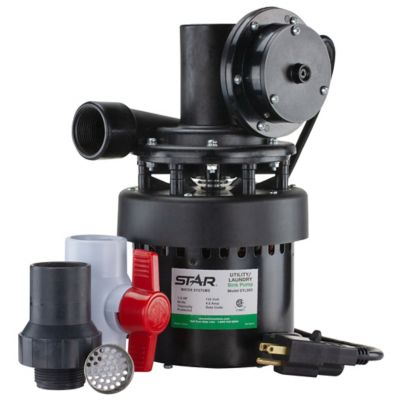
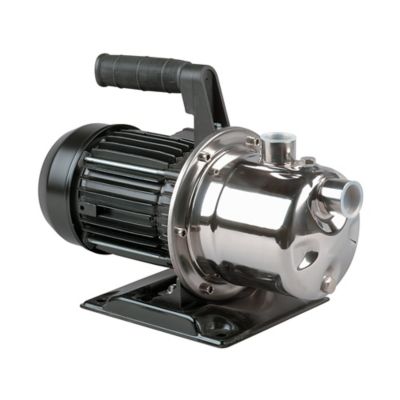
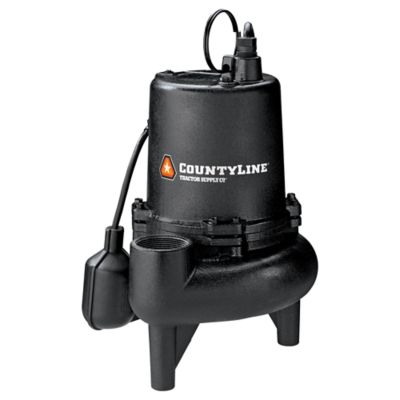
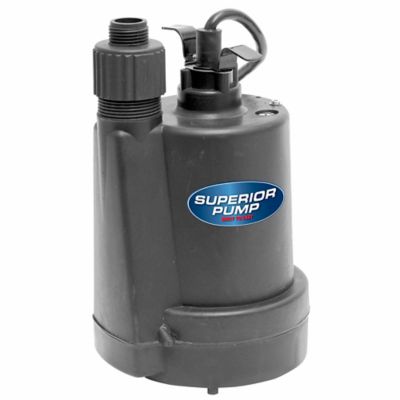
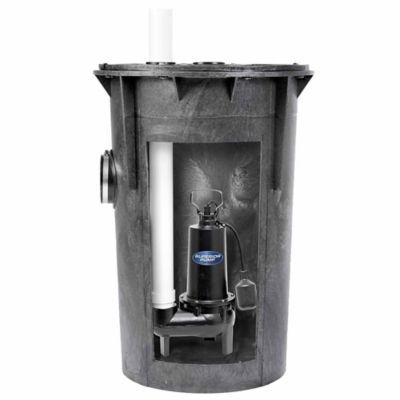
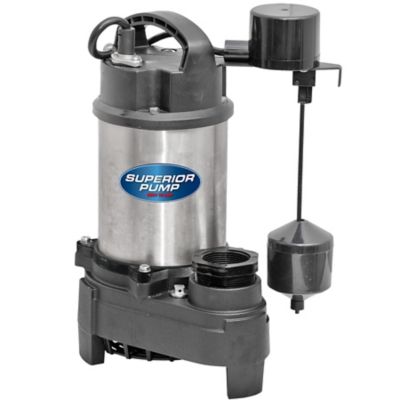
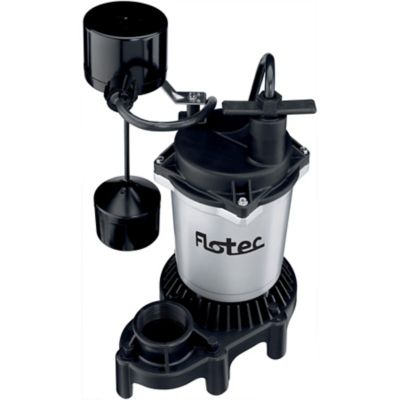
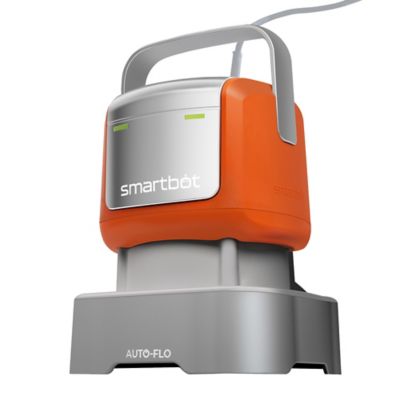
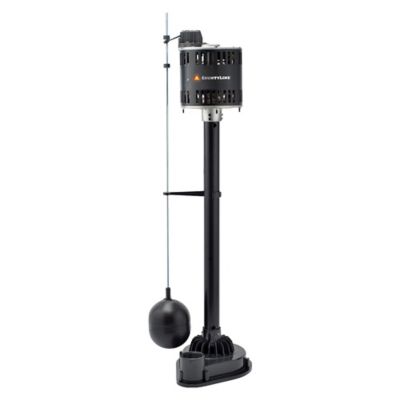
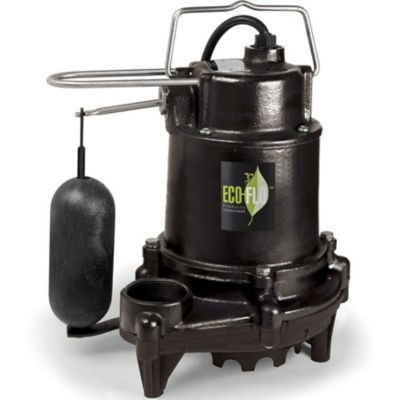
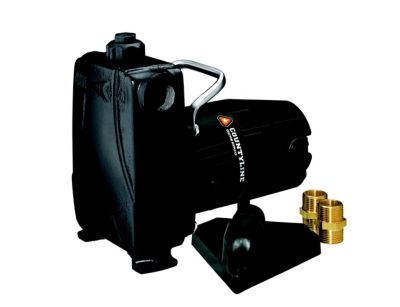
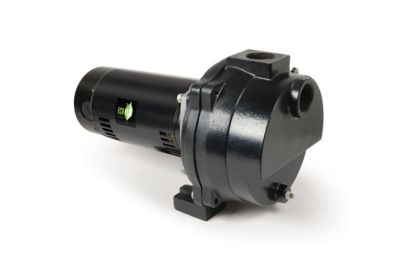
Sink pumps are a practical way to move gray water when a sink, laundry tub or utility basin sits below the main drain line or too far away for a simple gravity-fed connection. Rather than letting wastewater sit in the basin, a sink pump collects it in a compact tank and sends it through a discharge pipe to an approved drain connection. This setup can be useful in a basement workshop, detached garage, barn, mudroom, wet bar, laundry area or other space where adding a traditional drain would mean cutting into concrete or reworking a large section of plumbing. A typical under-sink drain pump system includes a collection basin, an automatic float switch, a motor, a discharge outlet and a check valve. Water flows from the sink into the basin, and as the water level rises, the float activates the pump. The pump then pushes the water upward or across a horizontal run, while the check valve helps keep discharged water from flowing back into the basin. Since these systems are designed for gray water, they are generally intended for water from sinks, showers, laundry tubs and similar fixtures rather than toilets or waste containing heavy solids. Always match the pump to the type of water and fixture being served. A laundry sink used for rinsing muddy boots may place different demands on a system than a lightly used bar sink, and a utility basin in a busy shop may need more capacity than a small hand-washing sink. A properly sized collection basin helps reduce how often the motor cycles, while an automatic float switch makes everyday use simple: turn on the faucet, let the water drain and the pump handles the lift when the level reaches its operating point. For areas that collect water from a floor or low spot rather than from a sink drain, browse
Standing Water Pumps for equipment designed around that kind of water removal job.
When choosing a sink pump, start with the layout of the space and the demands of the fixture. Measure the vertical distance from the pump discharge to the point where the water will enter the drain, then account for the horizontal distance and the number of bends, elbows and fittings in the discharge line. A pump that can move water a short distance across a room may not have enough lifting power for a basement sink located several feet below the main sewer line. Product specifications commonly list maximum head height, flow rate, horsepower, basin capacity and the recommended discharge pipe size. Maximum head height tells you how high the pump can lift water under specified conditions, but actual performance can be affected by long pipe runs, narrow tubing, sharp turns and buildup inside the line. Flow rate gives a better idea of how quickly water can be moved once the pump is running. For a hand-washing sink or small bar, moderate capacity may be enough, while a laundry tub or heavily used cleanup sink can benefit from a larger basin and stronger pumping performance. Check whether the pump is made for continuous or intermittent operation, and look for an automatic switch that is easy to access for inspection. The collection basin should have a secure, watertight cover, and the installation should include the required inlet, discharge and vent connections. Proper venting matters because it allows air to move in and out of the basin and helps prevent pressure problems, slow draining and unpleasant odors. Many installations connect the pump basin vent to an existing plumbing vent, while other arrangements may require an approved route to the exterior, depending on local plumbing rules. A check valve on the discharge side is also important because it helps prevent water in the pipe from draining back into the basin after the motor shuts off. Before buying, confirm the available electrical outlet, cord length, circuit requirements and whether the pump must be connected to a dedicated or ground-fault-protected circuit. Plumbing and electrical work can have safety and code requirements, especially in damp basements, outbuildings and unfinished utility areas, so follow the manufacturer’s installation instructions and local regulations. If the project involves a new drain connection, sealed venting, buried pipe or permanent wiring, a licensed professional can help make sure the finished system is safe and dependable.
Sink pumps are especially handy for homeowners adding function to a space that was never originally plumbed for a drain. Picture a cool basement with a deep utility sink beside the workbench, where muddy gloves can be rinsed before they make it into the house. In a detached garage, a pump can support a cleanup sink for washing paintbrushes, tools or garden equipment, provided the discharged water is handled according to local rules. In a laundry room, it can help move water from a utility tub when the main drain is located higher on the wall. A small sink pump can also make a basement bar, camp-style kitchenette or shop wash station more convenient without requiring a major floor-drain project. These systems may not be the usual choice for a gift, but they can be a thoughtful, practical addition for someone finishing a workshop, building out a homestead, remodeling an older home or setting up a new laundry area. For everyday reliability, keep the basin and float switch free of lint, grease, grit and other debris that could interfere with movement. Do not pour harsh chemicals, paint, fuel, large food scraps or abrasive material down a pump serving a utility sink unless the system is specifically rated for that use. Listen for changes in the motor, watch for slow draining and inspect fittings for moisture or staining. A pump that runs longer than usual, cycles repeatedly or struggles to shut off may need cleaning, a float adjustment or professional attention. During the warmer part of the year, outdoor-adjacent work areas often see more rinsing, washing and muddy cleanup, while cooler months can bring heavier use in enclosed mudrooms, basements and laundry spaces. In either season, protect exposed discharge lines from freezing, secure the piping against movement and leave enough access around the basin for service. With the right capacity, lift rating, venting and installation plan, a sink pump can quietly take care of wastewater in the background and help turn an inconvenient low-drain space into a useful part of the home, shop or farm.