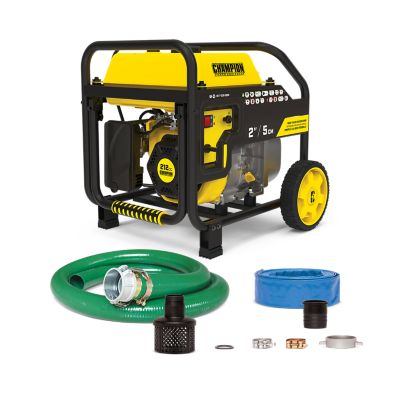
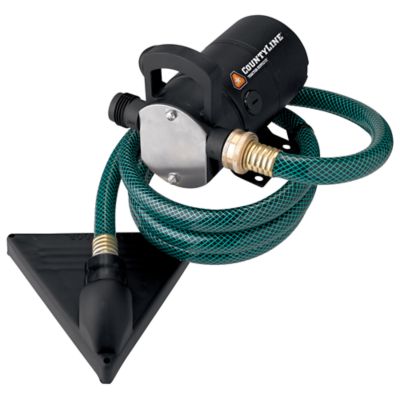
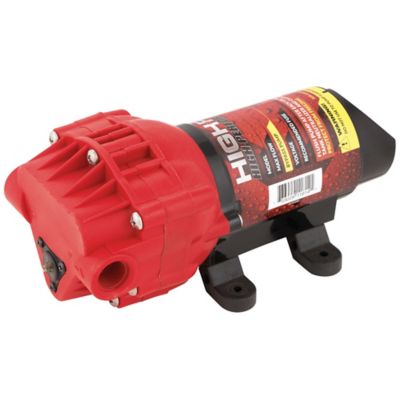
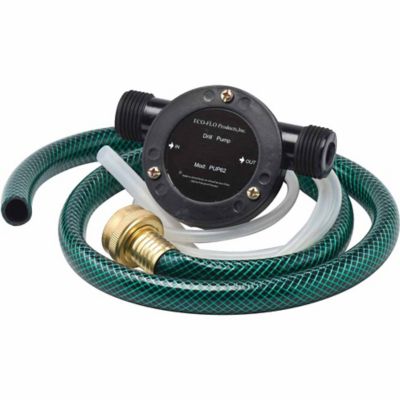
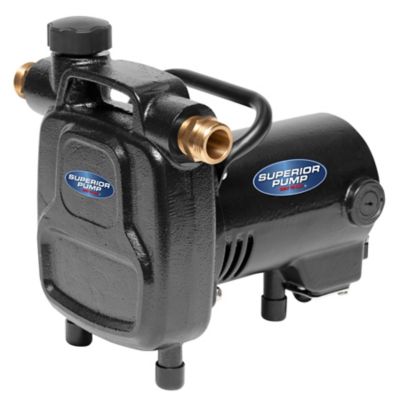
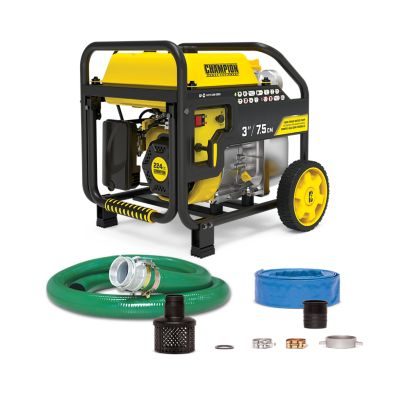
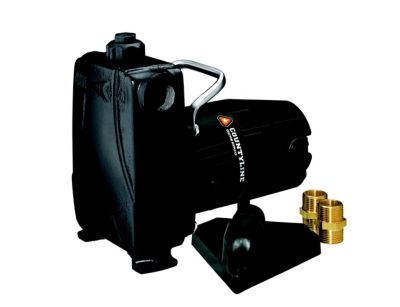
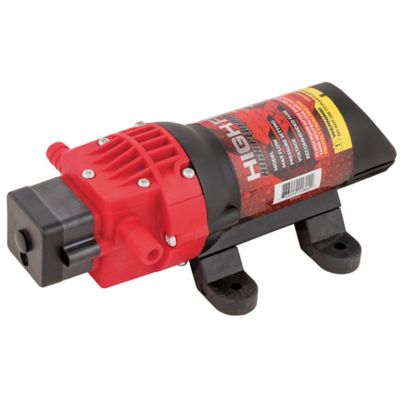
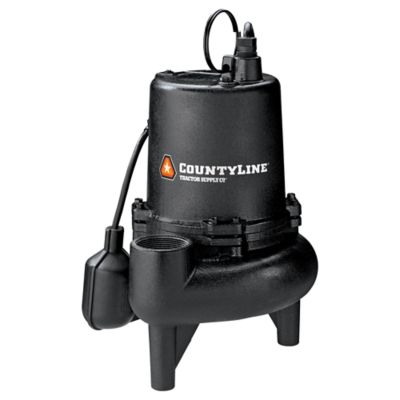
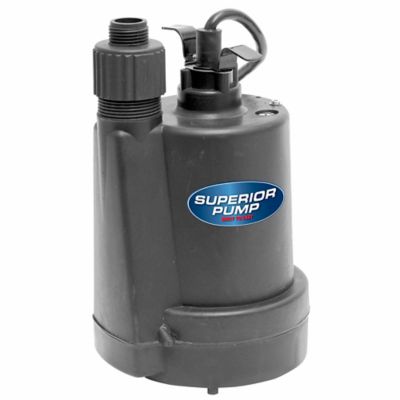
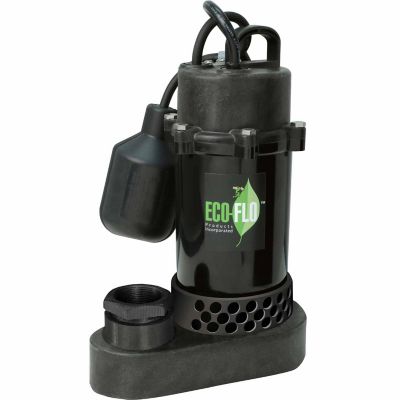
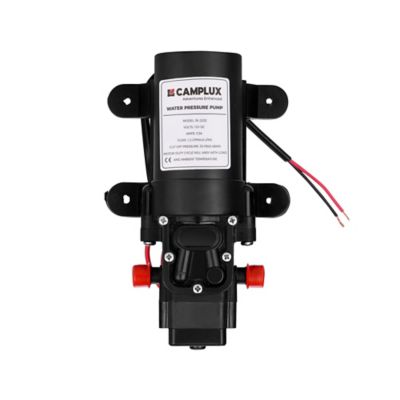
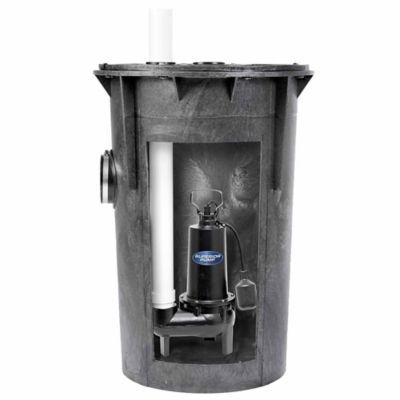
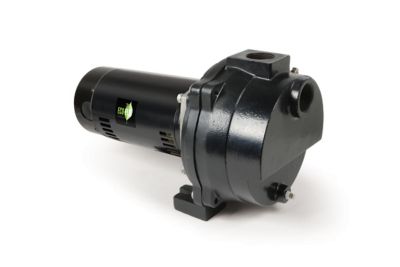
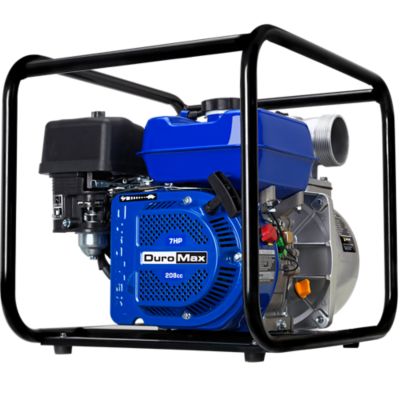
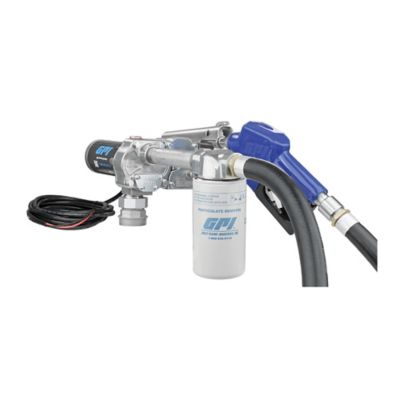
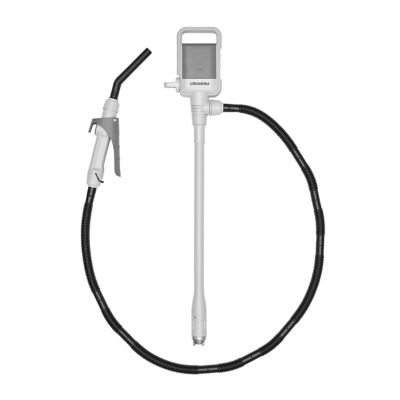
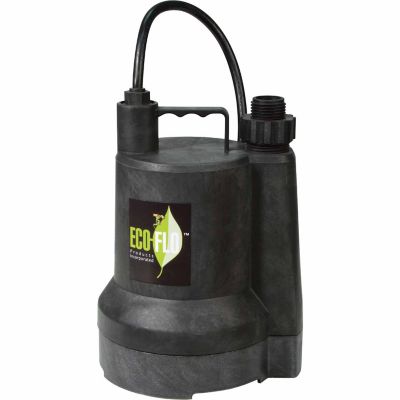
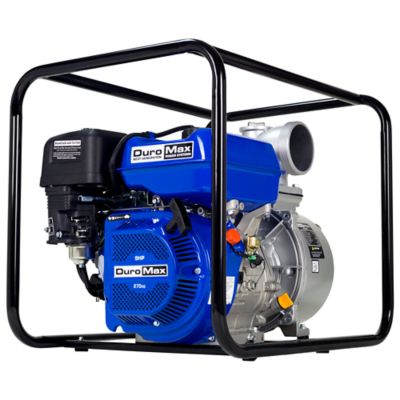
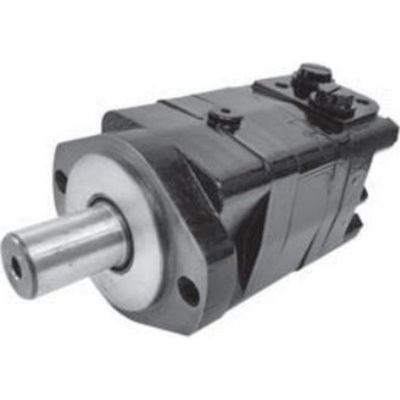
Motor pumps pair a motor with a pumping mechanism to move water or another compatible fluid from one place to another. The motor supplies the turning force, while the pump creates the pressure difference that keeps fluid moving through pipes or hoses. On a farm, around a home, or in a workshop, that combination can support jobs ranging from transferring clean water between tanks to supplying an irrigation line or removing water from a collection basin. Electric motor pumps come in several configurations, and their intended applications matter more than their outward resemblance. A centrifugal pump moves liquid with a rotating impeller and often suits water transfer or circulation. A submersible pump operates within the liquid it is designed to handle, with a sealed motor enclosure suited to that placement. A surface-mounted pump stays outside the water source and draws liquid through an inlet line. Positive-displacement designs move a measured volume with each operating cycle and serve applications that call for their particular flow and pressure characteristics. Pumps intended for air or other gases belong to a different application group and are not interchangeable with water pumps. For property owners, livestock keepers, grounds crews, and maintenance workers, the right arrangement starts with the actual job: where the water sits, where it needs to go, and what it contains along the way. Drawing clean water from a storage tank is a different task from handling basin water carrying grit or plant material. Clean-water pumps generally are not built to pass debris, while solids-handling designs have defined limits for the material they can move. Fluid compatibility also extends beyond visible dirt. Agricultural solutions, oils, and other liquids require pump components expressly rated for that service. A motor pump that matches the source and the destination helps keep everyday chores moving, whether that means feeding a watering system at the barn or transferring water across a worksite without hauling it a bucket at a time.
Performance comes down to more than motor horsepower. Flow rate, commonly expressed in gallons per minute, describes how much liquid a pump moves over time, while head describes the energy imparted to that liquid, often expressed as feet of water. A pump’s listed maximum flow and maximum head represent different operating conditions; they are not normally delivered together. The useful match is the flow the pump can provide at the head required by the whole system. Vertical rise, pipe length, hose diameter, elbows, valves, and the pressure needed at the outlet all affect that requirement. A short transfer between neighboring tanks places different demands on a pump than a line running uphill to a watering area. Even on level ground, a long, narrow hose can restrict delivery enough to change which pump fits the job. For surface pumps, suction lift deserves its own attention because pulling water upward has practical limits, and air leaks in the suction line can interrupt operation. Self-priming does not necessarily mean a pump can start with an empty casing; many designs still require an initial fill as directed by the manufacturer. Submersible configurations avoid the same above-water suction arrangement, though they still need proper placement and sufficient liquid around the intake. For well-water applications,
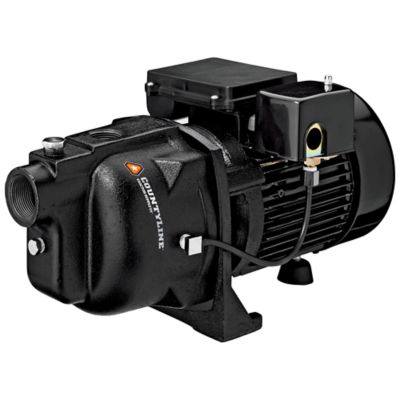
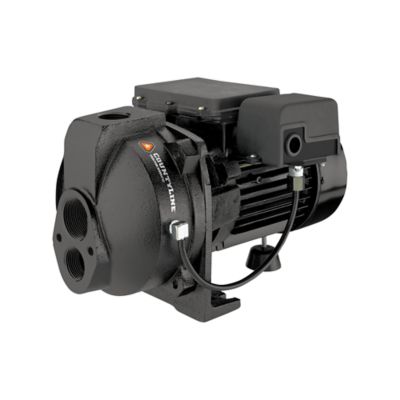
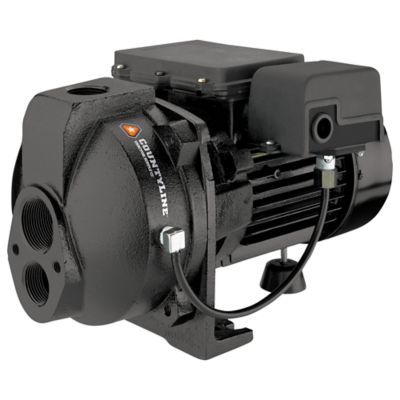
Jet Pumps provide a related option, with shallow-well and deep-well arrangements that depend on well conditions and the installation. Electrical fit is just as important as plumbing fit. Voltage, phase, running current, starting requirements, and circuit protection need to match the power source and the equipment rating. A compact low-voltage pump may suit a compatible mobile water system, while a stationary installation may call for a different electrical connection and control setup. Pressure switches, float controls, and other automatic controls serve different purposes, so compatibility matters throughout the assembly. Horsepower alone cannot settle those questions; the pump curve, electrical nameplate, connection sizes, and operating limits tell a fuller story about how a motor pump belongs in a working system.
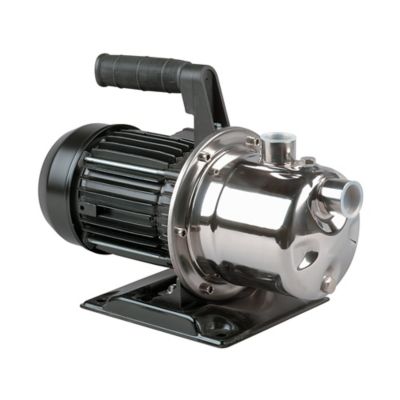
Materials and construction affect how a motor pump stands up to its intended service. Cast iron housings bring heft to many stationary installations, stainless steel components can offer corrosion resistance in suitable conditions, and thermoplastic housings reduce weight while providing compatibility with certain liquids. No single material suits every fluid, and the housing is only part of the picture. Impellers, shafts, seals, gaskets, and other wetted components must also match what passes through the pump. Water meant for drinking requires equipment certified or otherwise approved for that purpose under applicable requirements, rather than an assumption based on a metal or plastic housing. Fit includes the inlet and outlet thread type, pipe diameter, mounting footprint, and clearance for service. A pump tucked beside a tank still needs room for connections and maintenance, and a surface-mounted electric motor needs an enclosure appropriate for its surroundings. Portability brings another set of considerations: carrying handles, overall weight, stable footing, and hose routing can make a difference when equipment moves between work areas. Permanent setups benefit from firm mounting and supported piping that does not strain the pump connections. Care requirements vary by design, but they commonly include inspecting seals and connections, keeping intake screens clear, and checking cords or wiring for damage. Many liquid pumps depend on the pumped fluid for cooling, lubrication, or both, so running dry can harm components unless the pump is expressly designed for that condition. Thermal overload protection can help protect a motor from overheating, but it does not replace proper installation or correct operation. Disconnecting power before servicing and following the manufacturer’s maintenance directions remain important parts of ownership. Access to serviceable seals, replacement impellers, and clearly identified fittings can matter as much over time as the initial performance rating. For a small acreage owner moving water to a holding tank or a maintenance crew keeping a collection pit drained, a well-matched motor pump is practical working equipment. Its value lies in steady fluid movement, a sound fit with the surrounding system, and construction suited to the work it has to do.