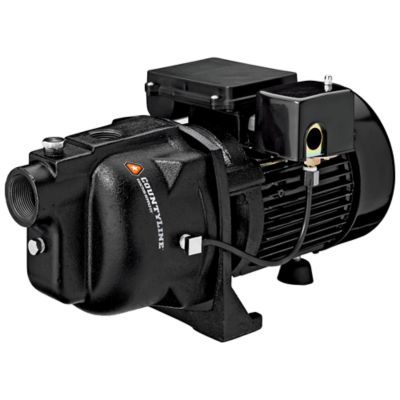
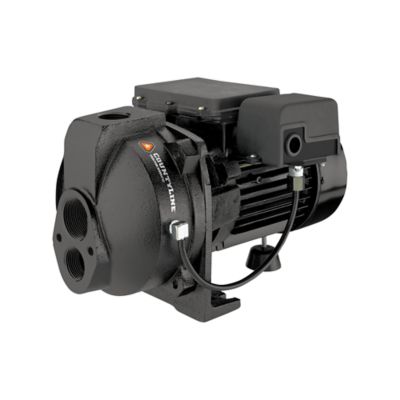
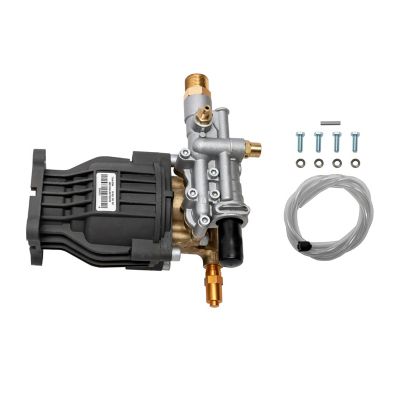
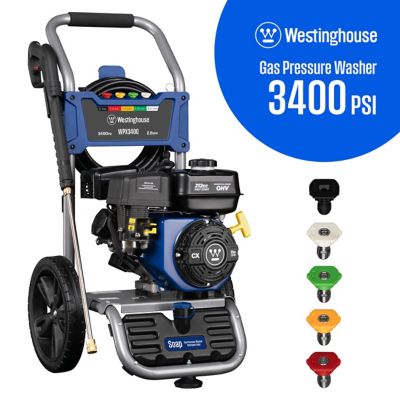
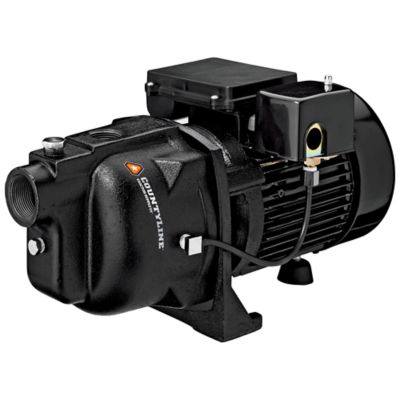
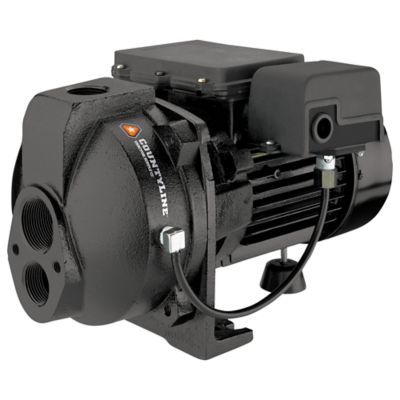
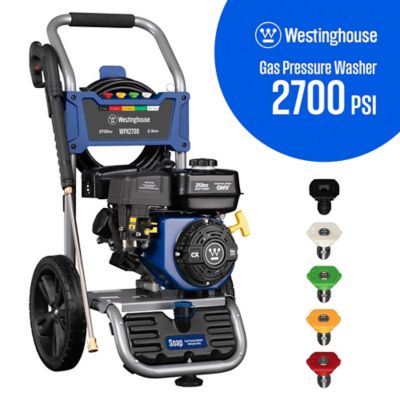
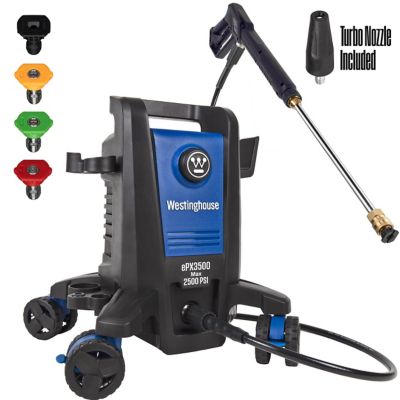
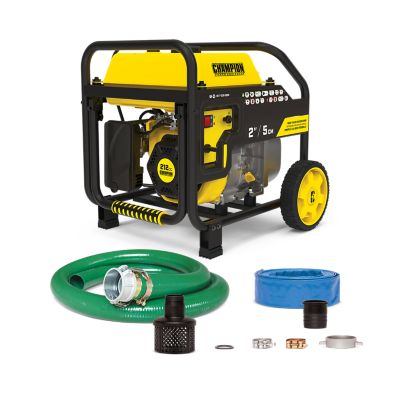
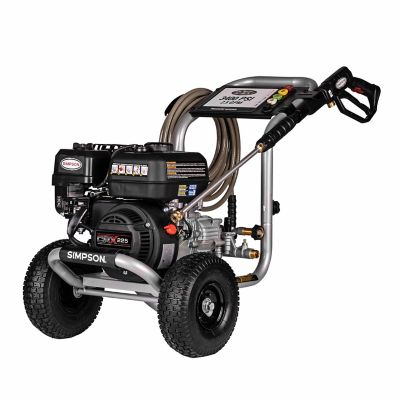
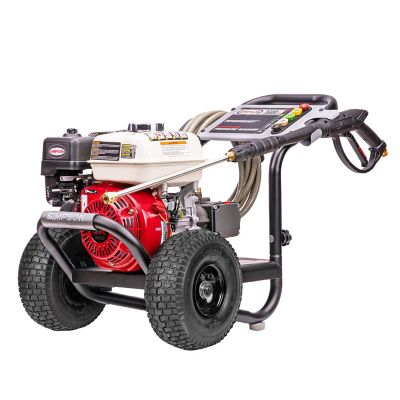
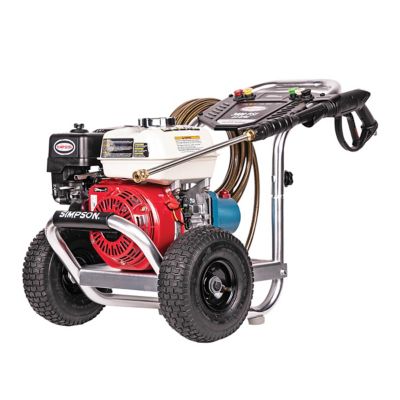
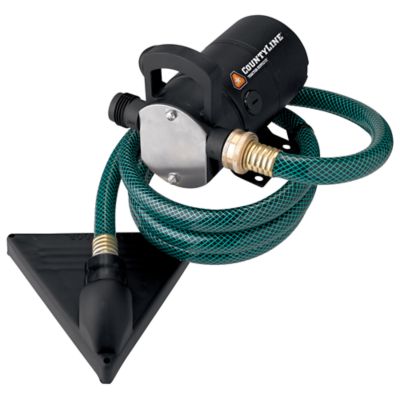
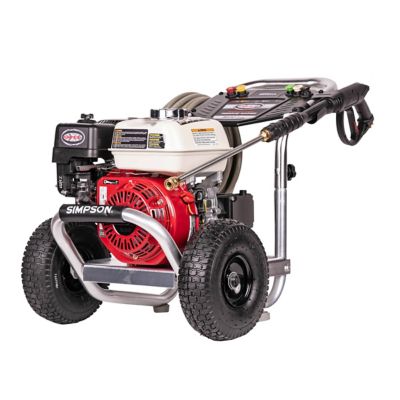
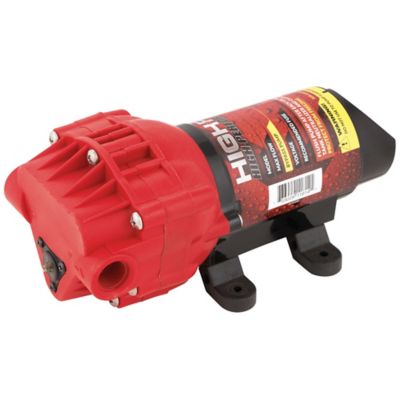
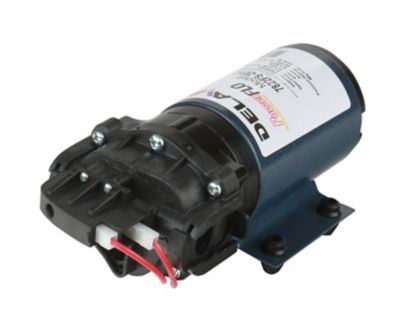
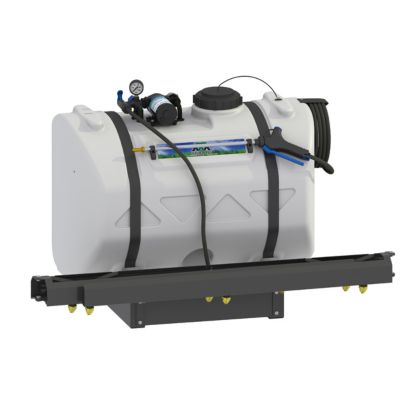
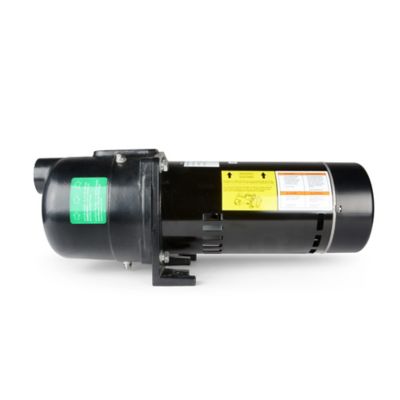
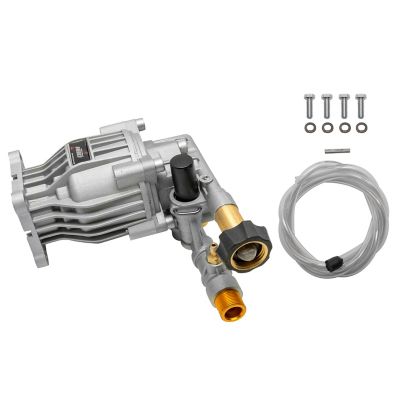
Pressure pumps help move water with more force and steadier flow when a standard supply line, tank, or well system does not quite meet the job. They may be used to boost water pressure at a home, pull water from a storage tank, transfer water across a property, or keep irrigation lines running with dependable flow. In a rural home, a pressure pump can make a noticeable difference when the upstairs shower loses strength, a faucet runs slowly, or several fixtures are being used at once. Around the farm, these pumps can help move water from a cistern, pond, rain barrel, or other approved source to gardens, livestock areas, wash stations, and outbuildings. They are also useful for RVs, cabins, workshops, and seasonal properties where water pressure may vary from one location to another. Some models are made for boosting pressure from an existing supply, while others are designed for transferring water over longer distances or supplying irrigation and water-use equipment. Shallow well systems may combine a pump with a pressure tank for more consistent household service, while high-pressure transfer pumps are suited to moving larger amounts of water or supplying equipment that needs extra force. For homeowners working with a well, the right pump can be part of a complete system that brings water from below ground and sends it through the plumbing at a usable pressure. Take a look at
Jet Pumps when shopping for equipment used with shallow well applications. Pressure pumps can also make a practical gift for a new acreage owner, a family member setting up a hunting cabin, or anyone improving a garden, greenhouse, or remote water system. They are not usually a decorative gift, but they can be the kind of dependable equipment that saves time and makes everyday chores run smoother, especially when a person is hauling hoses, watering beds, filling troughs, or trying to keep a workshop supplied with water.
When comparing pressure pumps, pay close attention to both PSI and GPM because each number tells you something different about how the pump will perform. PSI, or pounds per square inch, describes the force of the water. A higher PSI may be helpful when water needs to travel uphill, pass through a long hose, reach distant irrigation zones, or operate equipment that depends on stronger pressure. GPM, or gallons per minute, describes how much water the pump can move over time. A higher GPM can be important when running more than one sprinkler, filling a tank, supplying several fixtures, or handling a larger transfer job. The best choice is not always the pump with the biggest numbers; the pump should match the water source, pipe size, distance, elevation, and amount of water needed. Check the pump’s maximum pressure and flow ratings, then consider how those ratings change under real working conditions. A pump may deliver less flow as the distance, lift, hose length, or number of fittings increases. Automatic pressure switches are another useful feature, especially for household or cabin systems, because they can start the pump when a faucet or fixture opens and shut it off when the demand stops. A pressure tank can reduce frequent cycling and help provide smoother service. For pumps drawing from tanks, ponds, or other sources, look for features such as a built-in strainer, a sturdy inlet connection, and protection against running dry. Dry-run protection helps stop the motor when the water source is empty, which can help prevent overheating and premature wear. Before purchasing, confirm the pump is rated for the type of water and intended use, and make sure the available electrical supply matches the pump’s requirements. Keep connections tight, protect outdoor equipment from weather when needed, and follow local plumbing, electrical, and well-system requirements. As the weather warms, a properly matched pump can support watering and irrigation; during the cooler months, it can help with indoor water service, workshop chores, and property maintenance. With the right pressure, flow rate, controls, and safeguards, a pressure pump can be a steady workhorse for the house, homestead, garden, or farm.