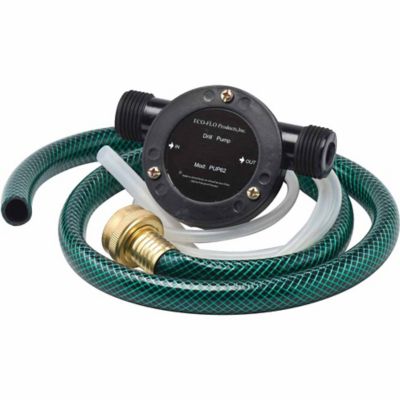
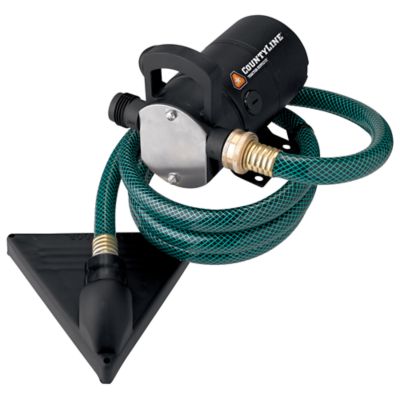
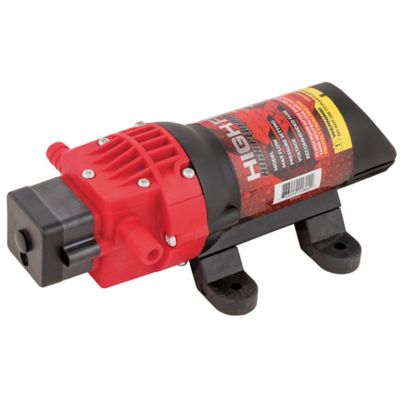
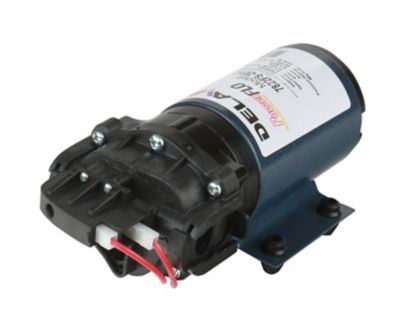
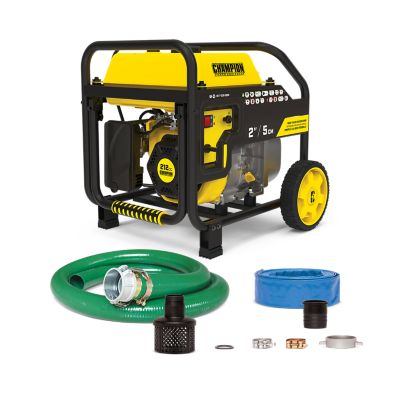
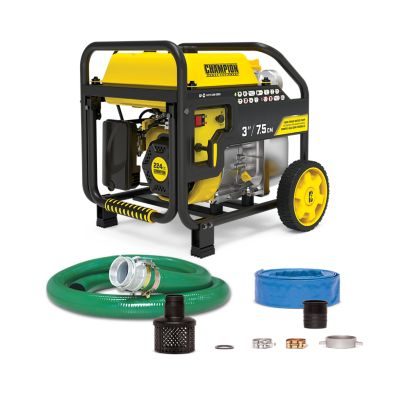
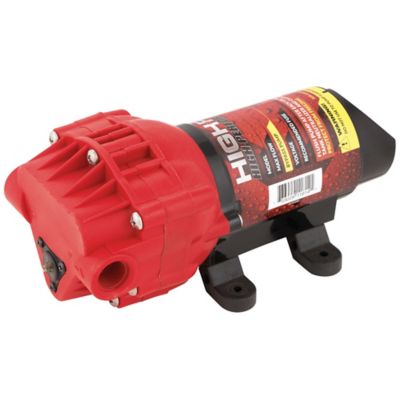
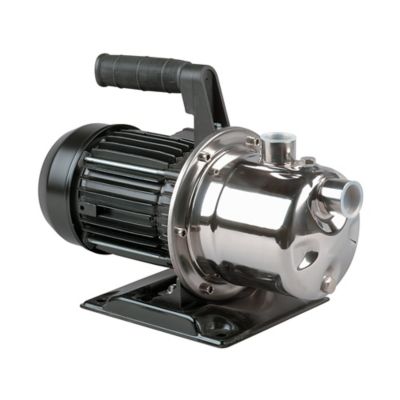
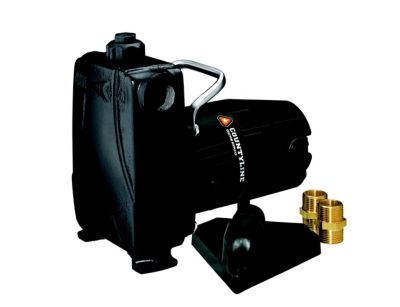
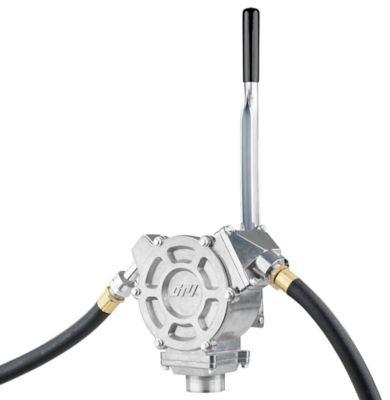
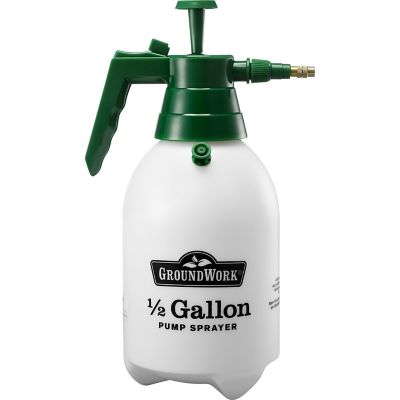
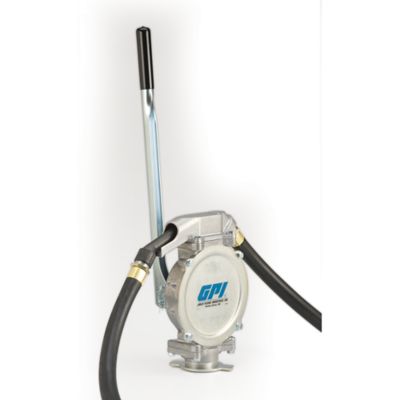
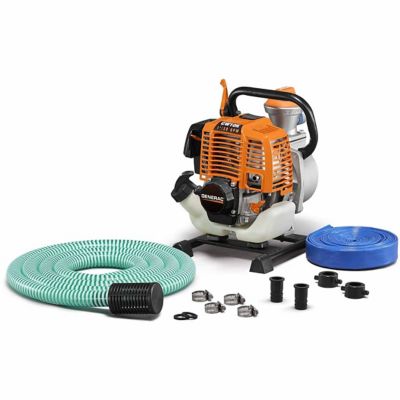
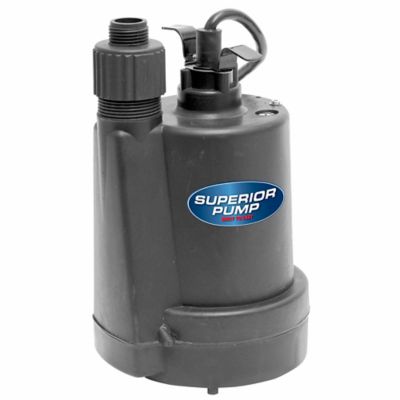
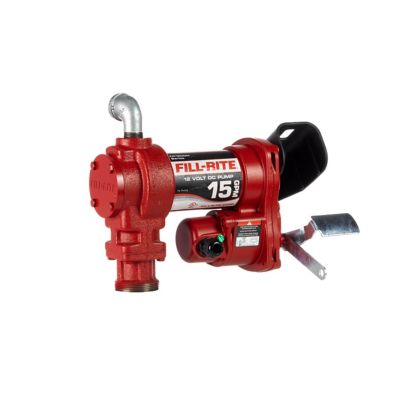
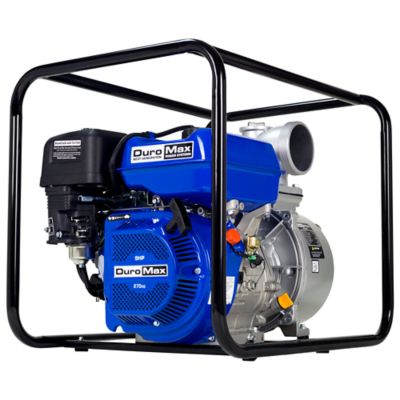
Portable pumps are handy helpers wherever water or other compatible liquids need to be moved without the reach of a permanent system. Around a farm, homestead, workshop or rural property, they can help clear standing water from a low spot, move water between containers, drain a stock tank, fill a sprayer or keep a garden project moving along. They are useful during the warmer part of the year when gardens, livestock areas and outdoor chores need regular watering, and they remain valuable during the cooler months when rain, melting frost and heavy weather can leave water collecting near sheds, driveways, crawl spaces or equipment. A portable pump can also come in handy for campers, boat owners, greenhouse growers, property managers and anyone who keeps a backup plan for wet weather. Before choosing one, think about the kind of liquid it will handle and where the work usually takes place. Clean water, muddy water, water with small bits of debris and other liquids may require different pump designs, so always check the intended use and manufacturer’s instructions. Flow rate matters when a large container needs to be emptied quickly, while a lower flow may be easier to control when filling a watering system or moving liquid into a smaller vessel. Lift height and distance are important, too. A pump that works well beside a shallow tank may not have enough power to move water uphill or across a long stretch of hose. Taking a few minutes to measure the height, distance and container openings involved can save a lot of trial and error once the job is underway.
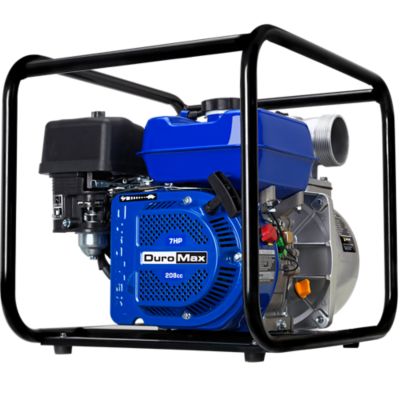
Power is another big part of the decision. Electric pumps can be a good fit near a dependable outlet, while gas-powered equipment may suit larger outdoor jobs where cords are inconvenient. For work around a pasture, garden, hunting camp or remote shed,
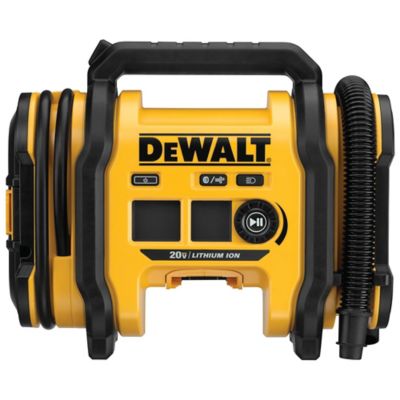
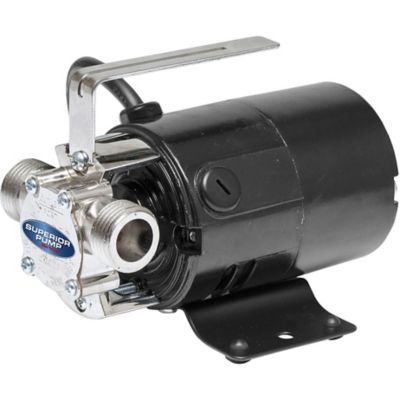
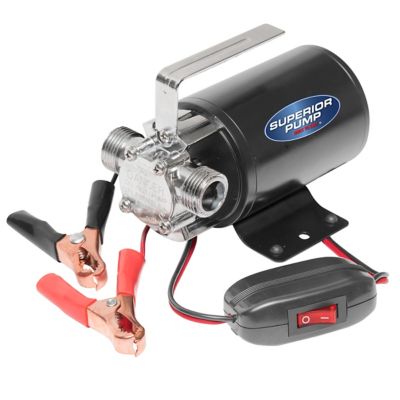
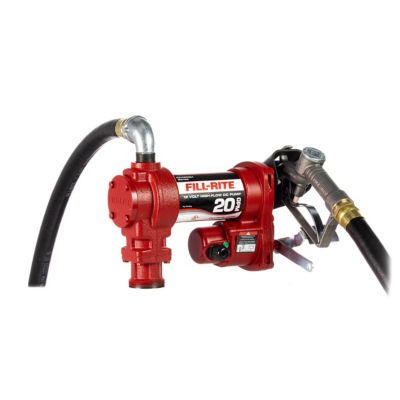
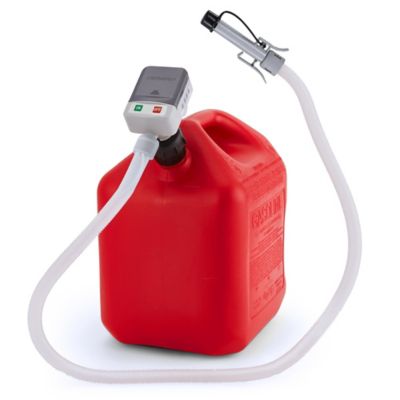
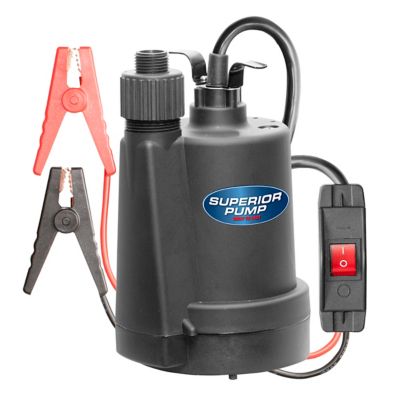
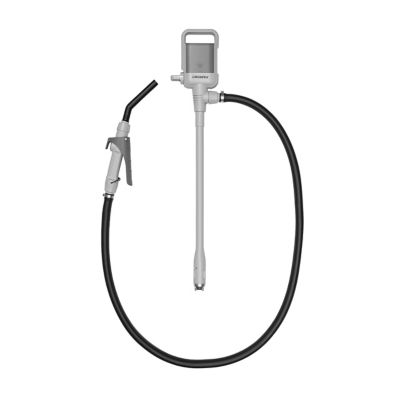
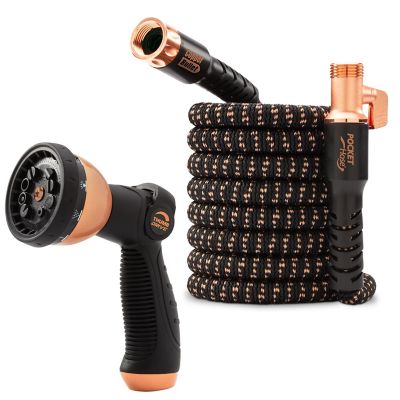
Battery Powered Pumps can offer a convenient option when you need to work away from an outlet without hauling a generator. Consider how long the pump needs to run, whether the battery or fuel supply can cover that time and how easy it will be to recharge or refill between jobs. Portability is not just about overall weight. A sturdy handle, compact shape and simple controls can make a noticeable difference when carrying equipment across gravel, muddy ground or a sloped yard. Look closely at hose connections and included fittings as well. A secure connection helps prevent leaks, while the right hose size keeps the pump working efficiently. Some jobs call for a longer intake hose, a discharge hose with added reach or a strainer to help keep leaves and grit from entering the system. If the pump will be used around livestock, gardens or household areas, choose hoses and materials suited to the liquid being moved and keep all connections clean. For fuel, chemicals or other specialty liquids, use only equipment specifically rated for that application; a general water pump is not a substitute. Clear instructions, an accessible on/off switch and easy cleanup are features worth appreciating when your hands are wet, the ground is slick and the chore needs to be finished before the weather turns.
A portable pump can make a thoughtful gift for someone who enjoys working the land, maintaining a rural property or being prepared for whatever the season brings. It may suit a new homeowner with a large yard, a gardener setting up rain barrels, a farmer managing water around livestock, or a camper who likes dependable gear close at hand. It is also the sort of practical present that often earns its keep long after the wrapping is gone, sitting on a shelf until a rainstorm, clogged drainage area or empty tank creates a job that cannot wait. To get the best service from a pump, inspect hoses, fittings, cords, batteries and fuel lines before each use. Keep intake screens clear, set the pump on a stable surface and avoid running it dry unless the instructions specifically allow it. Watch for unusual vibration, overheating, reduced flow or leaks, and stop the pump before checking a blockage or making an adjustment. When the work is done, flush or clean the unit as directed, let it dry thoroughly and store it where dust, freezing temperatures and curious animals will not cause trouble. Coiling hoses neatly and keeping the fittings together can turn the next muddy chore into a much simpler one. Whether it is helping move water across a garden, drain a low corner of the yard or handle routine maintenance around a barn, the right portable pump brings a little more control and a lot less backbreaking work to everyday property care.