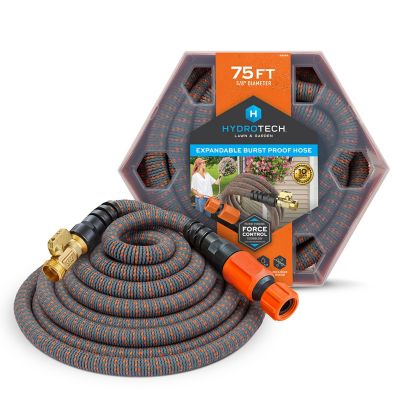
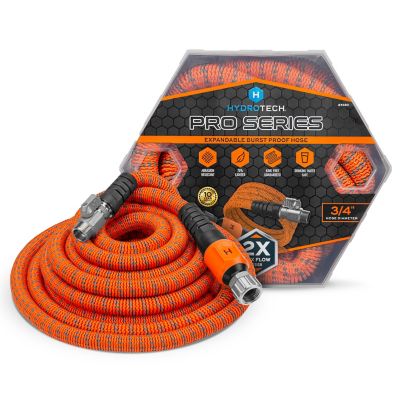
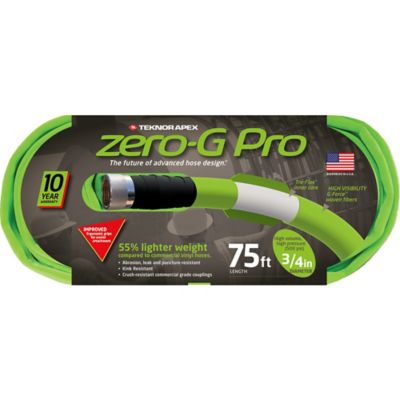
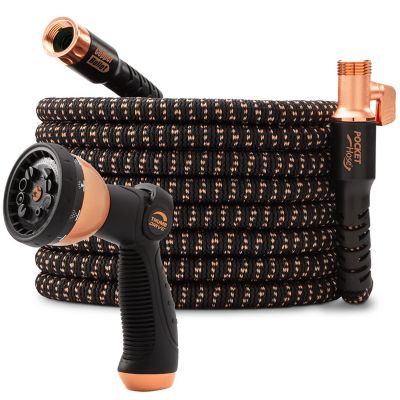
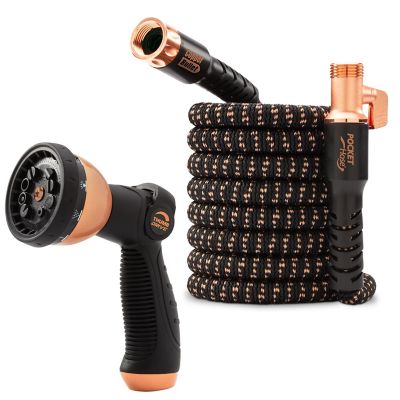
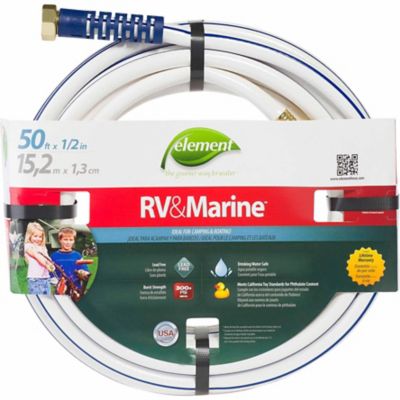
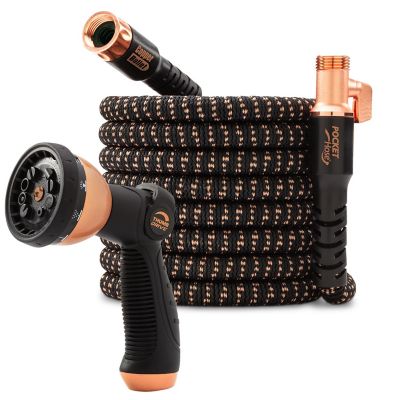
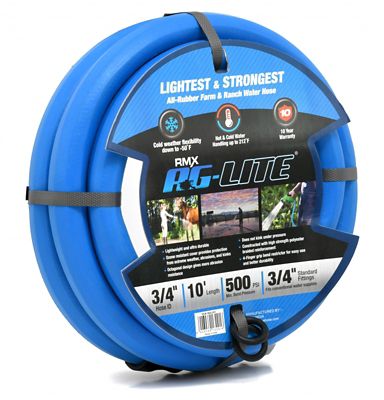
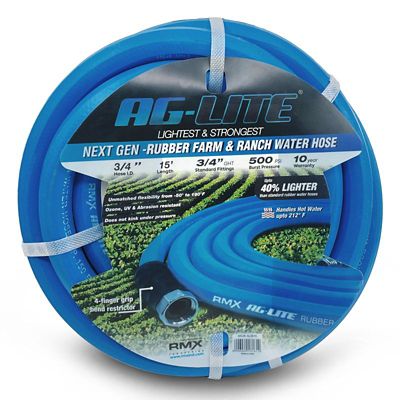
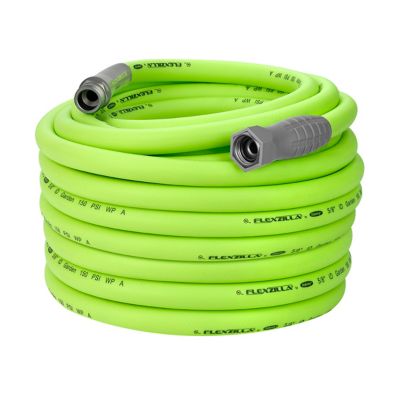
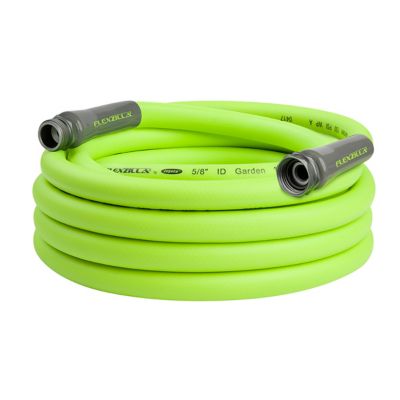
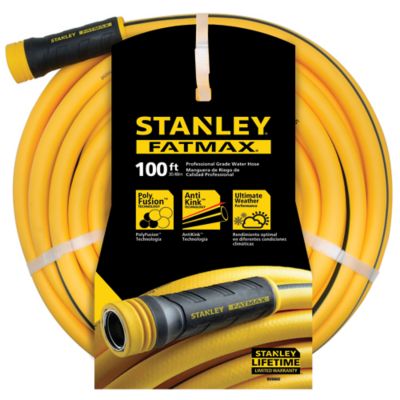
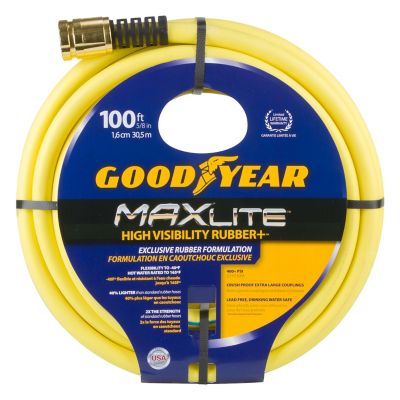
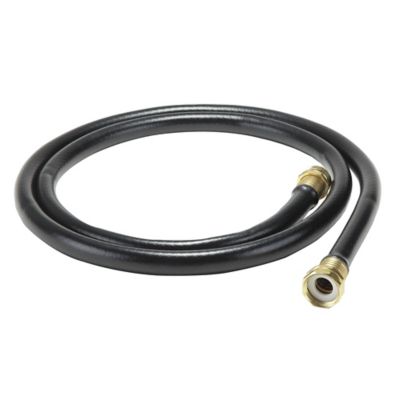
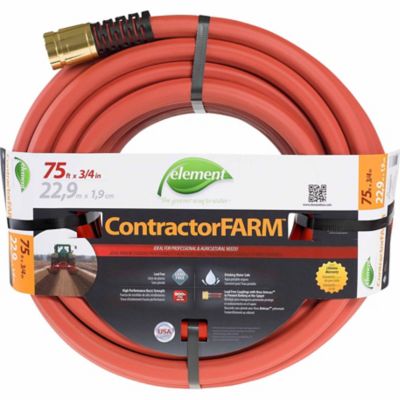
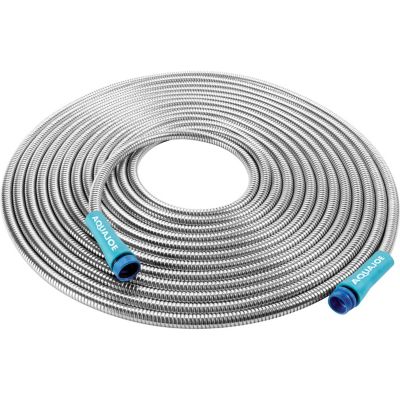
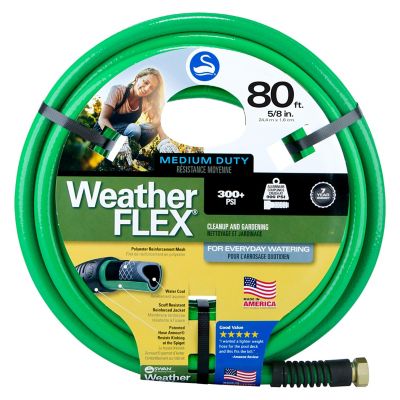
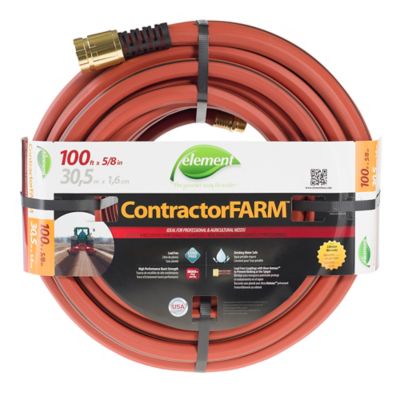
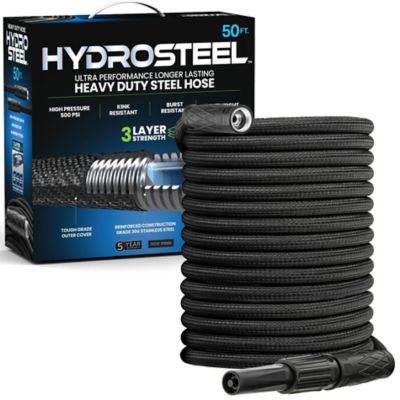
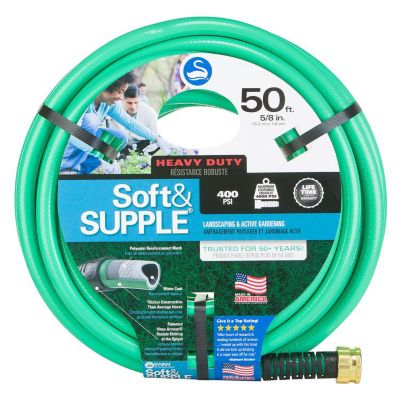
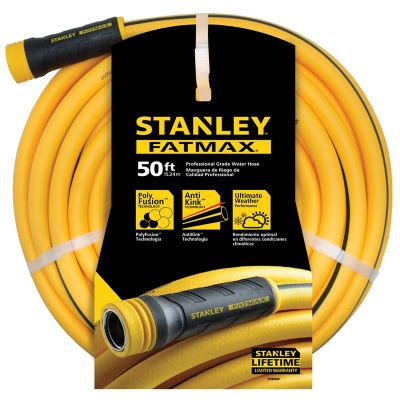
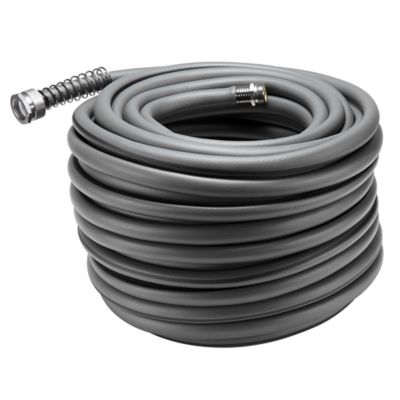
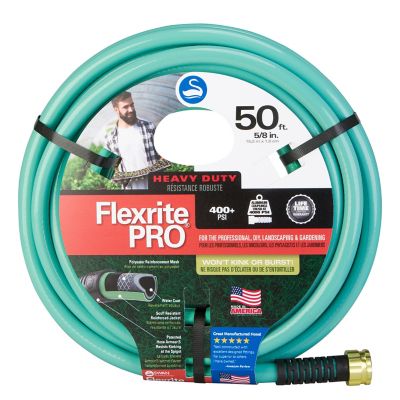
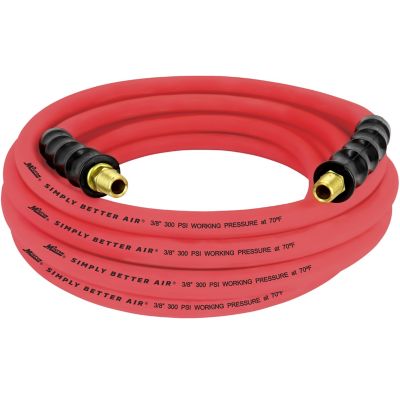
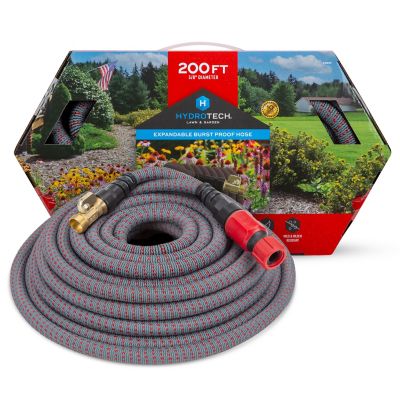
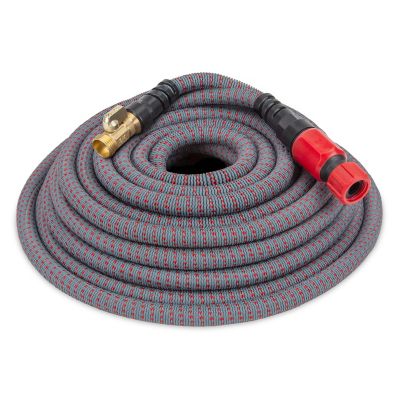
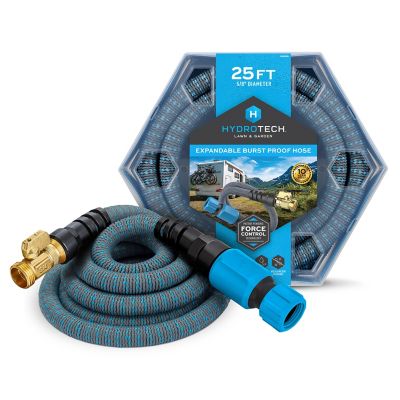
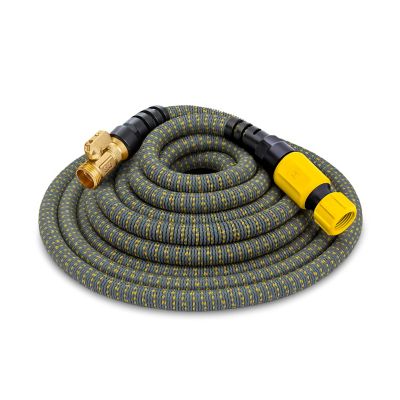
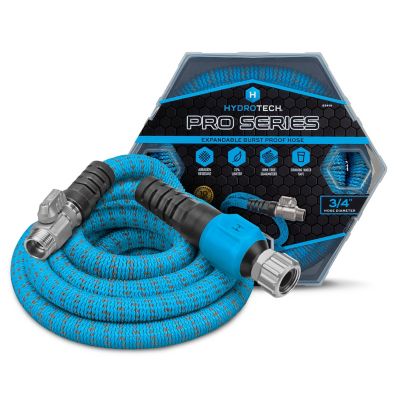
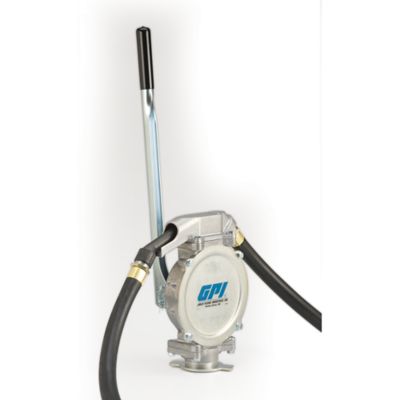
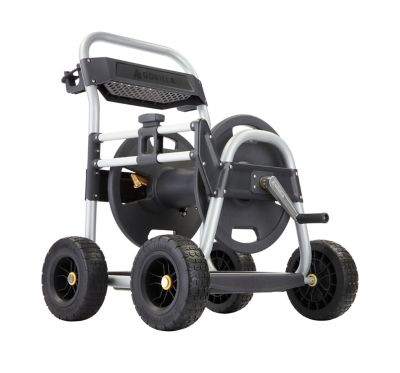
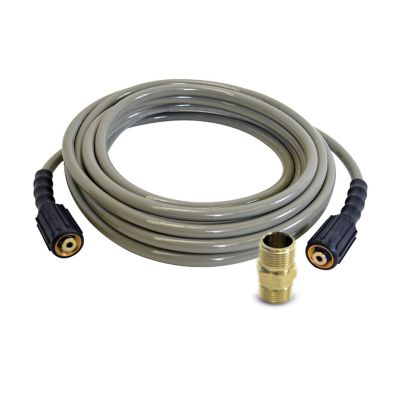
Portable hoses make everyday watering, rinsing, and cleanup easier when a full-size garden hose feels like more gear than the job calls for. Built with lightweight materials and flexible designs, they’re handy for small yards, patios, porches, raised beds, balconies, RV sites, workshops, and farm chores that take place away from a permanent spigot. Some portable hoses expand when water flows through them and shrink for storage afterward, while coiled styles stretch out during use and spring back when the work is done. Other options are paired with a compact reel or carry-friendly frame, making it easier to move the hose from one side of the property to another. This kind of hose can be a real help when you’re rinsing muddy boots by the barn, washing off a trailer, watering potted herbs, or filling a stock tank without dragging a heavy line across the yard. Lightweight construction is especially useful for anyone who has trouble lifting a traditional rubber hose, including older gardeners, new homeowners, and folks who prefer to keep outdoor chores simple. Portable hoses also make thoughtful gifts for a gardener, camper, RV owner, first-time homeowner, or anyone who spends plenty of time caring for a homeplace. A hose that stores neatly in a small bin or cabinet can be just the thing for a porch, apartment patio, hunting camp, or weekend property where storage space is limited.
Before choosing among portable hoses, consider where the hose will be used and how far it needs to reach. A shorter length can be a smart fit for a balcony, compact garden, RV hookup, or wash station close to the spigot, while a longer hose provides more room to work around a barn, driveway, garden rows, or larger lawn. Keep in mind that an expandable or coiled hose may have a different usable reach than a standard hose, so check the listed length and allow a little extra room for connecting it without pulling tight. The hose material matters, too. Lightweight polymer, fabric, and latex-core designs are easy to carry, but a reinforced outer jacket may offer added protection against scuffs, rough ground, and everyday dragging. Kink resistance is another important detail. A hose that pinches can interrupt water flow right when you’re trying to rinse a horse trailer or reach the far side of a flower bed. Look for secure connectors and fittings that match the spigot, nozzle, sprinkler, pressure washer, or other watering tools you plan to use. Brass or sturdy metal fittings may stand up well to frequent connection and removal, while large, easy-to-grip ends can be more comfortable when hands are wet or muddy. Water pressure can vary by home, campsite, or outbuilding, so follow the care and pressure recommendations for the hose. A portable hose is not always meant for every high-pressure application, and using the right attachment helps protect both the hose and the job at hand. If you like the convenience of a hose that winds away with less hands-on effort, an
Automatic Hose Reels option may also be worth exploring for a frequently used watering station.
Good storage goes a long way toward keeping a portable hose ready for the next chore. After use, shut off the water and let the line drain before coiling, retracting, or placing it away. This is especially important during the cooler months, when water left inside can freeze and expand. Store the hose out of sharp corners, direct sunlight, and heavy equipment that could pinch the line or damage its outer covering. On a farm or acreage, a small hook, tote, or shelf near the usual water source can keep the hose from being left in the drive where tires, hooves, or equipment might catch it. At home, a compact hose can tuck beside a potting bench, behind a shed, or in a utility area without taking up the space needed for a bulky reel. Use a gentle spray setting for young plants and containers, and choose a stronger stream for rinsing mud from tools, outdoor furniture, or truck beds. A portable hose can also be useful for bathing a dog outdoors, flushing dust from a screened porch, topping off a garden pond, or handling cleanup at a campsite, as long as the water source and local rules allow it. During changing weather, its easy-carry design makes it practical to move the hose between sheltered and outdoor areas rather than leaving it exposed. The best choice comes down to a comfortable balance of reach, weight, flexibility, fittings, storage size, and the kind of work you do most often. With the right length and a little routine care, portable hoses can save time, reduce clutter, and make small outdoor jobs feel a whole lot more manageable.