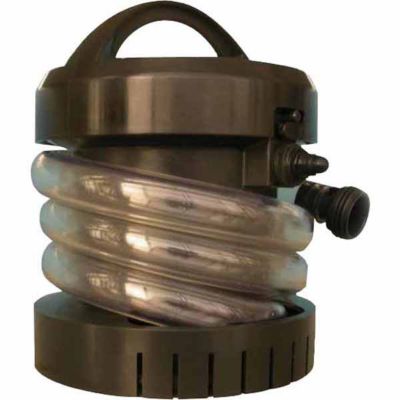
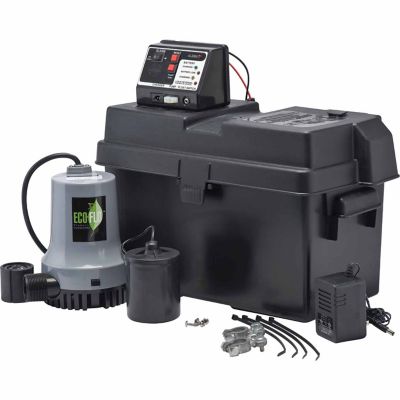
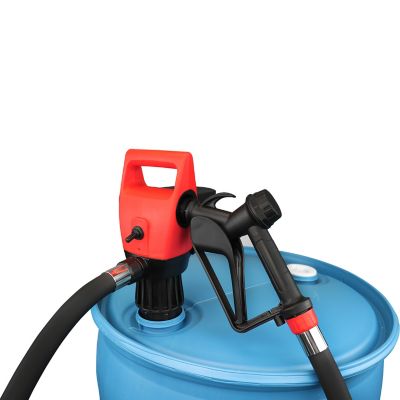
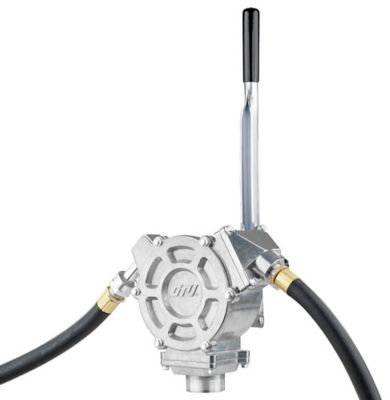
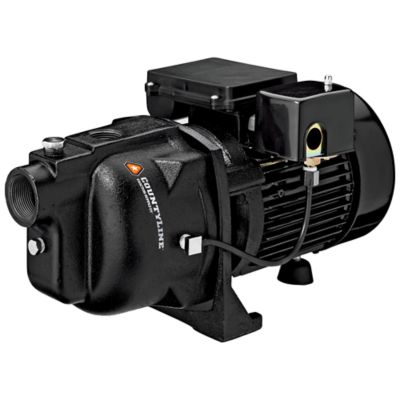
Battery-powered pumps move water, fuel, and other compatible liquids without needing a nearby wall outlet, making them handy around barns, equipment sheds, acreage, and job sites. Each pump is rated for particular liquids and tasks, so a water pump and a fuel transfer pump are not interchangeable. Depending on the design, power may come from replaceable batteries, a rechargeable pack, or a connection to a suitable vehicle battery. That flexibility helps with chores away from a building, whether the job involves transferring water between containers or fueling equipment where it sits. The right match depends on what needs moving, how much liquid there is, and where it needs to go. Transfer pumps generally draw liquid through an inlet or intake tube and send it through an outlet, while submersible water pumps operate in the water within their specified limits. Some designs suit clear water; others can handle small debris within a stated particle-size rating. Flow rate, commonly listed in gallons per minute or gallons per hour, gives a starting point for comparing capacity. Actual output depends on the height the liquid must rise, hose length, hose diameter, and restrictions along the route. A short transfer between two containers puts different demands on a pump than sending water uphill through a long hose. Maximum lift and maximum flow are separate performance limits, not promises that both happen at once. For a small tank, manageable flow can matter more than speed, especially when the receiving opening is narrow. For a larger water-moving chore, greater capacity may shorten the job, provided the battery and operating limits support it. Farmers, acreage owners, equipment operators, and folks keeping a busy shop running all have reasons to keep a properly matched portable pump close at hand. A carrying handle, steady base, and reachable controls can make a real difference when the work happens beside a tractor instead of at a workbench.
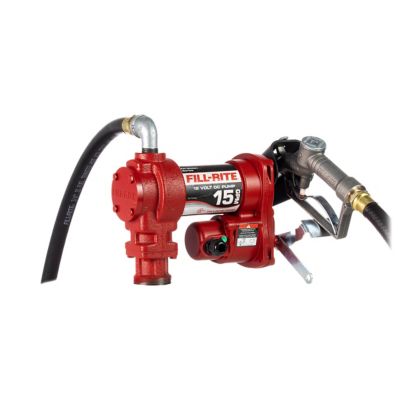
The liquid itself is the biggest consideration when choosing battery-powered pumps. Water, diesel, gasoline, oils, and agricultural solutions place different demands on housings, seals, hoses, and electrical components. A pump approved for diesel does not automatically belong around gasoline, and a general-purpose water pump should never handle flammable liquids. For equipment-fueling chores,
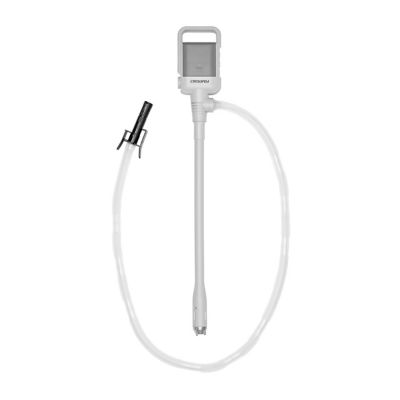
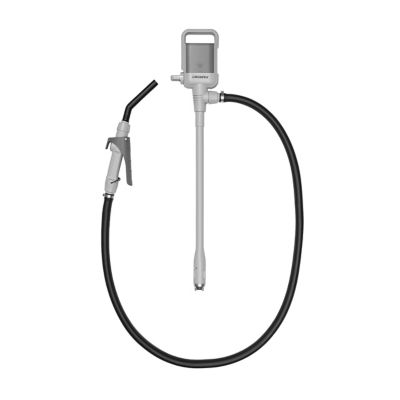
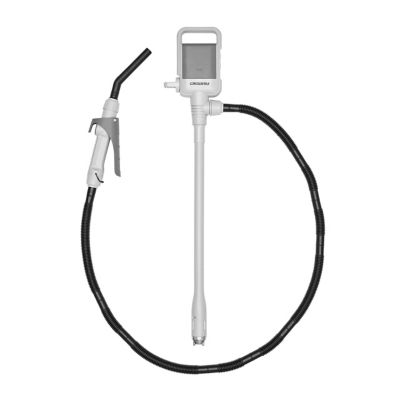
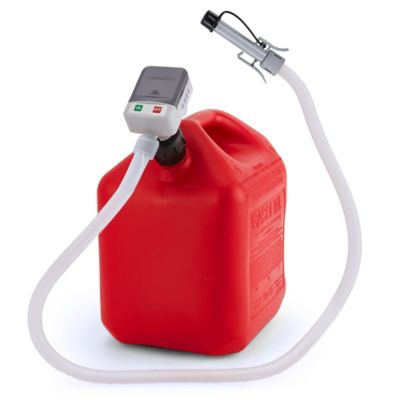
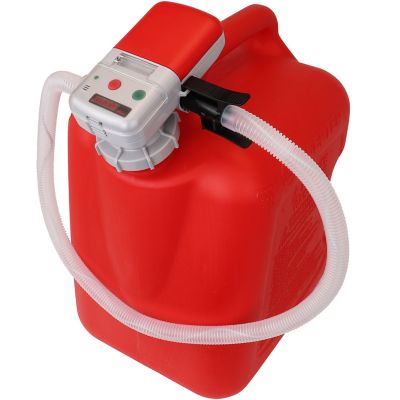
Battery Operated Fuel Transfer Pumps offer a more focused category to browse, with attention to the exact fuel types and transfer arrangements stated by the manufacturer. Compatibility can depend on fuel blend as well as the base fuel, so the full rating matters. Fuel handling also calls for approved containers, ventilation, control of ignition sources, and any bonding or grounding measures required by the equipment instructions. An automatic shutoff feature, where specified, is not a substitute for staying with the transfer. Water work has its own distinctions. Moving clear water from a storage barrel is different from removing water containing grit, leaves, or sediment. An intake strainer can help keep larger material out, but it does not turn a clear-water pump into a solids-handling pump. Drinking-water applications require a pump, hoses, and fittings specifically suitable for that service, with equipment kept separate from fuel or chemical work. Materials such as polypropylene, stainless steel, and aluminum appear across pump designs, but the complete assembly matters more than the housing alone. Internal seals, tubing, connectors, and coatings all need to suit the liquid. Around a shop or barn, a housing that resists bumps and a protected battery connection can help with everyday handling. For a narrow container opening, the intake tube’s diameter and reach may determine whether a pump fits at all. For water removal, the intake position affects how much remains behind. These practical details help separate a pump that merely reaches the job from one that fits the space, liquid, and routine.
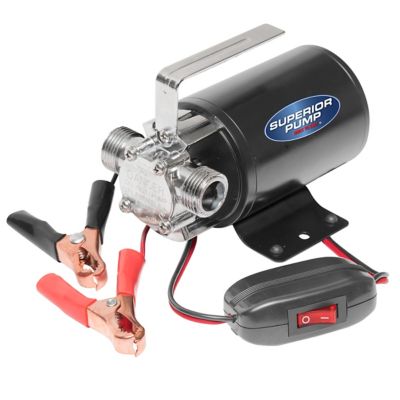
Battery fit and everyday upkeep round out the choice. A rechargeable pump may share a battery platform with other equipment, but only packs specifically approved for that pump belong on it. Voltage, connection style, and electrical requirements must match; a battery that looks close is not enough. Amp-hour capacity can help compare compatible packs, though operating time also depends on the pump’s workload, lift, and operating conditions. For longer chores, a compatible spare battery can keep work moving while another charges. Pumps powered through battery leads need the correct supply voltage, secure connections, and the protection specified in their instructions. Hose connections deserve just as much attention. Thread size, hose diameter, intake length, and discharge reach affect both fit and performance, while loose fittings or air leaks on the suction side can interrupt flow. Self-priming designs still have stated limits, and pumps that require priming need that preparation before operation. Dry-running protection and automatic controls can be helpful features, but their presence and function vary by design. Care generally centers on keeping the intake clear, checking hoses and seals for cracks or leaks, and cleaning the pump as directed for the liquid it handles. Power should be disconnected before clearing a blockage or servicing the equipment, with any trapped pressure addressed according to the instructions. Fuel pumps and water pumps call for different cleaning procedures, so flushing methods should never be assumed to carry over from one to the other. Proper storage includes protecting connections, securing loose hoses, and following battery charging and storage directions. A compact pump can earn its place beside the other gear that keeps a property running, especially when its fittings, battery setup, and liquid rating match regular chores. It can also make a practical gift for an equipment owner or someone tending acreage, provided those requirements are known beforehand. Whether the task is filling a container beside the barn or moving water across a work area, the best fit comes down to suitable materials, enough pumping capacity, and a setup that is straightforward to carry, connect, and maintain.