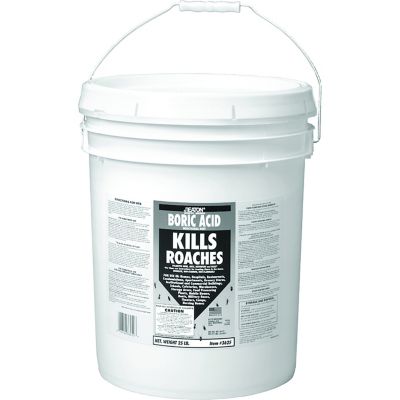
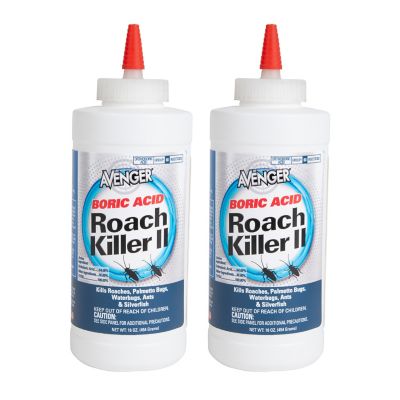
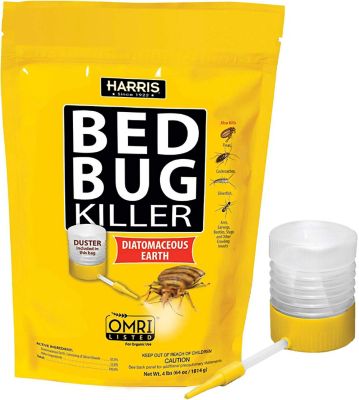
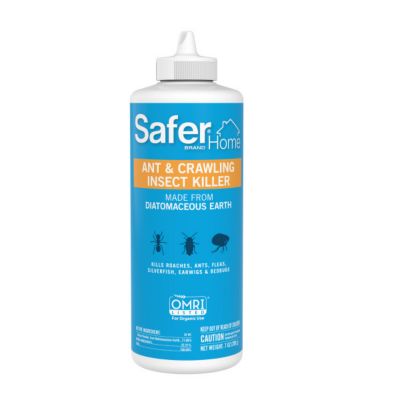
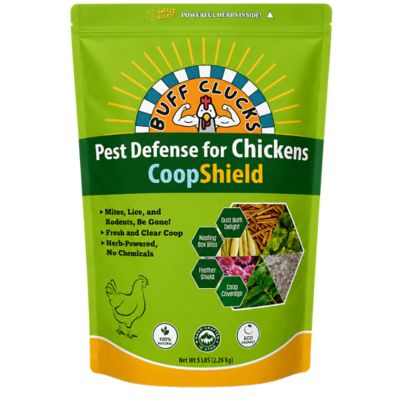
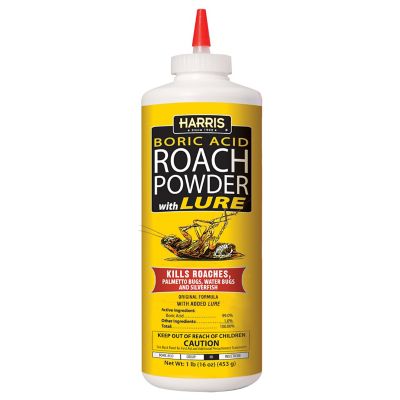
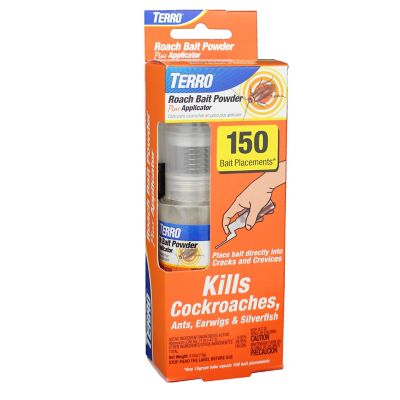
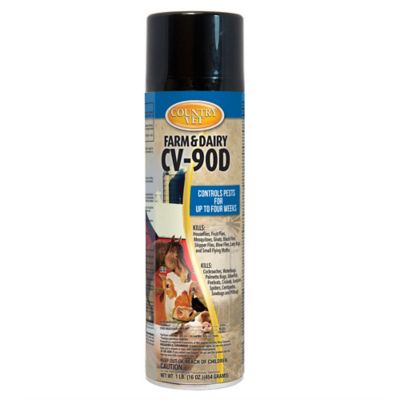
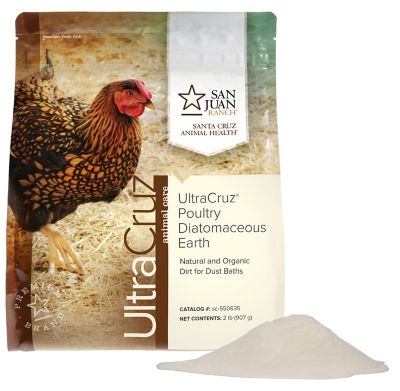
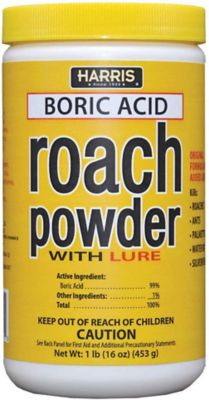
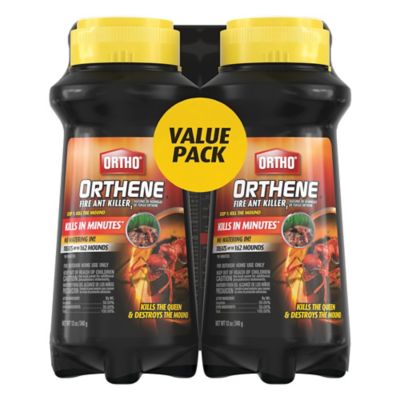
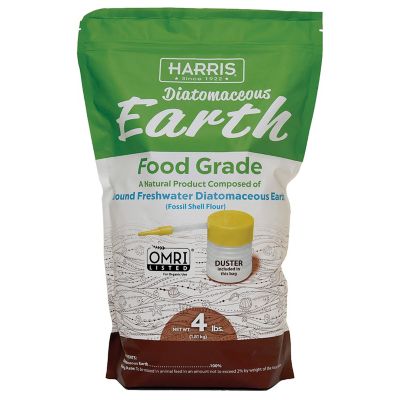
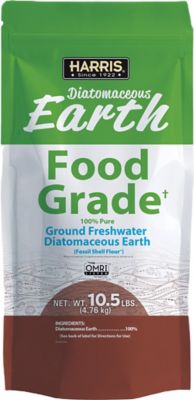
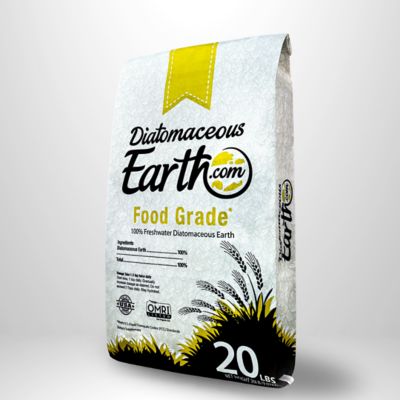
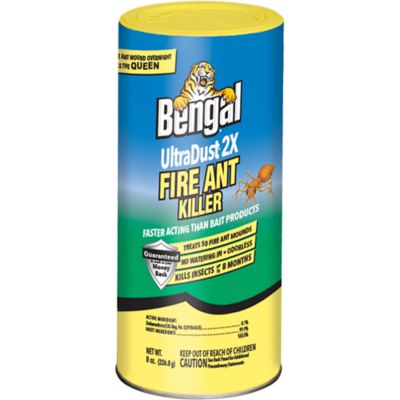
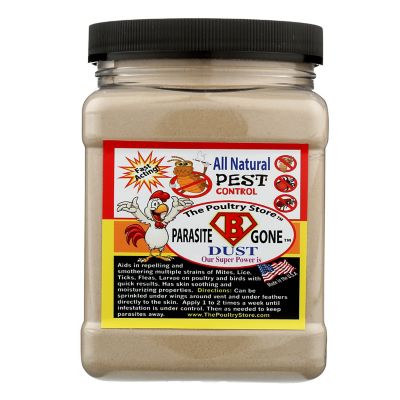
Pest control powder can be a handy part of a well-rounded plan for dealing with crawling insects around the home, barn, garage, shop, garden shed, and other hard-to-reach places. These fine dusts are commonly used against ants, cockroaches, silverfish, earwigs, fleas, bed bugs, and other pests that travel along floors, wall edges, cracks, and protected spaces. Some powders are made with diatomaceous earth, a naturally occurring mineral formed from fossilized algae. When dry diatomaceous earth contacts an insect, its fine particles can damage the pest’s waxy outer coating, which leads to dehydration. Other dusts, including boric acid-based formulas and labeled insecticide dusts, work in different ways, such as disrupting digestion or affecting an insect’s nervous system. Because every active ingredient has its own directions and limits, read the label from start to finish before use and choose a product labeled for the pest, location, and type of application you have in mind. A powder used around a chicken coop, for example, may have different instructions than one intended for indoor cracks and crevices. Take note of whether the formula is approved for use near food areas, livestock housing, gardens, carpets, mattresses, or animal bedding. Keep children, pets, poultry, and livestock away from treated areas as directed, and never apply a product to an animal unless the label specifically says it is made for that purpose. For pest problems that call for a liquid treatment or a different application style, you can also browse
Pest Control Sprays to compare other options.
The best results with pest control powder usually come from careful placement rather than spreading a heavy layer across every surface. Insects tend to avoid thick piles, while a light, barely visible coating can stay in the paths they already use. A hand duster, bulb duster, or bellows duster can help place a small amount into cracks, crevices, wall voids, under appliances, behind cabinets, around pipe openings, along baseboards, and beneath equipment. In a barn or outbuilding, pay attention to sheltered corners, gaps around doors, feed-room edges, and spots where insects hide during the cooler months. Outdoor applications may be useful around foundations, sheds, fence lines, trash areas, and other locations listed on the label, but dust should not be allowed to drift onto ponds, streams, wells, pollinator plants, animal feed, or areas where pets and children play unless the instructions specifically permit it. Keep in mind that most powders work best when they stay dry. Rain, irrigation, washing, condensation, and high humidity can reduce their effectiveness or move the dust away from the intended area. Reapply only as directed instead of adding more each day. Before treatment, simple cleanup can make a noticeable difference: wipe up food spills, store grain and pet food in sealed containers, repair torn screens, reduce clutter, fix leaks, and seal obvious entry points. A powder can reach the hidden places a broom cannot, but it works better when competing food, water, and shelter are limited. During warmer weather, pests may be active around doors, patios, gardens, and animal areas; as temperatures cool, many look for protected spaces indoors, making cracks, wall gaps, attics, and garages especially important places to inspect.
Anyone responsible for a rural home, rental property, workshop, storage building, kennel, or small farm may find pest control powder useful to keep on hand. It can be a practical addition to a new-home care kit, a barn maintenance tote, or a seasonal cleanup supply box, especially for someone who prefers to address small pest issues before they spread. Gardeners may use labeled outdoor dusts around approved areas, while homeowners may reach for an indoor formulation when ants or roaches are following the same baseboard trail every evening. Powder can also be a thoughtful gift for a new homeowner, a first-time chicken keeper, a camper, or a friend fixing up an older farmhouse, though the recipient should always select and apply the treatment according to the product label and local requirements. Wear the protective equipment called for on the label, including gloves and suitable eye or respiratory protection when instructed, and avoid breathing airborne dust during opening, mixing, or application. Do not use food containers or household utensils to measure or spread pest control products, and wash hands after handling them. Store unused powder in its original labeled container, tightly closed and out of reach of children and animals, away from feed, seed, fertilizer, heat, and moisture. If a pest problem continues after proper treatment, if insects are coming from inside walls or other inaccessible spaces, or if the infestation involves bed bugs, stinging insects, or a large livestock area, professional pest control advice may be the safest next step. A slow, steady inspection of the property—looking for trails, droppings, shed skins, damaged packaging, and fresh activity—can help you match the right powder and placement to the job while keeping the rest of the household and farmyard protected.