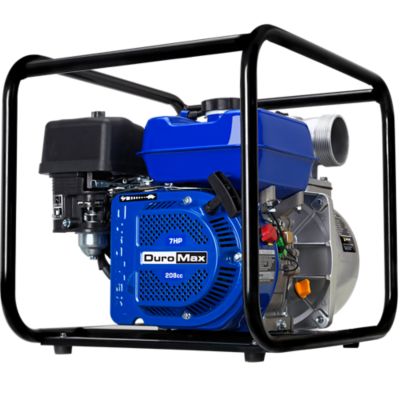
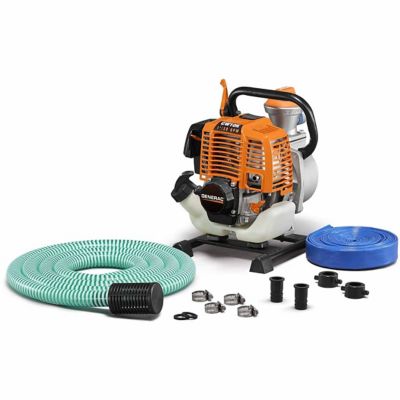
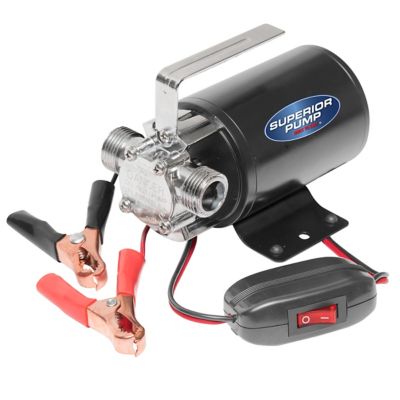
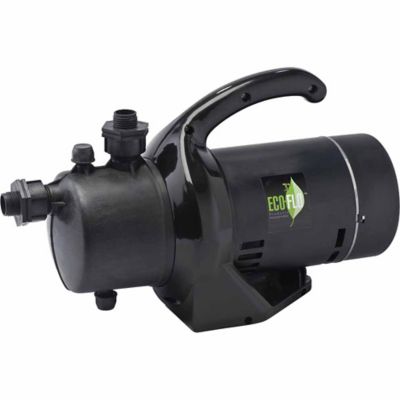
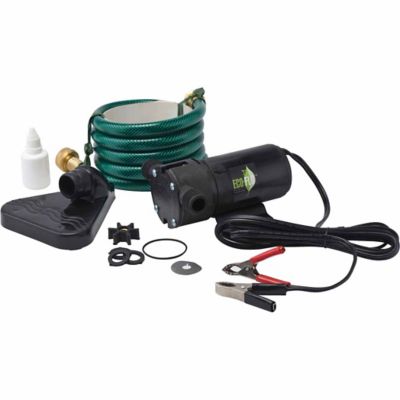
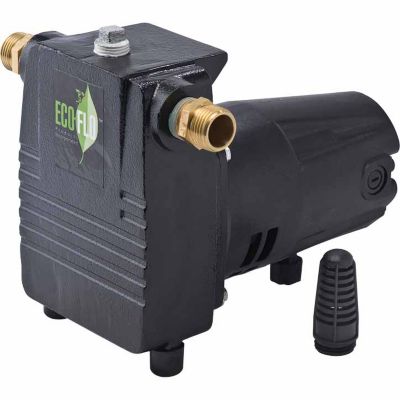
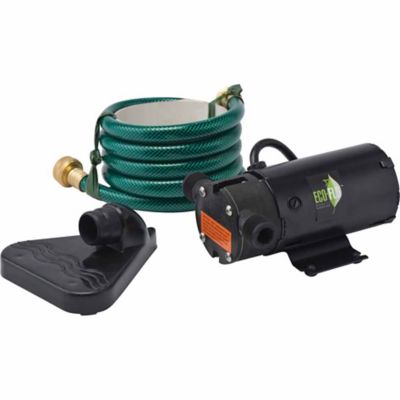
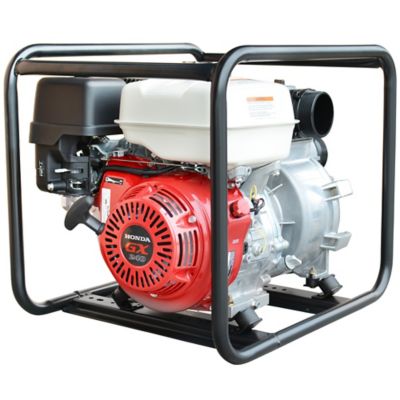
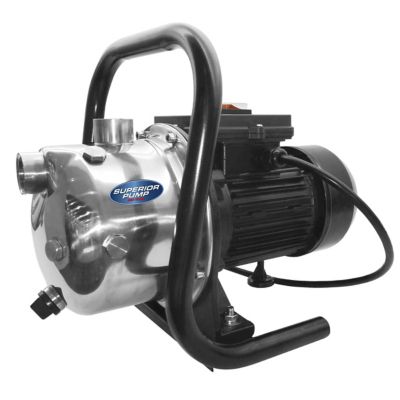
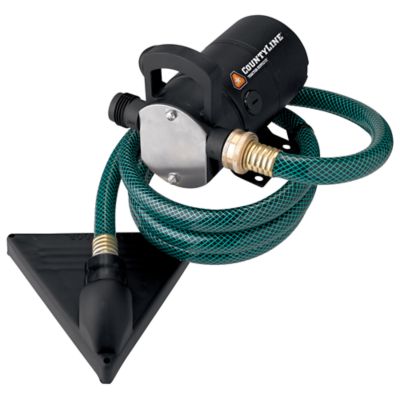
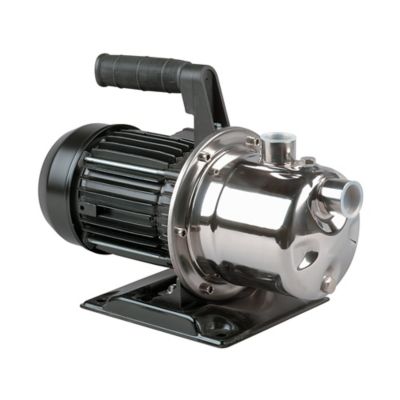
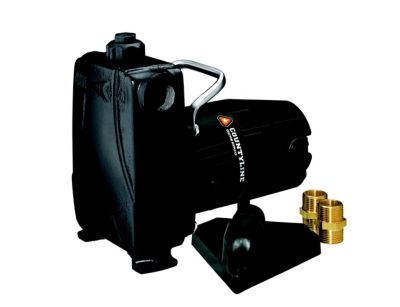
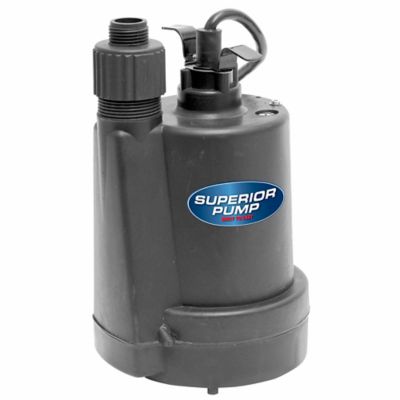
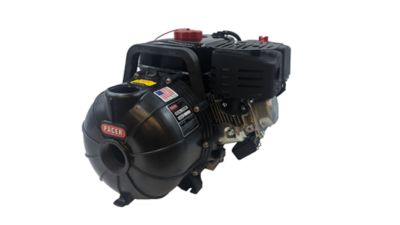
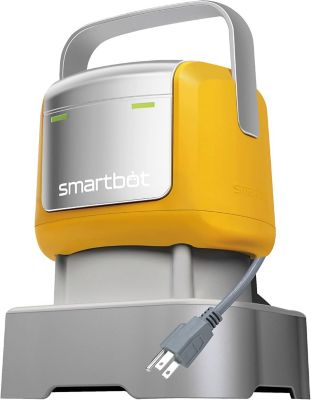
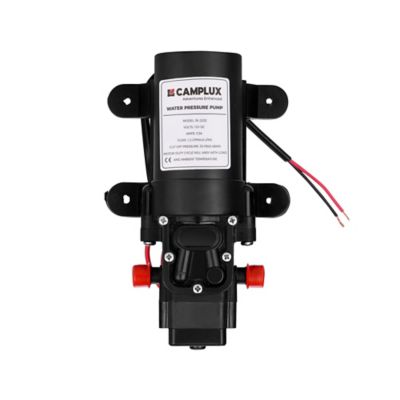
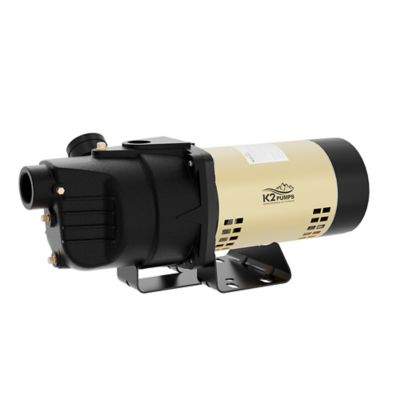
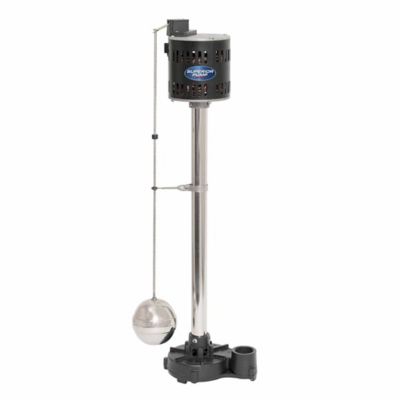
Portable water pumps make it easier to move water where a fixed pump or garden hose cannot reach. These compact, motorized pumps are handy around the farm, homestead, workshop, garden, campsite, boat dock and jobsite, especially when water needs to be transferred quickly or drained from a low spot. Depending on the design, a portable water pump may run from a standard 115V wall outlet, a 12V vehicle or deep-cycle battery, or a rechargeable cordless tool battery. Plug-in utility pumps are a practical choice when an outlet is close by and steady power is available, while 12V pumps are useful in remote areas, at livestock trailers, beside ponds or anywhere a vehicle battery can provide power. Cordless stick-style pumps offer another convenient option for rain barrels, stock tanks, hot tubs and other containers because they can be carried easily and used without dragging an extension cord through wet grass or across a basement floor. Small transfer pumps can often move several hundred gallons per hour, while larger electric utility pumps may handle much higher flow rates for jobs such as draining a pool, hot tub, flooded room or low-lying yard. Actual performance depends on the pump design, hose size, vertical lift and distance the water must travel, so gallons per hour is only one part of the selection process. Before choosing a pump, think about where the water will be coming from, where it needs to go and how often the job will be repeated. A pump used to empty a rain barrel may not need the same capacity as one used after heavy rain, and a unit meant for clear water may not be suitable for muddy water, leaves, grit or other debris. Check the product details for the intended water type, maximum lift, inlet and outlet sizes, flow rate, power requirements and recommended hose connections. If you are comparing compact options for light-duty transfers, browse
Small Water Pumps for pumps that are easier to carry, store and keep ready for everyday chores.
Portable water pumps can serve all kinds of practical purposes across the seasons. During warm weather, they can help move water from a rain barrel to a garden, drain a small pond or water feature, empty a stock tank for cleaning, or transfer water around a property when the nearest spigot is too far away. Gardeners may use one to make use of stored rainwater, while livestock owners can keep a spare pump on hand for cleaning troughs and moving water at remote pens. Around a cabin, camper or boat, a pump can help drain standing water, refill a container or handle cleanup where plumbing is limited. As cooler weather brings heavier rain and changing ground conditions, a portable pump may also be useful for removing water from a basement, crawl space, shed, driveway, boat, trailer or other low area. Keep in mind that pumps differ in how low they can drain, and many are not designed to run dry. Watching the water level and shutting the pump off as directed can help protect the motor and extend its useful life. For outdoor or wet-area work, use the proper weather-rated connections, keep electrical cords and plugs away from standing water, and follow all instructions for grounding, extension cords and battery use. A screen or strainer can help keep larger debris out of the intake, but it should be checked often so it does not restrict flow. Store the pump clean and dry when the job is finished, and flush away sediment when recommended by the manufacturer. These pumps also make useful gifts for a new homeowner, gardener, camper, boat owner, farmer or anyone setting up a workshop because they solve a problem that often shows up without much warning. A dependable pump tucked on a shelf can be a real comfort when a rainstorm fills a low spot, a water tank needs cleaning or a power source is available but plumbing is not. Choose the power style that fits the recipient’s setup, match the capacity to the job, and consider useful extras such as discharge hose, fittings, clamps, a battery, or a storage tote so the pump is ready to work when it is needed.