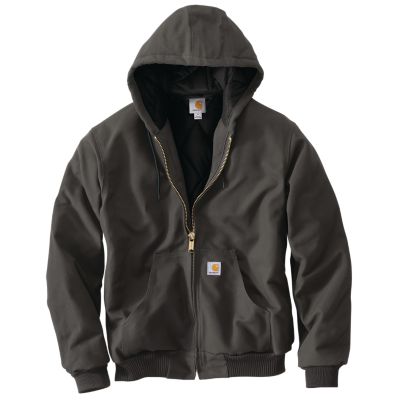
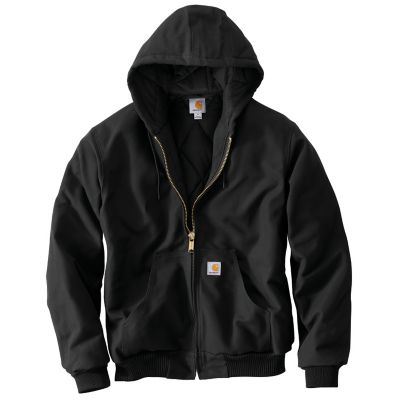
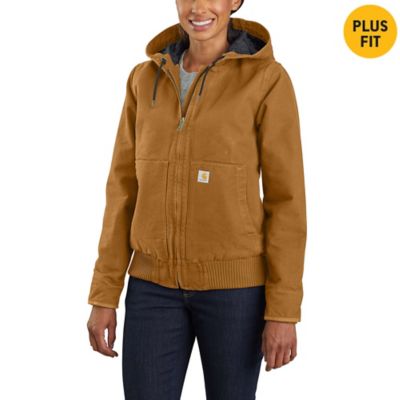
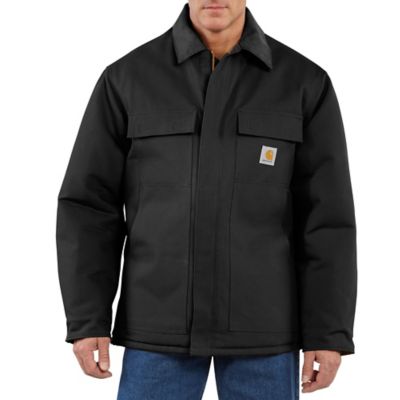
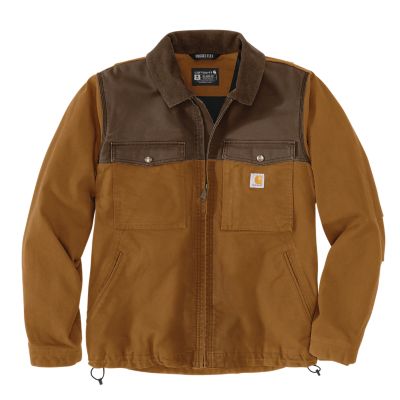
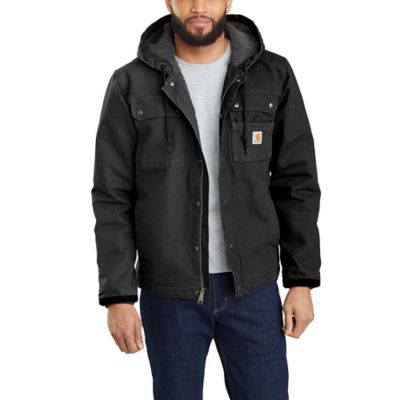
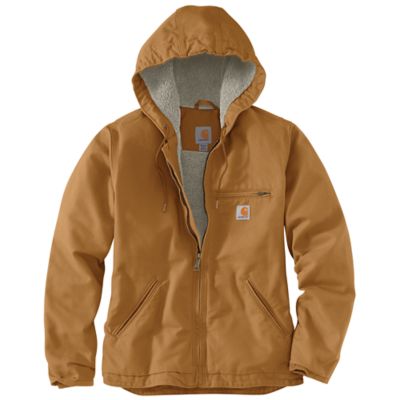
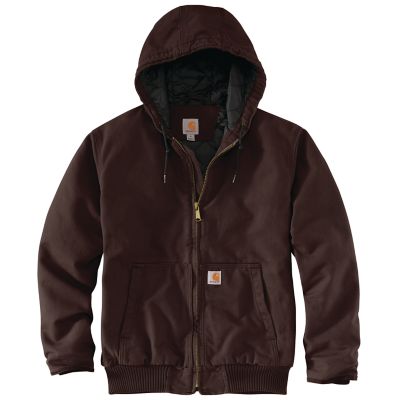
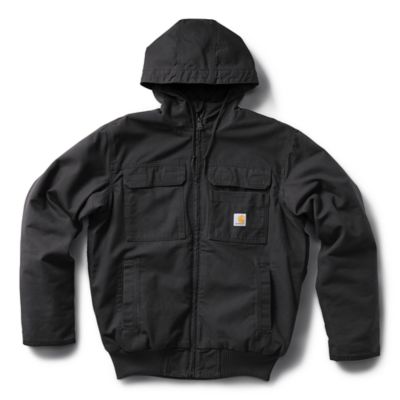
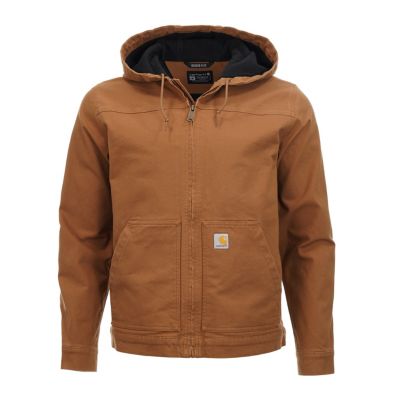
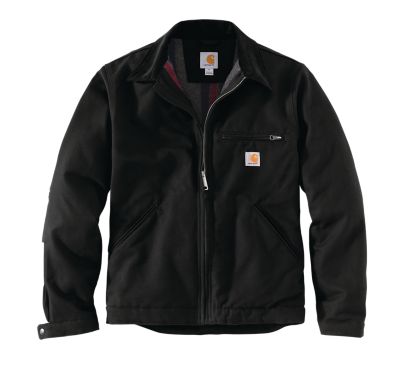
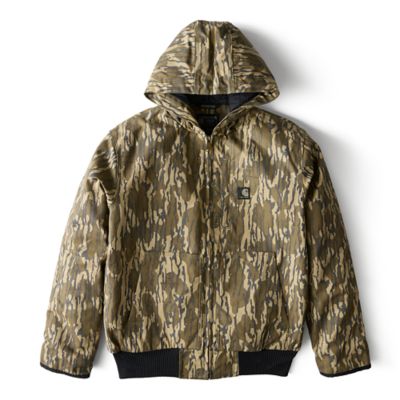
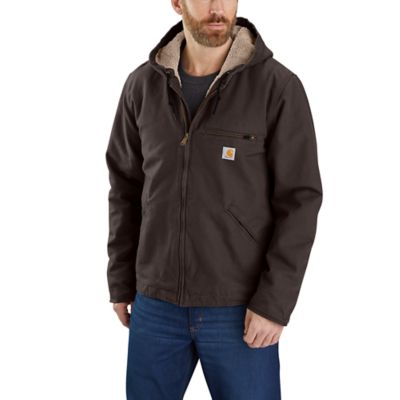
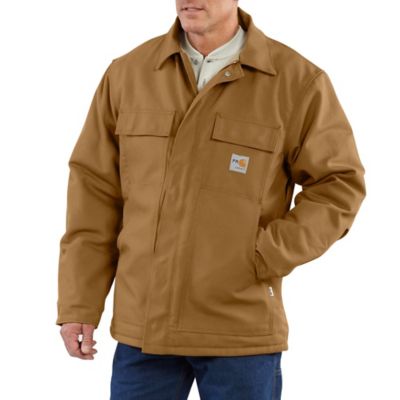
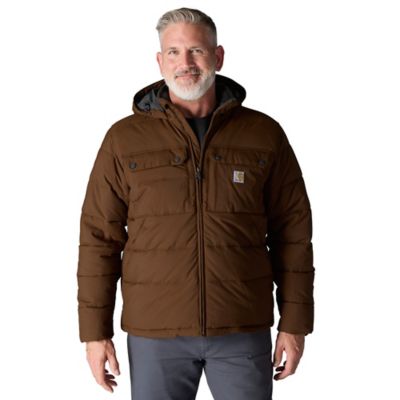
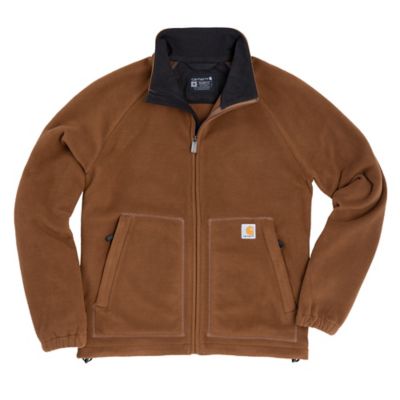
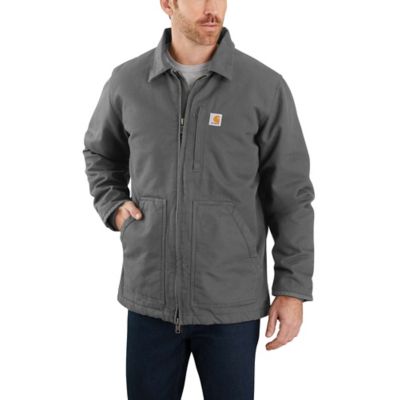
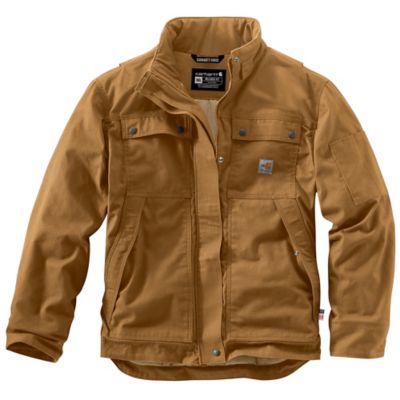
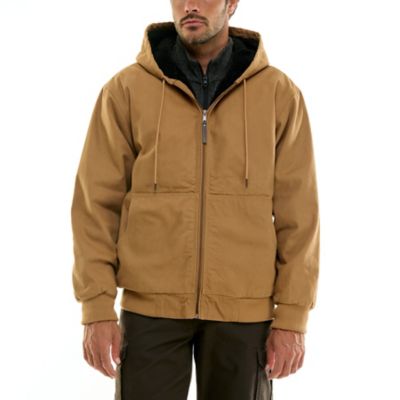
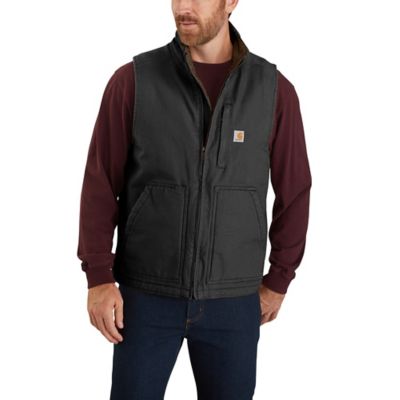
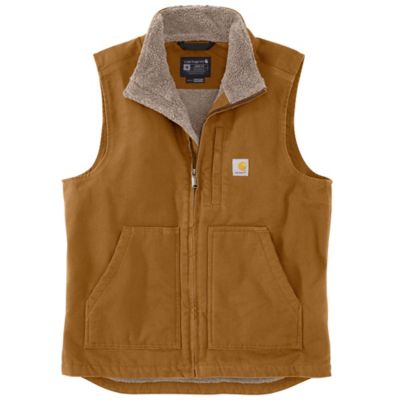
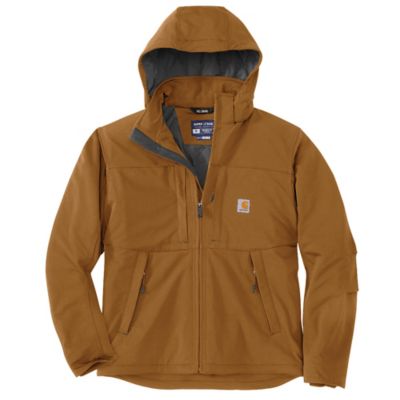
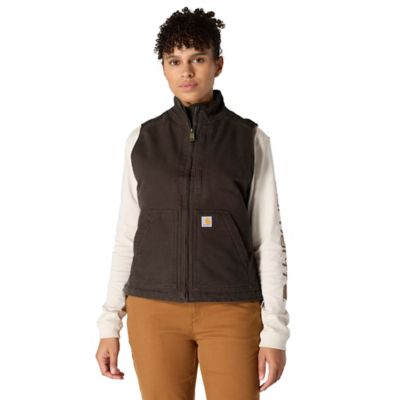
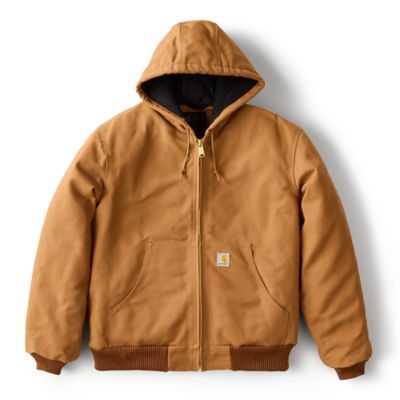
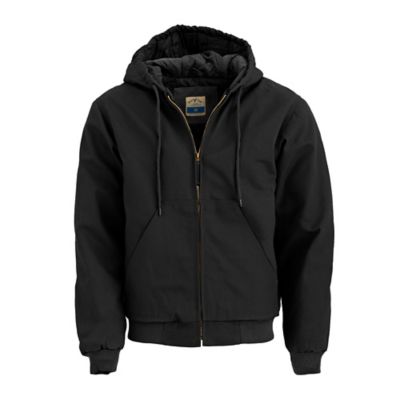
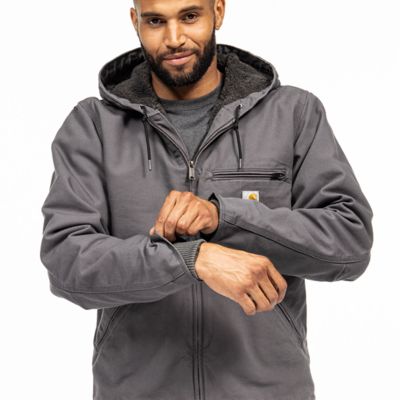
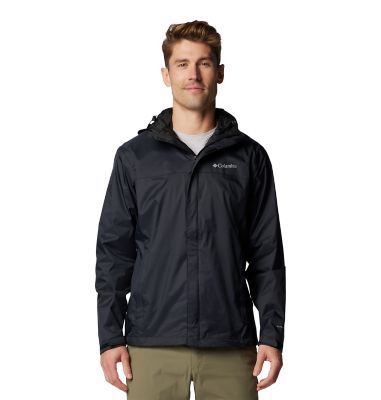
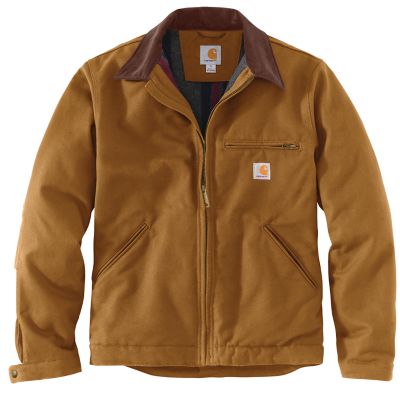
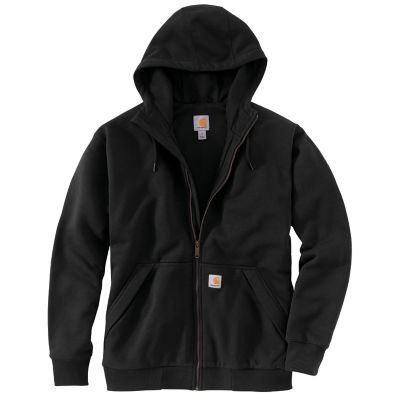
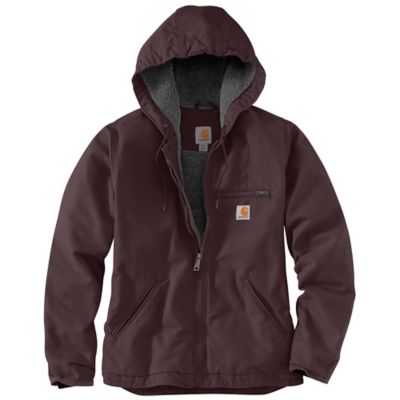
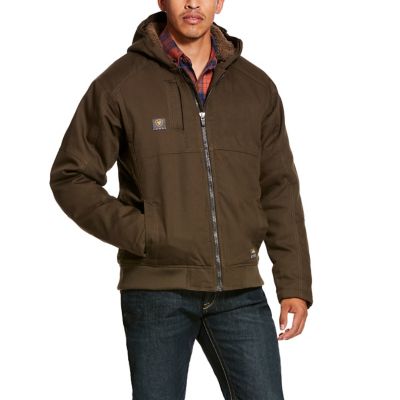
Duck jackets fit right into days spent carrying feed, stacking lumber, checking fence lines or heading from the barn into town. Their familiar look starts with duck cloth, a tightly woven canvas often made from cotton, though fiber blends vary. The word “duck” describes the fabric rather than a feather filling, and that close weave gives these jackets their substantial feel. A firm duck shell may feel stiff at first and gradually soften with wear, while washed fabrics generally have a more broken-in feel from the start. Neither feel tells the whole story about how a jacket will perform; fabric weight, stitching, lining and construction all play a part. Heavier cloth can stand up well to repeated rubbing against rough surfaces, but it also adds weight and may take longer to dry after getting wet. A lighter shell can feel less cumbersome for frequent reaching, lifting and climbing in and out of a pickup. Duck work jackets also come with different lining approaches, from simple interiors that leave room for separate layers to fleece, blanket-style or quilted linings that add warmth. Insulation can make a difference when standing at a gate or spending long stretches outside, while a less heavily lined jacket may feel better during active chores. Dense canvas can help cut the wind, but it is not automatically waterproof. Any claim about rain protection should come from the garment’s listed features, not just the thickness of the cloth. The same goes for specialized protection: an ordinary work jacket is not a substitute for clothing with the ratings required for welding, electrical work or other hazardous tasks. For everyday wear, the appeal is straightforward: a substantial outer layer with practical pockets and a feel that suits hands-on work. Choosing between firmer and softer fabric, more or less insulation, and a shorter or longer cut helps match that familiar duck jacket feel to the way the day actually unfolds.
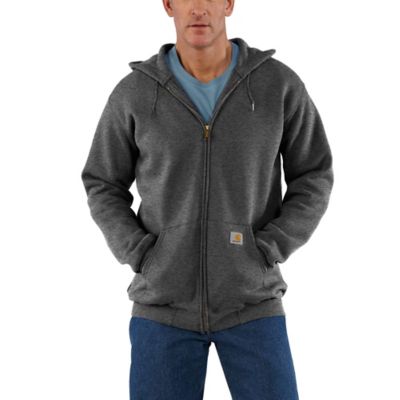
Fit matters just as much as fabric when a jacket has to move through a full day of chores. A good starting point is the layer that will usually go underneath it. A jacket that feels roomy over a T-shirt may pull across the back once a sweatshirt enters the picture, especially when reaching for a bale or stretching across a truck bed. Shoulder room, sleeve shape and space through the chest all affect movement, so the size chart and any listed fit description deserve a close look. When trying on a jacket, reaching forward, bending at the elbows and sitting down can reveal tight spots that are easy to miss while standing still. Sleeves should provide coverage without swallowing the hands, and the hem should work comfortably with the way the jacket will be worn. A shorter cut may stay out of the way when sitting in a cab, while a longer cut offers more coverage when bending or reaching. A sweatshirt layer from
Carhartt Hoodies can round out a casual workwear setup, provided there is enough room through the jacket’s shoulders and sleeves. Details around the edges make a noticeable difference, too. Rib-knit cuffs sit close to the wrists, while adjustable cuffs let the opening change around gloves. A hood adds coverage, but its shape and adjustability matter when turning the head or looking over a shoulder. A collar without a hood can feel less crowded around the neck, particularly with another hooded layer underneath. Pocket placement is worth considering with the same practical eye. Hand pockets should be easy to reach, chest pockets can keep smaller essentials close, and secure closures help keep belongings from slipping out when bending. Carrying a phone, gloves and keys can quickly change how a jacket hangs. Reinforced pocket edges and well-finished seams are useful details to look for where hands and tools repeatedly rub, while loose straps or dangling cords should stay clear of moving equipment.
Caring for duck jackets starts with the garment label, because the right routine depends on the shell, lining, insulation and any applied finish. Cotton canvas can change in feel and fit after laundering, and high heat may cause shrinkage, so a familiar routine for washing work shirts is not necessarily right for a lined jacket. Letting dry mud loosen before brushing it away can make cleanup easier without putting the whole garment through the wash after every chore. For greasy spots or stubborn stains, check which treatment the care label permits and test it on an inconspicuous area first. Closing zippers and securing fasteners before washing can help prevent snagging, while checking pockets keeps forgotten screws, twine and other pocket clutter out of the machine. Drying deserves patience, especially with thick seams, cuffs and lined pockets that may hold moisture after the surface feels dry. Follow the listed drying method, and make sure the jacket is fully dry before putting it away. Skip waxes, waterproofing sprays or other treatments unless they are suitable for that particular fabric and finish. Between wash days, a little attention to loose stitching, worn pocket corners and zipper operation can catch small problems before they interfere with the job. Over time, cotton duck often develops softer folds and lighter wear marks at the elbows, cuffs and seams; that change in appearance is different from a torn seam or damaged closure that needs attention. For someone picking out a gift, think about the recipient’s routine before choosing a cut or lining. A ranch hand who spends hours handling gates may want something different from a woodworker moving between a shop and an outdoor work area. A familiar jacket that already fits well can provide helpful measurements for comparison. Matching the fabric feel, freedom of movement and care requirements to the person’s day makes a duck jacket a practical choice for work and the stops along the way home.