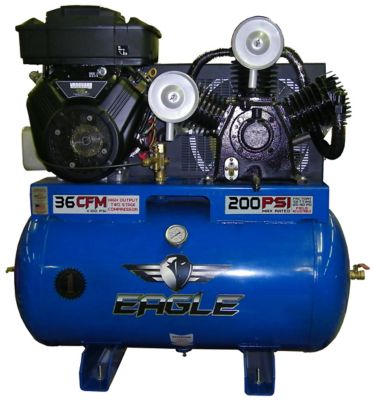
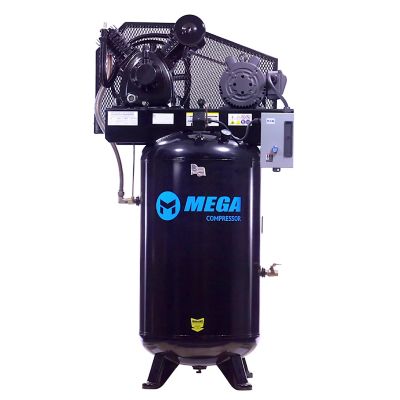
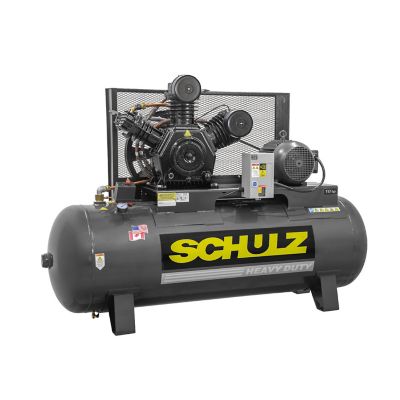
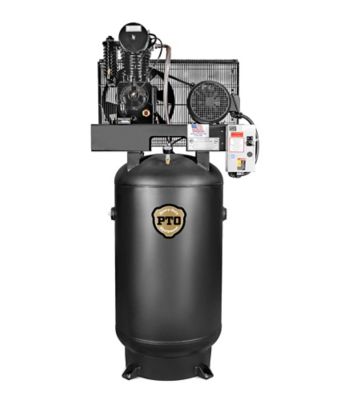
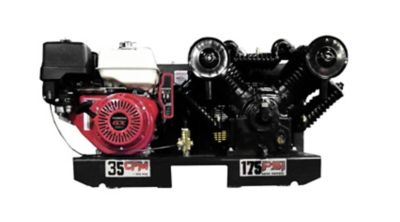
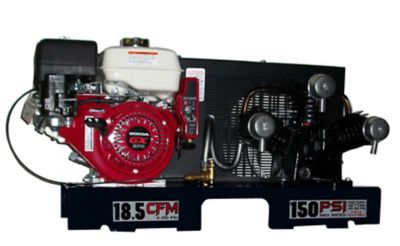
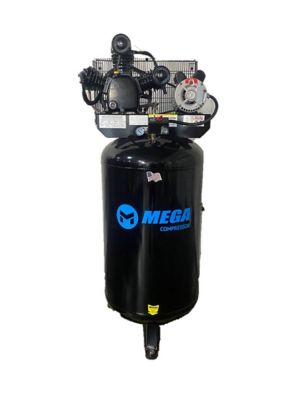
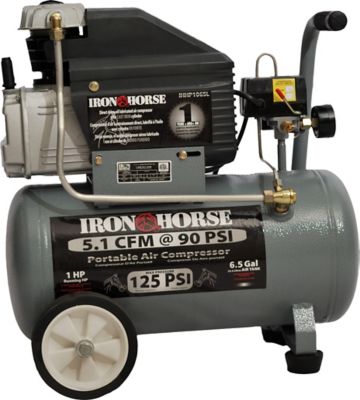
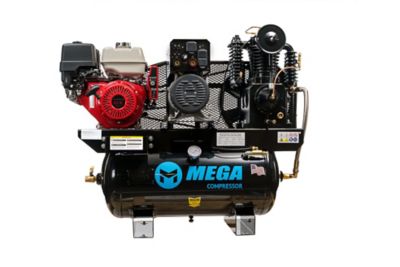
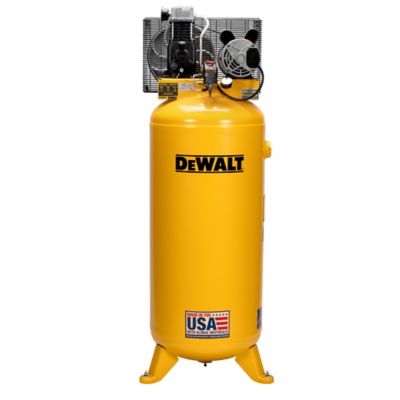
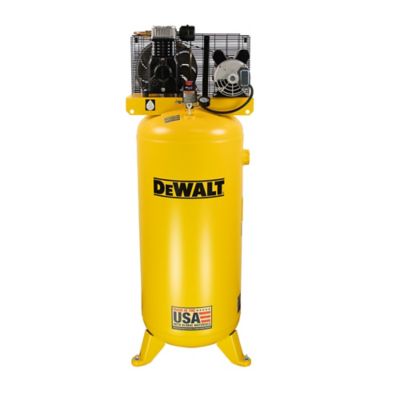
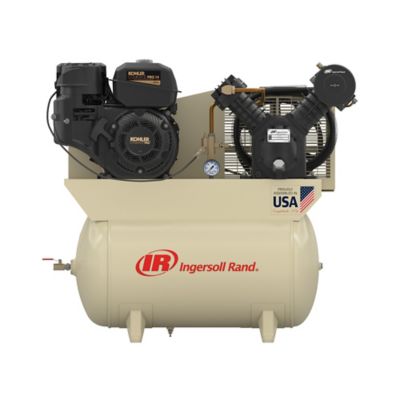
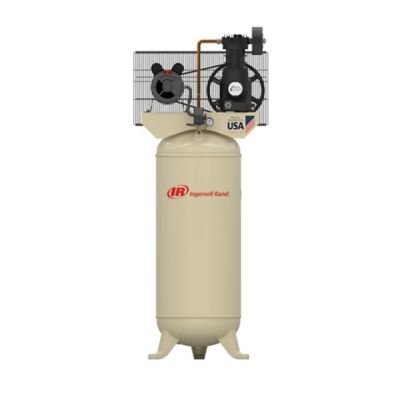
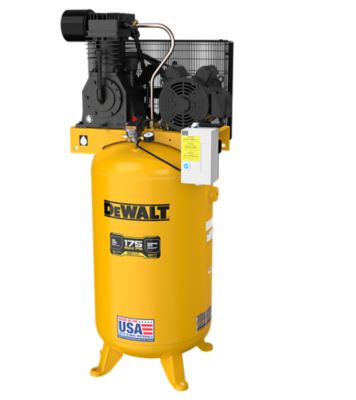
Construction air compressors supply pressurized air for pneumatic tools on building sites, in farm shops, and around working properties. They turn power from an electric motor or fuel-powered engine into airflow that can drive framing nailers, finish nailers, impact wrenches, grinders, and other air-powered equipment. The right setup depends on the work: fastening sheathing on a barn calls for a different air supply than running a pavement breaker or keeping a spray gun going across a broad surface. For contractors, remodelers, maintenance crews, and property owners, the main considerations are airflow, operating pressure, tank capacity, and how easily the compressor moves between tasks. Airflow, commonly listed in cubic feet per minute, or CFM, describes how much air the machine delivers. Pressure, measured in pounds per square inch, or PSI, describes the pressure of that air. Both matter, and a high maximum PSI rating alone does not mean a compressor can keep up with an air-hungry tool. Delivered airflow at the tool’s required operating pressure is the more useful comparison. When several workers share one compressor, their combined air demand also matters. A nailer draws air in short bursts, while a grinder or spray gun can call for a steadier supply. The receiver tank stores compressed air and helps cover brief bursts of demand, but extra tank volume cannot make up for a pump that delivers too little air during sustained work. Duty cycle adds another piece of the picture by describing how long a compressor can run within a stated period under specified conditions. A machine suited to occasional fastening may not suit continuous shop work. Matching those ratings to the pace of the job helps limit waiting between tasks, whether that means hanging trim in a farmhouse or tightening fasteners on equipment in the shed. Horsepower can provide context, but airflow at the required pressure gives a clearer picture of what a construction air compressor can actually support.
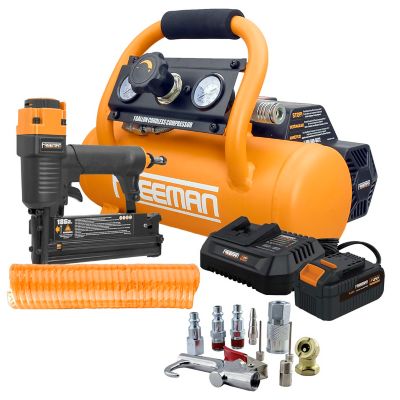
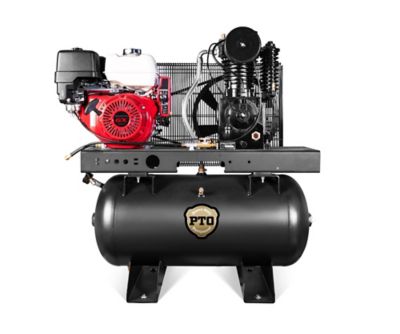
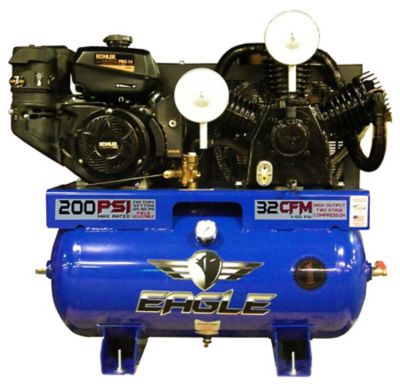
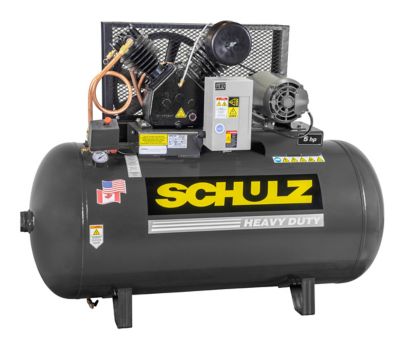
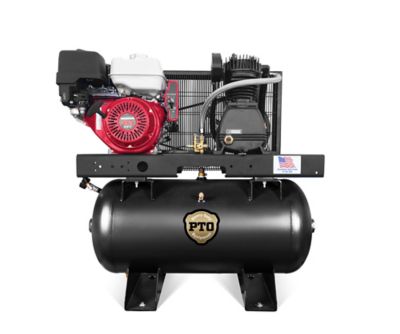
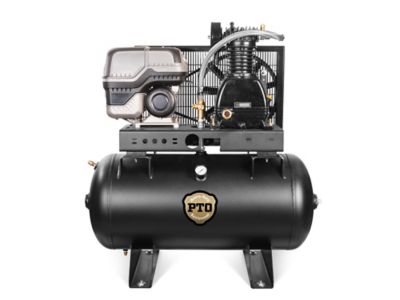
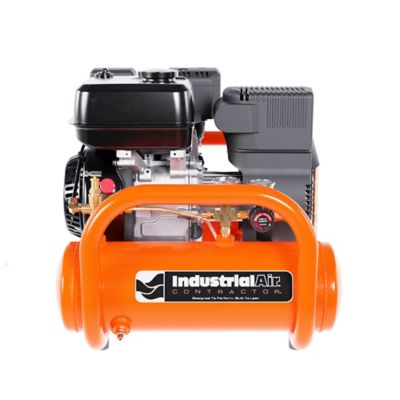
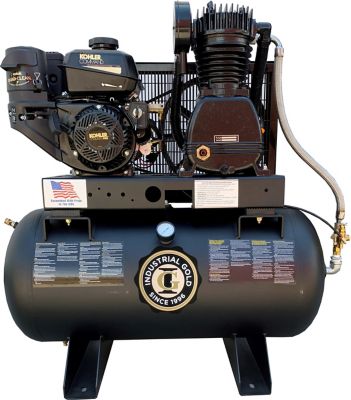
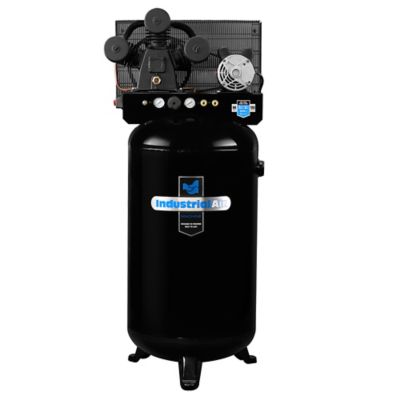
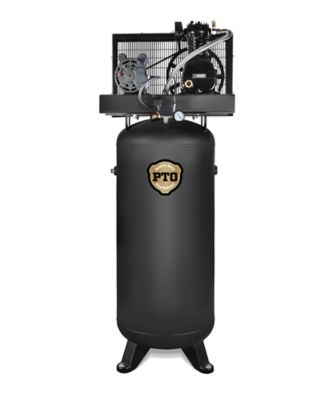
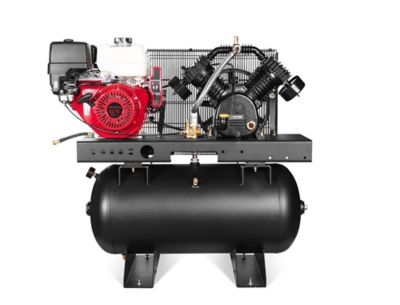
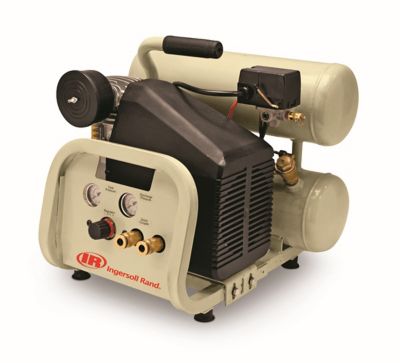
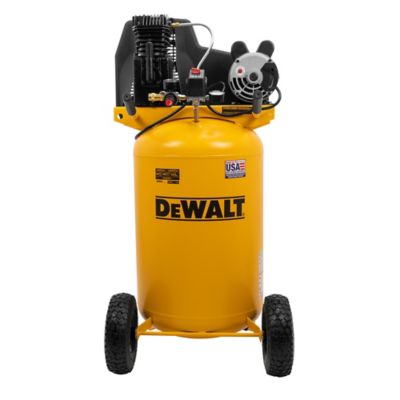
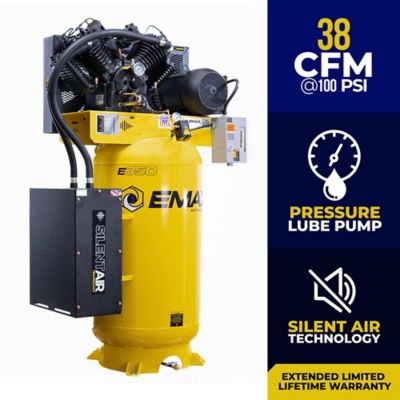
Compressor layouts range from compact carry-style units to wheeled machines, stationary shop systems, truck-mounted equipment, and tow-behind units for larger jobs. Smaller portable air compressors make sense for work that moves from room to room or building to building, especially when the main task involves intermittent fastening. Handle placement, overall weight, frame balance, and the space needed for transport all affect how manageable a machine feels at the end of a long workday. Wheeled and wheelbarrow-style frames can make moving a larger tank less of a chore, though tire design, ground clearance, and the route across the property still matter. A truck-mounted setup keeps an air source close to mobile repair work, while a stationary compressor serves a shop where hoses or properly rated air lines carry air to the work area. Electric compressors avoid engine exhaust at the point of operation and often suit indoor renovation or shop tasks when the electrical supply meets the machine’s requirements. Voltage, circuit capacity, and motor starting demand need to match the power source; an ordinary outlet is not the right fit for every electric compressor. Gas- and diesel-powered equipment can support outdoor jobs beyond the reach of suitable electrical service. Combustion-engine compressors belong outdoors, well away from doors, windows, and air intakes, because engine exhaust contains carbon monoxide. Tow-behind compressors generally serve work with much greater airflow needs, such as larger pneumatic breakers and abrasive blasting equipment. For sustained demand, a
screw compressor is another compressor type associated with steady air delivery, with suitability depending on the machine’s ratings and the tools connected to it. Noise ratings also deserve attention wherever workers communicate across a shop or share a busy work area. Quieter operation can make that space more comfortable, but hearing protection requirements still depend on total sound exposure from the compressor and the tools. Across these formats, portability and power source should support the work rather than add another obstacle between the truck and the task.
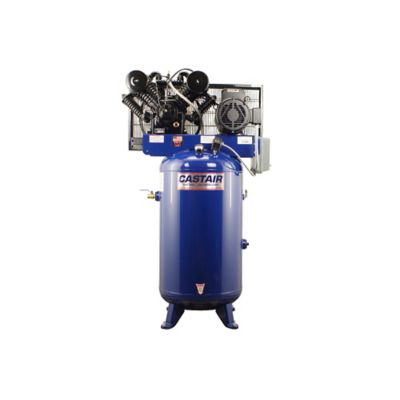
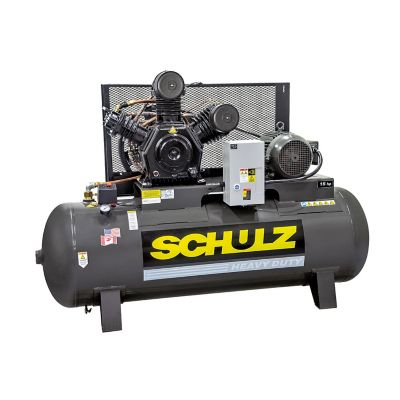
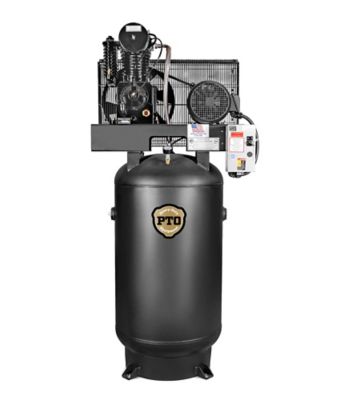
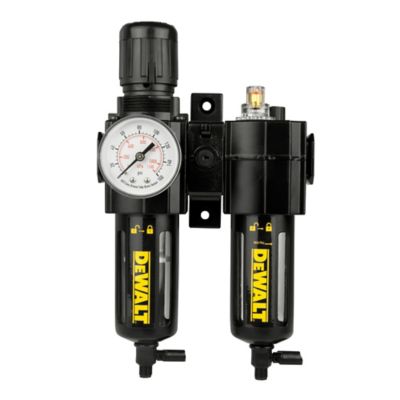
Construction, connections, and routine care play a big part in how well an air compressor holds up to everyday work. Steel receiver tanks are common, while pump designs may combine cast-iron cylinders, aluminum components, or other materials to balance wear resistance, weight, and heat dissipation. A protective frame can help shield gauges and controls from ordinary jobsite bumps, and accessible drains, filters, and oil-fill points make regular service less awkward. Oil-lubricated pumps require the specified lubricant and scheduled checks; oil-free pump designs remove that particular maintenance step but still need attention to filters, drains, fittings, and other service points. Neither design makes the entire air system maintenance-free. Moisture collects in receiver tanks as compressed air cools, so draining the tank according to the manufacturer’s directions helps manage internal corrosion. Tanks with damage or significant corrosion need professional evaluation, not makeshift repairs. Before maintenance, the compressor should be shut down, isolated from its power source, and depressurized as directed in its manual. Hose fit matters just as much as the machine itself. Hose diameter, length, pressure rating, and coupler design affect the air reaching the tool, particularly when the work is a long way from the tank. A narrow hose stretched across a large shop can restrict airflow even when the compressor’s rating looks sufficient on paper. Compatible fittings and sound connections help prevent leaks that waste air and make the pump cycle more often. Regulators let operators set working pressure within the tool’s limits, while moisture separators, filters, and dryers address different air-treatment needs. Spray finishing often calls for cleaner, drier air than basic fastening, and lubrication requirements vary by tool. Keeping oily air away from finishing equipment is especially important where one compressor serves several jobs. For a farm repair shop, a building crew, or a homeowner tackling substantial projects, a well-matched compressor system brings the air supply, hoses, fittings, and tool requirements together. That practical fit helps keep attention on the fence repair, framing work, or equipment maintenance at hand.