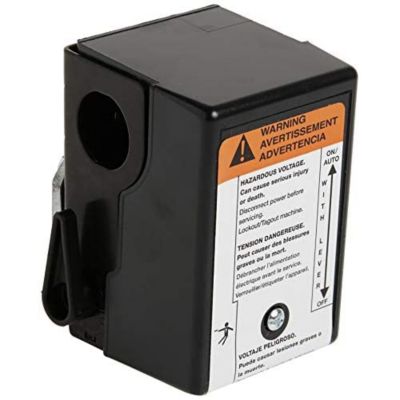
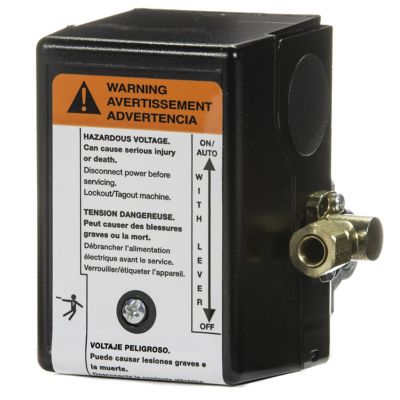
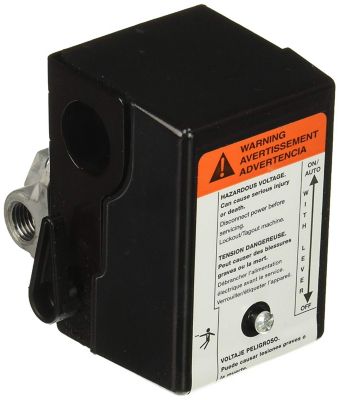
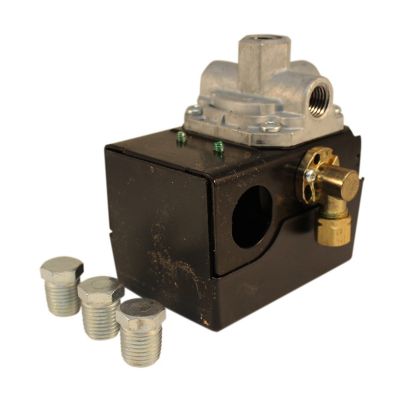
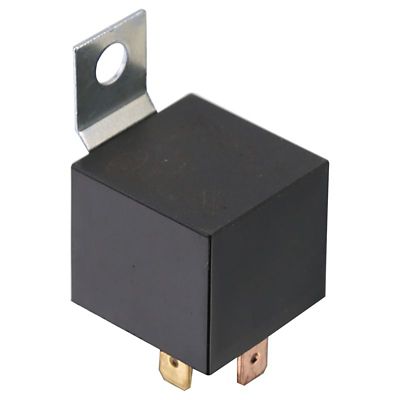
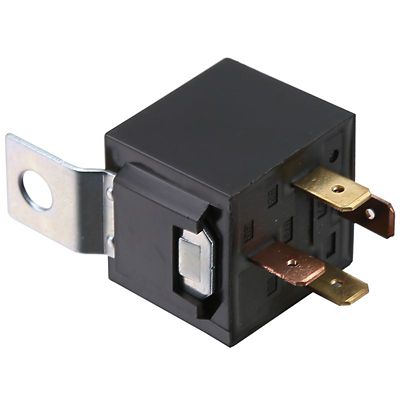
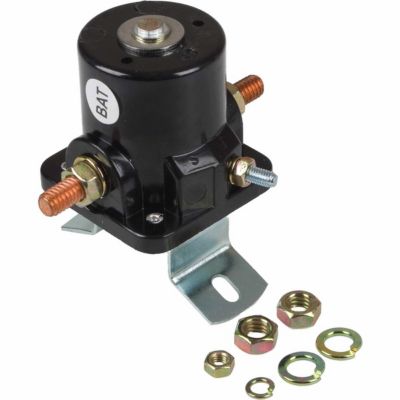
When it comes to keeping your appliances, equipment, or vehicles running smooth, the compressor relay is a small part with a big job. Folks working around the farm, in the garage, or just keeping the homestead cool and comfortable know that a reliable compressor relay is what gets the motor spinning and keeps things humming along—literally. Whether you’re dealing with a fridge that’s lost its chill during the heat of summer, a freezer that’s not quite keeping up, or an automotive A/C that’s blowing nothing but warm air on a long drive, a faulty relay can bring everything to a halt. Common signs like a loud hum, repeated clicking, or a compressor that just won’t kick on are all red flags pointing straight to the relay. If you’re handy with a multimeter and comfortable working around electrical components, you can test the relay for continuity or burnt connections. Just remember to always unplug the appliance or disconnect the battery before getting started, and snapping a quick photo of the wiring before you disconnect anything is a smart move—makes putting it all back together a whole lot easier.
Compressor relays aren’t just for fixing up kitchen appliances; they’re also a must-have for anyone working on automotive air conditioning or even certain power tools and shop equipment. For DIYers, mechanics, and farmers who like to keep their own gear running, having a couple of spare relays on hand can mean the difference between a quick fix and a long wait for repairs. They make a practical gift for anyone who loves tinkering with engines, restoring old tractors, or just enjoys the satisfaction of getting things running again without calling in a pro. As the weather warms up and summer projects kick into high gear, reliable cooling is more important than ever, whether you’re trying to keep food safe, livestock comfortable, or your truck’s cab bearable on a hot day. When replacing a compressor relay, it’s important to match the relay to the make and model of your appliance or vehicle—most are easy to swap out with basic tools and a bit of know-how. If you’re already working in the area, it’s worth checking your
Compressor Lines for any signs of wear or damage, since a healthy line and a good relay work hand in hand to keep things running cool and efficient.
For anyone living the rural life or keeping up with a busy workshop, the right compressor relay can keep your operation running smoothly through the changing seasons. Whether you’re prepping for canning season, keeping the barn fridge stocked, or making sure your truck’s A/C doesn’t quit during a haul, being able to diagnose and fix a relay issue saves time and money. With just a few tools—a screwdriver, a multimeter, and maybe a pair of needle-nose pliers—you can handle most relay swaps yourself. If you ever notice your compressor overheating, failing to start, or cycling on and off without cooling, don’t wait for things to get worse. Swapping in a new relay is often a quick fix that keeps your equipment running strong, no matter what the season brings. And for those who enjoy helping neighbors or family with their repairs, knowing your way around a compressor relay is just another way to lend a hand and keep the community rolling along.