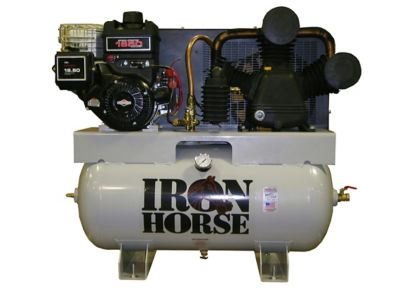
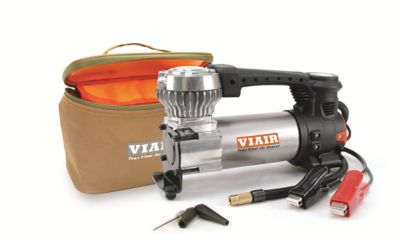
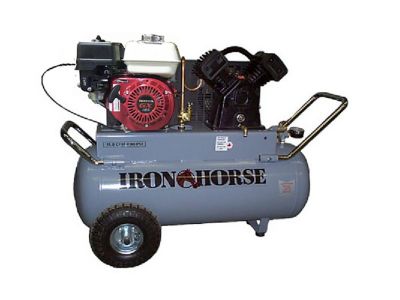
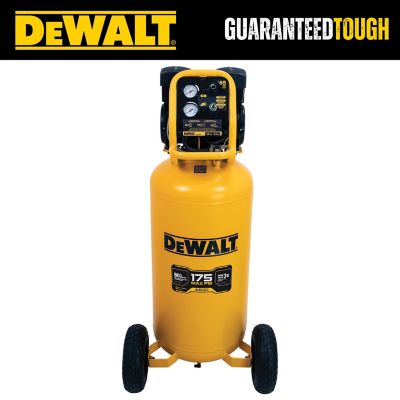
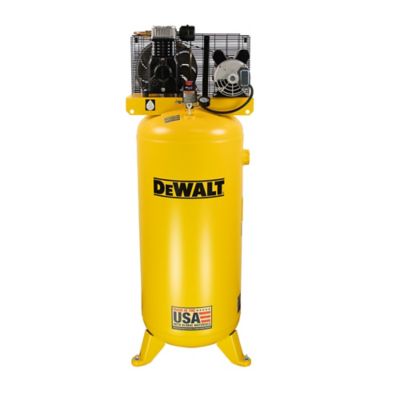
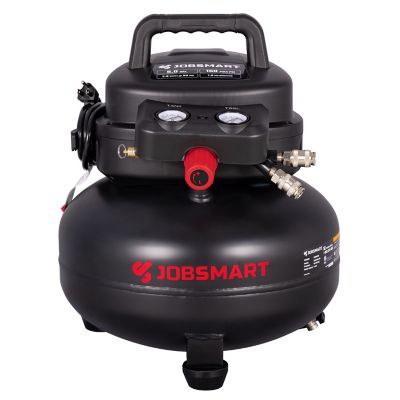
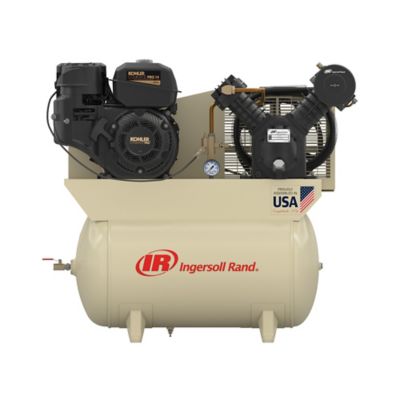
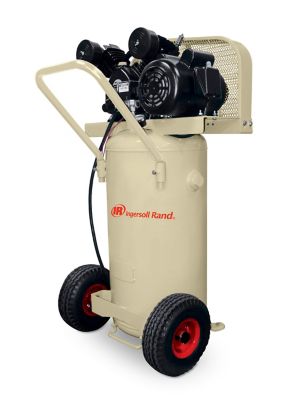
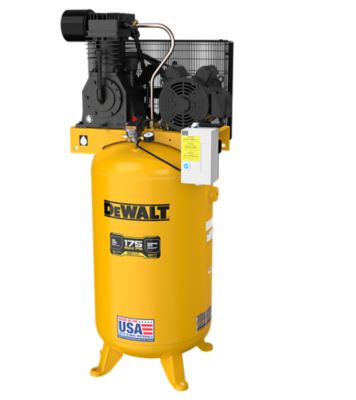
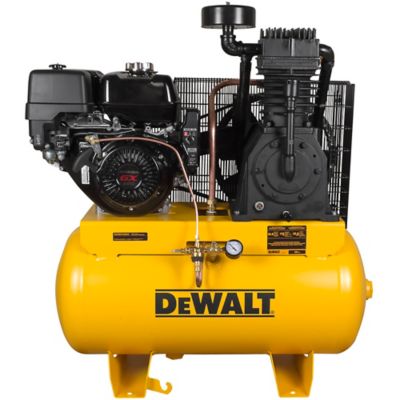
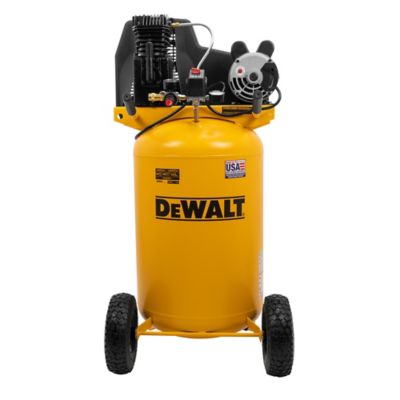
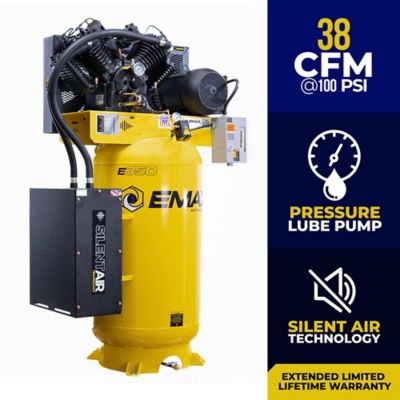
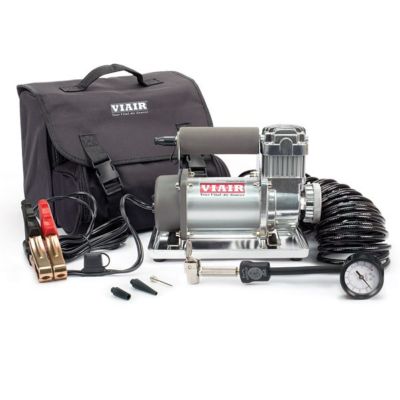
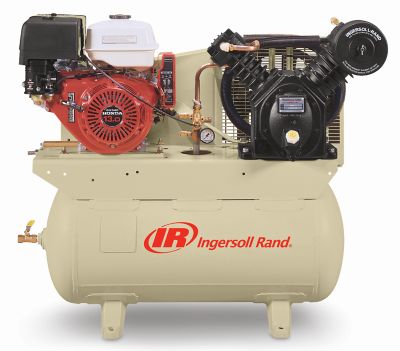
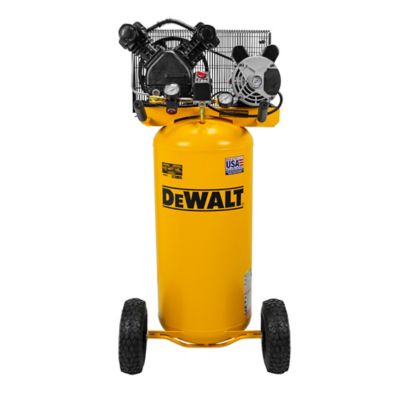
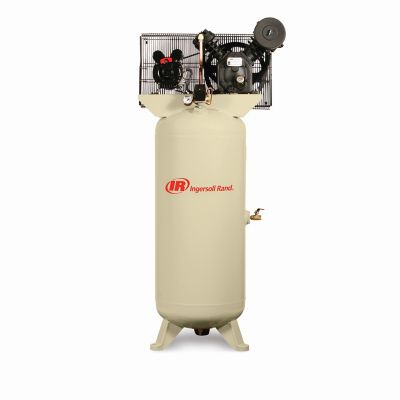
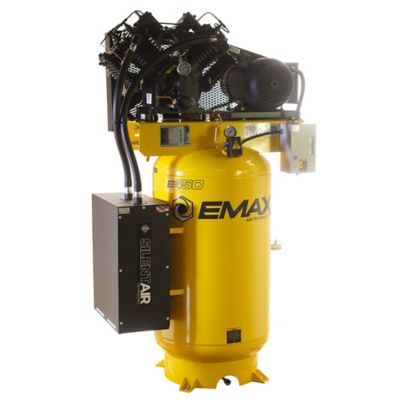
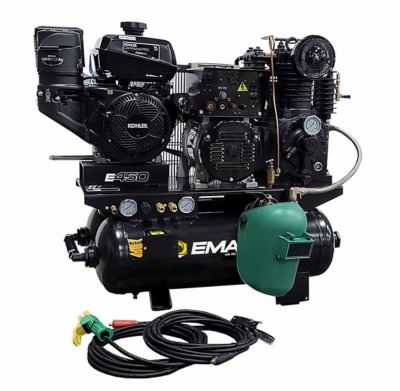
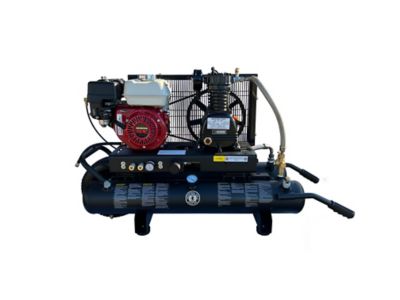
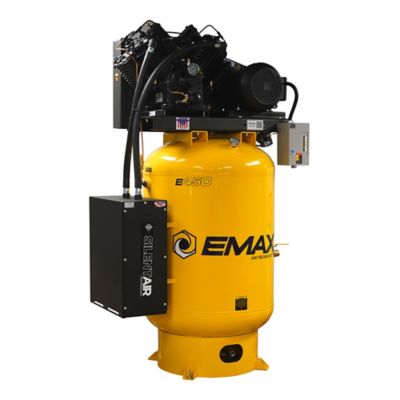
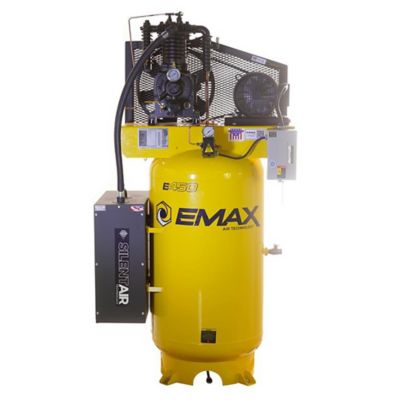
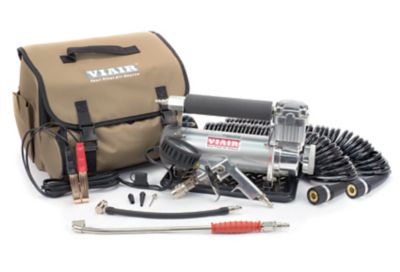
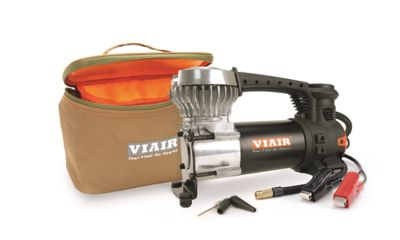
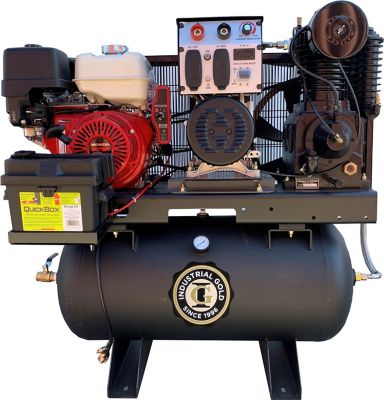
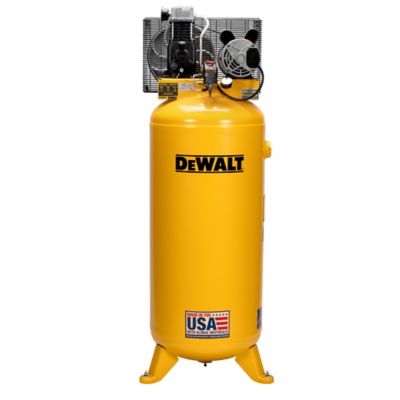
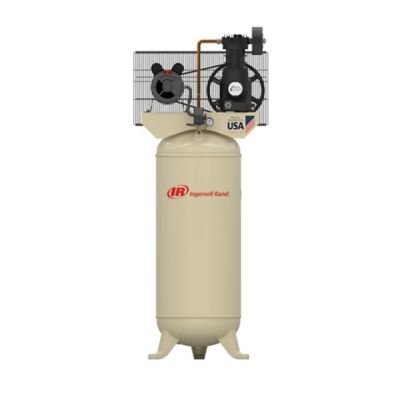
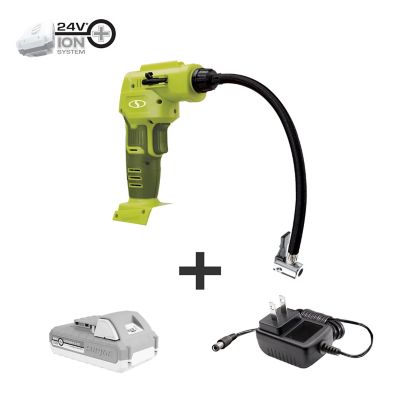
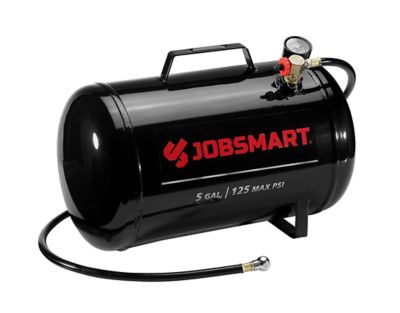
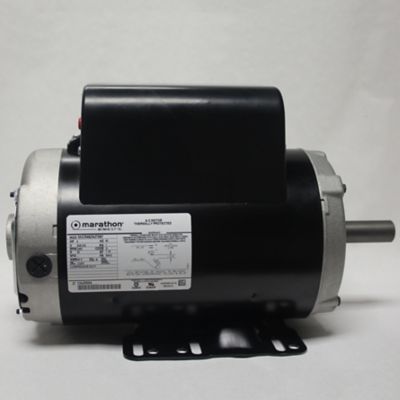
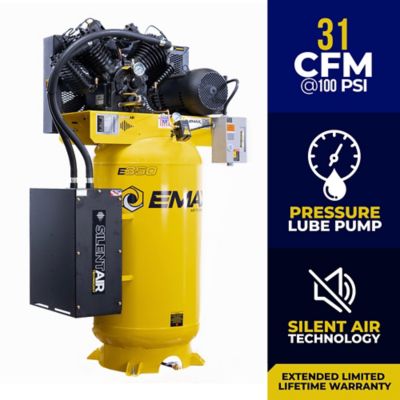
A truck compressor is a handy way to bring compressed air wherever the work takes you, whether that means a farm lane, a gravel road, a construction site or a remote job outside town. Unlike a shop compressor that stays in one place, a truck-mounted or truck-carried compressor is built around mobility. It can help inflate truck, trailer, tractor and equipment tires, power pneumatic tools and supply air for service work when an electrical outlet is nowhere nearby. Some systems are installed under the hood or mounted to the engine, while others are secured in the truck bed as standalone gas- or diesel-powered units. Smaller 12V and onboard electric compressors may be wired to the vehicle battery for tire inflation and light-duty off-road use. The right setup depends on the kind of work you do. A rancher checking tires before moving cattle, a contractor running air tools between job sites and an off-road driver airing up after a stretch of rocky trail may all need a truck compressor, but their airflow, power and mounting needs can be very different. For broader compressed-air applications, shoppers may also want to compare options in our
Industrial Air Compressor selection.
When comparing a truck compressor, start with the job rather than the size of the truck. Airflow is commonly listed in CFM, or cubic feet per minute, and this figure helps show how much air the compressor can deliver to a tool or tire. PSI tells you the pressure the system can reach. A unit with enough PSI for a tire may not provide enough CFM to keep an impact wrench, grinder, jackhammer or other air-hungry tool working steadily. Check the tool manufacturer’s air requirements and look for a compressor that can meet them without running at its absolute limit. Duty cycle matters, too. A compressor designed for occasional tire inflation may need cool-down time between uses, while a service truck handling repeated repairs may call for a higher-duty system that can run longer. Think about tank capacity, as well. A larger receiver tank stores a reserve of compressed air for short bursts and can help smooth out demand, while a tankless system may save room and weight for basic inflation. Power source is another key consideration. Engine-driven compressors can provide strong, continuous airflow for demanding work, but they add installation and maintenance needs. Gas- or diesel-powered bed units offer independence from shore power and can be useful on open ground, though they require safe fuel storage and proper ventilation. Battery-powered or 12V systems are often quieter and easier to use for light tasks, but they draw from the vehicle’s electrical system and may not be suited to larger pneumatic tools.
Fit and installation deserve just as much attention as airflow ratings. Measure the available space under the hood, along the frame or inside the truck bed before choosing a compressor, and account for hoses, fittings, wiring, fuel access and routine service. A bed-mounted unit should be held securely so it does not shift when the truck crosses washboard roads or a rough pasture. Engine-mounted systems need proper clearance from hot exhaust parts, belts and moving components. Electrical models should use wiring, fuses and connections sized for the manufacturer’s requirements, with a dependable ground and protection from mud, water and road spray. For any setup, a quality air hose and the correct couplers can make the difference between a smooth repair and a frustrating one. An inline filter, separator or dryer helps reduce moisture in the air, which is especially useful when operating air tools or working through cooler, damp conditions. Drain tanks as recommended, inspect hoses for cracking, and check fittings for leaks before putting the compressor to work. Keep hands, loose clothing and tools away from belts and other moving parts, and never point compressed air at skin or animals. Eye and hearing protection are good habits around any running compressor. During the warmer part of the year, a truck compressor can be a welcome part of roadside and field service gear, while during the cooler months it can help with low tire pressure, equipment maintenance and repairs after long days on the road. It also makes a practical gift for a farmer, mechanic, trail driver or do-it-yourselfer who likes being ready for the job before it starts.