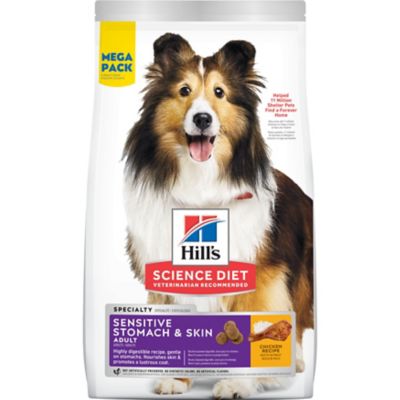
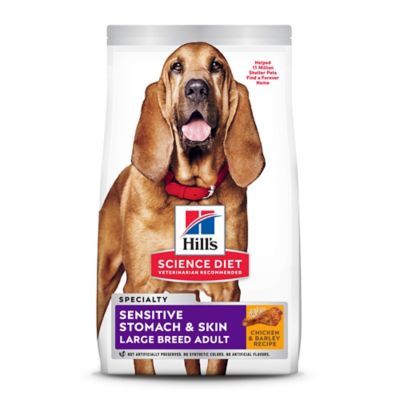
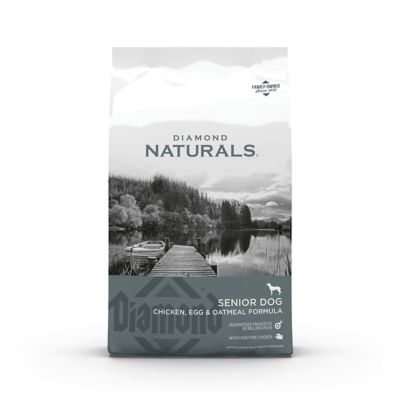
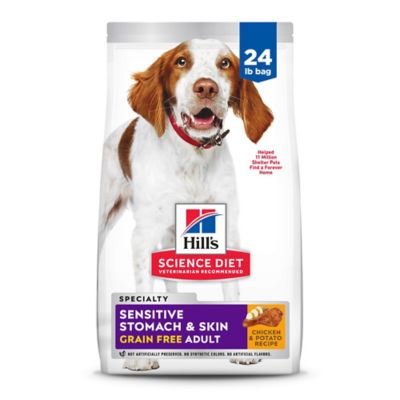
Dog food with vitamin E provides an essential, fat-soluble nutrient that helps protect cells from oxidative damage and supports normal immune function. Commercial dog food labeled complete and balanced for your dog’s life stage should already supply enough vitamin E when fed in appropriate amounts, so an extra supplement is not automatically necessary. That makes the whole formula more important than a single nutrient called out on the bag. Protein, fats, vitamins, minerals, and calories all work together to support everyday needs, whether your dog spends the day checking fence lines or keeping an eye on the front porch. Vitamin E also contributes to normal skin and coat health, but its presence alone does not mean a food will stop itching, prevent shedding, or address a medical condition. Persistent scratching, thinning hair, or a sudden change in appetite deserves a conversation with a veterinarian rather than another addition to the bowl. Ingredient panels may list vitamin E supplement or forms such as alpha-tocopheryl acetate. Mixed tocopherols may also appear because they help protect fats in the food from oxidation. Their presence as preservatives is not, by itself, proof that a recipe supplies all the nutrition a dog needs. The nutritional adequacy statement provides better context: it identifies the life stage the food supports and whether its complete-and-balanced claim comes from meeting AAFCO nutrient profiles or passing feeding trials. A food intended only for intermittent or supplemental feeding is different from a complete daily diet, even if vitamin E appears among its ingredients. For a household comparing several recipes, these distinctions help keep the focus on everyday nourishment instead of a long ingredient list. A clearly identified life stage, a suitable calorie level, and feeding directions that fit the dog’s routine matter alongside the vitamin E content. The best match is a food that fits the individual dog’s nutritional needs, appetite, and ability to eat it comfortably.
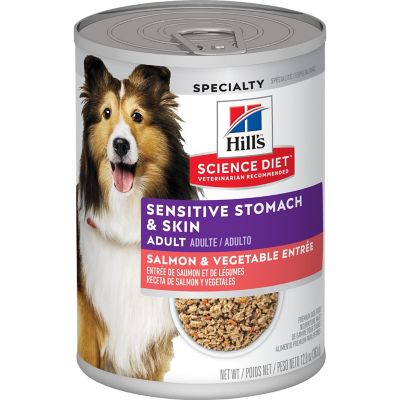
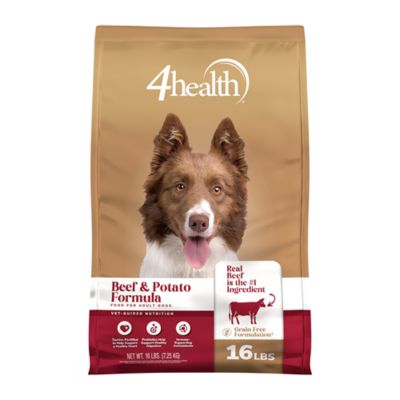
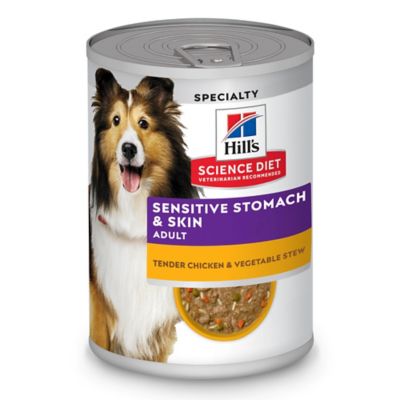
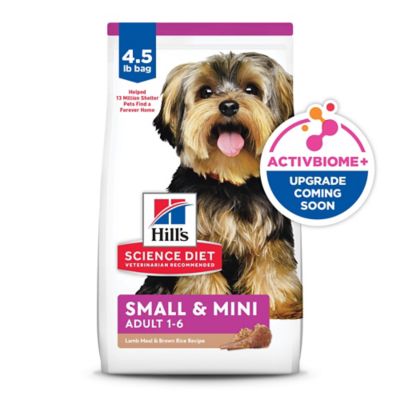
Dog food with vitamin E comes in different textures and recipe styles, giving households room to account for more than nutrition alone. Dry kibble offers a straightforward option for measured meals, while wet food brings a softer texture and more moisture to the bowl. Kibble size and shape can affect how comfortably a dog picks up and chews a meal, especially when comparing a little companion dog with a broad-mouthed farm dog. Dogs with missing teeth, mouth pain, or trouble swallowing may need a veterinarian’s help finding a suitable texture rather than simply a smaller bite. Wet and dry foods can also share a feeding routine, provided the combined portions account for the dog’s daily calories. Cup-for-cup comparisons can be misleading because recipes vary in calorie density, and adding a generous scoop of wet food on top of a full kibble serving can turn a balanced meal into more food than a dog needs. Life stage matters just as much as format. Growing puppies need food formulated for growth, and puppies expected to reach a large adult size need an adequacy statement that specifically includes growth of large-size dogs. Adult maintenance food serves a different purpose, while an all-life-stages formula still needs to fit the dog’s calorie needs and health history. An older dog does not automatically need extra vitamin E simply because of age; body condition, muscle maintenance, dental comfort, and medical concerns all deserve attention. Recipe preferences matter, too, but a familiar protein source or a grain-free label does not establish how much vitamin E a food supplies or whether it is the better fit. Dogs with suspected food allergies or ongoing digestive trouble benefit from veterinary guidance before a major recipe change. For dogs already eating a prescribed diet, a nutrient highlighted on another package is not a reason to switch without checking with the veterinarian who manages their care.
The rest of the bowl deserves the same attention as vitamin E. Zinc is another essential nutrient involved in normal skin health and other body functions, and
Dog Food With Zinc offers a related category for comparing foods that contain it. Neither nutrient replaces the other, and adding more of either is not automatically better. A complete-and-balanced formula is designed to provide nutrients together in appropriate proportions. Vitamin E supplements, concentrated oils, and large amounts of extras can complicate that balance, particularly for dogs with health conditions or medications. A veterinarian can determine whether a supplement is warranted and recommend an amount based on the dog’s diet and medical needs. Small portions of dog-safe whole foods may fit into a feeding routine, but they are not a dependable way to correct a suspected deficiency. Treats and other extras generally should account for no more than 10 percent of daily calories unless a veterinarian recommends a different plan. That includes the bites handed out near the kitchen counter and the rewards tucked into a pocket for recall practice. Food care matters after the bag or can comes home, too. Dry food keeps best in its original bag, with the opening closed, inside a clean, tightly closing container that shields it from moisture, sunlight, and pests. The original packaging also keeps the lot information and best-by date handy. Storage near fuel, lawn chemicals, or other strong-smelling supplies is not a good fit for pet food. Opened wet food needs prompt refrigeration according to its label, and bowls should be washed regularly rather than topped off over old leftovers. Gradual food transitions over several days often make a change easier on digestion, unless a veterinarian directs otherwise. Consistent portions, fresh drinking water, and attention to appetite, stool, and body condition help keep a food’s vitamin E content in perspective: it is one important part of a feeding routine built around the whole dog.