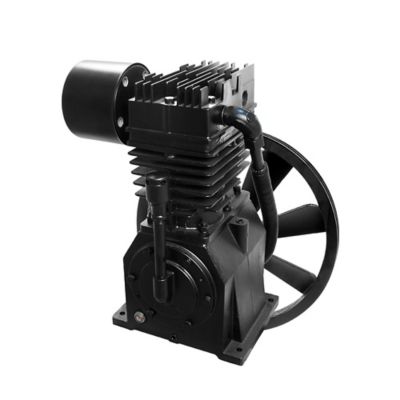
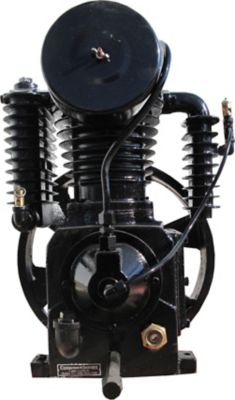
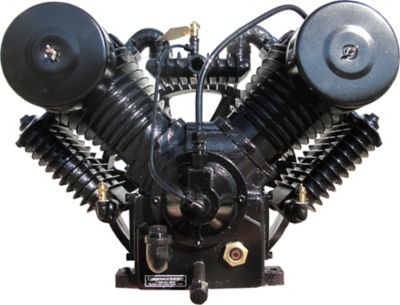
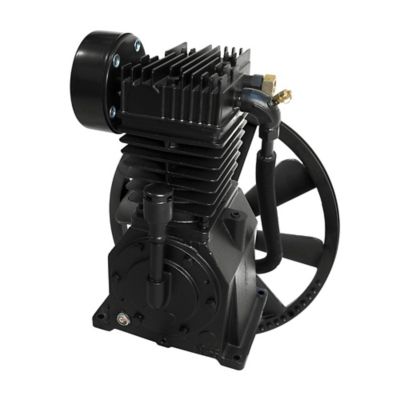
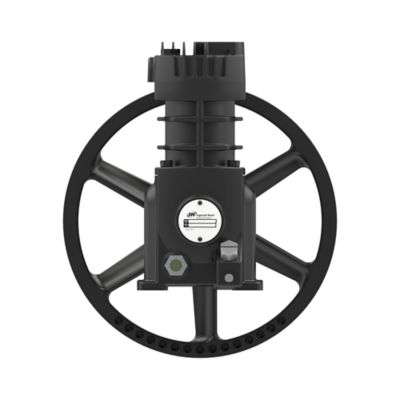
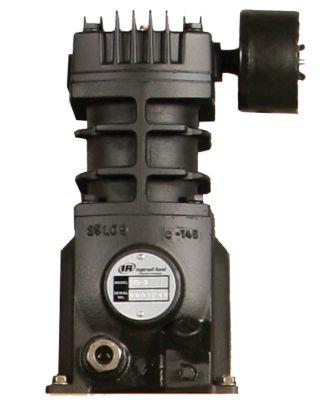
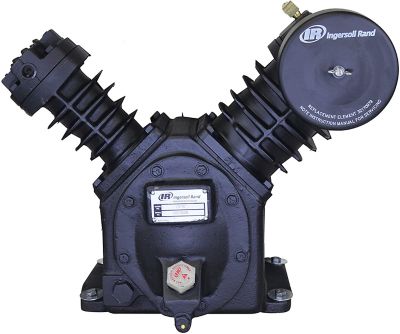
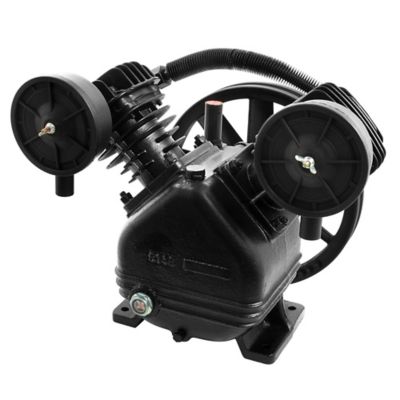
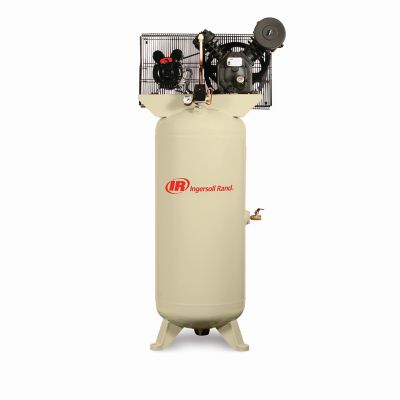
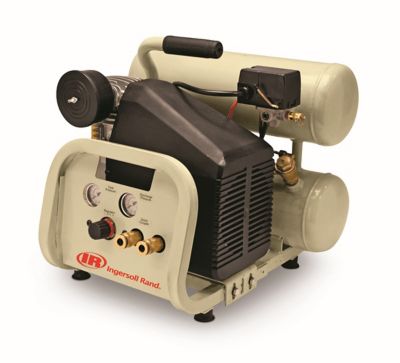
Two-stage air compressor pumps compress air in two steps, helping a properly matched compressor system reach higher pressures for demanding shop work. Air enters a larger, low-pressure cylinder for the first compression stage, passes through an intercooler that sheds some of the heat, and then enters a smaller, high-pressure cylinder for the second stage. Many two-stage systems operate at pressures around 175 PSI, though the pump’s specifications and the ratings of the complete compressor determine its operating limits. Cooling the air between stages reduces the work needed for the second compression step; overall efficiency still depends on the pump design, drive system, operating speed, and workload. For a farm shop, equipment repair bay, or busy home garage, that arrangement can support jobs that call for higher pressure and steady airflow. An impact wrench breaking loose stubborn fasteners needs a different air supply than a spray gun laying down a finish or a grinder running through an extended repair. That makes airflow just as important as maximum pressure when comparing two-stage compressor pumps. Cubic feet per minute, or CFM, describes the volume of air delivered, and that figure needs to be considered at the pressure the tools require. Ratings listed under different test conditions do not always make a straight comparison. A high PSI rating alone does not mean a pump can keep several tools running together. The receiver tank provides a reserve of compressed air, but the pump’s delivery determines how well the system replenishes that reserve while work continues. A pump is also only one part of the compressor assembly, not a complete air system with a motor, tank, controls, and protective components. Two cylinders alone do not establish that a pump has two stages, either: some single-stage designs have two cylinders working at the same pressure. The compression arrangement and manufacturer specifications tell the real story.
Construction matters when a compressor has to keep up with long stretches of wrenching, fabrication, or machinery maintenance. Cast-iron cylinders are common in two-stage compressor pumps because they provide wear-resistant running surfaces and substantial cylinder walls. Depending on the design, aluminum components, cooling fins, and flywheels shaped to move air help manage heat around the pump. Bearings, connecting rods, valves, and crankshaft construction also influence how the assembly handles its intended workload. Details such as accessible intake filters, a readable oil sight glass, and serviceable valve assemblies can make routine upkeep less of a chore. For more background on how the main parts work together,
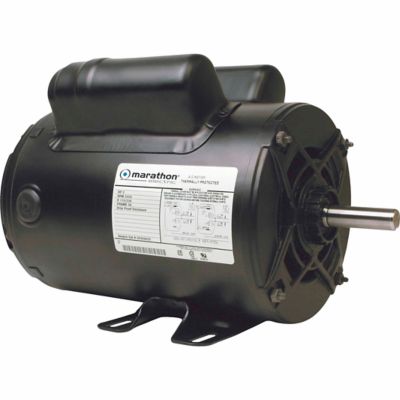
Compressor Construction explains the system beyond the pump itself. Physical fit deserves just as much attention as the materials, especially when replacing a pump on an existing compressor. Mounting-hole spacing, overall dimensions, shaft diameter, flywheel placement, rotation direction, and discharge connections all affect compatibility. Enough clearance for belt guards, cooling airflow, and maintenance access matters once the assembly is back in place. Motor horsepower is part of the match, but a horsepower label by itself does not confirm that a motor and pump belong together. Required pump speed, drive ratios, starting demands, and the manufacturer’s power requirements all come into play. Turning a pump faster than its specified range can create excess heat and wear rather than a practical increase in output. Pressure switches, unloaders, check valves, and pressure-relief devices also need to suit the complete system. An unloader helps reduce the load during startup, while the other controls manage pressure and prevent unwanted backflow. A higher-pressure replacement pump does not raise the pressure rating of an existing tank, hose, or fitting. The lowest-rated component still sets a limit, and an older receiver with corrosion or damage needs evaluation by a qualified professional rather than a stronger pump.
Daily workload helps separate a sensible match from a setup that spends too much time trying to catch up. A shop handling occasional tire service and short bursts from an impact wrench has different needs from a repair operation running grinders or other air-hungry tools for extended periods. Duty-cycle ratings describe how much running time a pump can handle under specified conditions, so they belong alongside airflow and pressure in any comparison. Allowance for overlapping tool demand can matter when one person is working at a bench while another is servicing equipment across the shop. Air lines, couplers, regulators, and filters also affect the pressure and airflow that actually reach the tool; a capable pump cannot make up for every restriction downstream. For oil-lubricated designs, the specified compressor oil, proper oil level, and scheduled oil changes help protect moving parts. Intake filters need attention in shops where grinding dust, dirt, or feed dust can collect, and cooling surfaces need room to shed heat. Belt condition, pulley alignment, and mounting hardware influence vibration and smooth operation. Moisture management remains part of the larger system, since compressed air releases water as it cools. Tank draining, suitable filtration, and air-drying equipment help protect tools and support tasks such as painting, where moisture or oil carryover can spoil the result. Service intervals and procedures vary by pump, so the manufacturer’s maintenance instructions take precedence over a one-size-fits-all schedule. Before maintenance, electrical power must be isolated and stored pressure relieved as directed for the equipment. A two-stage compressor pump fits best when its airflow, pressure range, mounting arrangement, and service needs line up with the work ahead. Whether that work means maintaining tractors, repairing trailers, or keeping a small fabrication shop moving, the right match supports steady progress without asking the compressor system to operate beyond its limits.