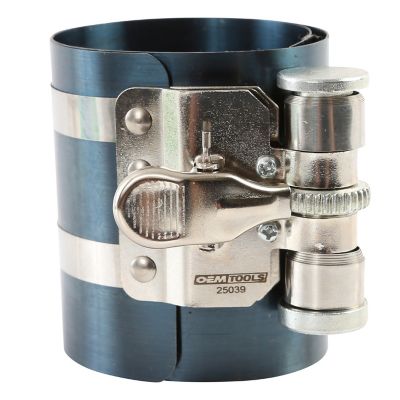
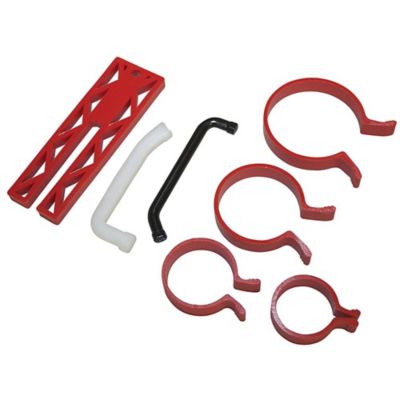
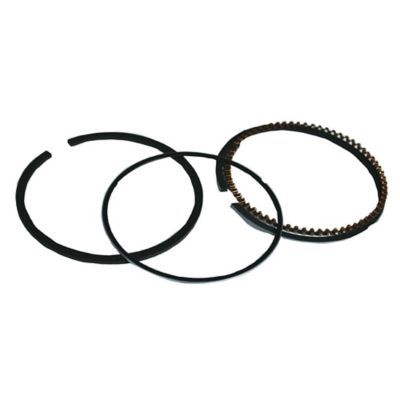
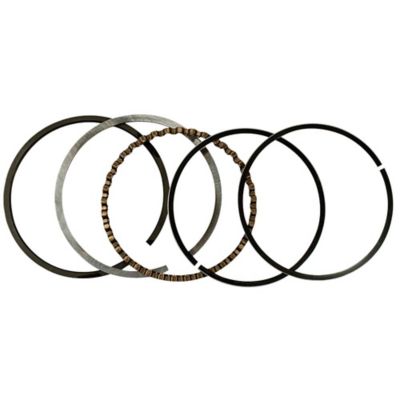
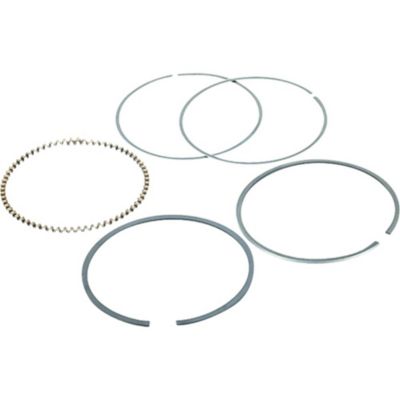
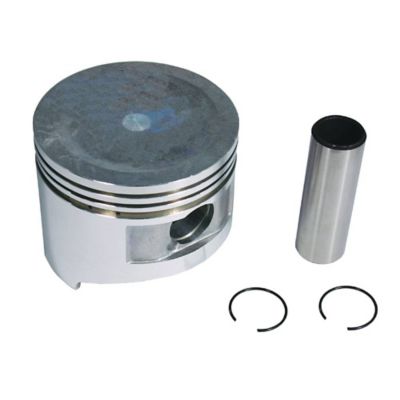
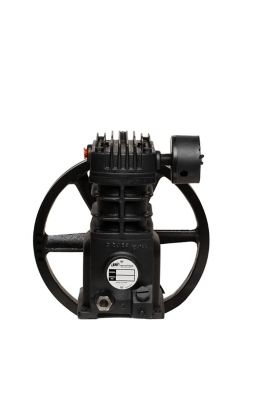
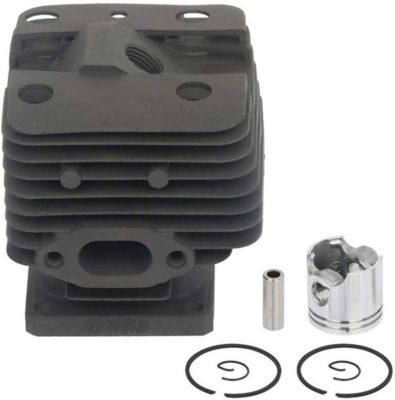
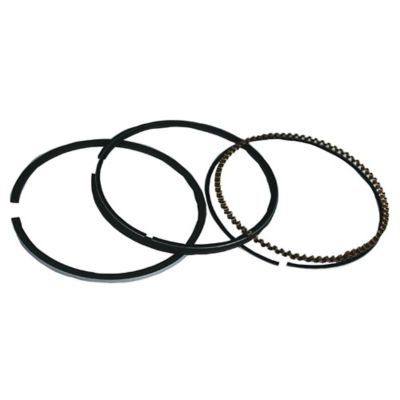
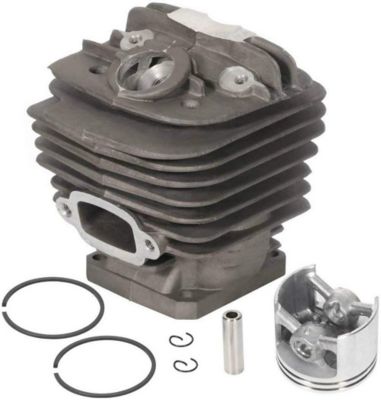
Compressor rings, often called piston ring compressors, are handy engine-building tools designed to squeeze piston rings into their grooves while you guide the piston into the cylinder bore. The tool keeps the rings tucked neatly against the piston so they can pass through the top of the cylinder without catching on the deck or breaking. This makes a compressor ring useful during engine rebuilds, cylinder repairs, equipment maintenance and other jobs where a piston has been removed and needs to go back into the block. Farmers, ranchers, small-engine repair shops, automotive technicians and do-it-yourself mechanics may reach for one when working on tractors, mowers, generators, motorcycles, utility vehicles or other gas and diesel equipment. A good compressor ring takes some of the guesswork out of the job, especially when the piston and rings are new, the bore is tight, or the engine uses several narrow rings that need to stay seated. It is a small tool, but it can save a lot of frustration at the workbench and help protect delicate ring edges during assembly. For a closer look at related equipment and design details, visit
Compressor Construction.
When choosing compressor rings, start with the engine’s cylinder bore size and the piston ring set you are installing. A tool that is too small will not cover the bore, while one that is too large may not hold the rings evenly. Check the engine service manual, repair instructions or manufacturer specifications for the bore diameter and any special installation requirements. Adjustable band-style compressors are useful for many general repairs because they can cover a range of bore sizes, making them a practical choice for a home shop or a garage that works on different equipment. Tapered compressors are sized more closely to a particular bore and can offer a steady, even squeeze when the fit is correct. Pay attention to the band height as well as the diameter, since a taller piston or a ring pack positioned farther down the piston may need a compressor that provides enough coverage. A smooth inner surface helps prevent scratches, and a strong tensioning mechanism should tighten evenly without slipping. Look for easy-to-grip handles, a simple adjustment system and sturdy construction that can stand up to repeated use. Keep in mind that a piston ring compressor is not the same as an air compressor component; it is a mechanical hand tool used during piston installation. It can make a thoughtful gift for someone who enjoys rebuilding engines, maintaining farm equipment or filling a rural garage with useful tools, particularly when paired with engine assembly lubricant, shop towels or other basic repair supplies.
Before using compressor rings, clean the piston, ring grooves, cylinder bore and engine deck carefully. Dirt, carbon or a small metal chip can keep a ring from seating correctly or leave a damaging mark inside the cylinder. Install each ring in the proper groove, confirm the rings are facing the right direction and stagger the ring gaps according to the engine maker’s instructions. Do not rely on a general gap pattern when the service manual calls for something different. Coat the rings, piston skirt and cylinder wall with clean engine oil or the assembly lubricant recommended for the job. Place the compressor squarely around the ring pack and tighten it just enough to bring the rings flush with the piston; excessive pressure is unnecessary and may damage the rings or tool. Set the piston at the correct orientation, then place the compressor flat against the engine block deck so the bottom edge of the tool is supported evenly. A firm push on the piston, sometimes helped by the wooden handle of a hammer, should move it into the bore. Never drive the piston in with force or strike the compressor with a hard metal tool. If the piston stops, back up and check the ring gaps, compressor alignment, bore condition and ring position. A ring that catches can break quickly, and a broken ring may score the cylinder or require the assembly to come back apart. Wear eye protection, keep loose clothing away from the work area and support the engine securely before starting. After installation, turn the crankshaft by hand through several revolutions to make sure the piston moves smoothly before fitting the head or starting the engine. With the right size, clean preparation and a patient hand, compressor rings help make a careful engine rebuild go much more smoothly.