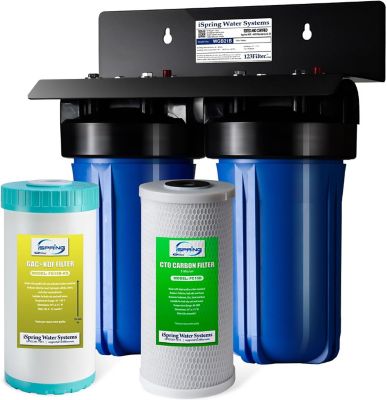
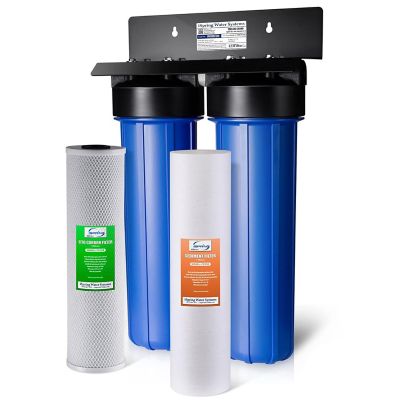
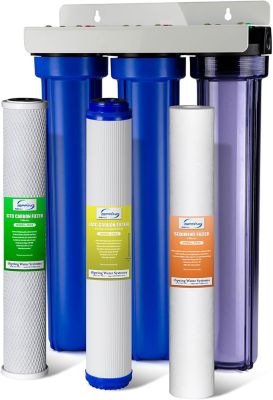
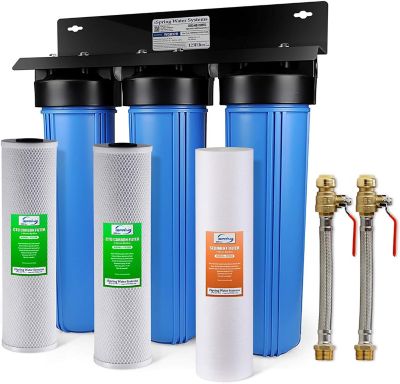
Whole house water filtration systems treat water as it enters the home, helping address specific water concerns before the supply reaches connected faucets, showers and appliances. Also called point-of-entry systems, they typically sit on the main supply line ahead of the water heater and household plumbing branches. That setup brings filtration beyond the kitchen sink, whether the daily routine includes washing a load of chore clothes, filling the coffee pot or getting cleaned up after work around the property. The right treatment depends on what is in the water, not simply whether it comes from a well or a municipal supply. Municipal water may carry a noticeable chlorine taste or smell, while a private well may bring in sand, fine sediment, iron or other naturally occurring substances. Neither source calls for the same equipment in every home. A municipal water report provides useful background, and testing at the house can help identify concerns that matter at the tap. Private well owners benefit from laboratory testing that covers both local water conditions and potential health concerns; clear water and a pleasant taste do not establish that water is safe to drink. For homes connected to a public supply,
Whole House Water Filters For City Water offers a more focused look at that treatment category. Across either water source, filtration works best when the system’s stated reduction claims match the test results. A sediment filter does not take the place of treatment for dissolved contaminants, and a carbon filter does not automatically address bacteria, hardness or every substance that can affect drinking water. Some concerns need several treatment stages or separate equipment. Lead introduced by plumbing inside the house, for example, may call for treatment at the drinking-water tap rather than filtration only where water enters the building.
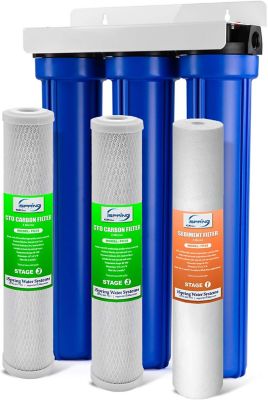
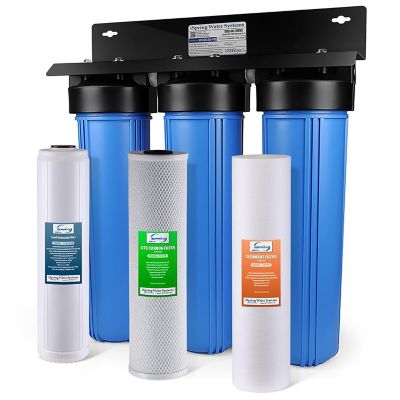
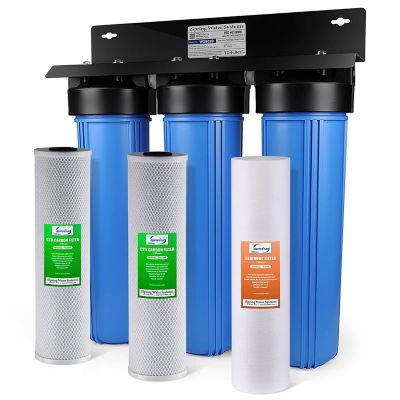
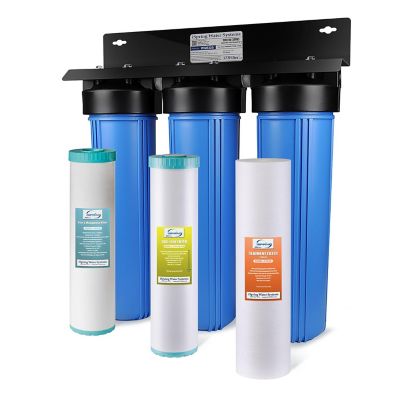
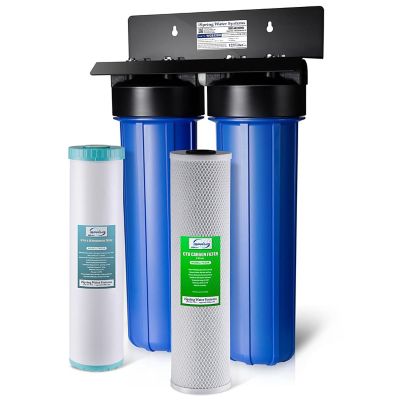
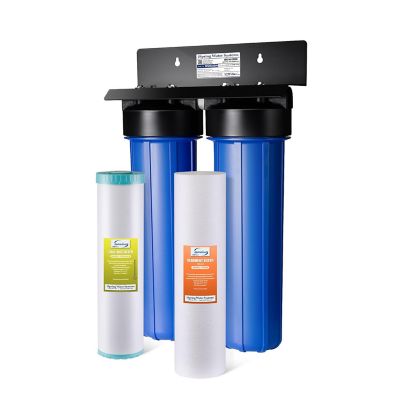
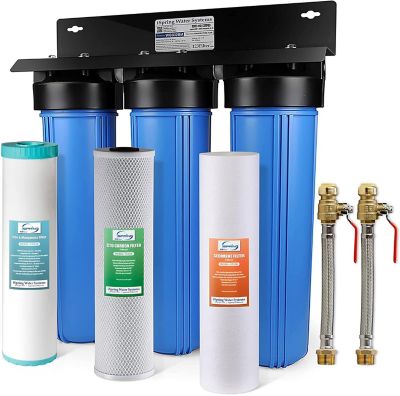
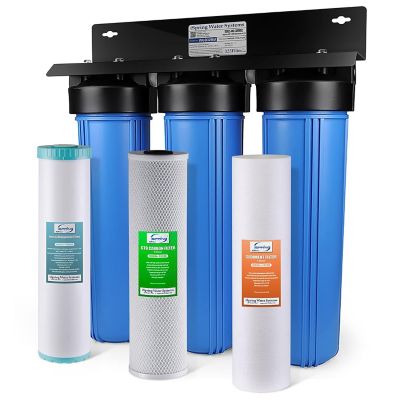
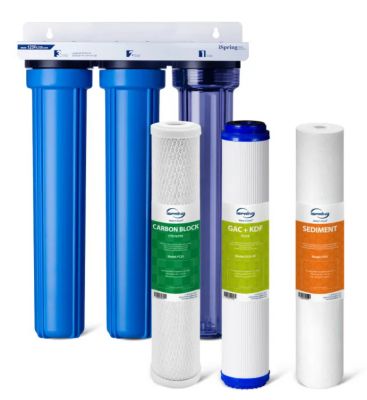
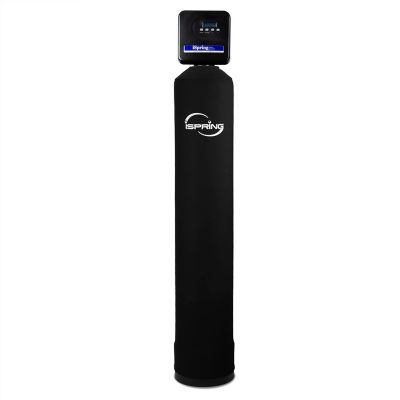
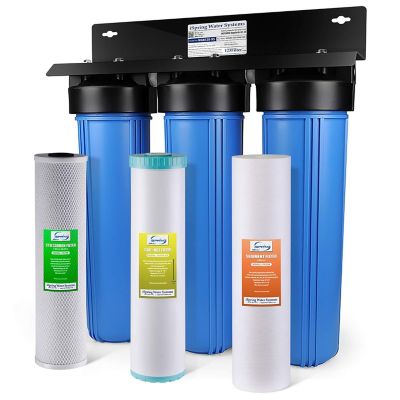
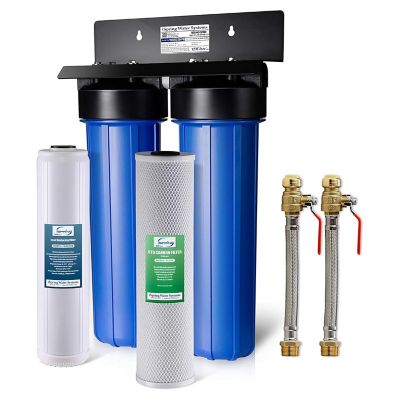
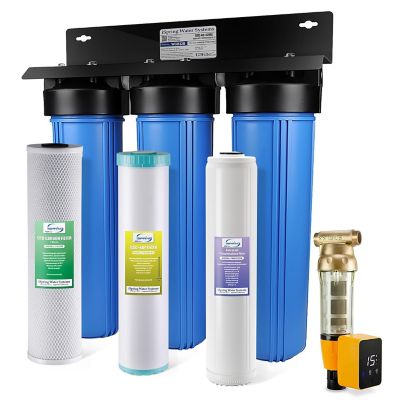
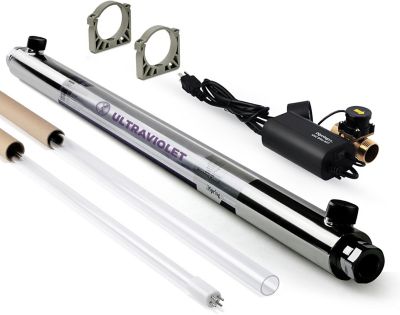
The equipment inside a whole home water filtration system determines what it can address. Sediment cartridges catch particles such as sand, dirt and rust, helping keep grit out of faucet screens and connected equipment. Their micron ratings describe the particle sizes they are designed to capture, but nominal and absolute ratings are not interchangeable. Finer filtration can also restrict flow more quickly when the incoming water carries a heavy sediment load. Activated carbon can reduce chlorine and certain taste- and odor-causing compounds, while chloramine treatment generally calls for media and contact time suited to that disinfectant. Claims for reducing particular chemicals should be checked against the system’s testing or certification rather than assumed from the presence of carbon alone. Specialty media may address iron, manganese or sulfur-related odors under specified water conditions. A water softener handles a different job: reducing hardness minerals that contribute to scale. Whole house filtration does not necessarily soften water, and softening does not replace filtration for other concerns. Where testing identifies a need for microbial treatment, properly sized and maintained disinfection equipment may belong in the treatment setup, often after filtration that prepares the water for that process. Cartridge housings and larger media tanks also suit different maintenance routines. Cartridge systems need periodic filter changes, while some tank-based systems backwash their media and require a suitable drain connection. Physical fit matters just as much as treatment type. Reinforced polymer housings, stainless steel components and lead-free brass fittings each have their own installation requirements and operating limits. Plumbing connections must match the home’s pipe size, and every component needs a pressure rating appropriate for the supply. Flow rate, commonly listed in gallons per minute, deserves a close look in a busy household. Running a shower while the washer fills and someone rinses dishes creates a different demand than operating one faucet at a time. Treatment performance depends on staying within the system’s rated service flow, not just its maximum flow figure.
Day-to-day upkeep is part of choosing a whole house water filter system that fits the household. A compact assembly may work well where space is tight, but there still needs to be room below the housings to remove filter bowls and enough access to reach shutoff valves. Larger tanks need a suitable installation area, and backwashing designs may need both electrical service and drainage, depending on how they operate. A bypass valve can make service easier without requiring the entire home’s water supply to remain off throughout maintenance. Pressure gauges before and after filtration can help show when trapped sediment is restricting flow, though pressure readings do not reveal whether carbon has reached its treatment capacity. Replacement timing depends on the filter’s rated capacity, water conditions and household consumption. A home with several bathrooms, frequent laundry and sediment-heavy well water may have a different service schedule than a smaller household with less demanding incoming water. Following the manufacturer’s schedule and keeping a simple record of filter changes, media service and water tests helps prevent maintenance from slipping through the cracks. During cartridge changes, housings need cleaning and sanitizing as directed, seals need inspection, and replacement cartridges must match the housing dimensions and treatment requirements. Proper flushing after service helps clear loose media fines before normal household use resumes. For well setups, the location of filtration in relation to the pressure tank, softener and any disinfection equipment affects how the pieces work together. Outdoor hydrants, livestock lines and irrigation branches may be routed separately when whole-home treatment is intended only for household plumbing. Checking that layout helps avoid sizing a system for water that does not need the same treatment. Independent certification to an applicable standard, such as NSF/ANSI 42 for certain aesthetic claims or NSF/ANSI 53 for specified health-related reduction claims, offers another useful comparison point. Certification applies to the claims listed for that system, not to every possible contaminant. Matching those details to the household’s water, plumbing and maintenance routine makes whole house filtration a practical part of caring for the home.