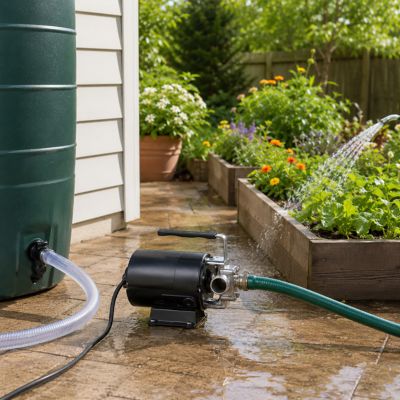
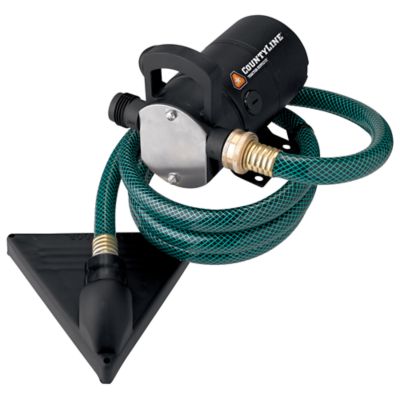
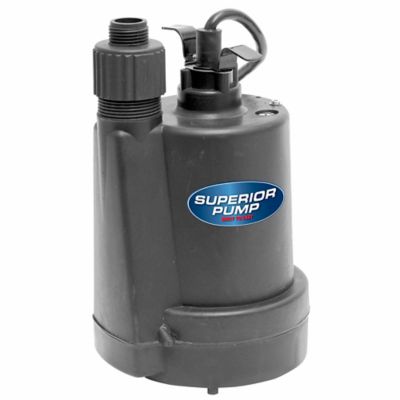
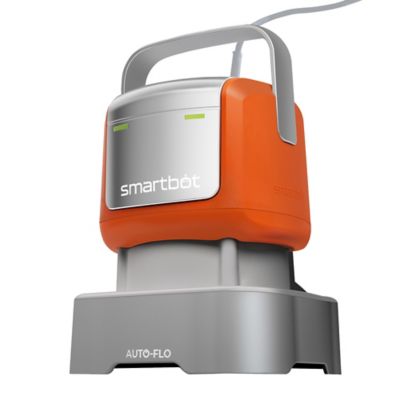
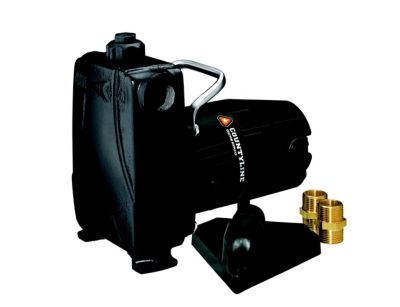
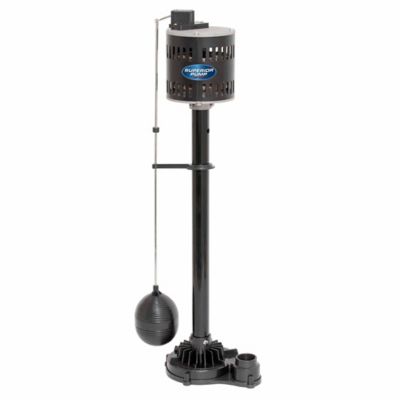
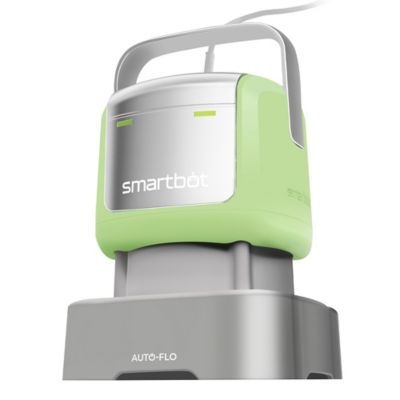
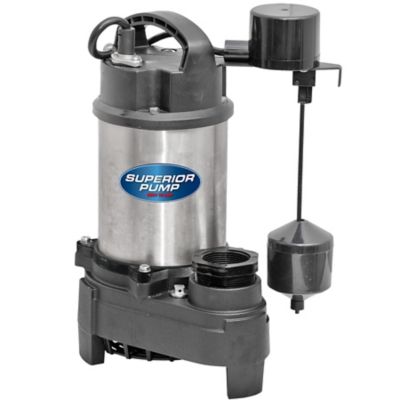
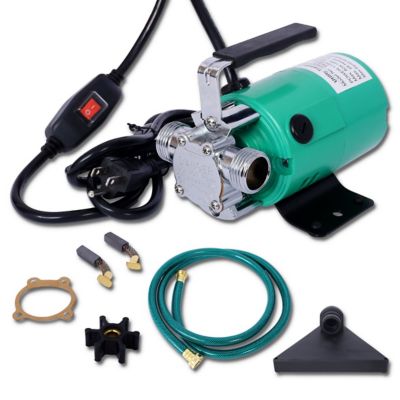
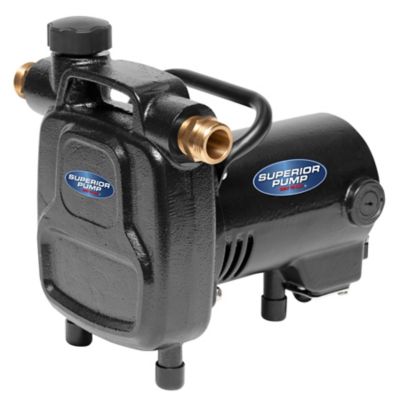
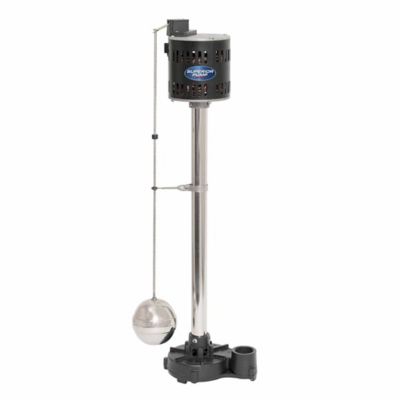
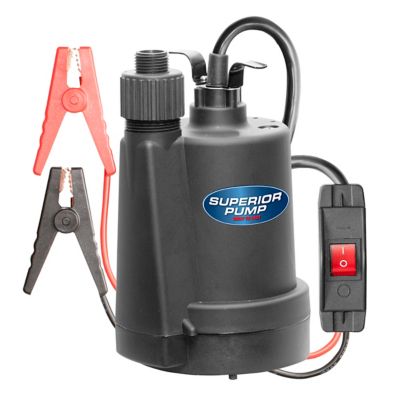
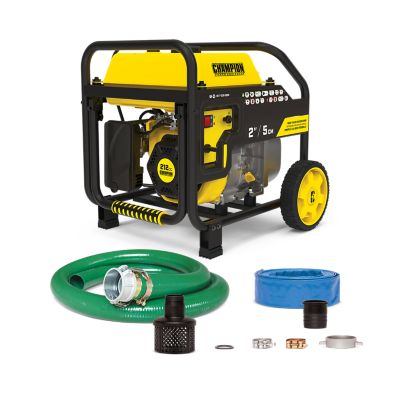
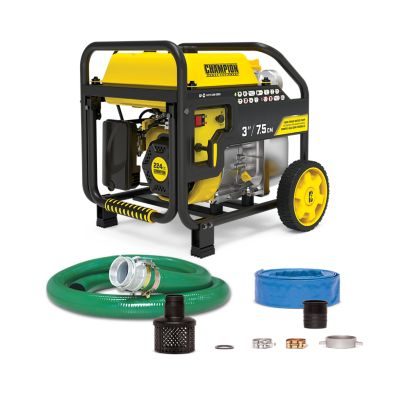
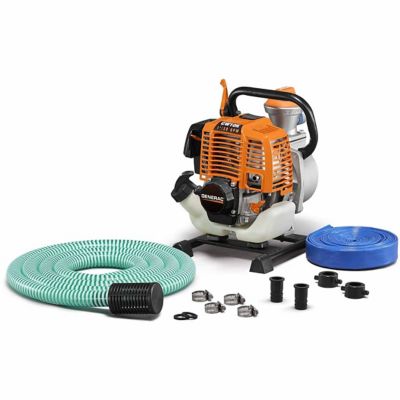
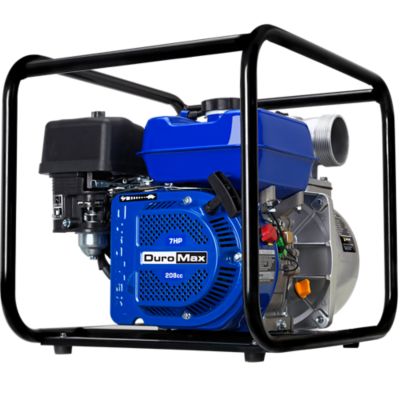
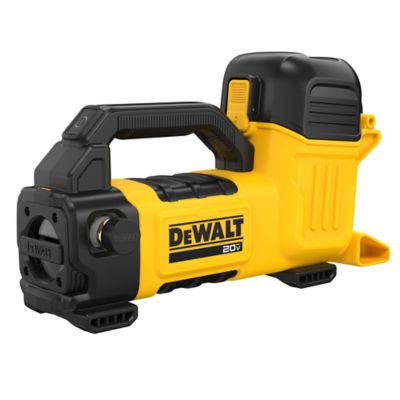
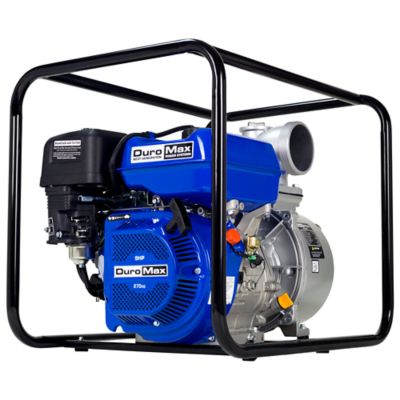
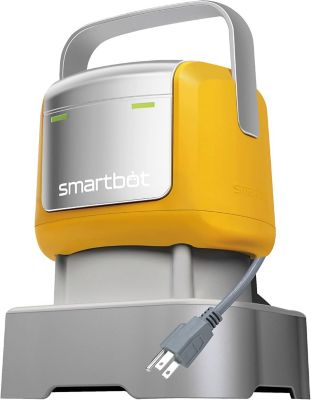
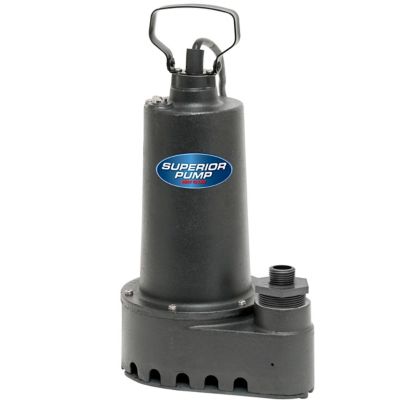
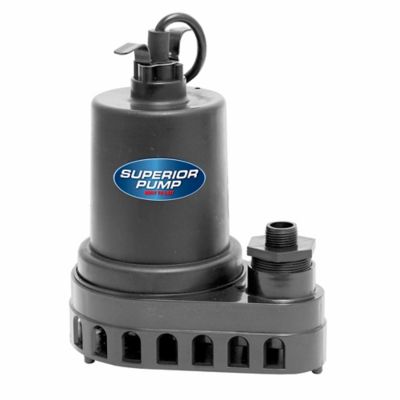
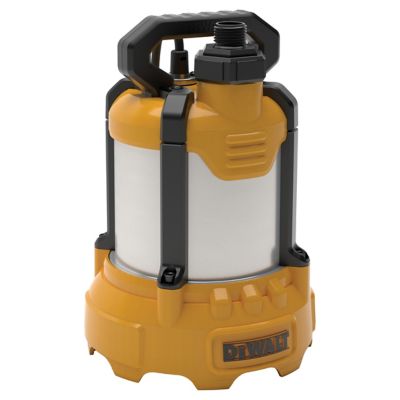
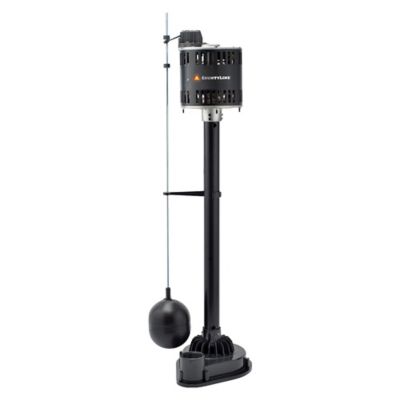
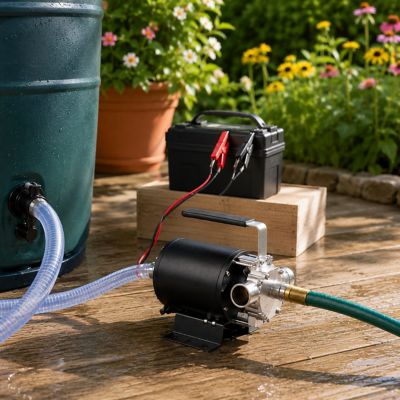
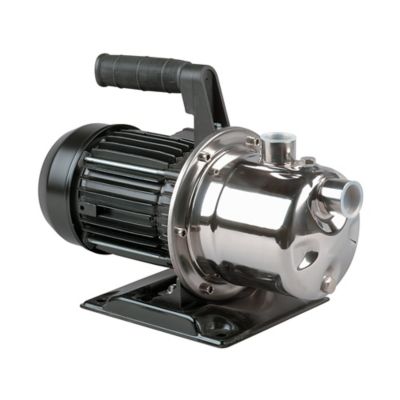
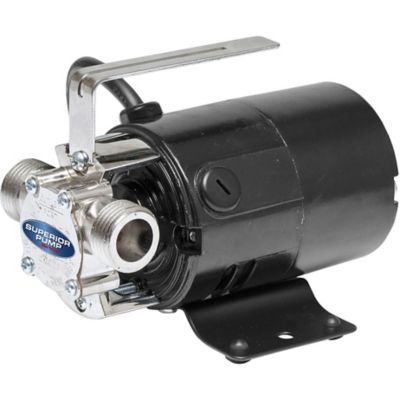
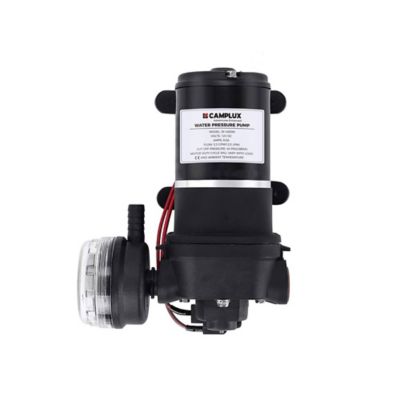
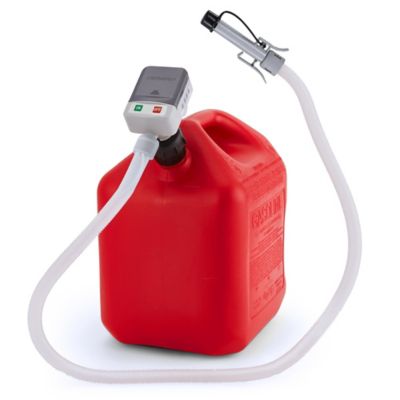
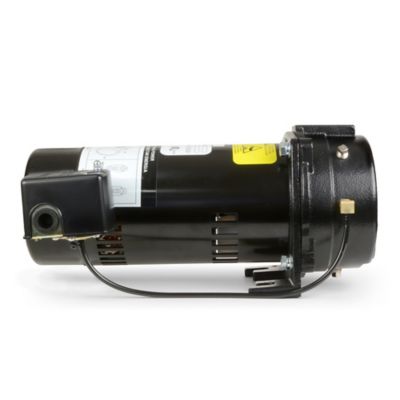
Standing water pumps move pooled water from one place to another, helping clear wet basement floors, low spots around a property, and other areas where water has collected without a natural way out. Many are submersible utility pumps, which sit directly in the water and push it through a discharge hose or pipe to a suitable drainage location. Other designs keep the motor out of the water and draw water through an intake hose. The right fit depends on the water’s depth, how much needs moving, what’s floating in it, and where it needs to go. Around a farm, homestead, or country home, those details can vary quite a bit between a puddle on a concrete floor and a rain-filled depression near an outbuilding. A shallow layer spreading beneath storage shelves calls for different capabilities than deeper water with leaves and grit mixed in. Low-level pickup pumps can remove water closer to a flat surface, but the minimum remaining depth varies by model; not every submersible pump can leave a floor nearly dry. Even a low-level pump may leave a thin film that needs a wet-rated vacuum or mop. Homeowners, property caretakers, and folks looking after barns or workshops often keep a pump on hand because hauling buckets gets old fast, especially when water keeps coming. During the cooler months, repeated rain and stretches of thawing weather can leave familiar trouble spots soggy again. Having equipment matched to those conditions makes cleanup less of a scramble. Standing water pumps are useful for temporary water removal, but they do not correct the grading, blocked drainage, or groundwater conditions behind repeated pooling. For a basement sump that needs ongoing protection, a pump intended for permanent sump service is a better match than a general-purpose utility pump unless that utility pump is specifically rated for the installation.
Pump performance starts with flow rate, commonly listed in gallons per hour, or GPH, and sometimes gallons per minute, or GPM. Those figures describe how much water a pump can move under stated conditions, not necessarily how much it will move through your particular setup. Lifting water from a basement to ground level takes more effort than sending it across a nearly level driveway. That vertical lift, along with resistance from hose length, hose diameter, fittings, and bends, affects the actual flow. Compare the manufacturer’s performance chart at the lift your job requires rather than choosing by the largest number on the package. Maximum head describes the height at which flow falls to essentially zero, so it is not a practical operating target. Horsepower is another useful specification, but more horsepower alone does not tell the whole story. Discharge size matters, too. Some pumps accept a standard garden hose through a fitting or adapter, while others call for a larger discharge hose or pipe. A garden hose may be handy for a modest puddle, but its smaller opening can limit output and stretch out the job. Before buying, check the outlet connection, required adapters, and whether a hose comes with the pump. Water depth deserves the same attention as flow. A pump’s starting depth may be greater than its lowest pumping depth, particularly when an automatic switch needs room to operate. Float switches also need clearance so they do not catch against a wall or nearby object. Automatic operation can help with recurring water, while manual models require someone to monitor water levels and shut them off as directed. Dry-run protection, where provided, adds another safeguard, but its operation should be checked in the product specifications. For equipment that will travel between buildings or drainage jobs,
Portable Water Pumps offer another way to browse options, with close attention to carrying weight, handles, power requirements, and the type of water each design can handle.
The condition of the water helps narrow the selection just as much as its depth. Clear-water utility pumps generally need water with little debris, and their intake screens can clog when leaves, grass, or sediment gather around the base. Picture the shallow pool beside a shed after a hard rain: the surface may look fairly clear while the bottom holds a layer of mud. A pump rated for clean water is not automatically suited to that job. Compare the stated solids-handling limit and permitted applications, and choose equipment intended for dirty water when those conditions call for it. Sewage, fuel, chemicals, and other contaminated liquids require equipment specifically approved for the material; a general standing water pump is not a substitute. Placement matters as well. A firm, stable base can help keep an intake from settling into loose sediment, provided the setup follows the manufacturer’s directions. For electric pumps, check cord length and access to a properly grounded, ground-fault circuit interrupter-protected outlet. Keep electrical connections dry, never lift a pump by its power cord, and do not enter standing water that may be in contact with energized equipment or wiring. Fuel-powered equipment belongs outdoors, well away from doors, windows, and vents, because exhaust can carry deadly carbon monoxide. The discharge destination should be settled before pumping begins: sending water just outside a foundation can bring it straight back, while directing it toward a neighbor’s property creates another problem. Follow local drainage rules and choose a location that can accept the water without erosion or runoff trouble. Once the job is finished, accessible screens, straightforward hose connections, and manageable weight make cleanup and storage easier. Drain the pump and hoses as directed before freezing temperatures arrive, since trapped water can expand and damage components. A pump that fits the work, the water, and the available power is far more useful than one chosen on output alone—and a lot easier to put to work when a dry floor matters.