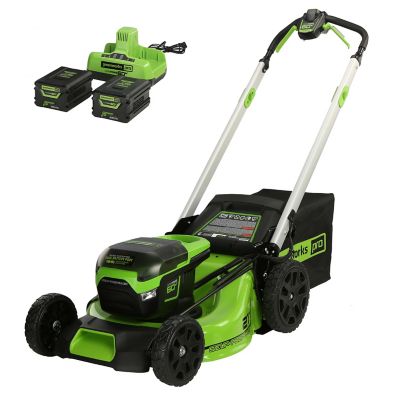
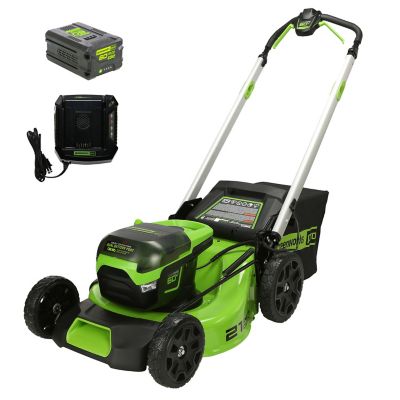
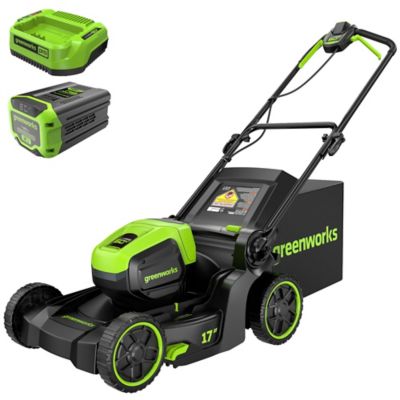
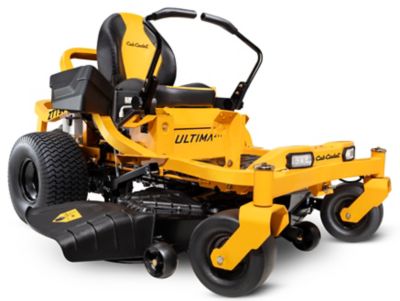
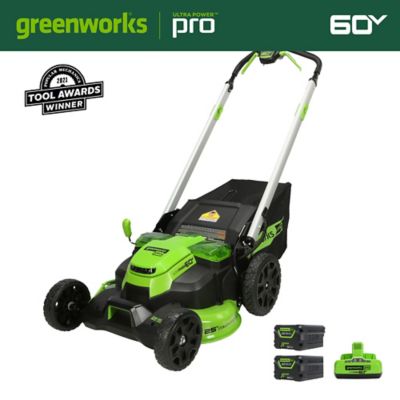
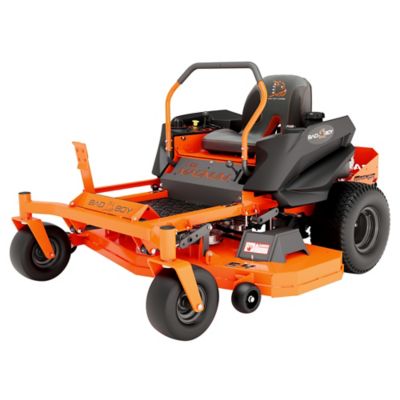
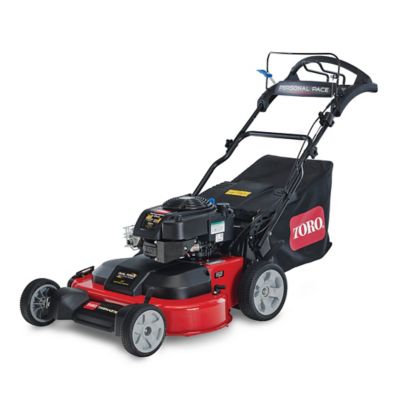
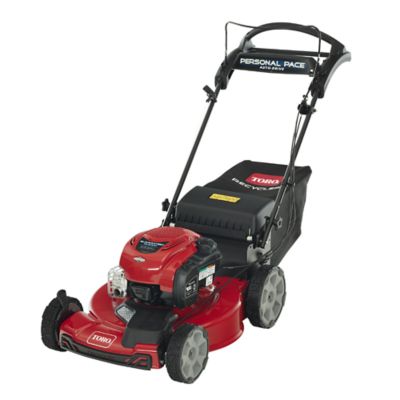
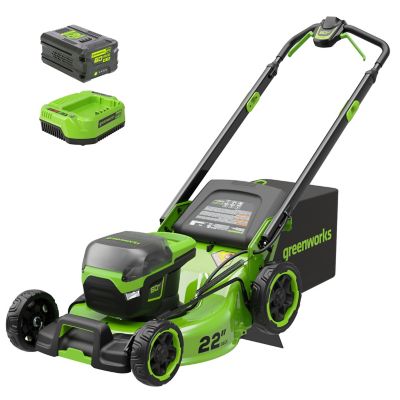
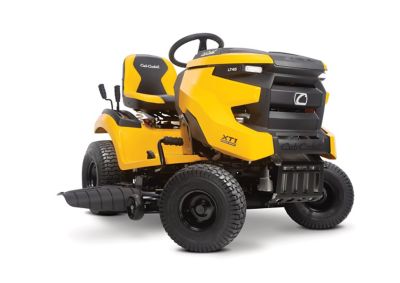
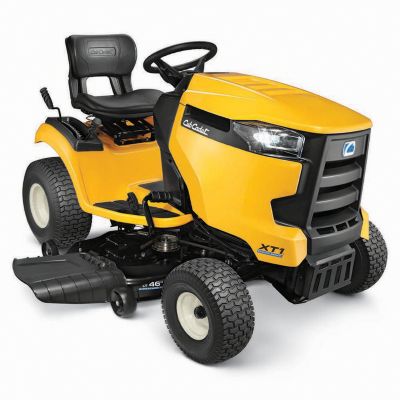
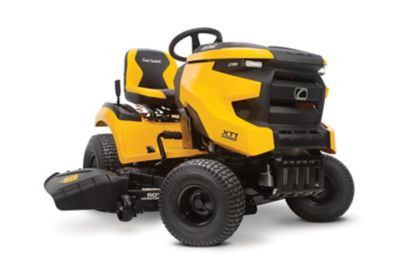
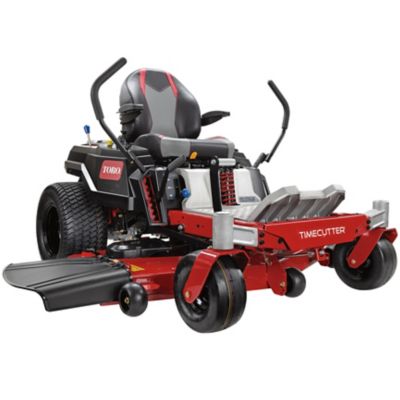
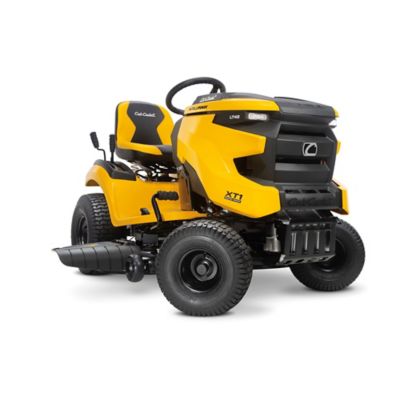
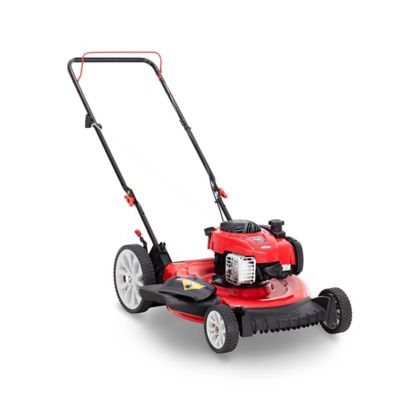
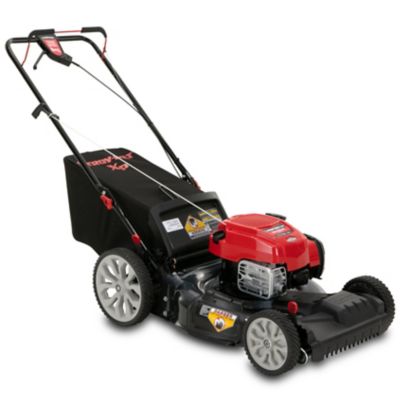
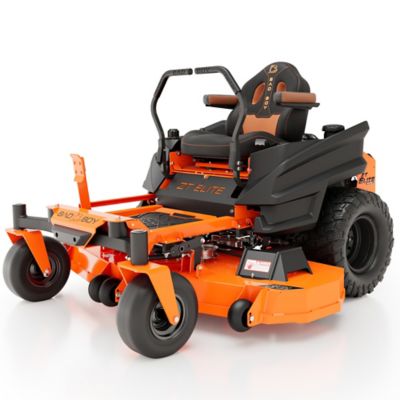
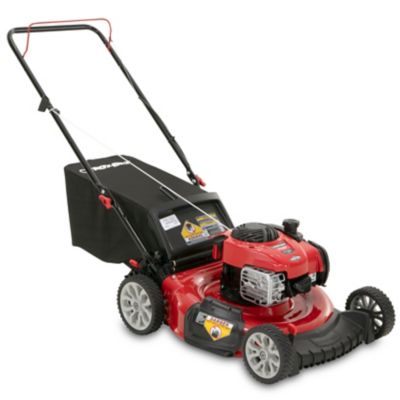
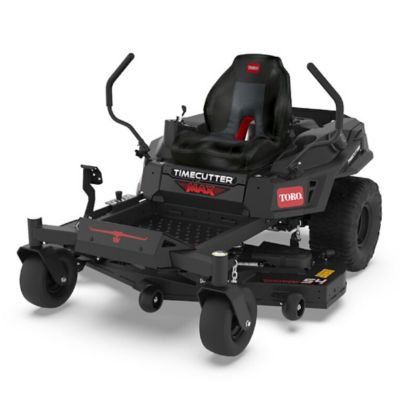
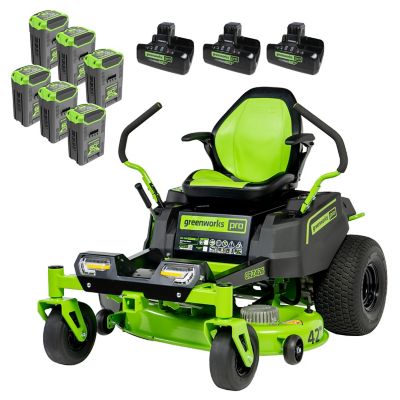
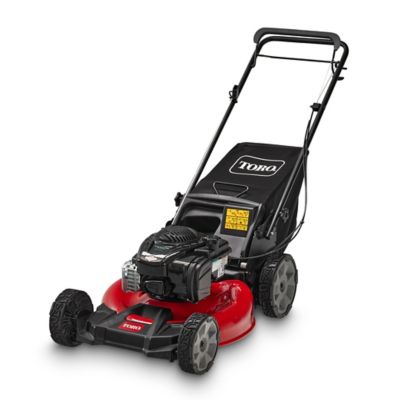
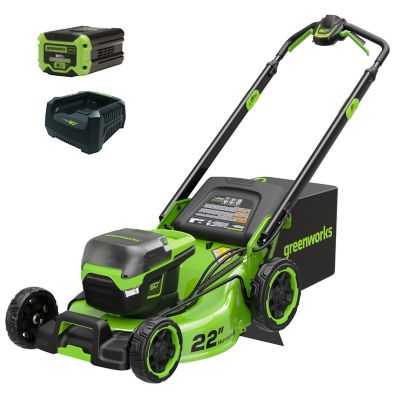
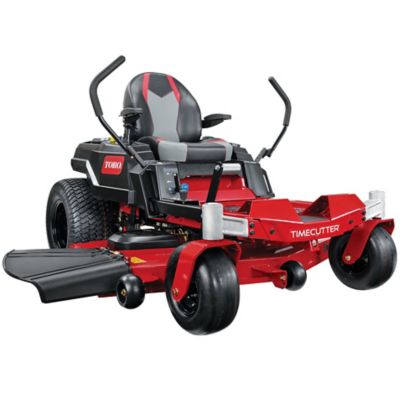
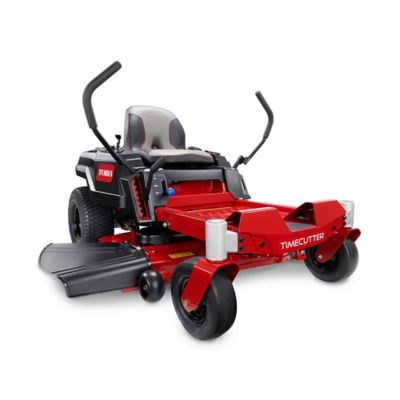
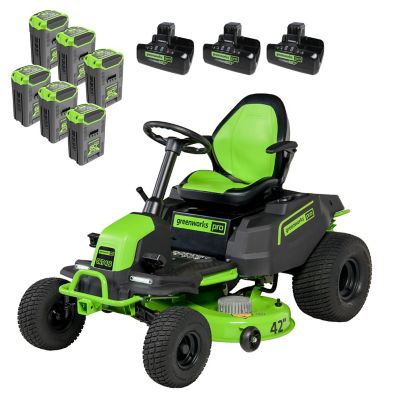
A lawn mower cuts grass to a set height, helping keep yards, open lawn areas, and paths around a property neat and manageable. Grass cutting mowers range from manual reel and walk-behind machines to lawn tractors and zero-turn mowers, with each type suited to different spaces and workloads. A small yard with a narrow gate calls for a different setup than a broad stretch of grass between the house, barn, and driveway. Manual reel mowers cut with a scissor-like action and need no gasoline, battery, or electrical outlet. They tend to fit smaller, fairly level lawns where grass gets trimmed regularly. Push mowers give the operator control in tighter spaces, while self-propelled mowers add powered wheel movement to reduce the effort of moving across the yard. For larger lawns, riding mowers can take much of the walking out of the job. Lawn tractors steer with a wheel and may accommodate attachments when the manufacturer allows them. Zero-turn mowers can turn tightly around trees and landscape beds, although their suitability for slopes depends on the machine and the operator’s manual. The right fit starts with the ground itself: acreage, grade, obstacles, and the narrowest passage the mower must clear all matter. A wide cutting deck covers more grass on each pass, but it also needs room through gates and between buildings. A smaller deck can be easier to maneuver around garden borders, fence corners, and a crowded side yard. For homeowners, acreage owners, and folks maintaining shared grounds, matching the machine to the actual mowing area helps keep the work practical. A mower that handles an open lawn comfortably may still be awkward around closely spaced trees, so turning space matters just as much as total yard size. Storage space counts, too, especially when the mower shares a shed with feed bins, tools, and other equipment. Comfortable handle height, reachable controls, and a seat that adjusts to the operator can make a noticeable difference over a long stretch of mowing.
Power source, deck construction, and grass handling help narrow the choice further. Gas-powered lawn mowers run on fuel and can suit properties where access to charging or an electrical outlet is limited. Their engines require routine attention to oil, air filters, spark plugs, and fuel storage, according to the manufacturer’s directions. Battery-powered mowers start without a pull cord and have no engine oil to change, though blades, wheels, and other moving parts still need care. Their mowing time depends on battery capacity, grass thickness, cutting height, and how hard the machine is working. Battery compatibility matters when other cordless equipment shares the same platform; packs and chargers need to match the mower’s requirements. Corded electric mowers avoid battery charging but need an appropriate outdoor extension cord and a workable route back to an outlet. They generally make more sense for smaller areas without many obstacles to snag a cord. Steel cutting decks are common, while composite decks offer another construction option and do not rust. Deck material alone does not tell the whole story: wheel assemblies, handle joints, belts, blade mounts, and service access also affect how a mower holds up and how straightforward it is to maintain. Wheel size and traction can influence handling over uneven ground, but they do not make every machine suitable for every slope. Grass discharge is another everyday consideration. Side discharge spreads clippings back across the lawn, bagging collects them for removal, and mulching cuts them into smaller pieces that settle into the turf. These functions depend on the mower’s design and installed equipment, so a bag, plug, or blade must match the machine. For a yard beside a porch, walkway, or garden bed, control over where clippings land can save cleanup time. Adjustable cutting height also helps match the cut to the grass species and the lawn’s condition without taking off too much growth at once. A clear, easy-to-reach adjustment system makes that setting less of a chore.
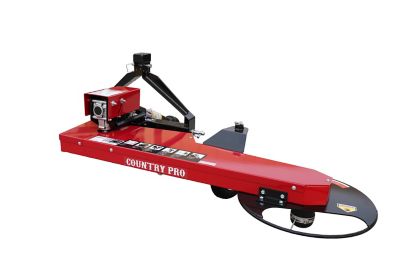
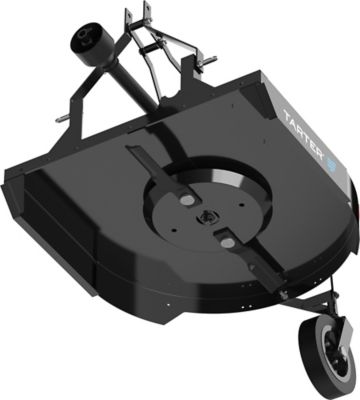
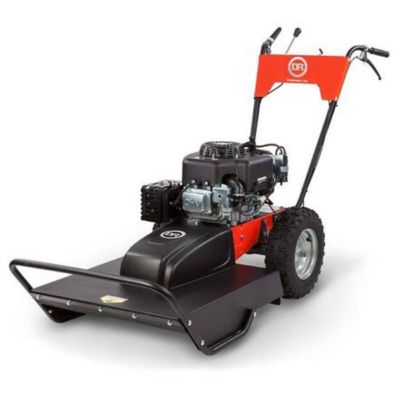
Regular lawn mowing and rough-field cutting are different jobs, even when both involve grass. A finish mower is meant to leave a relatively even lawn surface; it is not a substitute for equipment rated for dense weeds, brush, or rough acreage. For taller growth beyond the maintained yard,
Field Mowers are a separate equipment category worth considering, with cutting capability and terrain limits that depend on the machine. Around a home, keeping the lawn mower within its intended workload helps protect the equipment and leaves a cleaner result. Sharp, balanced blades cut more cleanly than nicked or dull blades, which can tear grass tips and leave the yard looking ragged. Replacement blades, belts, filters, and batteries need to match the mower’s specifications rather than simply look close enough. Clearing packed clippings from the deck, checking wheels and fasteners, and following the service schedule support steady operation over time. Before cleaning, inspecting, or reaching near the blade area, the mower needs to be shut down and secured against an unexpected start as directed in its manual. Storage deserves a little room in the decision, too. Folding handles can help a walk-behind mower fit into a smaller shed, while riding equipment needs enough floor space and doorway clearance for safe parking. Vertical storage is appropriate only for machines specifically designed for it. A clear mowing area matters just as much as a sound machine: stones, wire, toys, and fallen branches can damage blades or become thrown objects. Sturdy footwear, eye protection, and hearing protection where called for belong with the job, and children and pets need to stay clear of the mowing area. Whether the task is trimming a compact front yard or maintaining long runs beside the driveway, a mower matched to the property, operator, and upkeep routine makes grass cutting easier to manage without asking the machine to do work it was never built to handle.