Brush Cutters
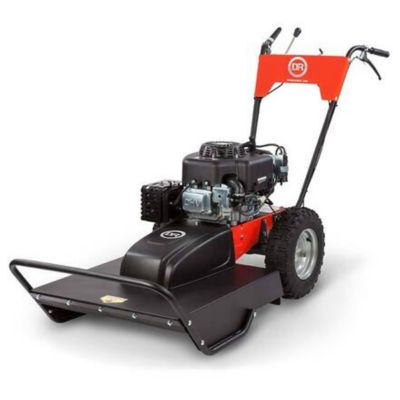
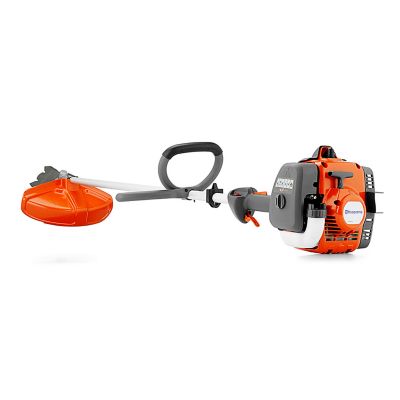
Find brush cutters for tackling thick weeds and overgrown brush along fence lines, field edges, and other hard-to-mow spots. Compare options with your terrain, the growth you need to clear, and your equipment setup in mind to find the right fit for work around your property.
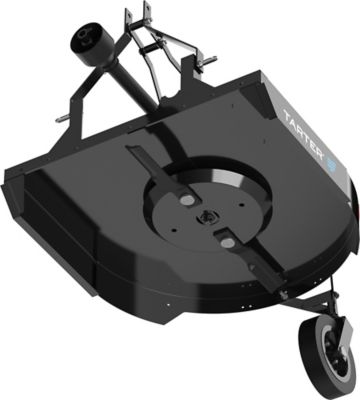
$1,529
.99
Sale Was $1,699.99 Save $170.00 (10%)
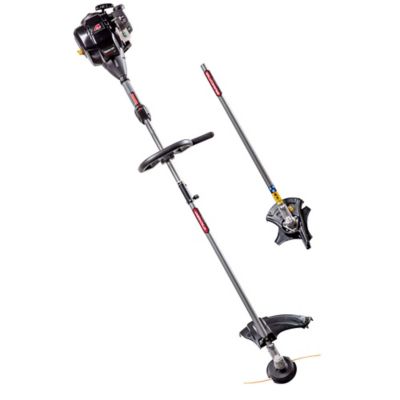
$219
.99
Sale Was $259.99 Save $40.00 (15%)
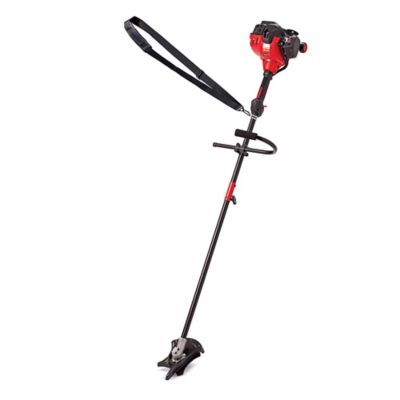
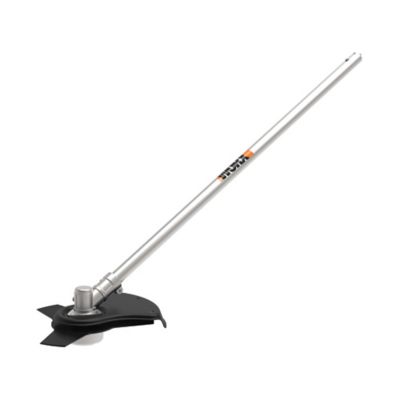
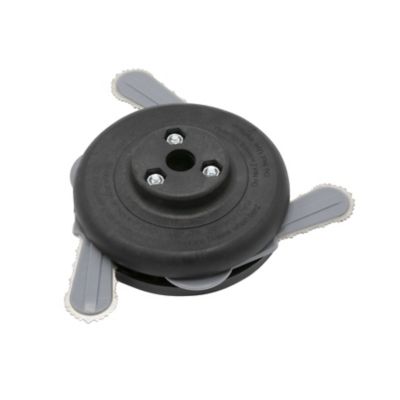
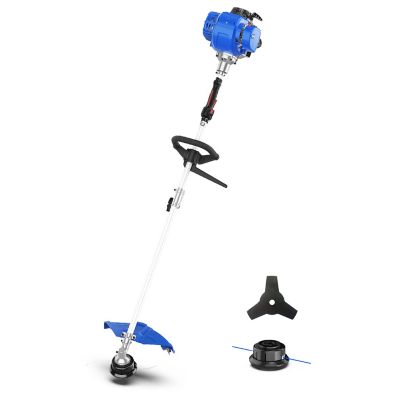
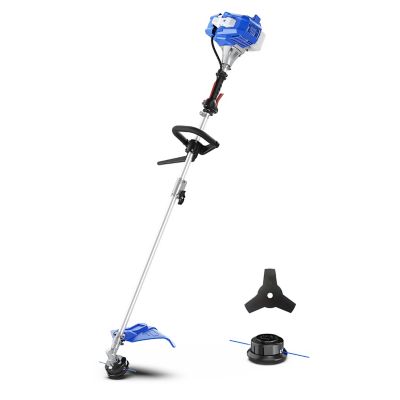
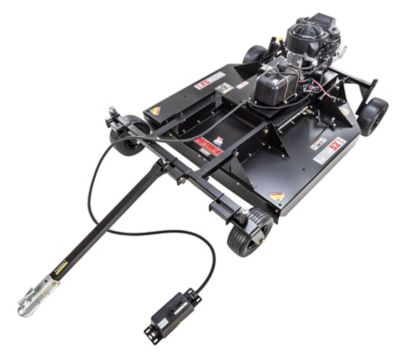
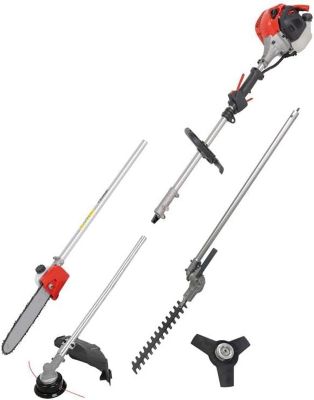
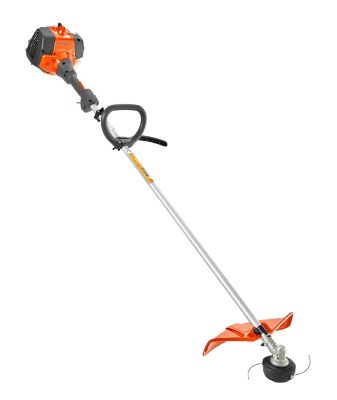
$199
.99
Sale Was $229.99 Save $30.00 (13%)
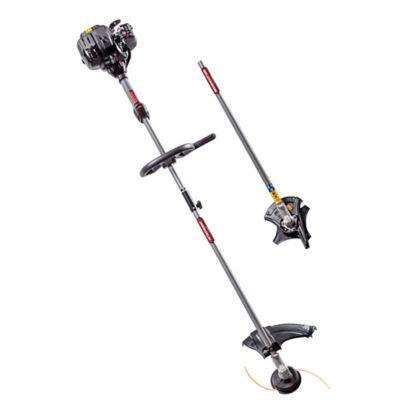
$199
.99
Sale Was $229.99 Save $30.00 (13%)
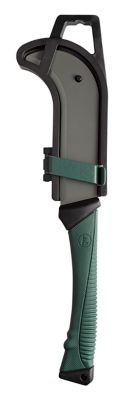
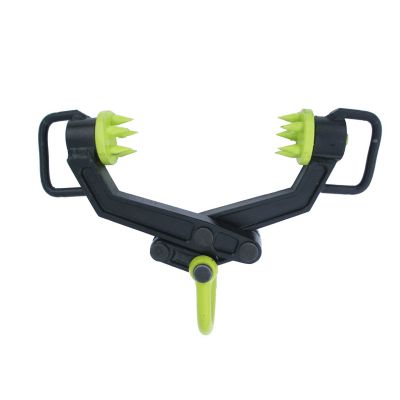
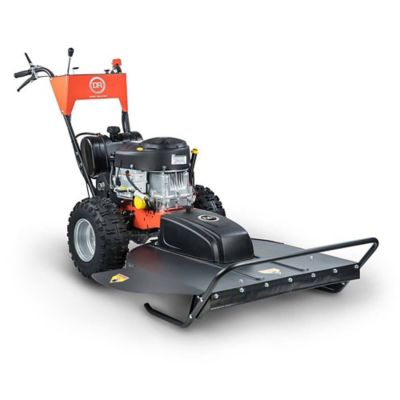
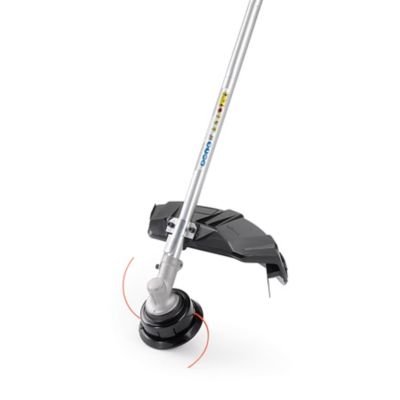
Best Of FAQ
What power sources do brush cutters run on?
Brush cutters may run on gasoline, rechargeable batteries or tractor power, depending on the equipment style. Tractor-mounted models commonly draw power through the tractor’s power take-off, or PTO. Check the equipment specifications to confirm the power source.
What’s the difference between a standalone brush cutter and a brush cutter attachment?
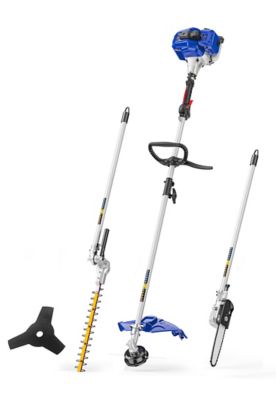
A standalone brush cutter comes with its own power unit and cutting assembly. A brush cutter attachment connects to a compatible power head that may also accept other yard-care attachments. Connection systems vary, so check the manufacturer’s compatibility list before pairing equipment.
What kinds of cutting heads do brush cutters have?
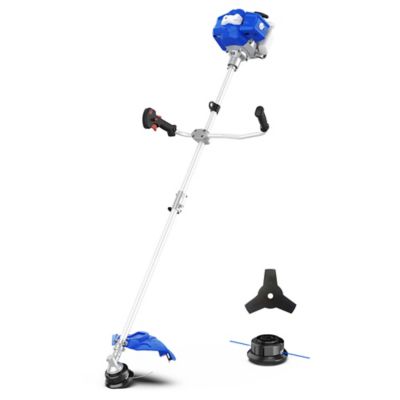
Depending on the model, a brush cutter may have a bladed cutting head or support interchangeable blade and line-trimmer heads. Blade shapes and mounting systems vary. The owner’s manual lists the cutting heads and accessories approved for that machine.
What routine maintenance does a brush cutter need?
Routine upkeep can include clearing away grass buildup, lubricating specified components and maintaining the cutting head. Gas-powered models may also need air-filter, spark-plug and fuel-system care. Follow the model’s maintenance schedule to keep track of chores between jobs.
Are brush cutters and rotary cutters the same thing?
The names can overlap in farm and acreage equipment. Brush cutter often refers to a handheld or walk-behind machine, while rotary cutter commonly describes a tractor-mounted implement with rotating blades beneath a deck. Check the equipment style and connection requirements rather than going by the name alone.
Best Sellers
-
"Absolutely love them. Pick up and move 500 pound columns with ease"
-
"Great product and well made"
-
"Bought this in April and has been the best mower I've bought so far easy to use and cuts great"
-
"I love Dewalt tools , they are the best ,last forever ,this trimmer is very light weight & works just"
-
"Works great on some pretty good size brambles and small bushes"