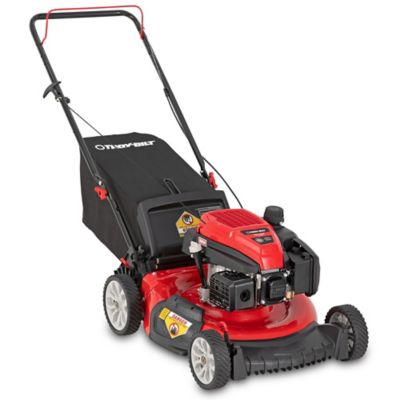
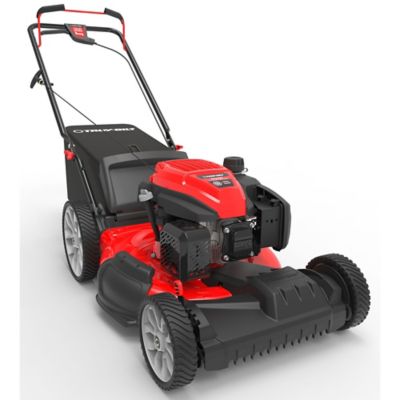
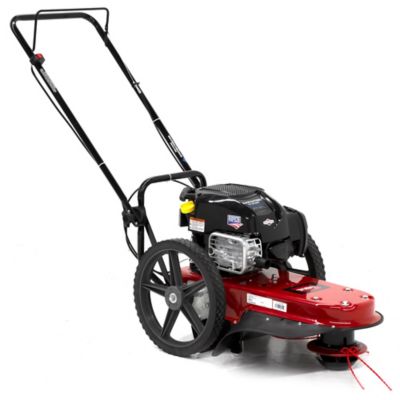
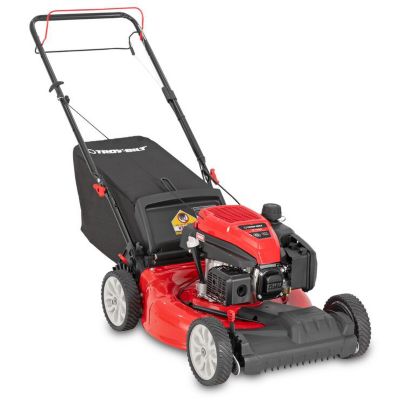
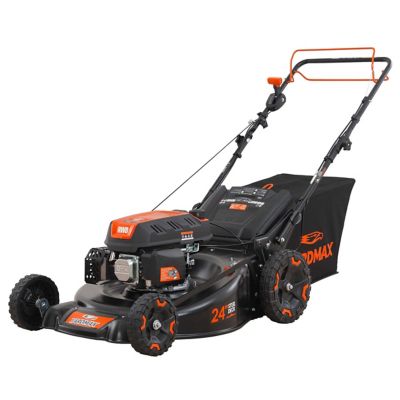
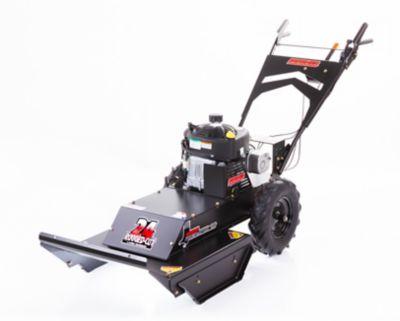
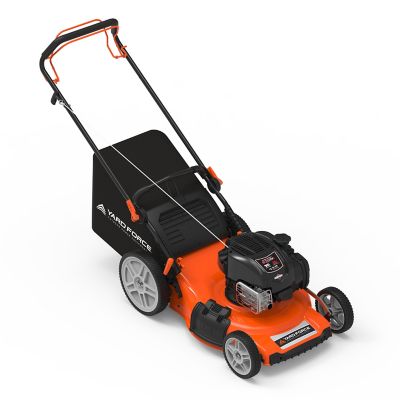
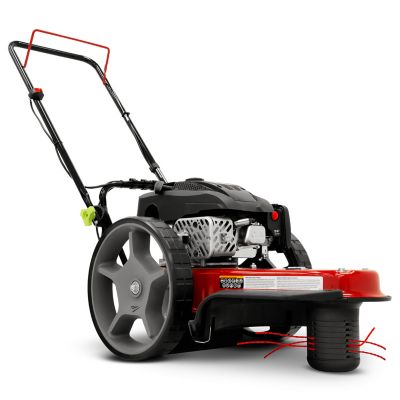
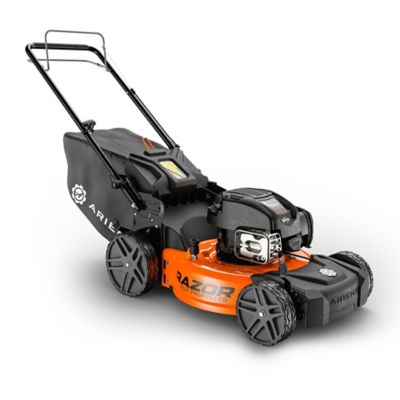
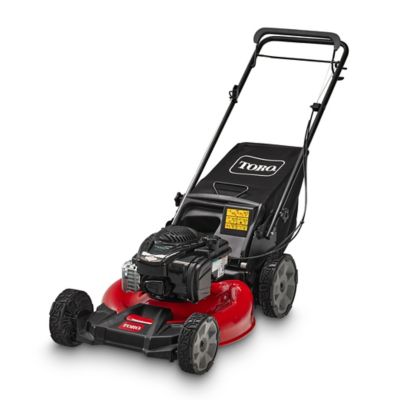
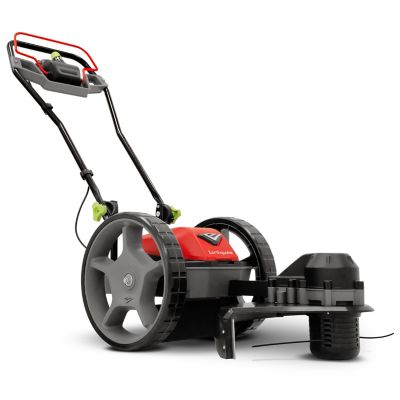
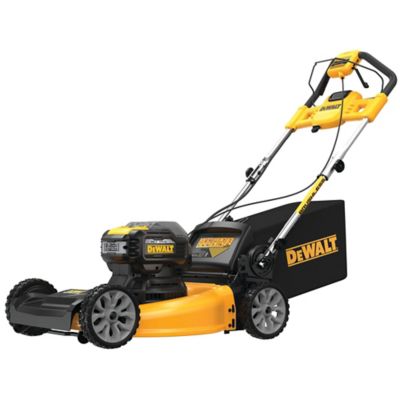
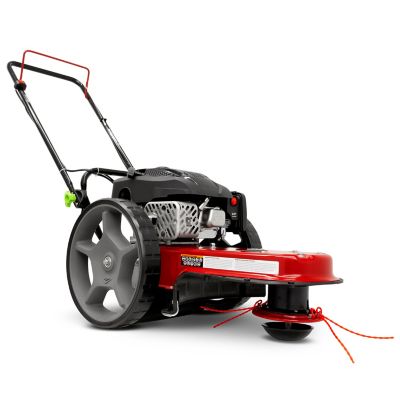
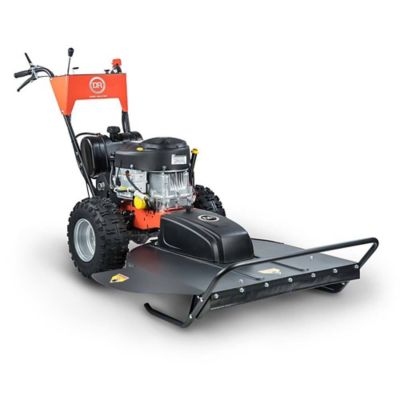
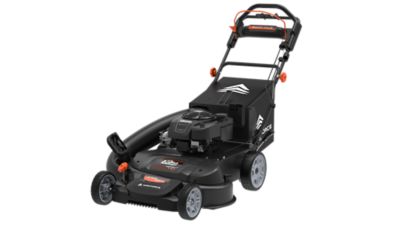
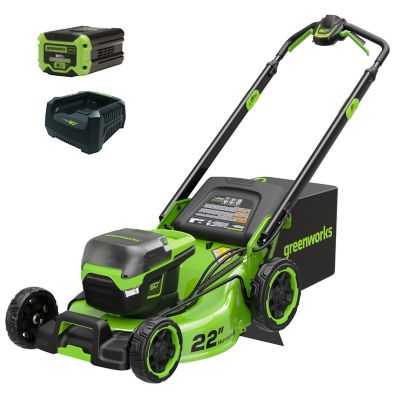
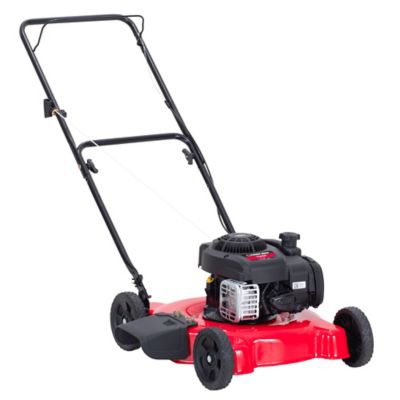
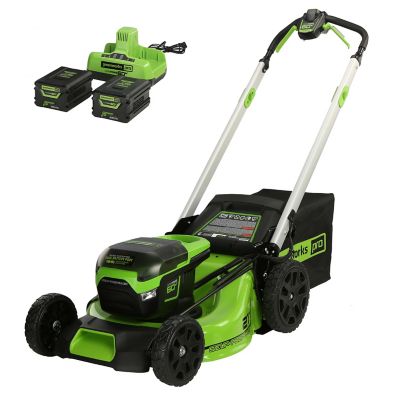
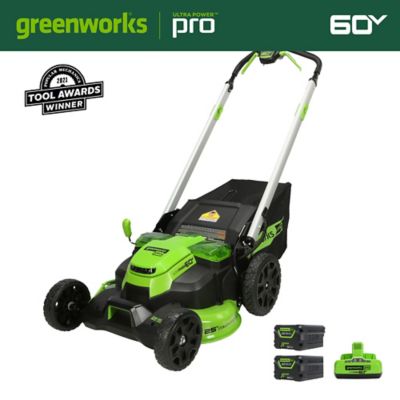
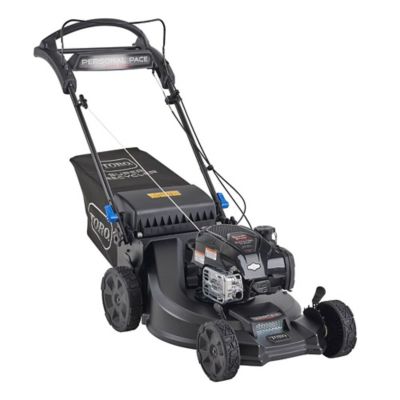
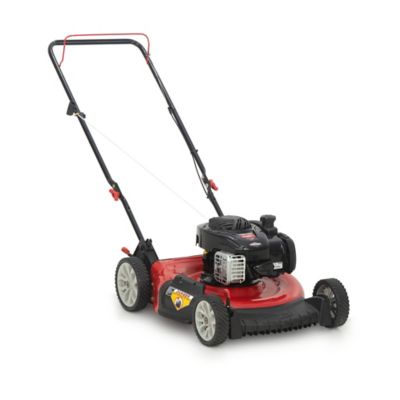
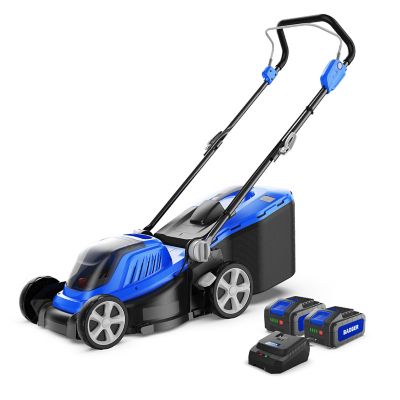
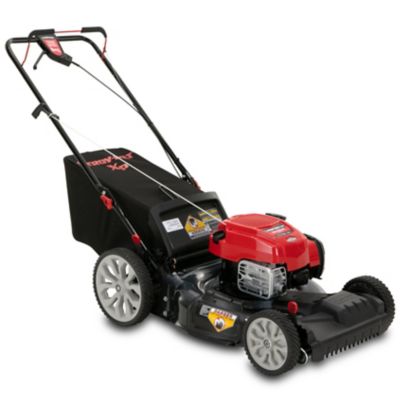
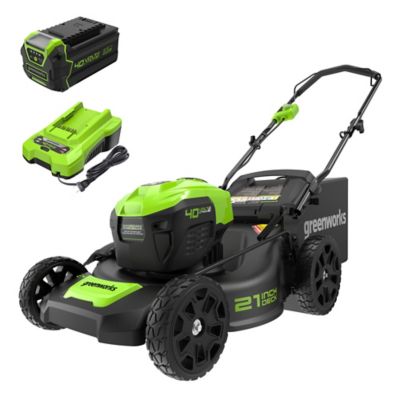
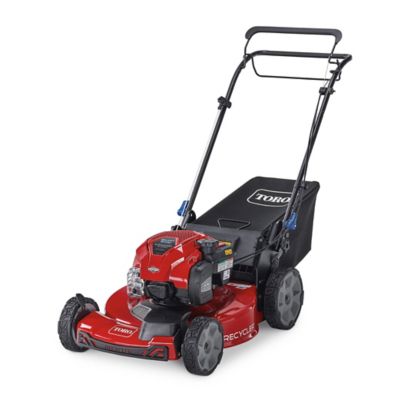
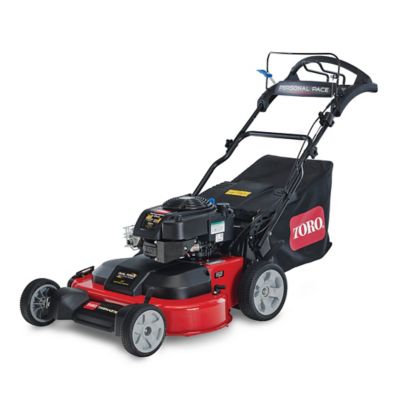
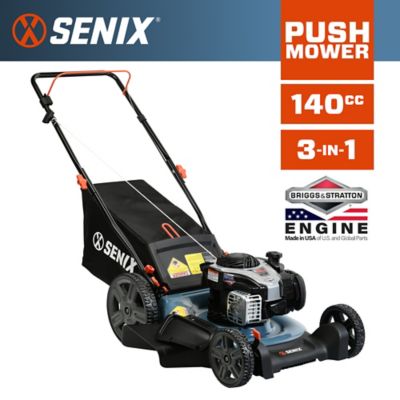
A walk mower is a lawn mower that the operator walks behind, either pushing the machine or guiding it while a powered drive system moves it forward. Walk-behind lawn mowers fall into three main groups by movement and power: manually pushed reel mowers, powered push mowers, and self-propelled mowers. Powered models may run on gasoline, rechargeable batteries, or electricity supplied through a cord. Cutting width adds another important distinction, since a compact mower and a wide-deck machine serve different spaces. For the patch of grass beside the porch, a fenced backyard, or the lawn between the house and outbuildings, a walk mower offers close control around corners and obstacles. Push models suit manageable areas where the operator is comfortable supplying the forward effort. Self-propelled models help move the mower along, which can make longer mowing routes and gradual grades less demanding, provided the ground stays within the manufacturer’s operating limits. Front-wheel drive can be convenient for maneuvering on relatively level ground, while rear-wheel drive generally provides better traction on grades, especially as a collection bag fills. All-wheel-drive configurations distribute power to more wheels, though traction still depends on the surface, tire condition, and mower design. Variable-speed controls help the machine match a comfortable walking pace instead of making the operator keep up with a fixed speed. Handle height, grip shape, control placement, and the effort needed to turn all affect how a mower feels over a full job. A mower that fits comfortably in your hands and clears the garden gate is often a better match than one chosen by cutting width alone. Narrow passages beside sheds, roots near shade trees, and the space needed to turn at fence corners all play a part. Machine weight matters, too, especially when the route includes frequent backing, tight turns, or moving the mower into storage.
The mower deck houses the blade and helps direct clippings, while cutting width determines how much grass each pass covers. Many residential rotary walk mowers have cutting widths around 20 to 22 inches, with narrower and wider formats serving other lawn layouts. A wider cut can reduce the number of passes across open ground, but it also takes more room through gates and around planting beds. Smaller cutting widths can make sense where the lawn winds between a clothesline, garden fence, and walkway. Steel decks bring strength and familiar construction, while composite decks resist rust and can help reduce weight; actual weight and service needs depend on the complete mower design. Aluminum decks are another option, combining corrosion resistance with a metal housing. Cutting-height adjustments help match the mower to the grass type and the desired lawn height. Some designs adjust each wheel separately, while others raise or lower the deck through a single control. Mulching, bagging, and side discharge describe what happens to the clippings after the blade cuts them. Mulching recuts clippings into smaller pieces that settle back into the lawn. Bagging collects clippings for removal and can help keep cut grass away from heavily traveled paths. Side discharge returns clippings through an opening at the side of the deck, with the discharge direction needing clear space away from people, animals, vehicles, and buildings. Not every mower supports every clipping method, and some configurations require compatible attachments. Grass thickness and height affect the load on the cutting system, so deck design, blade condition, and available power matter alongside cutting width. A sharp, properly maintained blade helps make a cleaner cut rather than tearing the grass. Stones along a gravel drive, fallen branches, and other loose objects also belong in the picture: clearing the mowing area helps protect the operator, bystanders, and nearby property.
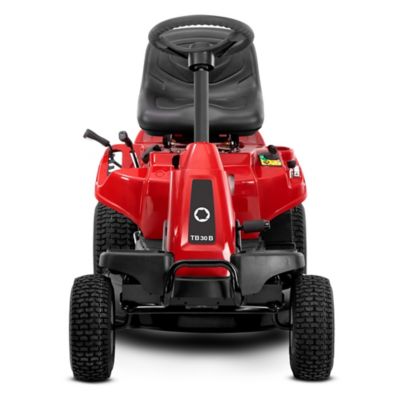
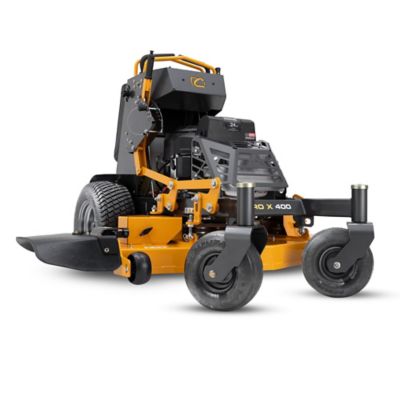
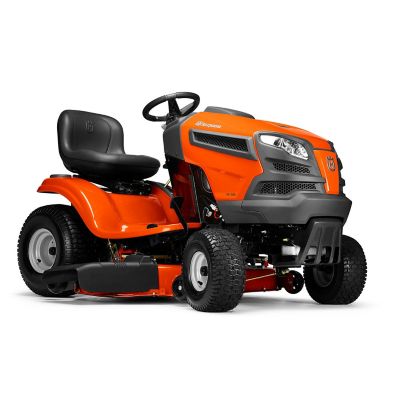
Power source shapes the ownership experience just as much as the mower’s size. Gas walk mowers can suit longer mowing sessions where access to an outlet or charging setup is limited, but they bring fuel handling, engine care, and exhaust considerations. Battery-powered walk mowers avoid gasoline handling and offer cordless movement around the yard. Their runtime varies with battery capacity, grass conditions, cutting height, drive-system use, and the work placed on the blade. Battery voltage alone does not tell the whole story, and batteries must match the mower’s designated platform. Charger requirements, recharge time, and whether batteries and a charger come with the mower are useful details to check. Corded electric mowers connect to an outlet and avoid battery charging, though cord reach and routing limit where they can work. A suitable outdoor extension cord must meet the mower manufacturer’s requirements and stay clear of the cutting path. Manual reel mowers need no fuel, battery, or power cord, making them a straightforward choice for smaller lawns where the grass type and mowing routine suit their cutting action. Across these categories, ownership includes keeping the underside of the deck clear according to the manual, checking wheels and fasteners, and maintaining blades and safety controls. Gas-engine service requirements vary, as do battery charging and storage instructions. Blade work and cleaning call for the manufacturer’s shutdown and power-disconnection procedures, whether that means removing a battery, disconnecting a cord, or following the specified engine precautions. Storage space deserves a look before bringing a mower home: folding handles can help, while upright storage is appropriate only for models designed for it. For broader, open mowing areas, a
Standing Lawn Mower represents a separate stand-on riding format rather than a walk-behind machine. Around the home place, a well-matched walk mower balances cutting capacity, comfortable handling, and practical upkeep without taking more machine than the lawn calls for.