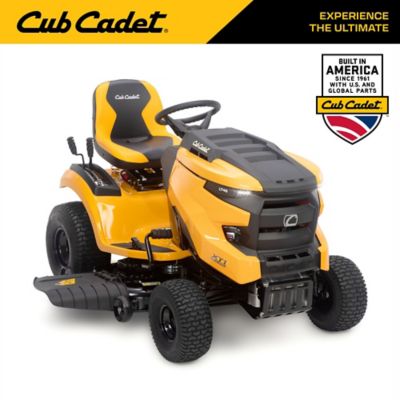
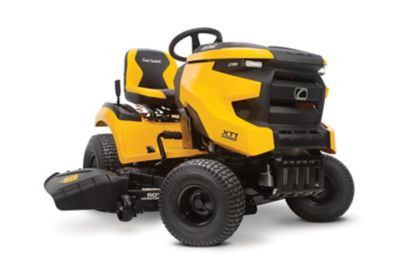
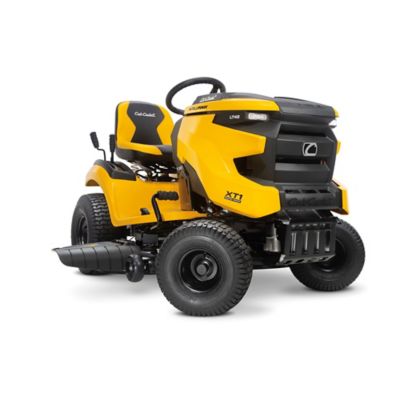
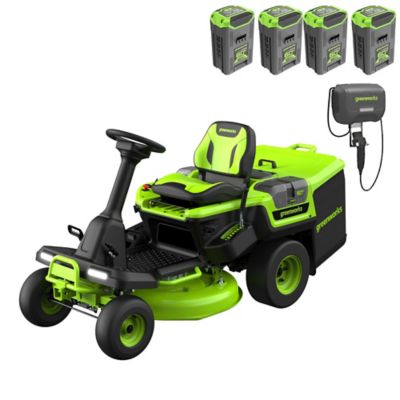
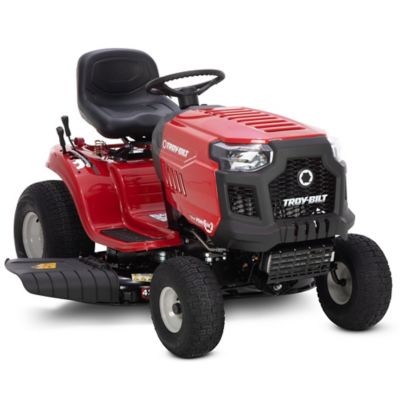
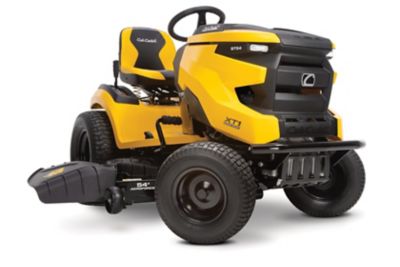
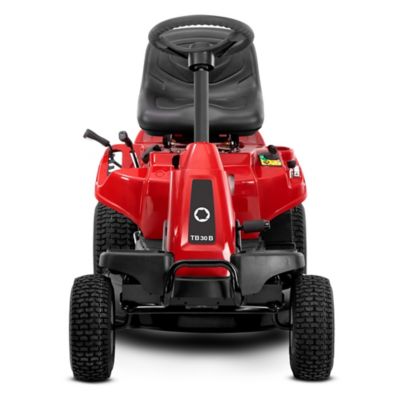
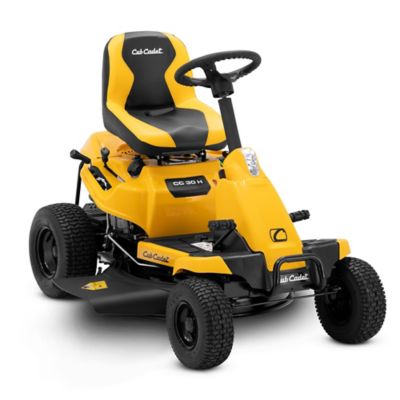
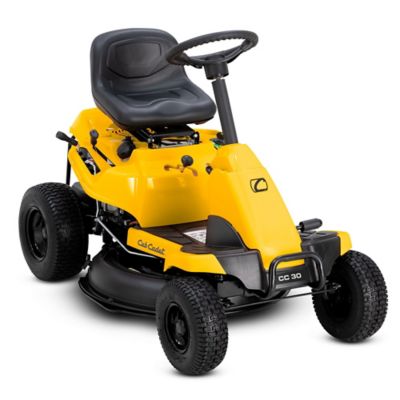
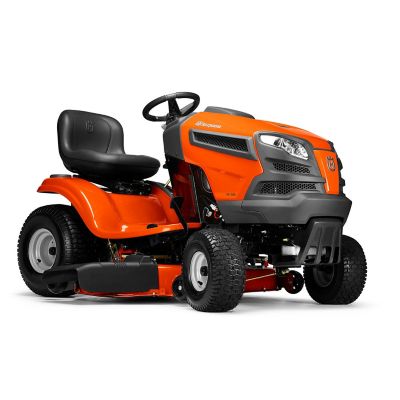
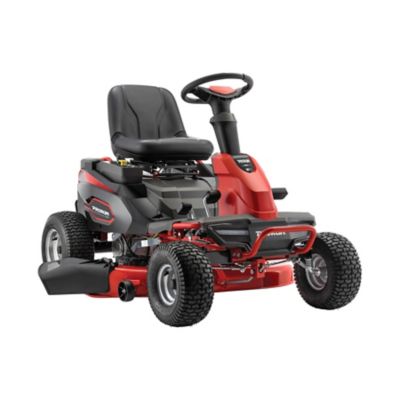
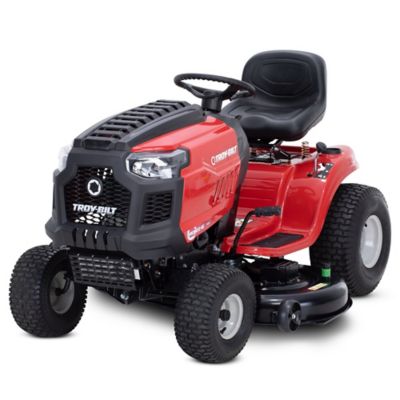
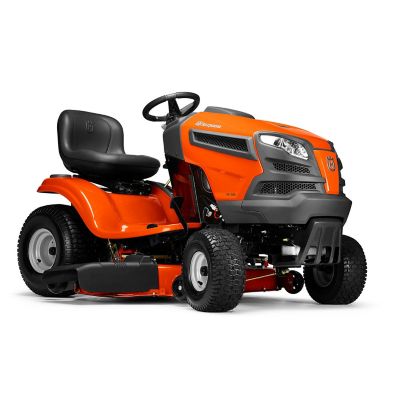
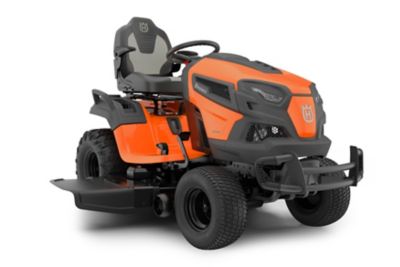
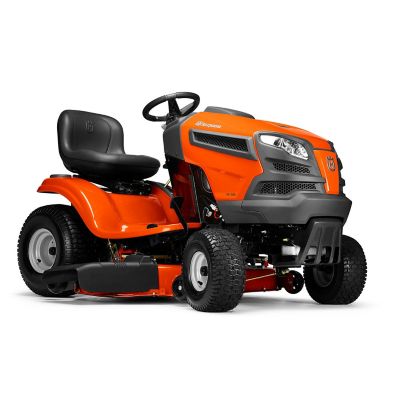
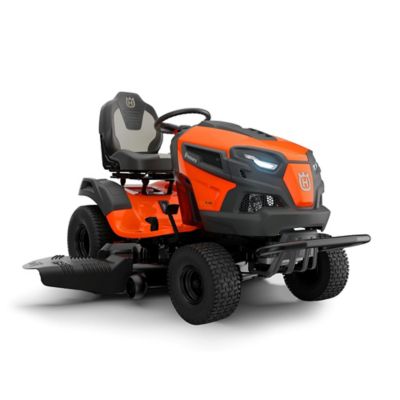
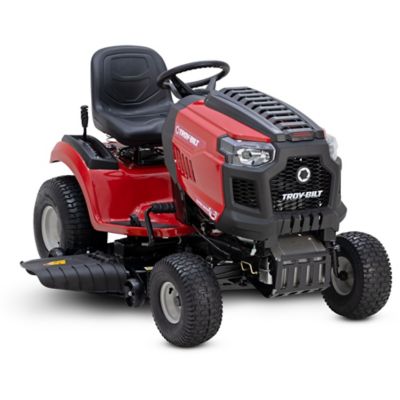
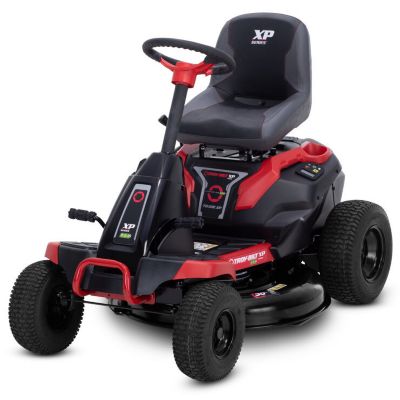
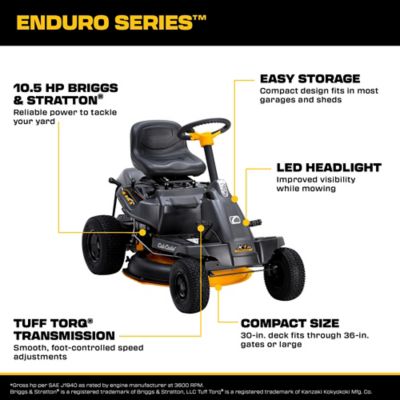
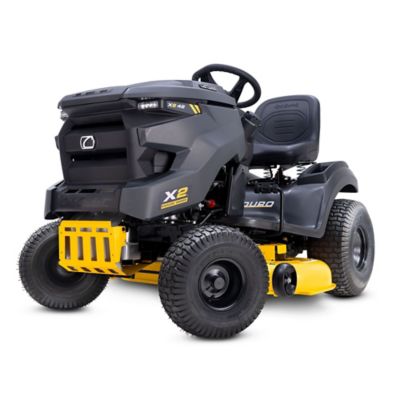
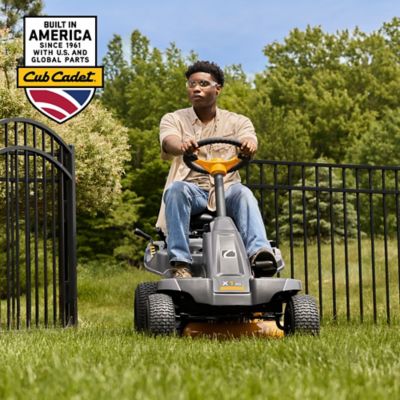
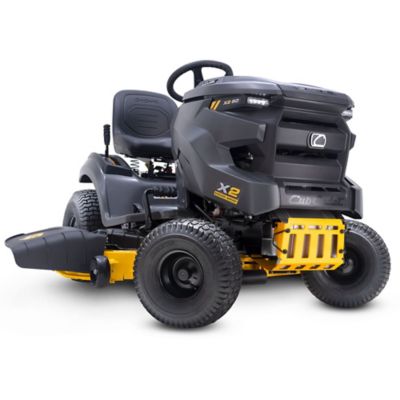
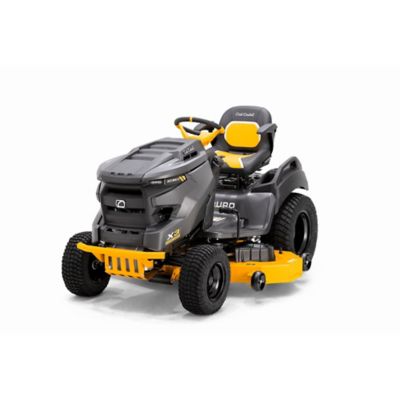
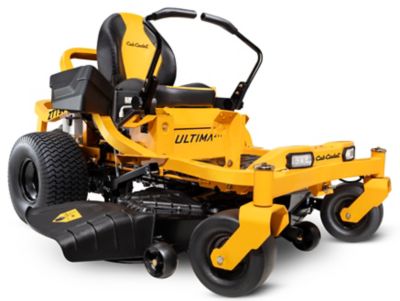
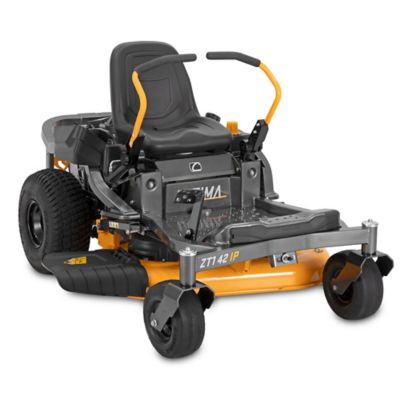
Riding lawn mowers take the legwork out of keeping a larger yard trimmed, letting the operator cover ground from a seated position instead of walking behind a mower. They’re often a practical fit for lawns around three-quarters of an acre or more, though the layout of the property matters just as much as its size. A broad stretch beside the house, a fenced backyard and a lawn dotted with shade trees all place different demands on a machine. Lawn tractors typically pair a steering wheel with foot-operated controls, making them a familiar option for mowing open ground and handling light chores with approved attachments. Zero-turn riding mowers commonly have two steering levers that control the drive wheels independently, allowing tight turns around trees, planting beds and other obstacles. That maneuverability can cut down on extra passes, especially where the lawn has plenty of corners. Compact rear-engine riding mowers offer another approach, with a smaller footprint that can suit narrower access points and tighter storage spaces. Cutting-deck width helps determine how much grass the mower handles on each pass. Decks around 42 to 54 inches are common on residential riding mowers, while compact machines may have narrower decks and larger machines may reach 60 inches or more. A wider deck can shorten mowing time on open ground, but it also needs room between fence posts, along paths and inside the shed. The mower’s full width, including the discharge chute in its operating position, matters when clearance is close. On a yard with a narrow side gate and a roomy lawn beyond it, getting through the gate is just as important as covering the acreage. Low branches, exposed roots and the space around a wellhead or outbuilding also help shape which mower style makes sense. These everyday details separate a machine that simply has a wide cut from one that fits the property and its regular work.
Power, drive controls and construction all affect how a riding lawn mower feels over a full mowing session. Gas riding mowers offer the familiarity of an engine and fuel tank, with routine attention to engine oil, filters, spark plugs and the fuel system according to the owner’s manual. Battery-powered riding mowers run on rechargeable battery packs and generally operate with less engine noise and fewer engine-related maintenance tasks, though blades, tires, belts where fitted and other working parts still need attention. Battery runtime depends on the machine, battery capacity, grass height, terrain and mowing speed, so acreage claims are best understood alongside the conditions behind them. Charging requirements and access to a suitable electrical outlet also matter for everyday ownership. On either power type, transmission and speed controls influence how easily the mower handles turns, open stretches and tight spaces. Hydrostatic transmissions allow smooth ground-speed changes without shifting through a series of gears, and pedal layouts vary by machine. An adjustable seat, reachable controls and enough foot room can make a noticeable difference when mowing takes more than a quick lap around the house. Clear sightlines toward the deck edges help along fences and beds, while deck-height controls make it easier to match the cut to the grass. Steel decks are common, with stamped construction formed into shape and fabricated construction assembled from welded steel sections. Deck thickness, reinforcement, spindle design and access for cleaning all deserve attention alongside engine power. Anti-scalp wheels can help the deck follow uneven ground without digging into high spots, but they do not turn a mower into rough-ground equipment. Riding lawn mowers belong on maintained turf, not brush, stumps or deeply rutted paths. Slopes call for particular care: allowable incline, travel direction and operating limits vary by machine, and zero-turn maneuverability should never be mistaken for hillside capability. The manufacturer’s slope limits and safety instructions take priority over speed or convenience.
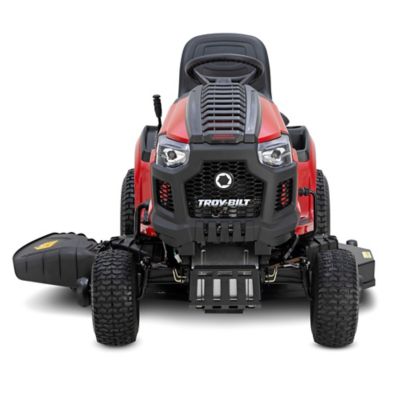
Grass handling adds another layer to the fit between a mower and a property. Side discharge spreads clippings back across the lawn, mulching systems cut them into smaller pieces, and compatible bagging systems collect them for removal. Results depend on blade condition, grass height and mowing pace, not just the discharge setup. A lawn beside a gravel drive may call for careful chute direction, while a fenced area where children play may make clipping collection more appealing. Tall or damp grass can strain the cutting system and leave clumps, and wet turf can reduce traction. Keeping blades sharp helps produce a cleaner cut without leaving ragged grass tips, while clearing packed clippings from the deck supports airflow and helps limit trapped moisture against metal. Maintenance access matters here: reachable service points and a deck arrangement that follows a manageable removal procedure can make routine care less of a chore. Cleaning and blade work require the mower to be shut down and secured, with the key removed and power sources disconnected as the manual directs. Storage space needs to account for the mower’s length, width and any attached collection equipment, along with room to move safely around it. Gas-powered machines must never run inside a shed or garage, and battery charging and storage should follow the manufacturer’s requirements. Compatible carts, sweepers and other approved attachments can expand what some riding mowers do around a homesite, but towing capacity, hitch requirements and braking limits remain important. Color can be part of the choice, too, and
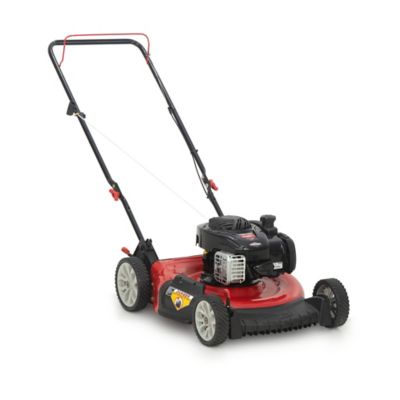
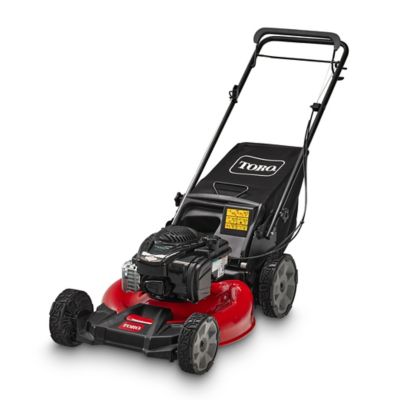
Red Lawn Mowers offer a bold look for folks who have a favorite equipment color. Underneath that finish, the lasting fit comes down to usable controls, suitable cutting width, manageable upkeep and a machine matched to the ground it will cover. For homeowners tending a roomy lawn or acreage owners keeping the space around the house neat, those practical details help make regular mowing a more comfortable part of taking care of the place.