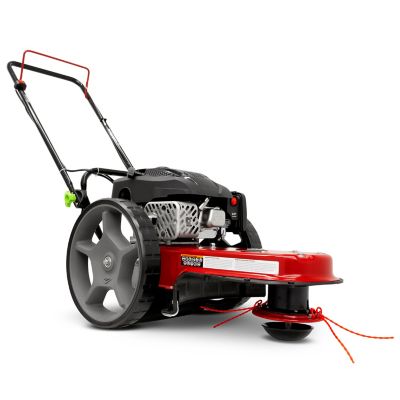
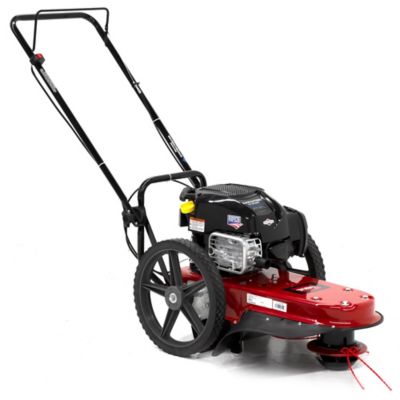
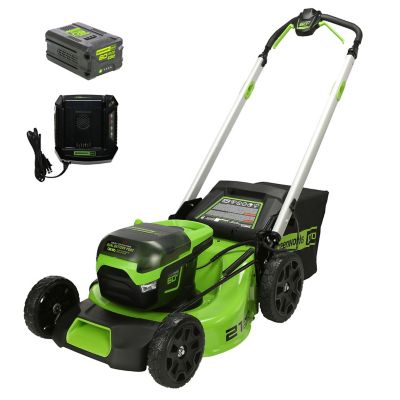
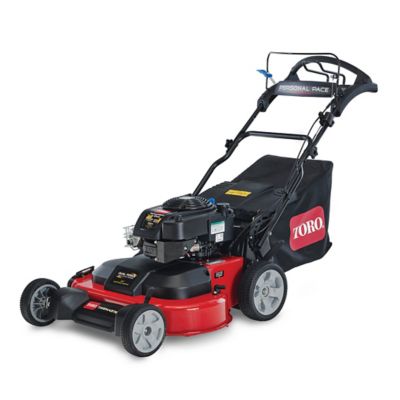
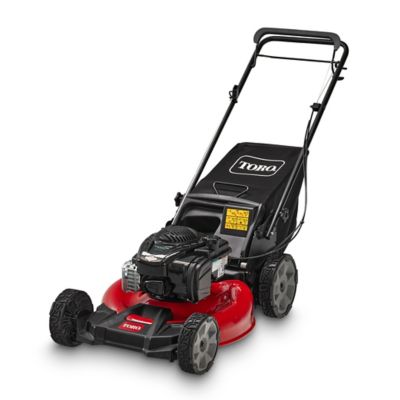
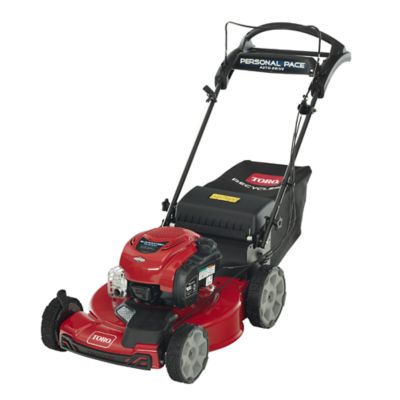
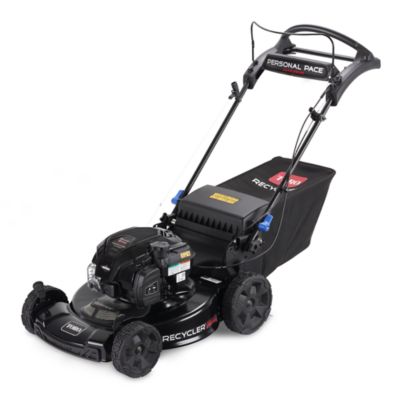
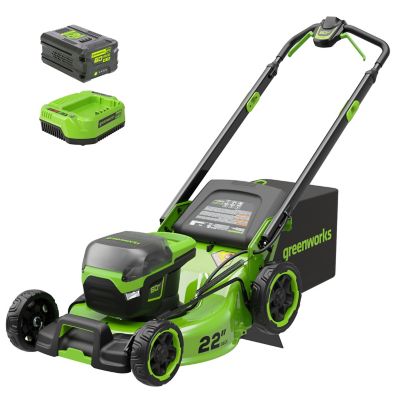
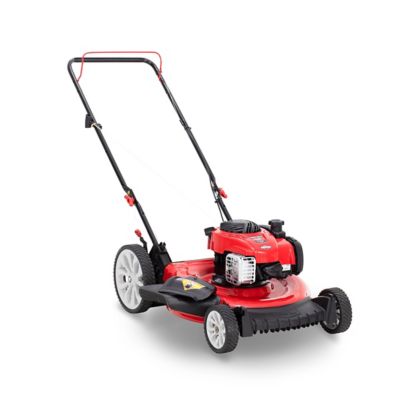
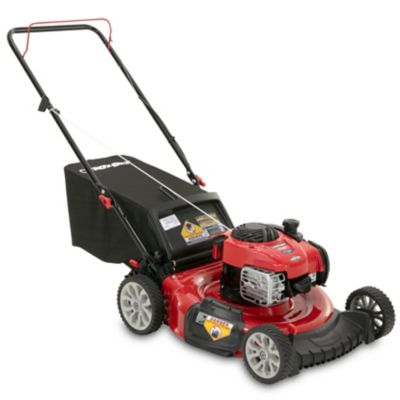
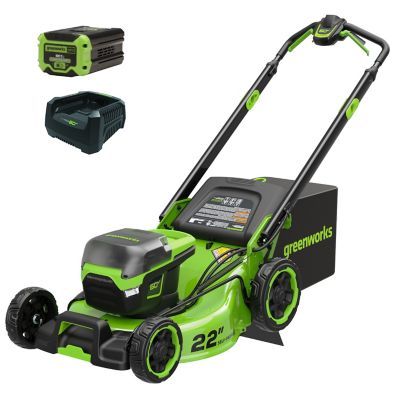
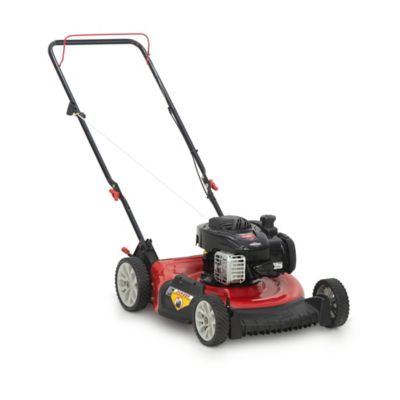
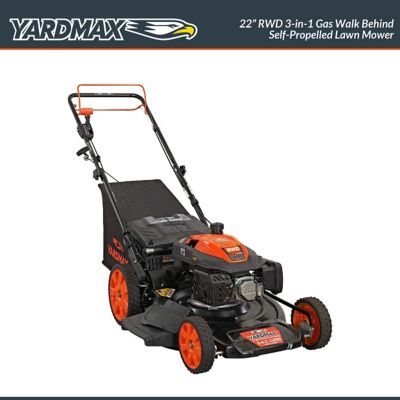
Choosing the right lawn mower starts with looking at the yard you actually have, not the yard pictured on a box. A small, mostly level lawn may be easiest to manage with a push mower, especially when you enjoy a little fresh air and want a straightforward machine that is light enough to steer around flower beds, trees, and garden borders. A self-propelled walk-behind mower does some of the work for you by powering the wheels, making it a helpful choice for larger lawns, sloped ground, or anyone who would rather spend less effort pushing. Walk-behind mowers are useful for everything from a compact suburban patch to a roomy country yard with several sections to trim, and you can compare styles, cutting widths, power sources, and features in our
Walk Mower selection. Gas-powered mowers are known for dependable cutting power in tall, thick, or damp grass, while battery-powered electric mowers are quieter, produce no tailpipe emissions during use, and generally need less routine maintenance. Corded electric mowers can work well close to a house or outbuilding when an outlet and extension cord are practical, though the cord requires attention around trees, fences, and landscaping. Manual reel mowers are another option for small, flat lawns. Their cylindrical blades clip grass against a fixed blade with a scissor-like cut, and they run on nothing but the force of your push. That means very little noise, no fuel to store, and no battery to charge, though they are best suited to regularly maintained grass rather than an overgrown field. During the cooler months, a mower may see less use, but choosing a type that is easy to clean, store, and bring back into service can make the first warm stretch of the season much less of a chore.
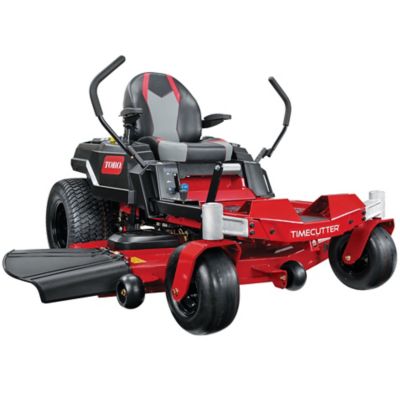
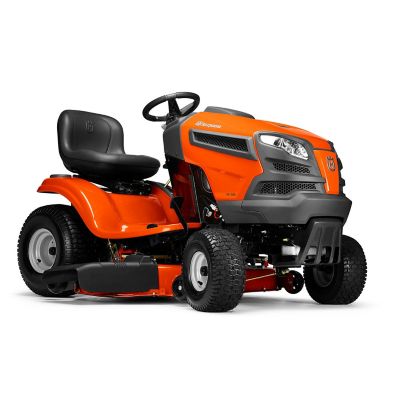
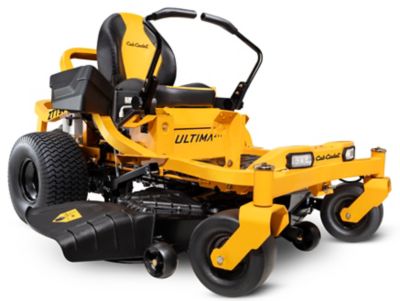
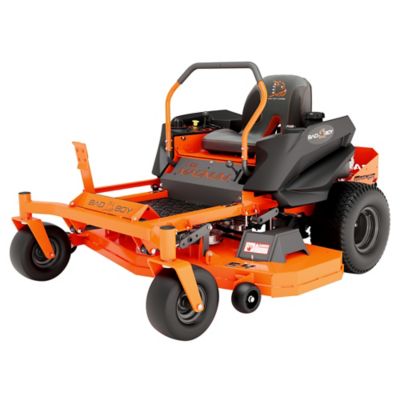
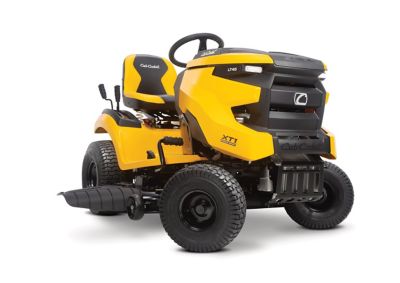
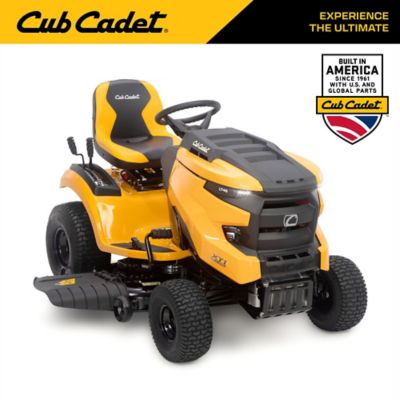
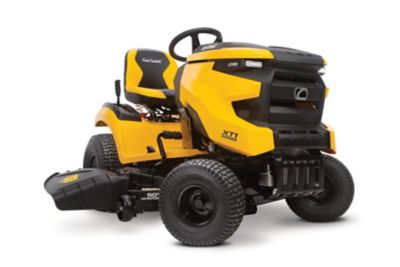
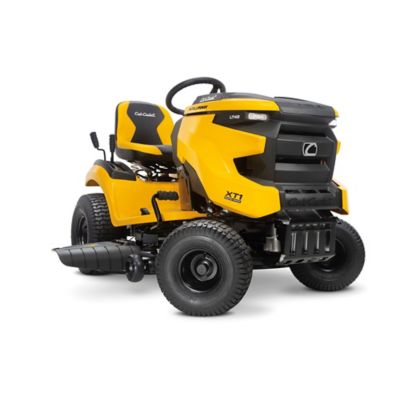
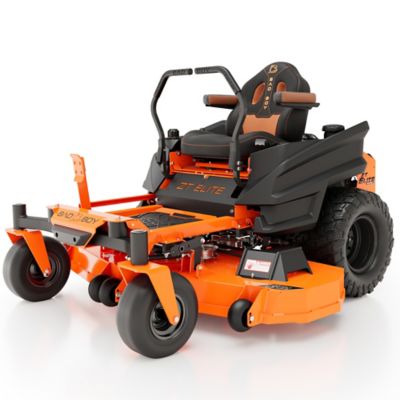
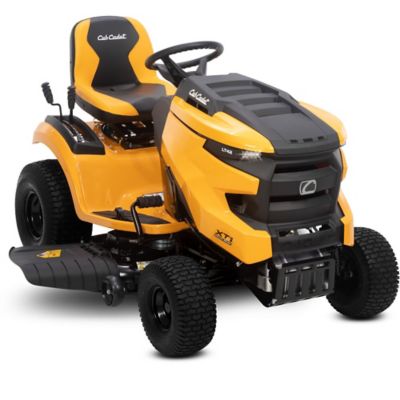
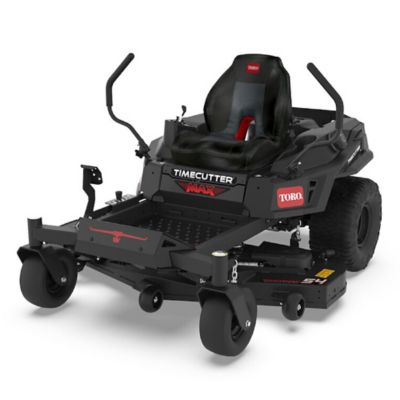
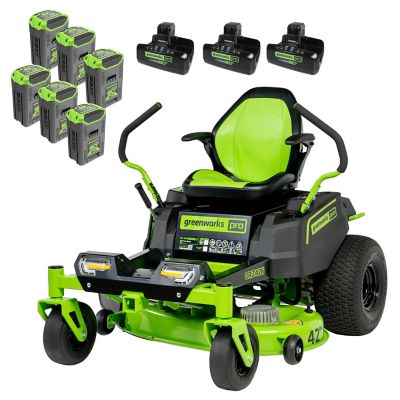
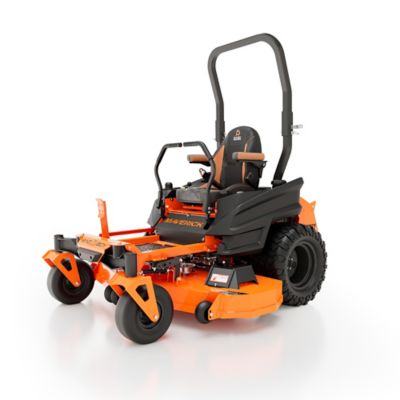
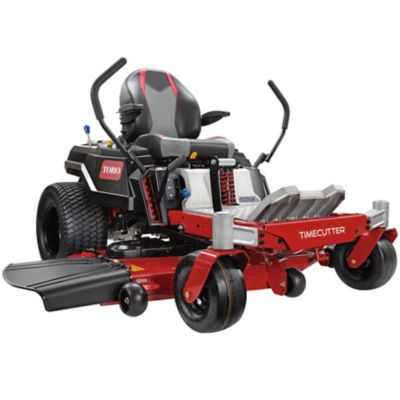
For bigger properties, riding mowers can save a good deal of time and legwork. Lawn tractors are a practical fit for medium to large lawns, open fields, and acreage where walking behind a mower would turn a quick chore into an all-afternoon project. Their seated design helps make long mowing sessions more comfortable, and many can pull useful attachments such as carts, spreaders, or aerators, giving them a place in broader property maintenance beyond grass cutting. Zero-turn mowers are built for speed and maneuverability, with rear-wheel steering that lets them pivot tightly around trees, posts, garden islands, and other obstacles. They are especially handy on large, open lawns where reducing turns can noticeably shorten the job. Before choosing a riding mower, take a close look at the terrain, gates, storage space, and access to the areas that need cutting. Measure narrow passages and consider whether the mower deck can fit through them without trimming every corner by hand. Slopes deserve extra care; follow the operating instructions for the machine, mow across slopes only when recommended, and never trade stability for speed. A riding mower can be a welcome gift for a homeowner with acreage, a family member caring for a rural property, or someone taking on a new place with more grass than their old walk-behind mower can comfortably handle. For smaller yards, a walk-behind or reel mower may be a more thoughtful choice because it takes up less room and is simpler to maintain. In every case, consider the operator’s comfort, experience, and ability to safely control the equipment. Features such as adjustable cutting height, a comfortable handle or seat, easy-to-reach controls, bagging or mulching capability, and a deck that resists grass buildup can make a noticeable difference after several weeks of regular mowing.
Robotic mowers offer a different approach for people who prefer a steady, low-touch routine. After the mowing area is set up with the required boundary system, a robotic mower can travel on a programmed schedule and trim small amounts of grass at a time. The quiet operation is useful near homes, barns, or neighbors, and the gradual clippings can return to the lawn rather than filling a bag after every pass. These mowers work best when the cutting area is planned carefully and the lawn has clear boundaries, reliable charging access, and limited steep or cluttered sections. No matter which lawn mower type fits your property, the most useful comparison comes down to lawn size, terrain, grass conditions, available storage, preferred power source, and how much hands-on work you want to do. Cutting width affects how many passes it takes to finish, while adjustable height helps you respond to changing grass conditions. Mulching can leave fine clippings on the lawn, bagging keeps the surface tidy, and side discharge can help handle heavier growth when the grass has gotten ahead of you. Battery models call for attention to charging time, run time, and whether the battery can be stored properly during colder weather. Gas models need fuel care, air-filter attention, oil service, and safe storage. Reel mowers need sharp blades and a clear lawn free of sticks, stones, and hidden debris. Before each use, inspect the cutting area, wear sturdy footwear and eye protection, keep children and pets away, and wait for wet grass or debris to clear before starting. A good mower should fit the rhythm of your property, whether that means a quiet pass across a small backyard, a steady cut along a sloping homesite, or a comfortable ride across open acreage as the weather warms.