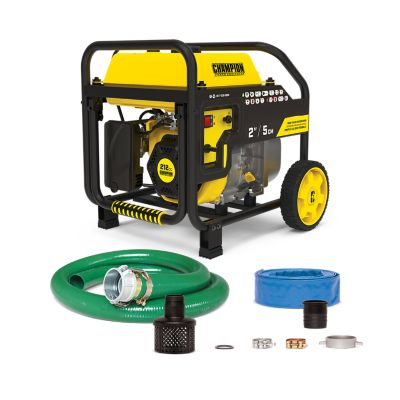
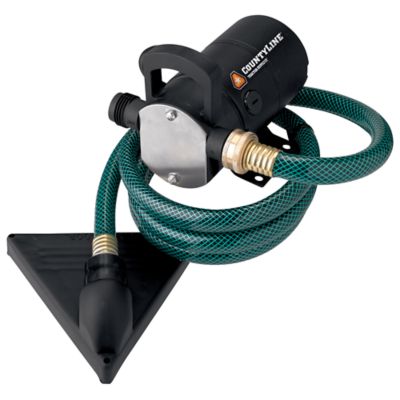
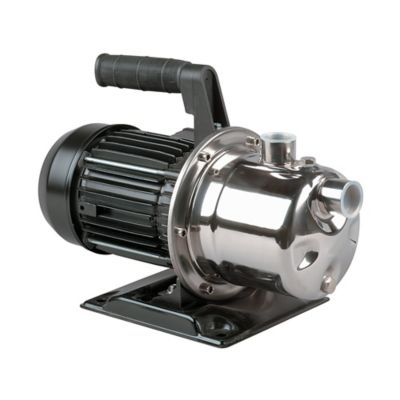
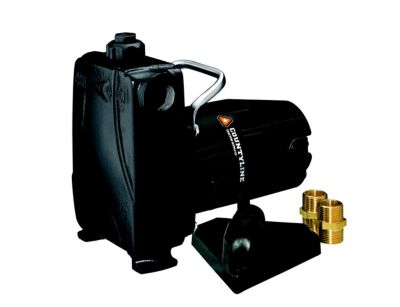
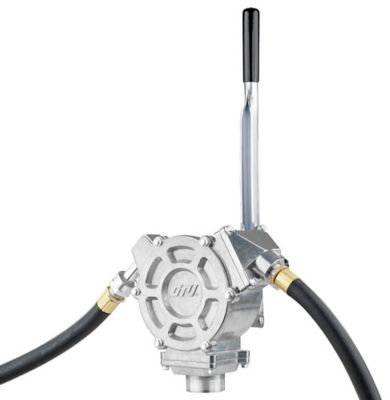
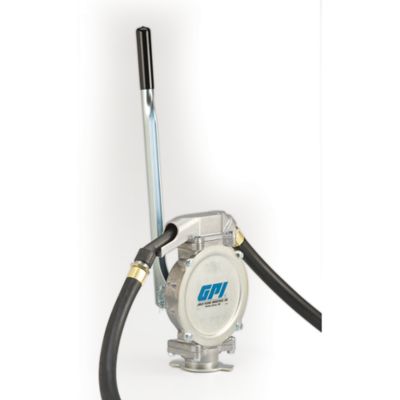
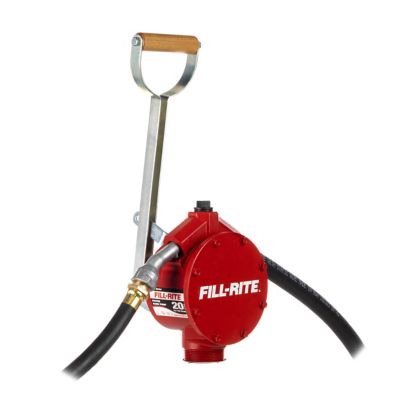
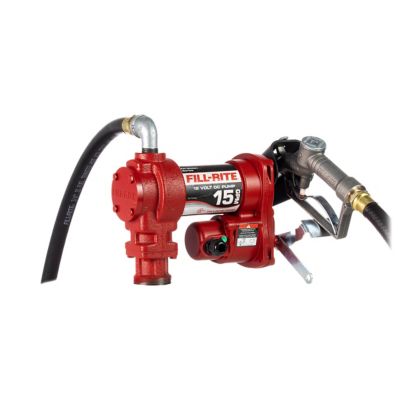
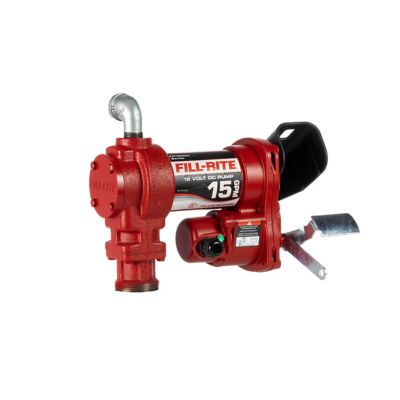
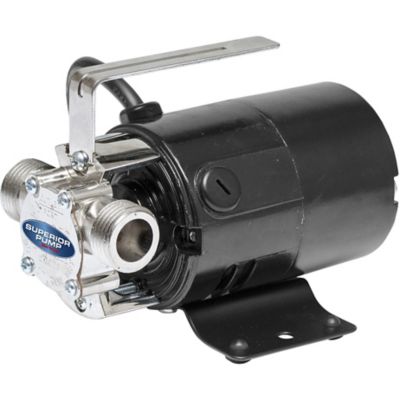
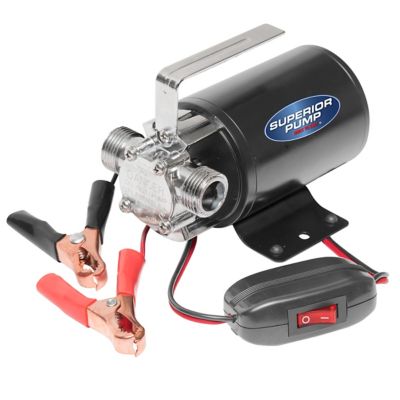
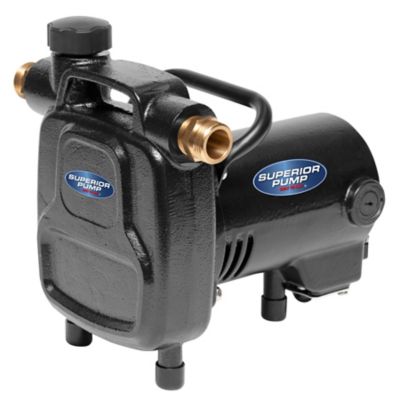
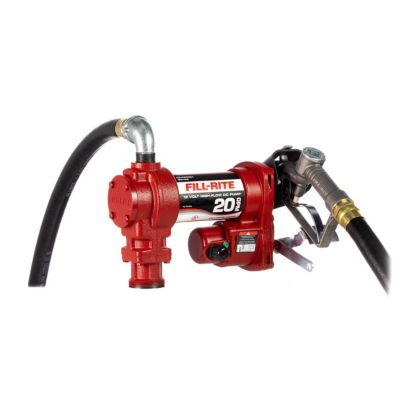
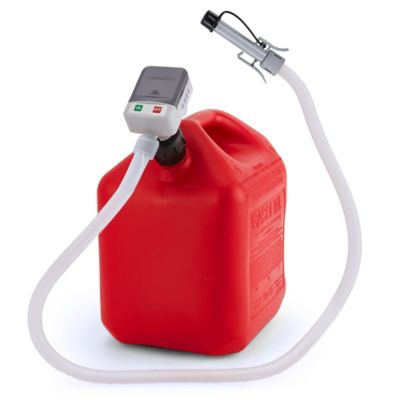
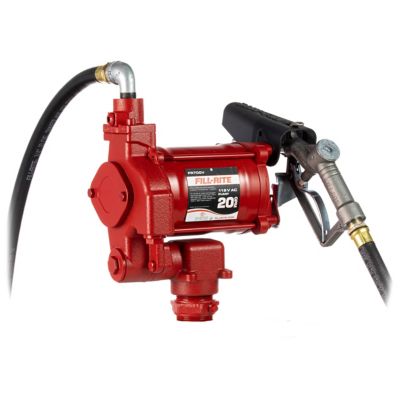
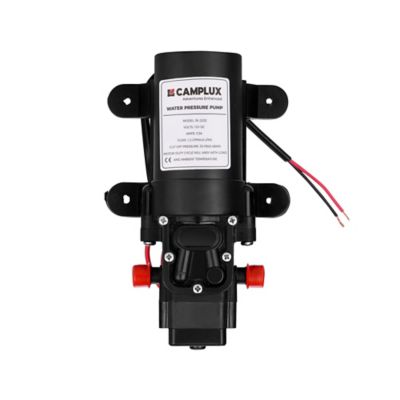
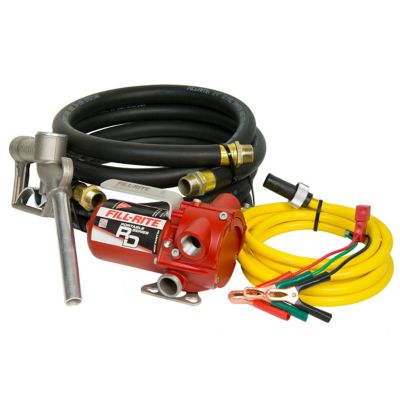
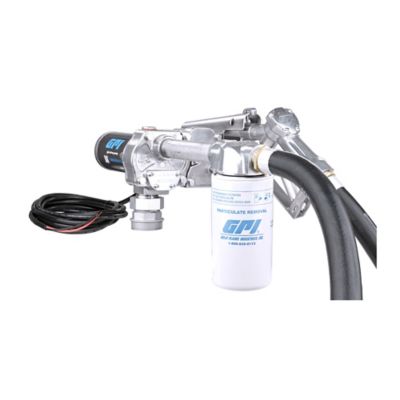
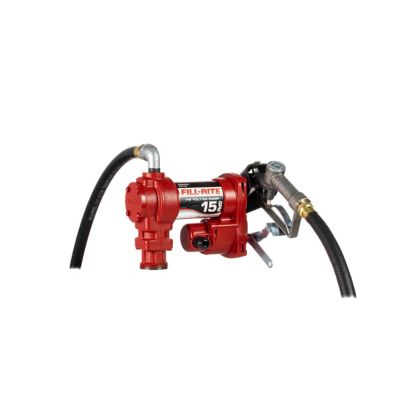
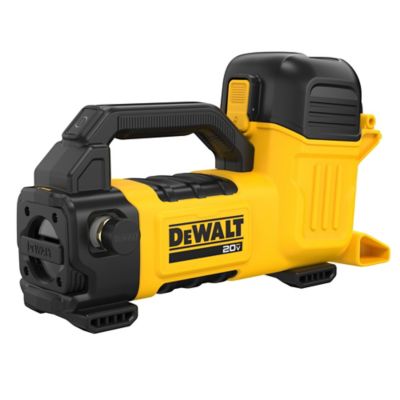
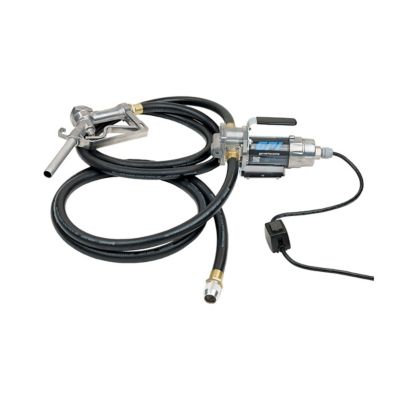
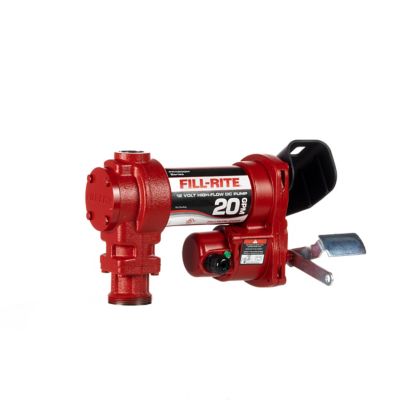
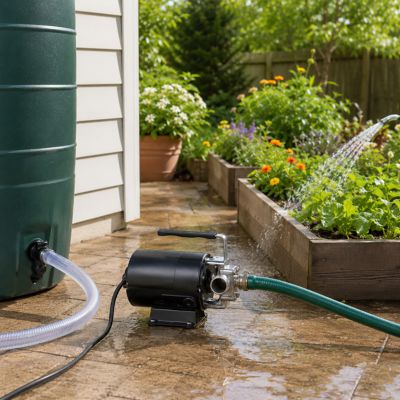
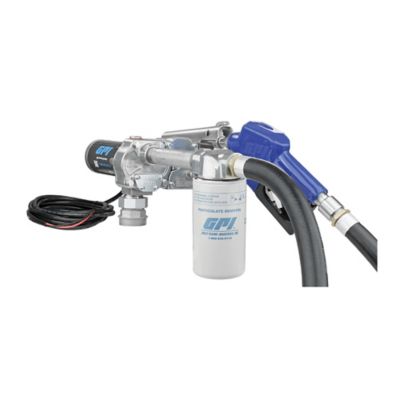
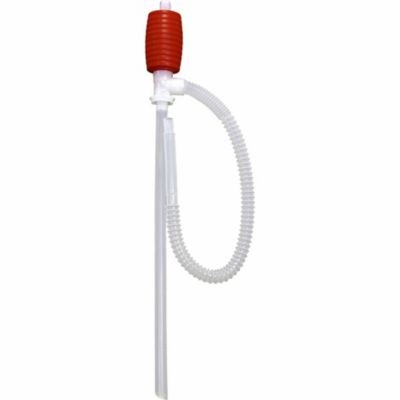
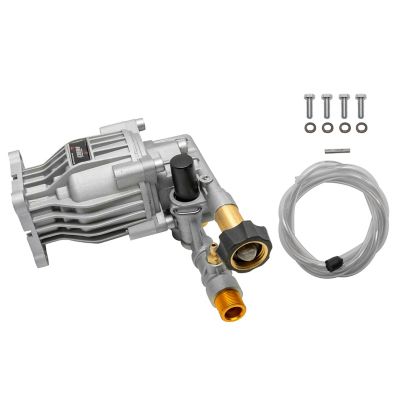
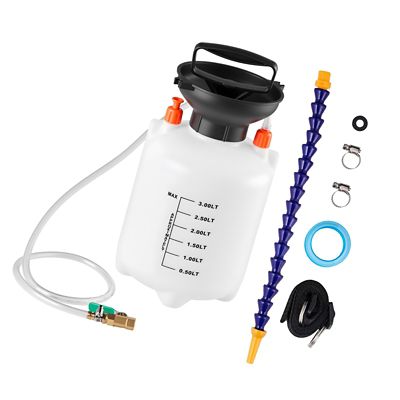
Transfer pumps help move liquid from one place to another without relying on gravity, a bucket brigade or a long stretch of hose that barely gets the job done. Around a farm, acreage or busy shop, that can mean moving water between storage tanks, emptying a container before repairs or supplying water to a setup where the source sits some distance away. Their usefulness comes down to matching the pump to the liquid, the distance and the workload. A pump moving water across a level barn floor faces a different job than one sending it uphill to a holding tank. Flow rate, usually listed in gallons per minute, gives a sense of how quickly a pump can move liquid, while head describes the resistance it can overcome, including elevation and friction through the plumbing. Those figures work together: the maximum flow and maximum head on a specification sheet generally do not happen at the same operating point. Hose length, inside diameter, bends and fittings all affect the flow that reaches the outlet. Suction lift matters, too, especially when the pump sits above its water source rather than beside a raised tank. Electric, battery-powered, engine-driven and manual designs suit different working spaces and amounts of liquid. A powered pump can make sense for repeated tank transfers, while a hand-operated design may fit smaller jobs where close control matters more than speed. Portability also looks different from one property to the next. A carry handle and compact footprint suit equipment that travels between the barn and workshop; a mounting base suits a pump that stays beside a tank. For farmers, property owners, mechanics and folks maintaining livestock watering equipment, the right transfer pump is less about the biggest number on the box and more about steady performance in the actual setup. Pumps rated for clear water, liquid containing small particles or particular service fluids each have a different place, and those distinctions matter before a hose ever reaches the tank.
The liquid being moved is the starting point for choosing pump materials and internal components. A housing may be metal or a suitable plastic, but the seals, impeller, diaphragm and other wetted parts also need to tolerate that liquid. Cast iron can suit certain water-handling applications, while stainless steel and compatible plastics serve other purposes where corrosion resistance or liquid compatibility matters. No single material is right for every task, and a sturdy-looking exterior does not establish what can safely pass through the pump. Clean water, drinking water, diesel fuel, gasoline, oil and agricultural solutions call for different ratings and construction. A water transfer pump should never be treated as a fuel pump, and equipment for gasoline requires explicit approval for that application, along with the electrical and handling provisions specified by the manufacturer. Drinking-water service likewise calls for components designated for potable water, including the hoses and fittings in contact with it. Thicker liquids place different demands on a pump than water does, so viscosity ratings and performance information deserve attention when the job involves lubricants or other service fluids. In a vehicle or equipment maintenance area,
transmission fluid pumps address a more focused task where fluid compatibility, connection fit and controlled delivery matter. Keeping fluid-handling equipment assigned to its intended liquid also helps prevent residue from one job from contaminating the next. That is especially important in a shop where several containers sit side by side and fluids can look similar at a glance. Water drawn from an open tank may carry grit or bits of plant material, and a clear-water pump may need a suitable inlet strainer to keep those particles away from its working parts. A strainer does not turn that pump into equipment for sludge or heavy solids. Matching the pump’s stated capabilities to the liquid helps protect seals, maintain flow and keep a routine transfer from becoming a repair job halfway through.
Fit includes the whole working arrangement, not just the pump itself. Inlet and outlet size, thread type, hose compatibility and connection style determine how easily the pump joins the rest of the equipment. A suction hose needs to resist collapsing under vacuum; an ordinary discharge hose may not be suitable on the inlet side. Tight, properly matched connections help keep air from entering the suction line and interrupting flow. For a pump beside a livestock water tank, a stable mounting location and hoses routed clear of foot traffic make the setup easier to manage. In a shop, access to the switch, drain points and service parts can matter just as much as the space the housing takes up. Power requirements belong in that same conversation: voltage, current draw, battery connections and manufacturer requirements for cords or electrical protection need to suit the location. Self-priming capability can be helpful, but it does not automatically mean a pump can start empty or run without liquid. Many designs depend on liquid for lubrication or cooling, and continuous-duty ratings, dry-run protection and shutoff controls are separate features rather than assumptions. Service life also depends on the small things that happen between jobs. Appropriate cleaning, inspection of hoses and seals, and storage that protects openings from dirt all support the next transfer. Any flushing liquid or cleaning method needs to match the manufacturer’s directions and the substance that passed through the pump. Fuel and chemical residue require their own handling precautions rather than disposal onto the ground or into a drain. Replaceable wear parts and accessible connections can make upkeep less of a chore when the pump works regularly. Whether the job is moving a few gallons during equipment maintenance or handling repeated tank transfers across a property, a pump matched to the task can cut down on lifting, spills and time spent waiting for liquid to move.