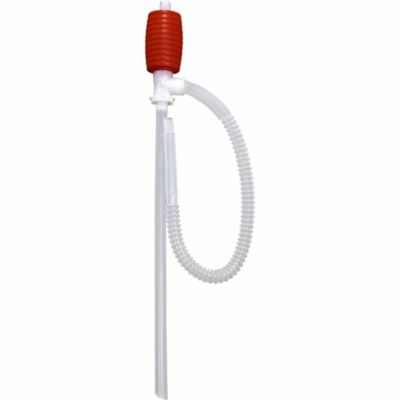
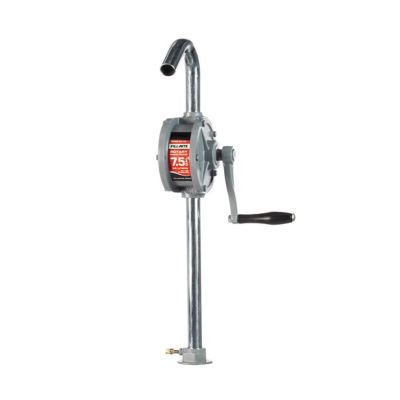
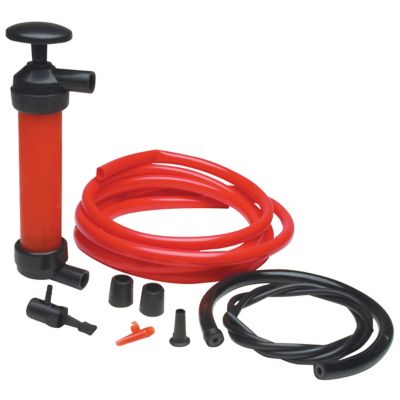
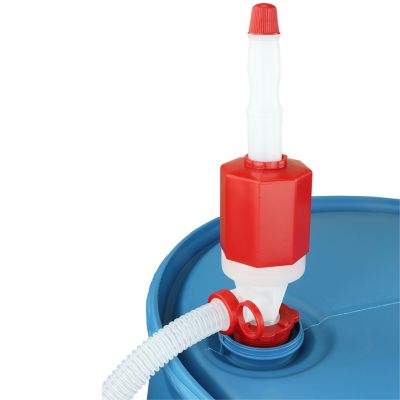
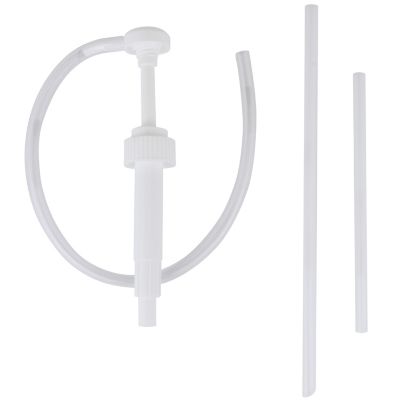
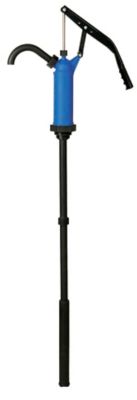
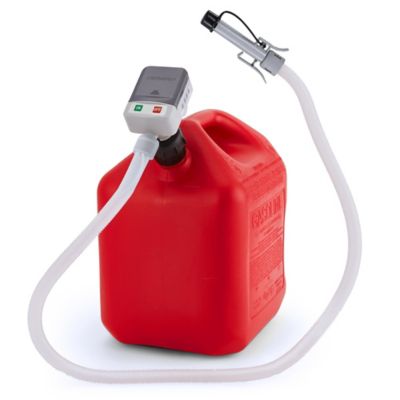
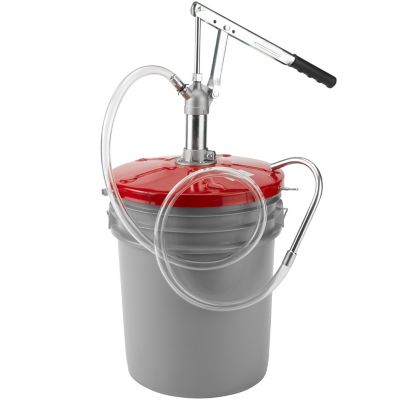
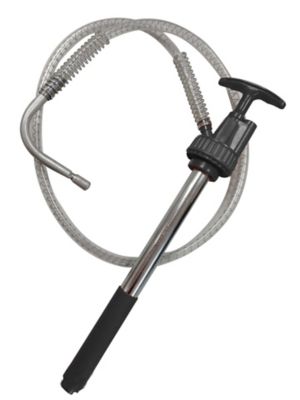
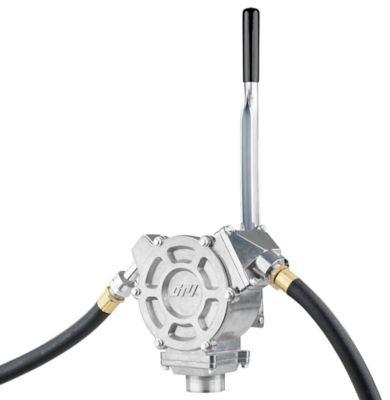
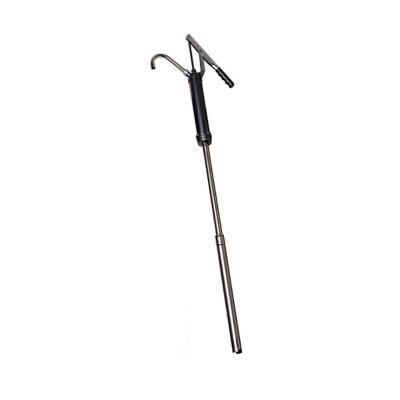
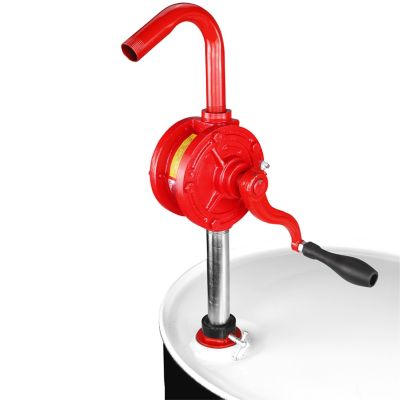
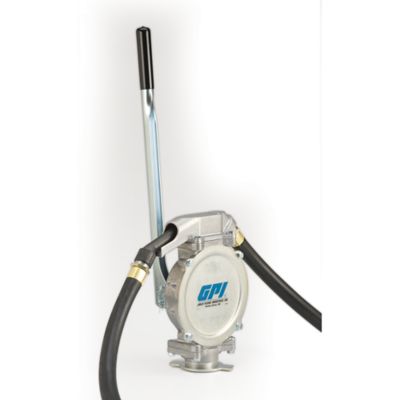
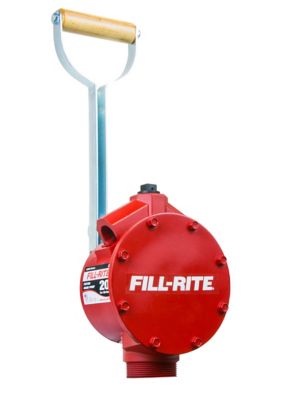
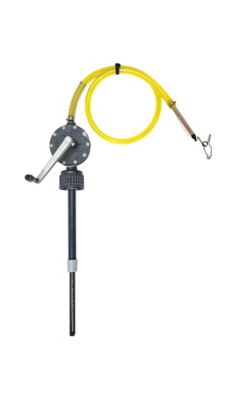
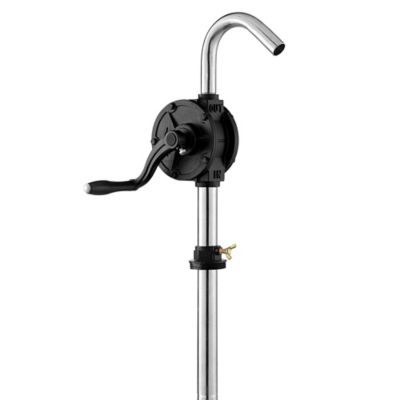
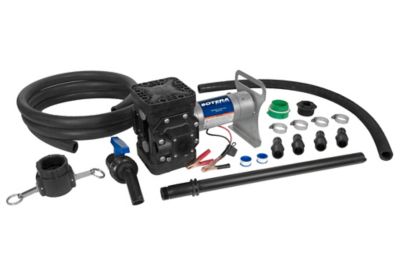
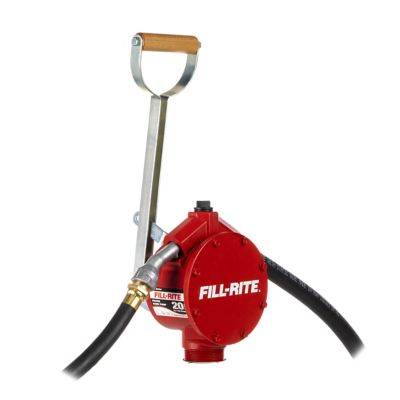
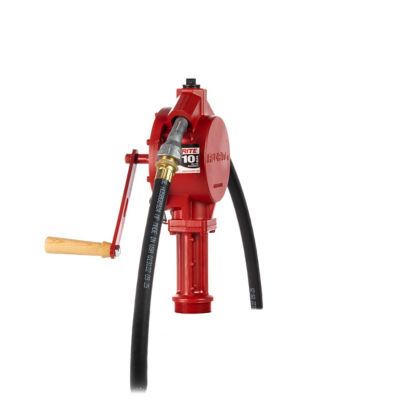
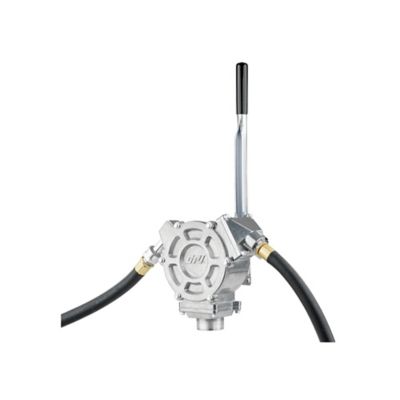
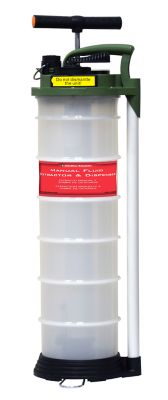
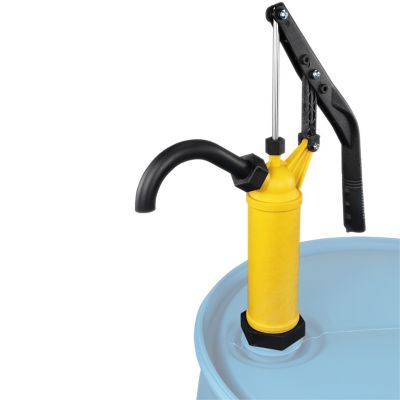
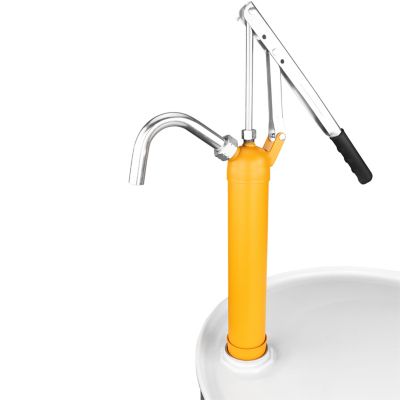
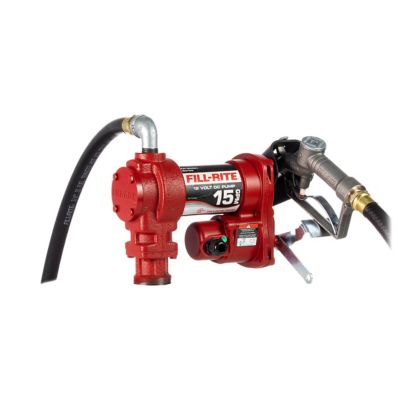
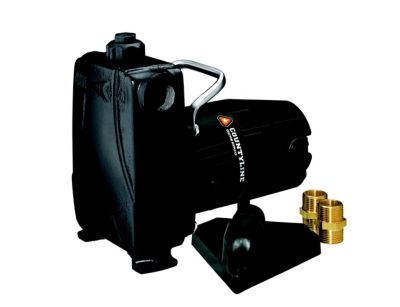
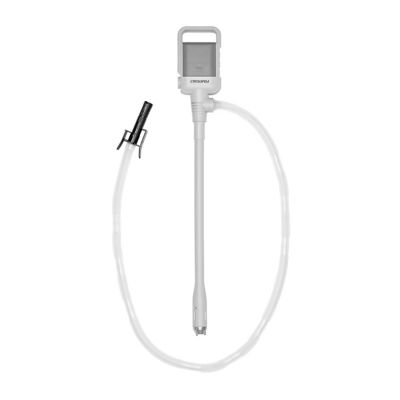
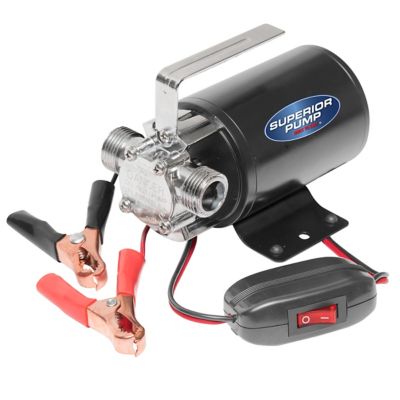
Manual fluid transfer pumps are handy, straightforward tools for moving liquid from one container to another without lifting a heavy jug, tipping a drum, or making a mess around the shop. A hand-operated pump can help transfer motor oil, hydraulic fluid, gear oil, transmission fluid, coolant, diesel fuel, water, and other compatible liquids, depending on the pump’s materials and intended use. They are useful around farms, garages, barns, equipment sheds, and home workshops where fluids are part of regular maintenance. A small squeeze-style pump may be a good fit for light-duty siphoning from a container, draining a small reservoir, or topping off equipment in a tight spot. For thicker fluids or larger containers, a lever or barrel pump can provide steadier flow and mount directly to a drum or pail. Piston-style fluid extractors and hand-operated fill pumps are often used when a cleaner, more controlled transfer is needed, including service work on differentials, gear cases, transmissions, and other reservoirs that are difficult to reach. The right manual fluid transfer pump helps reduce spills and strain while giving you better control over the flow than trying to pour directly from a bulky container. During the cooler months, it can be especially useful to have one close by when cold temperatures make oil and other fluids thicker and harder to handle. Keeping a dependable pump on hand also means less scrambling when a tractor, mower, truck, ATV, generator, or other piece of equipment needs a quick fluid check before the next job.
When choosing a manual fluid transfer pump, start with the fluid you plan to move and check that the pump, hose, seals, and fittings are rated for that liquid. Oil and fuel can affect certain plastics and rubber materials, while some cleaners, chemicals, and agricultural fluids require specialized construction. A pump made for water is not automatically suitable for fuel, solvents, or petroleum-based products, so reviewing the intended application is an important part of shopping. Next, consider the container size and the distance the fluid needs to travel. Squeeze bulb pumps are compact and easy to store in a tool box, but they are generally better for smaller jobs and lighter fluids. Lever-operated barrel pumps are built for repeated use with larger drums and can move more fluid with each stroke, making them a practical choice for a busy shop, livestock operation, or maintenance area. Hand pumps with rigid pickup tubes may work well with standard drums, while flexible hoses can make it easier to reach fill openings tucked behind shields or under a hood. Look at hose length, inlet and outlet size, included adapters, flow rate, and the type of connection used on the container or reservoir. A pump with the right adapter can make filling a hard-to-reach transmission or differential much less frustrating. For thick gear oil, a sturdy handle and solid seals matter because the pump may require more effort and slower, deliberate strokes. For thinner fuel or coolant, flow control and secure connections can help prevent splashing. It is also worth considering cleanup and storage: a pump that can be drained, wiped down, and stored upright is easier to keep ready for the next service job. Marking pumps for dedicated fluids is a sensible habit, especially on a farm or in a shared shop, since cross-contamination can damage equipment or affect fluid performance.
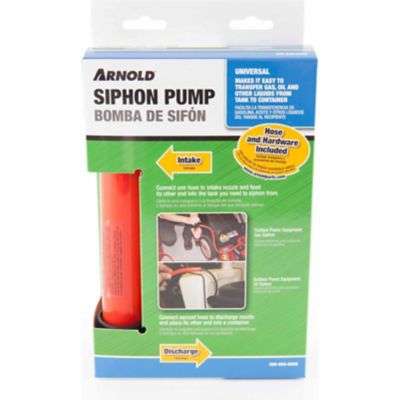
Manual fluid transfer pumps suit a wide range of users, from landowners and do-it-yourself mechanics to small engine owners, truck drivers, maintenance crews, and anyone who keeps equipment running without taking every job to a service shop. They can be useful for seasonal equipment care, such as servicing a mower before storage, checking fluids in a tractor before fieldwork, or preparing a generator and utility vehicle for cold weather. A pump may also be a practical gift for someone who enjoys working on trucks, restoring equipment, maintaining a homestead, or keeping a well-organized garage. Before use, set the receiving container or reservoir on a stable surface, confirm that the hose is seated securely, and keep the pump and connections clean. Work in a well-ventilated area, keep fuel and other flammable liquids away from sparks and open flames, and wear gloves and eye protection when the fluid may irritate skin or splash. Never use a pump for a liquid unless its instructions and materials support that application, and do not use a fuel-rated pump for drinking water or household use unless it is specifically approved for that purpose. Place a drain pan under fittings when needed, avoid overfilling reservoirs, and wipe up spills promptly. Used oil, coolant, fuel, and contaminated absorbent materials should be stored and disposed of according to local requirements. For smaller, lighter-duty transfer jobs, explore
Siphon Pumps as another convenient option. With the right pump matched to the fluid, container, and task, routine maintenance becomes a cleaner, more manageable part of caring for the equipment that keeps the property, shop, and daily work moving.