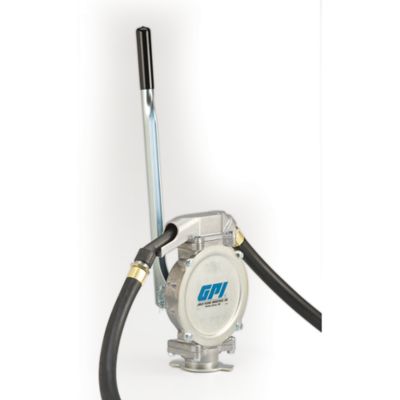
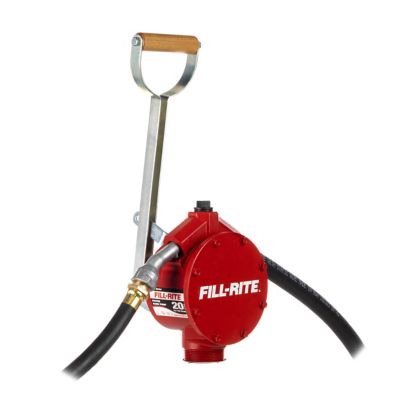
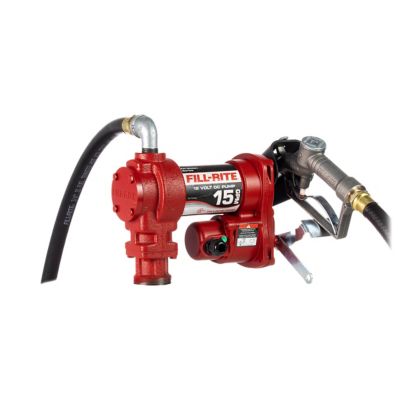
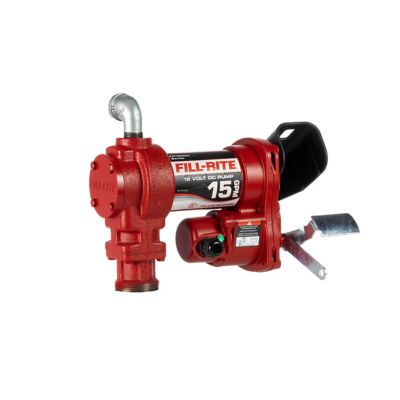
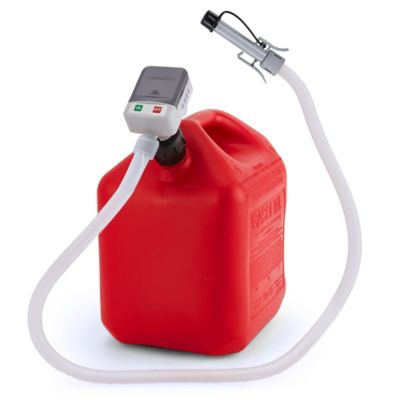
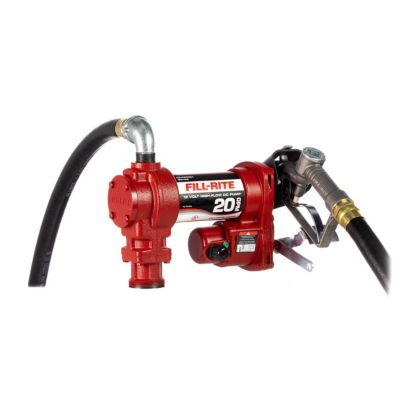
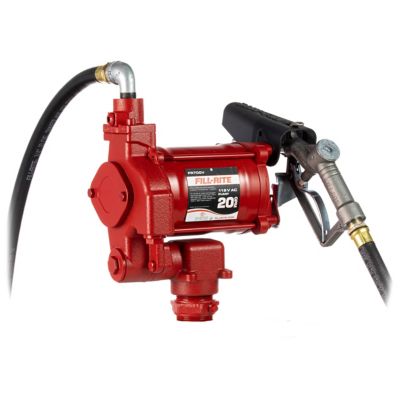
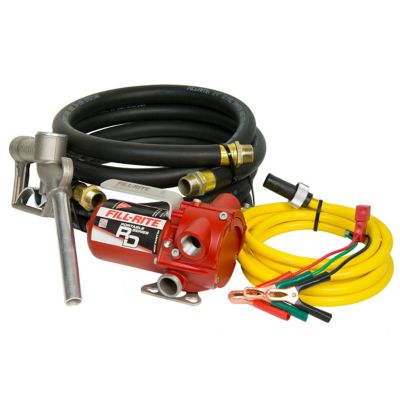
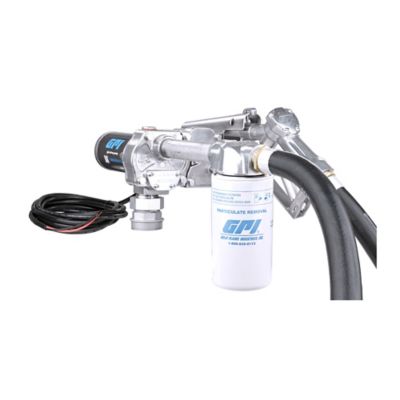
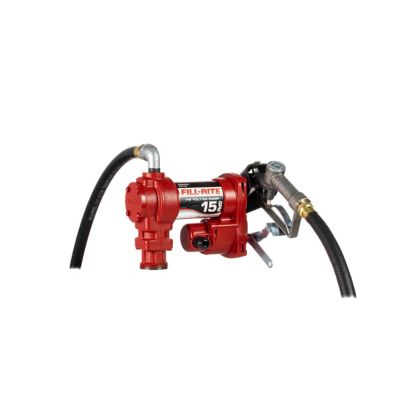
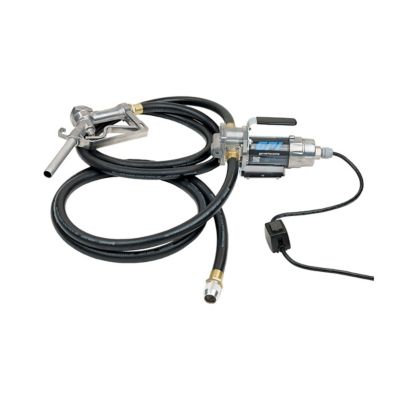
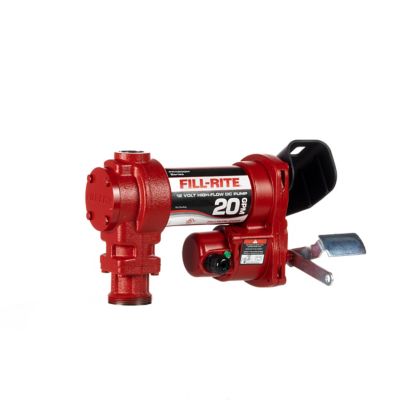
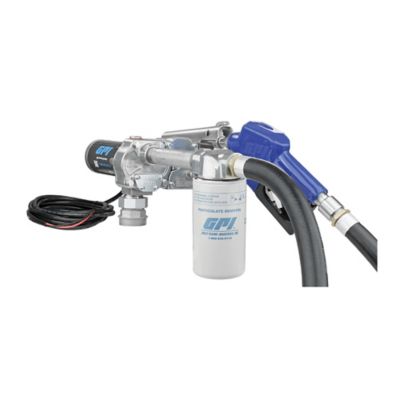
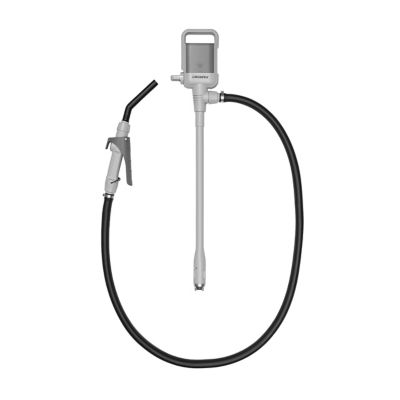
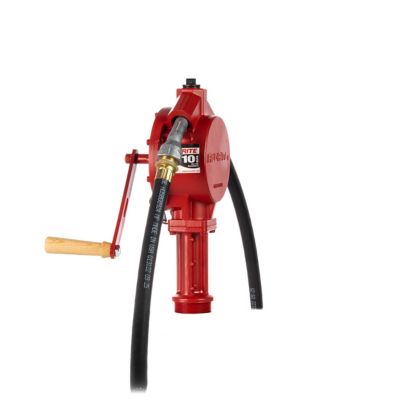
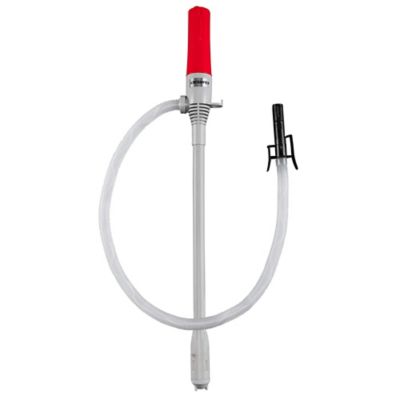
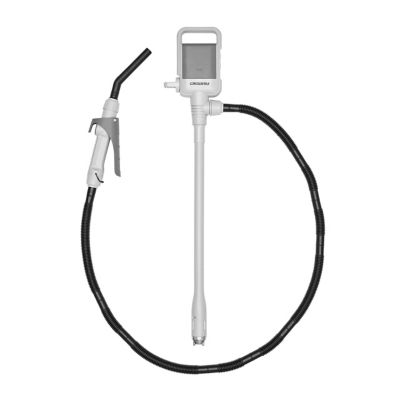
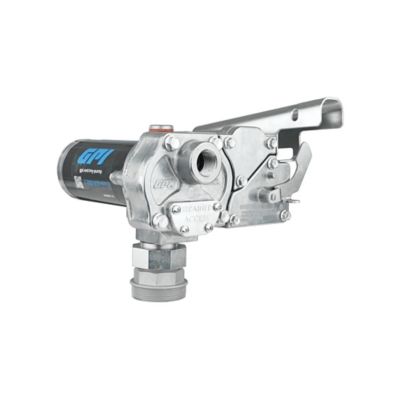
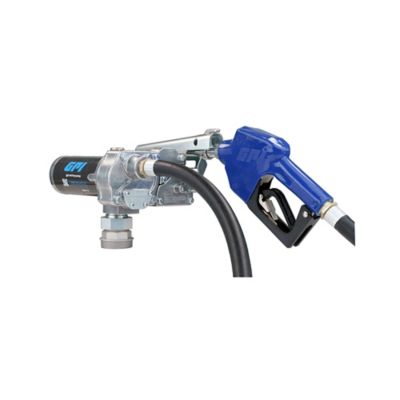
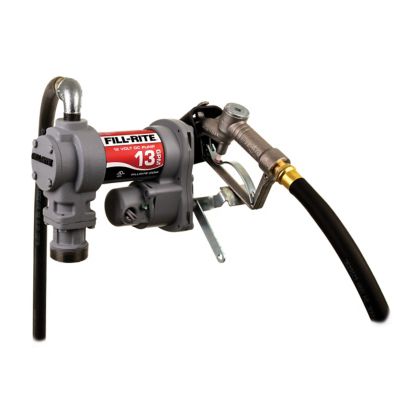
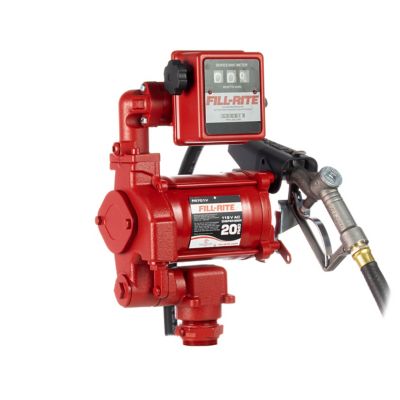
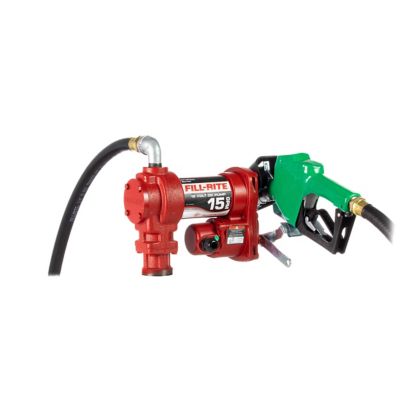
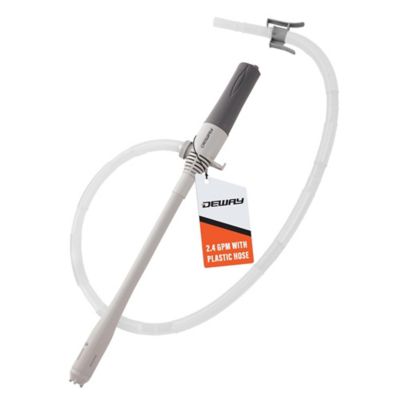
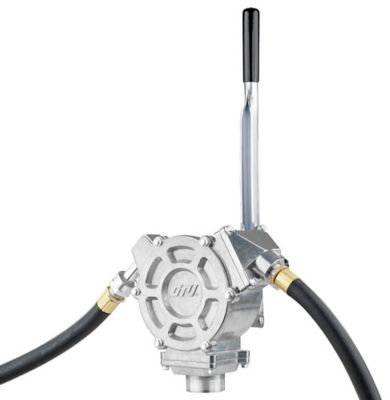
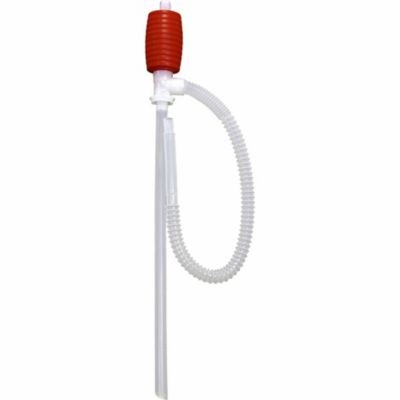
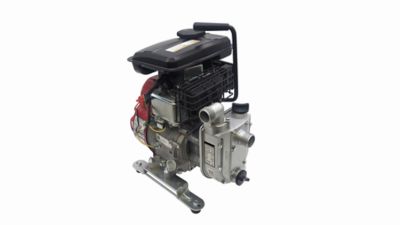
A gasoline transfer pump moves fuel from an approved storage container or tank into gasoline-powered equipment, making refueling more controlled than lifting and tipping a heavy can. Around a farm, acreage, or equipment yard, that can mean filling a riding mower near the shed, topping off a gas-powered utility vehicle before checking fence, or keeping several small engines ready for the next job. Gasoline transfer pumps come in several configurations, with the power source and mounting arrangement shaping where each one fits. Manual rotary, lever, and piston pumps move fuel by hand without an electrical connection, making them practical for occasional transfers and locations without power. Portable battery-powered pumps can suit smaller containers and lighter refueling tasks, provided they carry an explicit gasoline rating. Shoppers comparing
Battery Operated Liquid Transfer Pumps should check the stated liquid compatibility, since battery power alone does not make a pump suitable for gasoline. Tank-mounted electric pumps may run on 12- or 24-volt DC power, while stationary installations may call for 115- or 230-volt AC power, depending on the equipment rating. A DC setup can make sense alongside an approved transfer tank on a work vehicle, while an AC setup generally belongs where the proper electrical supply and installation are in place. The distinction matters: power cables, electrical protection, mounting hardware, and connections need to match the pump and its intended setting. Gasoline gives off flammable vapors, so an ordinary water pump or a pump rated only for diesel is not an acceptable substitute. Farm crews, landscapers, groundskeepers, and property owners benefit from a setup matched to the fuel, the equipment, and the amount of refueling on a typical workday. The goal is a manageable transfer arrangement that brings the nozzle to the tank without unnecessary lifting, awkward reaching, or repeated trips with a can.
Flow rate helps separate a pump meant for a small fill-up from one intended to service larger fuel tanks. Manufacturers generally state flow in gallons per minute, often shortened to GPM. Small portable gasoline-rated pumps may deliver a few gallons per minute, while larger tank-mounted electric pumps may deliver 15 GPM or more. Those figures describe rated performance, not a promise of the same output through every installation. Suction lift, hose length, hose diameter, filters, fittings, and the discharge nozzle can all affect actual flow. A higher rating is not automatically a better match for a mower or another machine with a small tank and narrow filler opening; controlled delivery and a comfortable nozzle can matter more than speed. For equipment with larger gasoline tanks, higher flow can shorten the time spent beside the fuel station. Fit extends well beyond the outlet hose. Tank opening threads, mounting position, suction pipe length, and the distance between the pump and receiving tank all influence whether a setup comes together properly. A drum-mounted arrangement has different connection needs than a pump intended for an approved mobile transfer tank. Pump construction also deserves a close look. Cast iron and aluminum housings appear in fuel-transfer equipment, with weight, corrosion resistance, and mounting support among the practical differences to consider. Inside the pump, seals, gaskets, and other wetted parts must be compatible with the particular gasoline blend. A gasoline rating does not necessarily cover every ethanol concentration, and compatibility with E10 should not be taken as approval for E15 or E85. Hoses, filters, meters, swivels, and nozzles need the same attention to fuel compatibility. A tough housing cannot make up for an unsuitable seal or hose lining. For a working farm or property, a well-matched assembly means enough hose to reach the equipment, connections that fit without makeshift adapters, and components that suit the fuel from the storage tank through the nozzle.
Day-to-day handling often determines how comfortable a gasoline transfer setup feels after the first few fill-ups. A nozzle with a manageable grip, a hose that reaches without pulling tight, and a secure place to hang both can make routine fueling less awkward. Manual nozzles give the operator direct control over delivery, while compatible automatic shutoff nozzles stop flow when their sensing mechanism detects a full tank. Automatic shutoff still requires the operator to remain present throughout fueling, and the nozzle must match the pump’s flow and installation requirements. Fuel meters can help track how much gasoline goes into individual machines, although their readings depend on proper installation, maintenance, and any required calibration. Fuel-compatible filters can help manage contaminants when correctly matched to the system, but their flow capacity and service needs also matter. Pump duty cycle is another practical consideration for crews filling several machines in succession. An intermittent-duty motor needs the operating and rest periods specified by its manufacturer; a continuous-duty designation applies only within the stated operating conditions. Care centers on keeping connections sound, protecting the hose from abrasion and crushing, and checking for cracks, swelling, seepage, or loose fittings before operation. Replacement seals and other service parts need to match the pump and fuel rather than simply fit the opening. Safe operation also calls for ventilation, control of ignition sources, and the bonding and grounding arrangements required by the manufacturer and applicable codes. Fueling equipment should be shut down as directed by its manufacturer, and gasoline belongs only in approved containers and tanks. Between jobs, a secure nozzle holder, supported hose, and protected electrical connections help keep the setup orderly. Whether the task is an occasional mower refill or repeated fueling across a busy equipment yard, gasoline transfer pumps work best as part of a complete, compatible system built around the way the property actually runs.