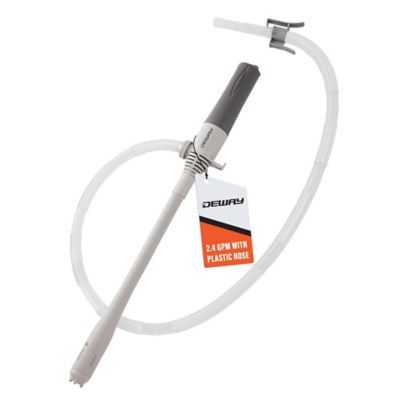
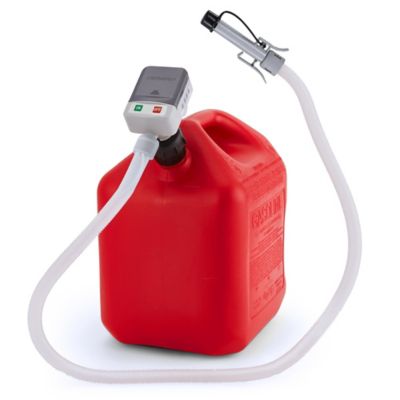
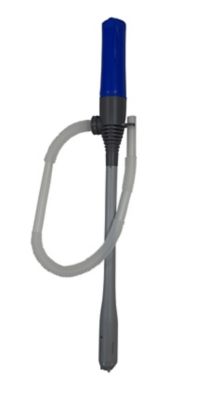
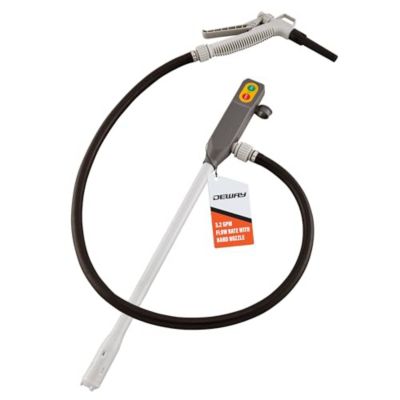
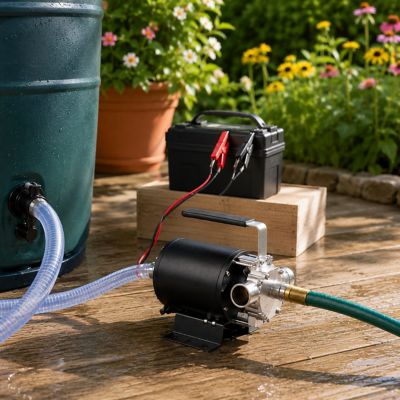
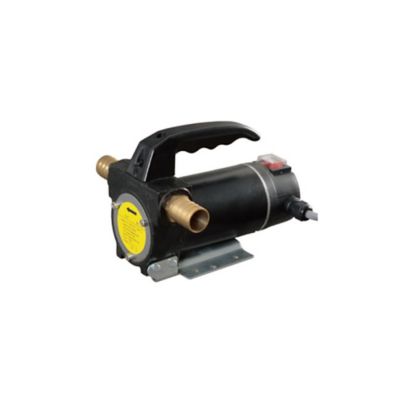
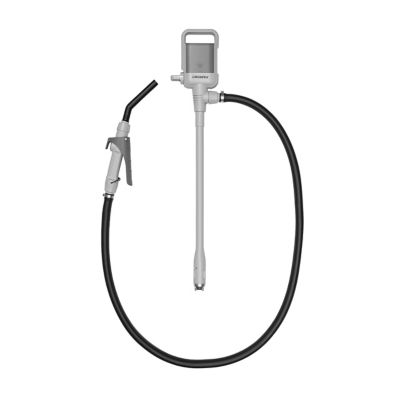
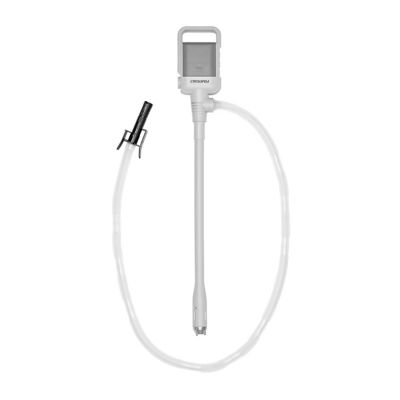
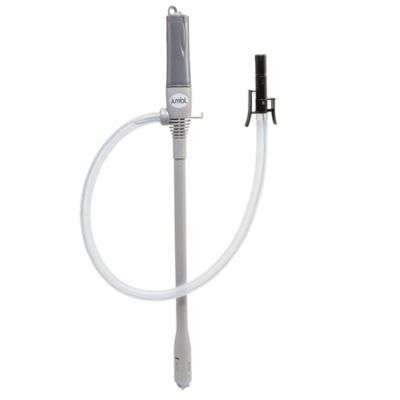
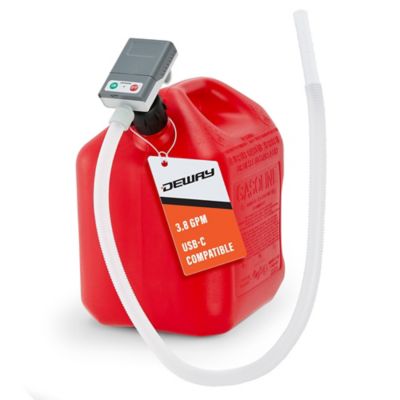
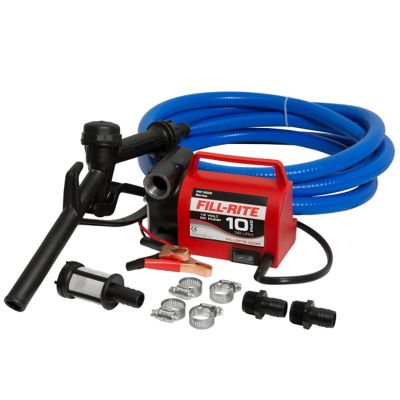
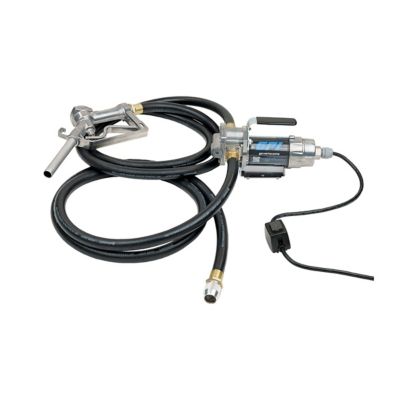
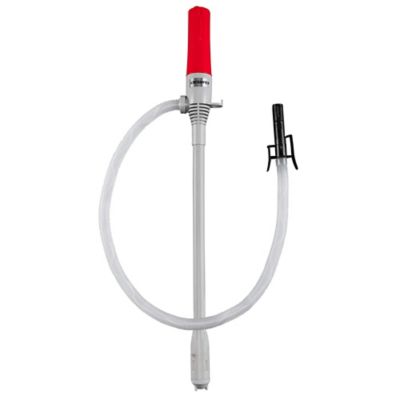
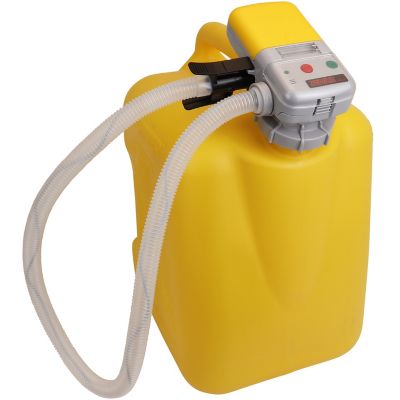
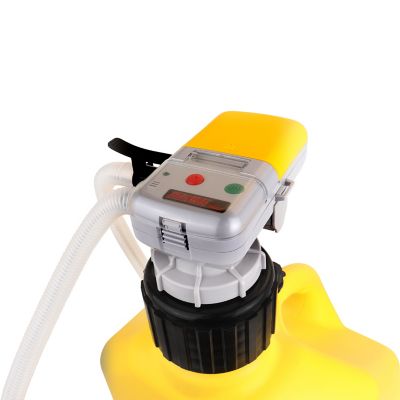
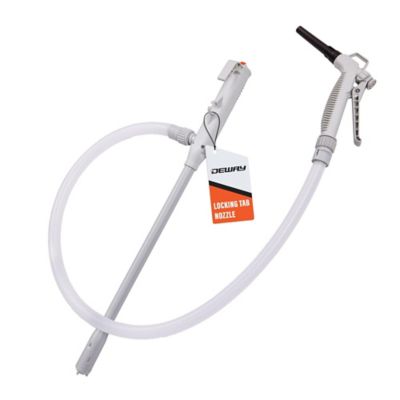
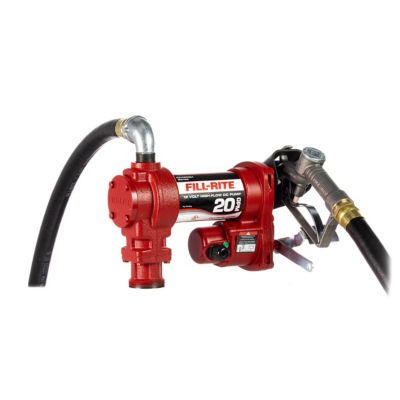
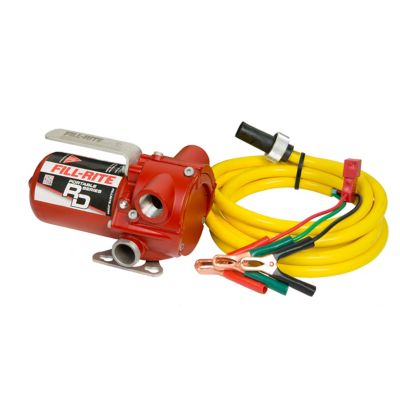
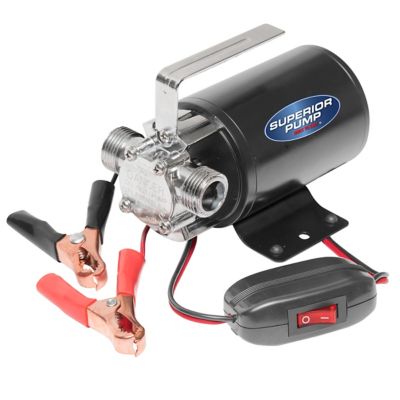
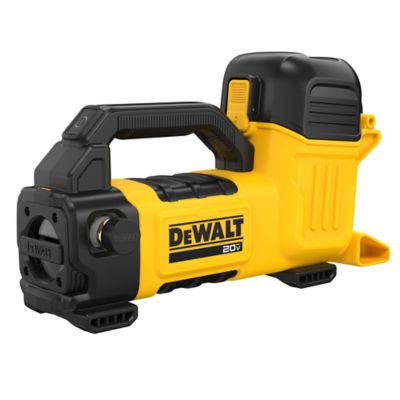
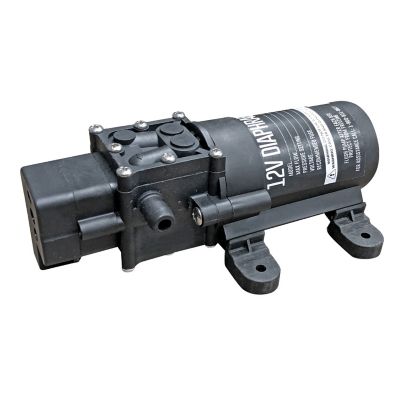
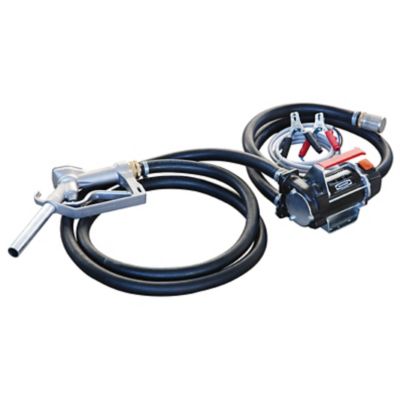
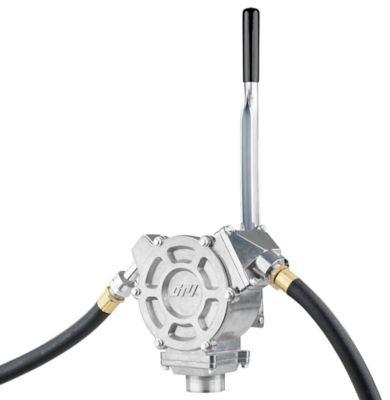
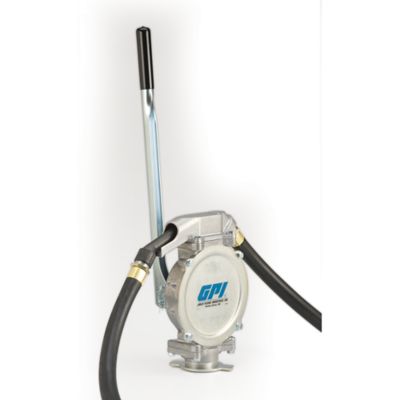
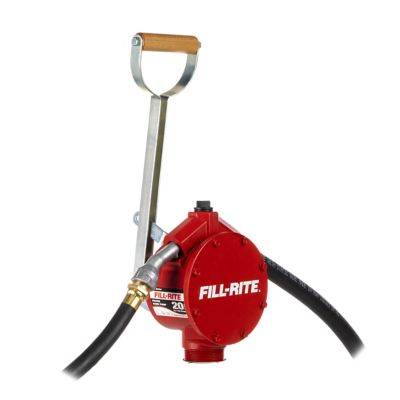
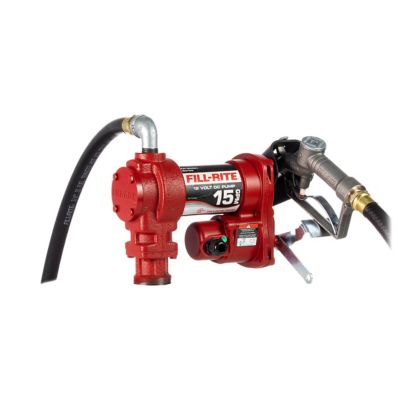
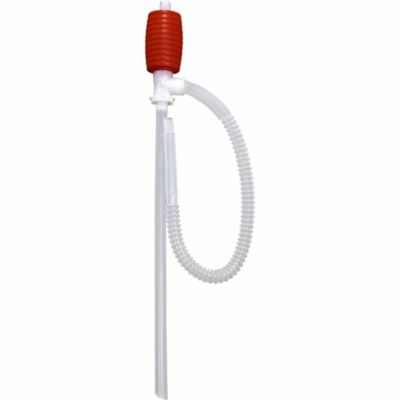
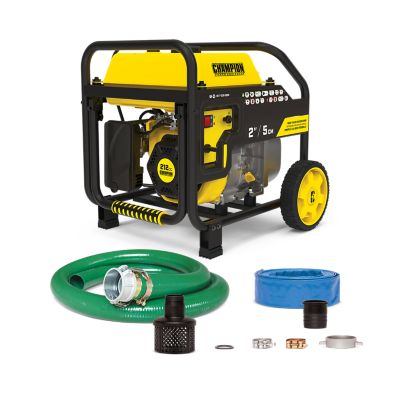
Battery operated liquid transfer pumps make it easier to move water, fuel, oil and other compatible fluids when a hand siphon is too slow and an electrical outlet is out of reach. These portable pumps are useful around the farm, garage, barn, workshop, boat dock, job site and home. A small battery-powered pump can help transfer fuel from an approved container into equipment, move water out of a livestock trough, drain standing water from a low spot or empty a non-corrosive liquid from one container into another without lifting a heavy jug. They are also handy for lawn and garden chores, seasonal equipment care, RV maintenance, emergency cleanup and routine shop work during the cooler months, when frozen ground, wet weather and stored equipment can make fluid handling more difficult. Because they do not depend on a wall outlet, battery operated liquid transfer pumps are a practical choice for remote sheds, utility trailers and outdoor work areas. They can also make a useful gift for a farmer, rancher, mechanic, landscaper, homeowner, camper or do-it-yourselfer who spends plenty of time working with fuel cans, water tanks, machinery and other equipment. Before choosing a pump, identify the liquid you plan to move and check the manufacturer’s approved fluid list. Some pumps are made only for water and other non-corrosive liquids, while others are designed for gasoline, diesel, kerosene, oil or similar fluids. A pump intended for water should never be used with fuel, solvents or chemicals unless the instructions specifically allow it. The wrong materials can swell, crack or break down, damage the pump, create leaks or raise the risk of fire. Look for tubing, seals, hoses and internal components that match the liquid being transferred, and use containers that are rated for that fluid. For a simple reference when powered equipment is not the right fit, you can also compare these options with
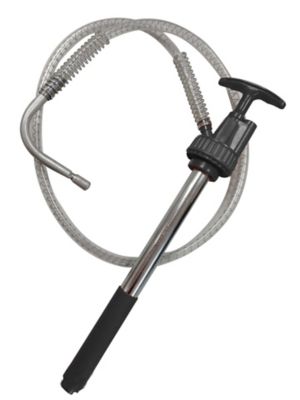
Manual Fluid Transfer Pumps.
Pump size and flow rate are important considerations, especially when moving several gallons at a time. Compact household and shop pumps may move around 1.5 quarts per minute, making them well suited to topping off a small tank, transferring a modest amount of fuel or clearing a container without much setup. Heavy-duty cordless pumps powered by rechargeable tool batteries can move several gallons per minute and are better suited to larger tanks, plumbing work, HVAC service, job-site dewatering and other demanding tasks. A faster flow rate can save time, but it also gives you less time to react if the hose slips or the receiving container starts to overflow. For that reason, a pump with an automatic shutoff sensor, high-level alarm or similar overflow protection can be especially helpful when working alone. Even with an auto-stop feature, stay with the pump while it runs and keep a hand on the hose whenever practical. Battery operation has its limits, too. Runtime depends on the fluid, hose length, lift height, temperature, battery condition and how hard the pump is working. Small pumps using standard alkaline batteries are convenient for quick transfers and occasional chores. Rechargeable battery systems may deliver higher flow for larger jobs, but they still may run for only about 20 to 40 minutes under heavy load before needing a fresh or charged battery. Keep spare batteries ready for work away from the house, and check whether the pump includes batteries or requires a separate battery and charger. A longer hose may reach a distant tank, though extra hose length and vertical lift can reduce flow. Pay attention to the pump’s maximum lift, hose diameter, intake depth and outlet reach so the setup fits the containers and equipment you already use. A wide, stable receiving container and a secure place to set the pump can make the whole job smoother, particularly when transferring liquid on uneven ground or from the bed of a truck.
Safe handling matters every time a battery operated liquid transfer pump is used. Set both containers on stable, level surfaces, keep the intake end below the liquid level and place the discharge end securely inside the receiving container before starting the pump. Do not leave a running pump unattended, and shut it off before moving the hose or changing containers. When transferring gasoline, diesel or other flammable liquids, work outdoors or in a well-ventilated area away from sparks, flames, smoking materials, hot engines and electrical ignition sources. Follow local rules for fuel storage and disposal, use approved containers and ground equipment as recommended by the pump and container instructions. Wear suitable gloves and eye protection, and wash up after handling oil, fuel or chemicals. Never use a pump for drinking water unless it is specifically rated for potable water, and do not assume a pump made for water is suitable for livestock or household use. After the transfer, drain the hose as directed, clean the pump with an approved method and store it somewhere dry and protected from freezing temperatures, direct sunlight and curious children. Remove disposable batteries if the pump will sit unused for an extended period, and keep rechargeable batteries charged and stored according to their instructions. A little care helps prevent corrosion, leaks and unexpected downtime when equipment needs attention during wet weather, harvest cleanup or winter preparation. With the right fluid compatibility, flow rate, battery setup and safety features, battery operated liquid transfer pumps provide a convenient way to handle everyday fluid-moving jobs without hand pumping, heavy lifting or searching for an outlet.