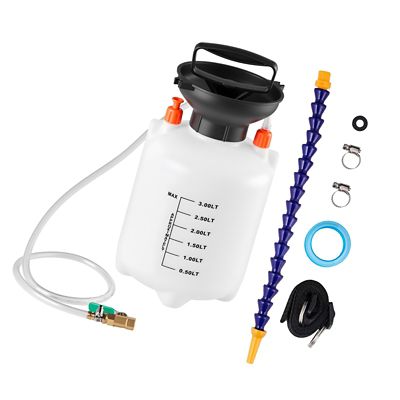
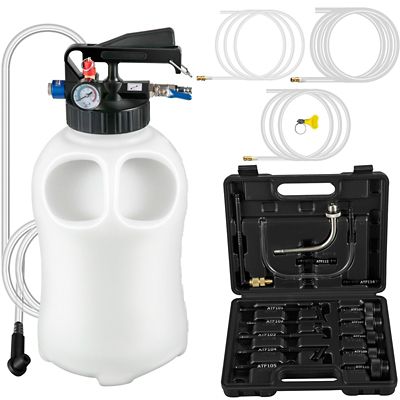
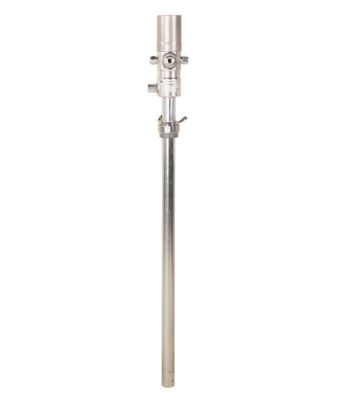
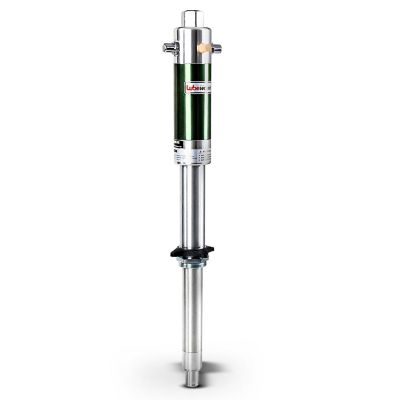
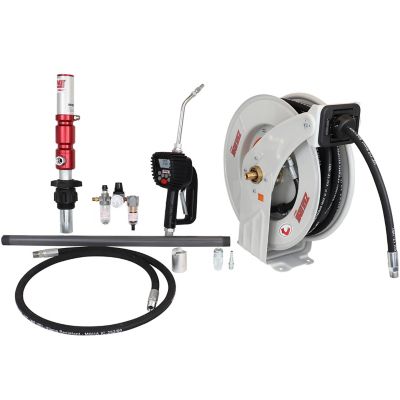
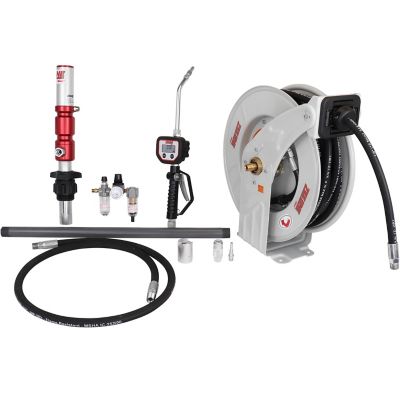
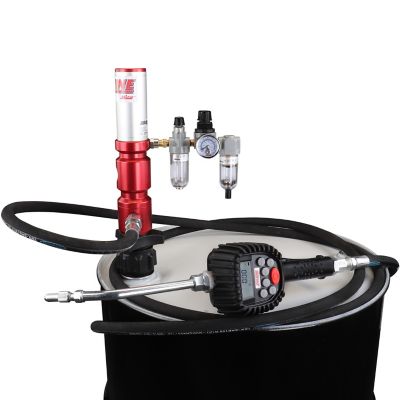
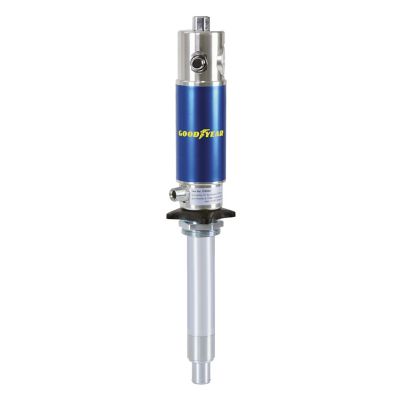
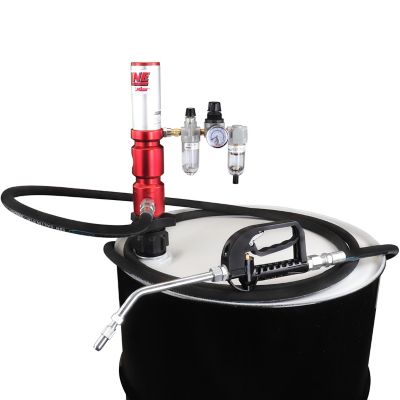
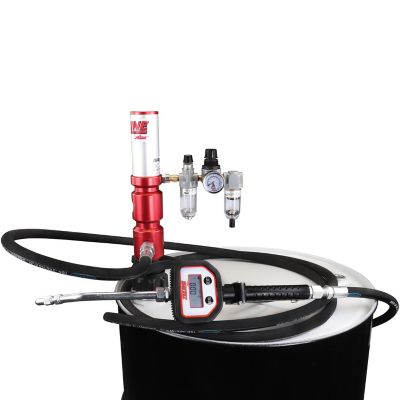
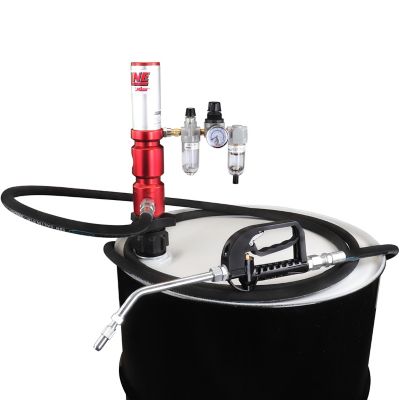
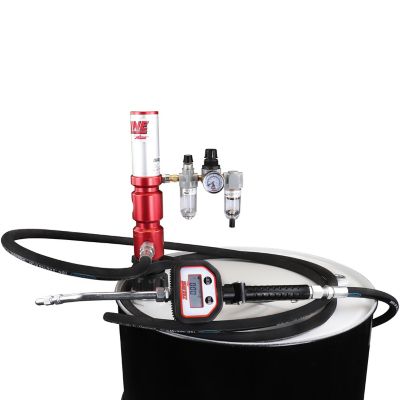
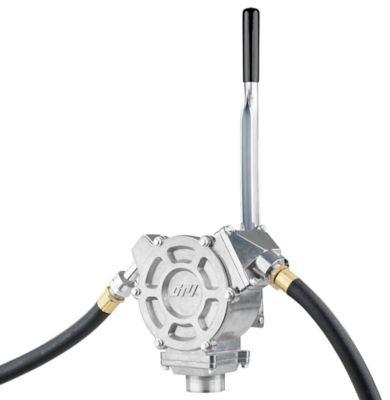
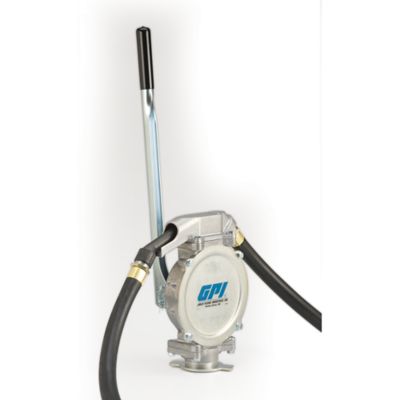
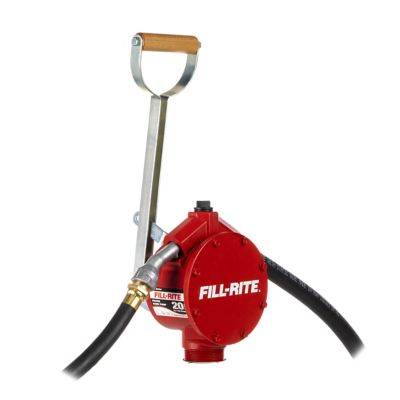
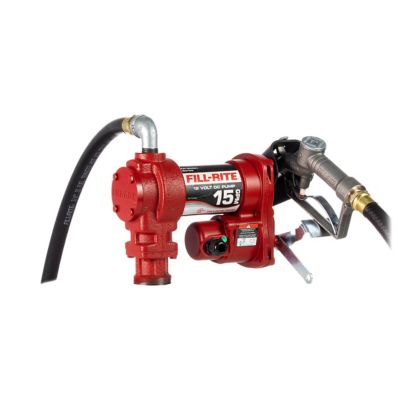
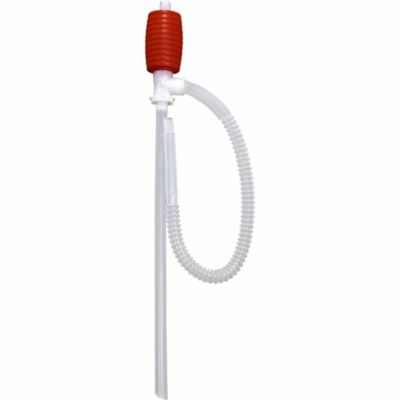
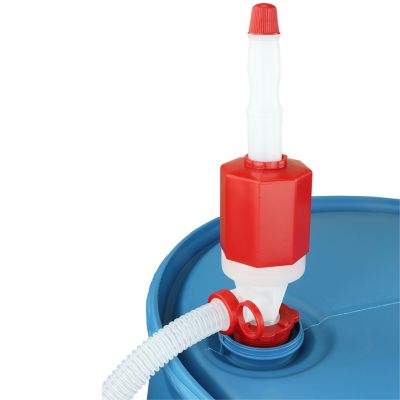
Transmission fluid pumps move fluid into, out of, or through a transmission, but the name covers two different kinds of equipment. External transmission fluid pumps are service tools that transfer fluid between a container and a vehicle, while internal transmission pumps are components that circulate fluid and create hydraulic pressure inside the transmission. For folks maintaining a pickup, tending a small fleet, or keeping equipment ready around the farm, an external pump can make an awkward fill point much easier to reach. A transmission tucked underneath a truck does not always leave room for a bottle and funnel, and some designs have no under-hood dipstick tube for adding fluid. A hose and properly matched adapter let fluid reach the designated fill opening without trying to tip a heavy jug into a tight space. Manual bottle pumps, hand-operated reservoir pumps, and air-powered fluid transfer systems offer different ways to handle that work. Some tools dispense fresh fluid only; others support extraction, filling, or both, depending on their design and accessories. That distinction matters when shopping, since a filling pump is not automatically an extractor, and neither is necessarily a transmission flushing machine. A transfer tool also does not guarantee that every bit of old fluid leaves the transmission; fluid may remain in the torque converter, cooler, and passages. Around a home garage, the appeal is straightforward: less wrestling with bottles, more control over delivery, and a better chance of keeping fluid off the floor. Picture a pickup parked over a catch pan, with barely enough clearance to reach the fill plug. That is where hose routing, a secure fitting, and a manageable pump handle count for more than a long list of features. During the cooler months, when a concrete shop floor stays chilly and fluids can flow more slowly, choosing a pump rated for the intended fluid and operating conditions helps keep routine service from becoming an all-afternoon chore.
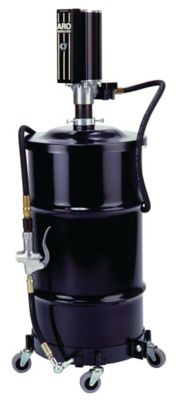
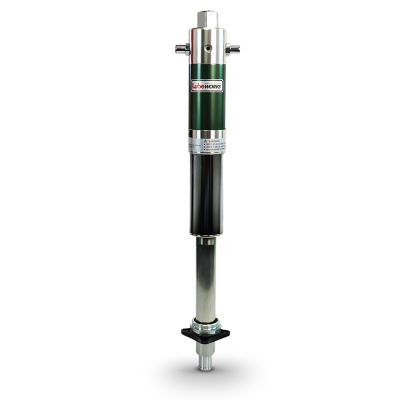
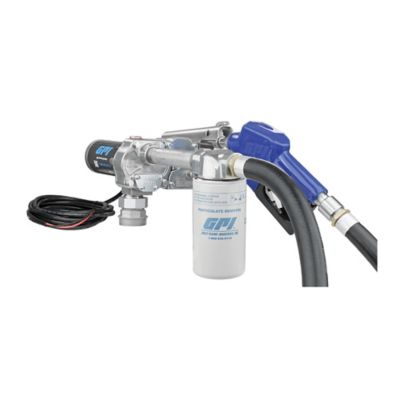
Choosing an external transmission fluid pump starts with the fluid specification, the container, and the vehicle’s fill connection. Automatic transmission fluid, continuously variable transmission fluid, dual-clutch transmission fluid, and manual transmission lubricants are not interchangeable simply because they serve a transmission. Pump seals, hoses, and fittings need compatibility with the fluid going through them, and the vehicle manufacturer’s specified fluid remains the deciding factor. A pump advertised for several lubricants may still have limits on viscosity or temperature, especially when moving heavier oils in a cold shop. Bottle-top pumps are worth considering for occasional jobs and smaller quantities, but bottle capacity alone does not establish fit. Neck threads, suction-tube length, and the shape of the container all affect whether the pump attaches securely and reaches the fluid near the bottom. Reservoir-style transmission fluid dispensers hold fluid in a separate tank and can reduce repeated bottle changes on larger fills. Their practical capacity, fill markings, base stability, and carrying arrangement deserve a close look, particularly if the tool will travel between a workbench and the underside of a vehicle. Hose length is another everyday consideration: enough reach helps keep the reservoir in a convenient spot, while excess hose can snag or leave more fluid to drain after the job. Vehicle-specific adapters matter just as much. Thread size, connection style, and clearance around the fill port must match the transmission, and an assortment of adapters does not mean universal fit. For an air-powered pump, shop-air requirements, pressure controls, and the manufacturer’s operating limits belong on the shopping checklist. Some pneumatic tools rely on compressed air to create suction, while others pressurize a reservoir for dispensing. Those functions should be confirmed rather than assumed. A hand-operated tool avoids the need for a compressor and may suit a garage with limited equipment, while an air-powered system may make sense where compatible shop air is already available and fluid service is a regular part of the workload.
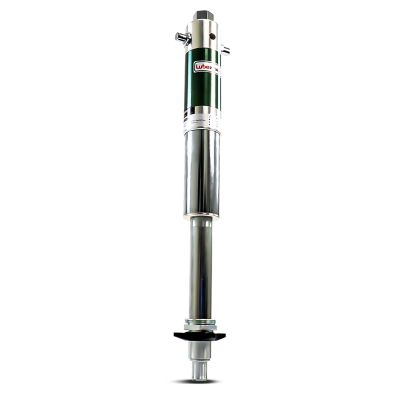
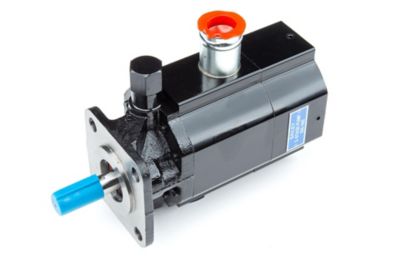
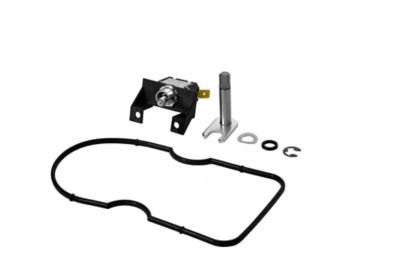
The best fit also depends on who will handle the pump and how often it will come off the shelf. A weekend vehicle owner may value compact storage and simple cleanup, while a farm mechanic or fleet maintenance crew may put more weight on reservoir capacity, replaceable hoses, and access to replacement seals. For anyone servicing several vehicles, separate equipment or manufacturer-approved cleaning practices can help prevent one fluid from contaminating another. Capped hose ends, secure storage, and clearly identified containers help keep shop dust and moisture away from fresh fluid. A visible delivery hose or marked reservoir can help monitor transfer, but the amount pumped is not a substitute for the vehicle’s prescribed fluid-level check. Many transmissions require the vehicle to sit level and the fluid to reach a specified temperature, sometimes with the engine running, before the level can be verified. A sealed transmission is not necessarily maintenance-free; it may simply require a particular service connection and procedure. Safe clearance and proper vehicle support matter whenever access is underneath. Internal transmission pumps belong to a different purchase decision altogether. In an automatic transmission, the internal pump supplies fluid pressure for hydraulic controls and clutch operation while supporting lubrication and cooling flow. Many designs receive mechanical drive from the engine through the transmission’s input-side components, while some systems incorporate an auxiliary electric pump. Replacement requires matching the transmission design and confirming the actual fault. Delayed engagement, slipping, or whining can have several causes, so those symptoms alone do not establish a pump failure. Equipment owners looking for pumps that power cylinders or other hydraulic functions can also explore
Hydraulic Pumps, a separate category with its own application and fit requirements. For a practical garage gift, an external transmission fluid pump can suit someone who handles their own maintenance, provided the fluid compatibility and vehicle connections are known. Whether it is for a household truck or a working shop, a well-matched pump earns its shelf space by making fluid handling more controlled, more convenient, and easier to keep tidy.