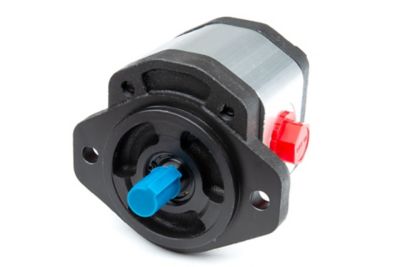
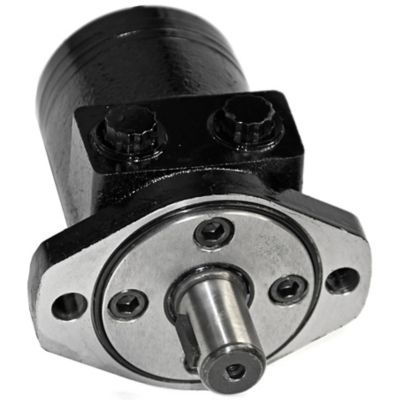
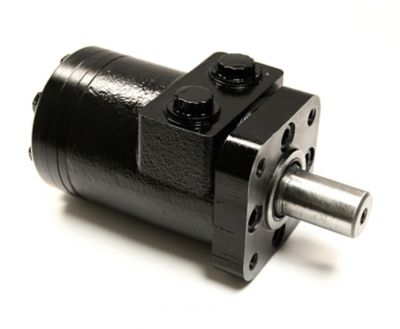
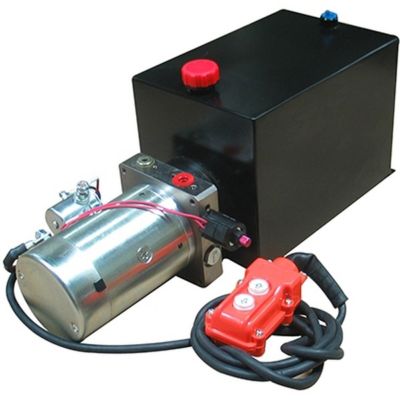
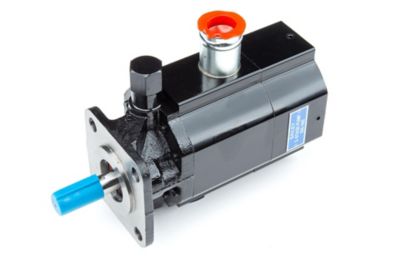
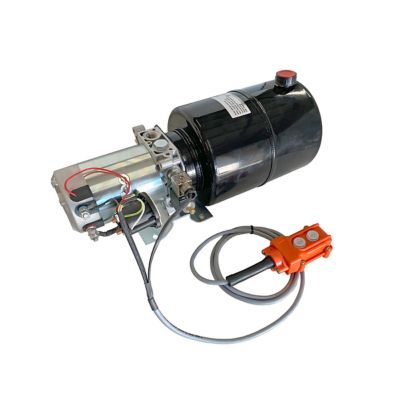
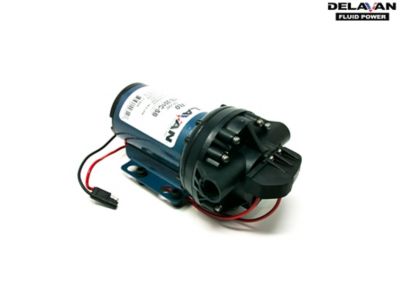
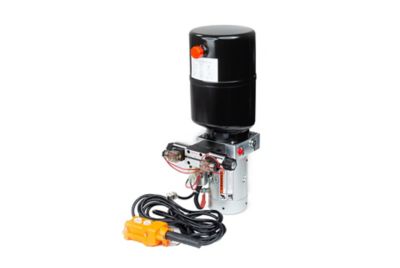
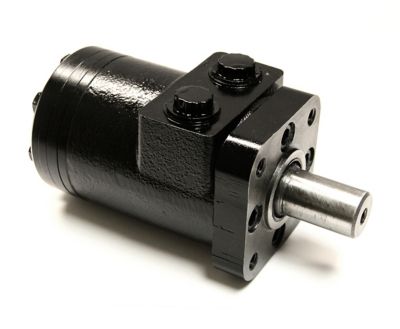
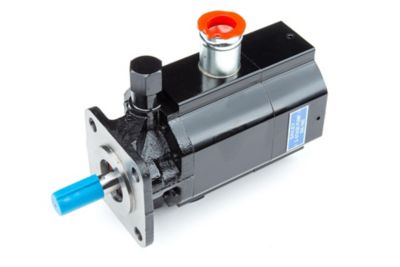
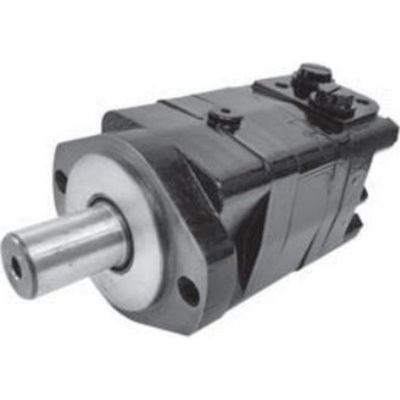
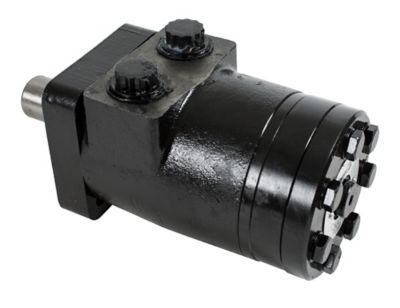
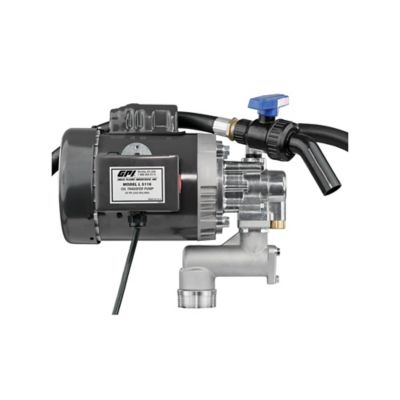
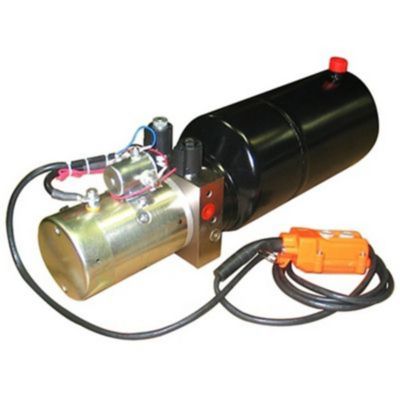
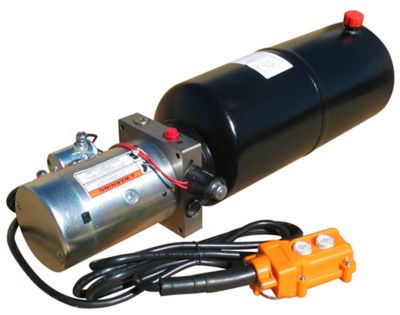
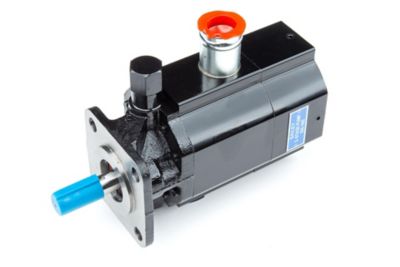
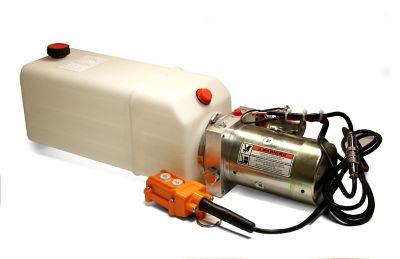
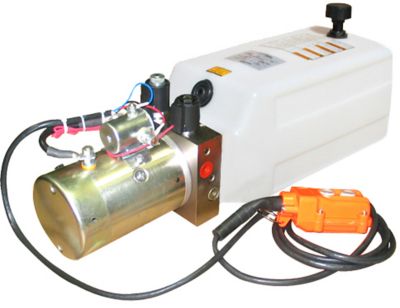
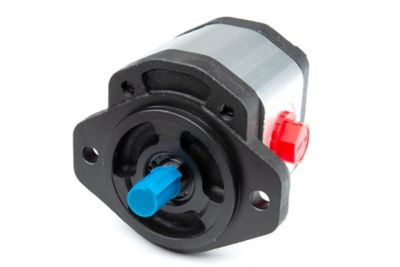
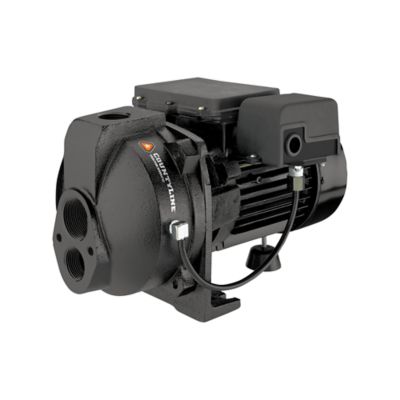
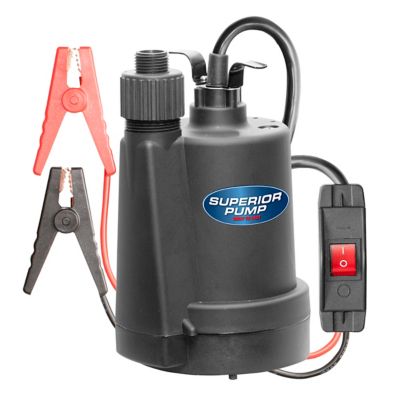
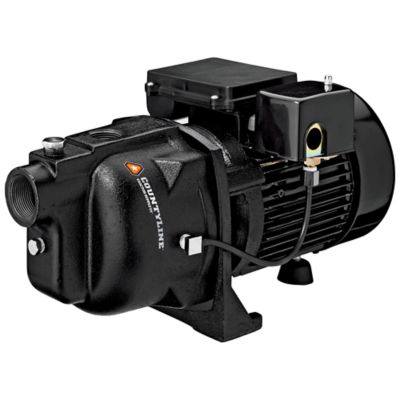
Hydraulic pump motors help turn engine, electric, or other mechanical power into the steady hydraulic action that makes working equipment move. Although the terms are often used together, a hydraulic pump and a hydraulic motor perform opposite jobs. A pump draws fluid from a reservoir and sends it through the system to create flow and pressure. A hydraulic motor receives that pressurized fluid and turns it into rotary power at the shaft, much like an engine turns fuel energy into motion. That distinction matters when you are replacing a worn component, building a hydraulic setup, or matching a motor to equipment around the farm, ranch, shop, or property. Pump motors and related hydraulic components may be used with dump trailers, log splitters, conveyors, augers, winches, compact utility equipment, agricultural machinery, and other systems that need dependable force in a compact package. Before choosing a unit, identify whether the application calls for a pump, a motor, or a complete motor-pump assembly, then compare the specifications against the equipment manual. A pump is generally rated by the flow it can deliver, while a motor is commonly evaluated by displacement, torque, speed, and the pressure it can handle. Using the wrong type or size can lead to slow operation, excess heat, poor performance, or damage to seals and other parts. For a small operation, keeping the right hydraulic component on hand can make a real difference when a trailer needs to unload, a splitter is ready for a stack of firewood, or a piece of equipment has to get back to work before weather closes in.
Fit and compatibility deserve just as much attention as power ratings. Start by checking the required gallons per minute, maximum and continuous pressure, shaft speed, rotation direction, mounting pattern, shaft style, and port size. A hydraulic motor may use gear, vane, or piston construction, and each design has different strengths related to speed, torque, efficiency, and operating pressure. Gear-style units are often valued for straightforward, hardworking service, while other designs may be better suited to higher-pressure or more demanding applications. Check whether the system needs clockwise, counterclockwise, or reversible rotation, especially when the motor will run a winch, conveyor, auger, or other equipment that must change direction. Port placement and thread type also need to match the hoses and fittings already in place; forcing a connection or relying on an improper adapter can create leaks and safety concerns. Some hydraulic motors require a case drain line to manage internal leakage and protect the housing, while standard pumps may not use the same arrangement. That is one of the key differences to verify before installation. Also consider the available power source, reservoir size, fluid type, filtration, and cooling capacity. Clean hydraulic fluid is essential because dirt and moisture can wear internal surfaces quickly, particularly in equipment that works outdoors around dust, mud, chaff, and sawdust. Inspect hoses, fittings, seals, and the reservoir before putting a replacement into service, and flush contamination from the system when needed. A unit that appears to fit may still be a poor match if the system cannot supply the required flow or if the motor is asked to run beyond its rated pressure. Taking measurements and writing down the existing specifications while the old component is still installed can save a long trip back to the parts counter.
Hydraulic pump motors are useful for farm owners, contractors, landscapers, property managers, and hands-on homeowners who depend on equipment to do more than a person can manage alone. They can help power the steady lifting, turning, pulling, and splitting work that piles up when fields need attention, storm debris needs clearing, or firewood must be prepared for the cooler months. A well-matched motor can provide controlled movement for a conveyor or auger, strong pulling power for a winch, or reliable rotation for equipment used around a barn or shop. These components are usually purchased for a repair or project rather than given as a traditional gift, but they can make a thoughtful choice for the person who enjoys keeping an older machine running, maintains a working property, or spends weekends building and improving equipment. The most useful “gift” is often the part that solves a real problem, so confirm the recipient’s application and specifications before choosing one. Once installed, follow the manufacturer’s break-in and maintenance directions, make sure the reservoir is filled with the recommended fluid, and operate the system at low speed while checking for leaks, unusual noise, vibration, or heat. Never search for a leak with your hands, since pressurized hydraulic fluid can penetrate skin; shut down the equipment, relieve pressure, and use proper protective equipment during inspection. As temperatures drop, remember that cold fluid becomes thicker and may make a system run slowly until it warms, while outdoor equipment can collect condensation when moved between cold air and a warmer shed. Store hoses and components clean, protect open ports from dirt, and keep replacement parts covered until installation. For shoppers comparing related equipment and accessories, the selection of
Motor Pumps can provide another place to review options. With the right flow, pressure, mounting, rotation, and maintenance plan, a hydraulic pump motor can keep dependable equipment working through changing conditions and the busy chores that come with life on the land.