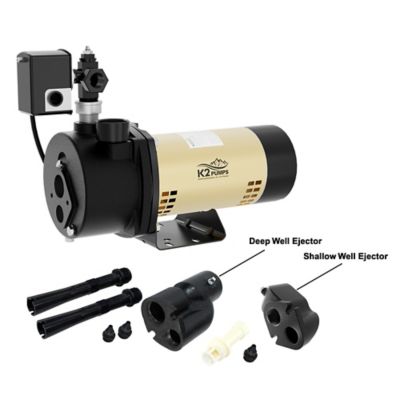
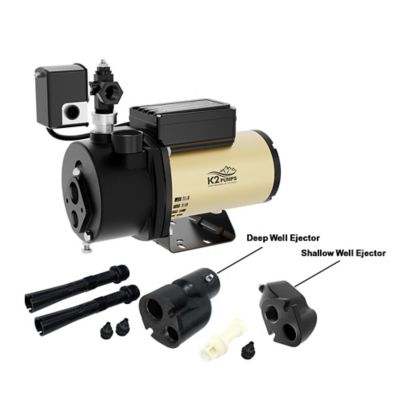
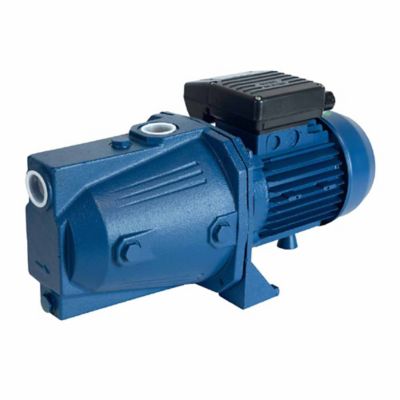
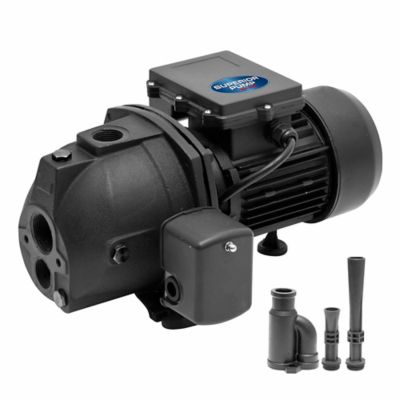
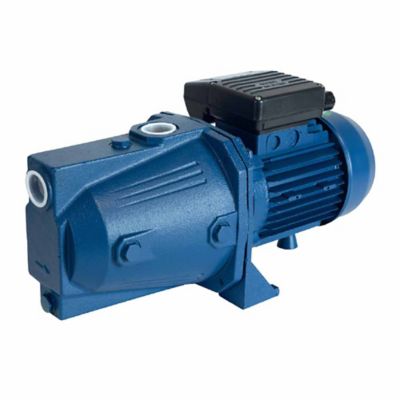
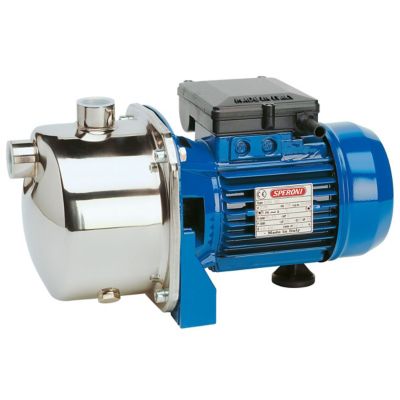
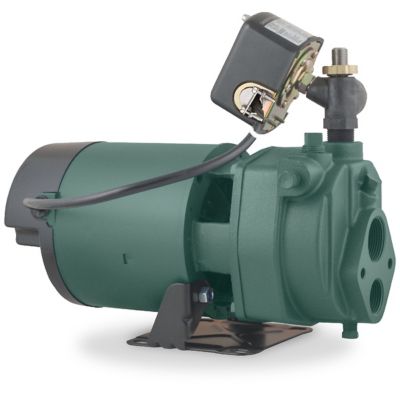
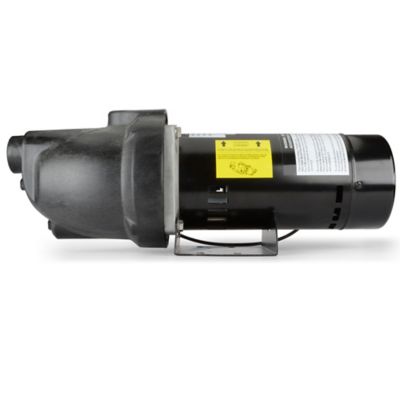
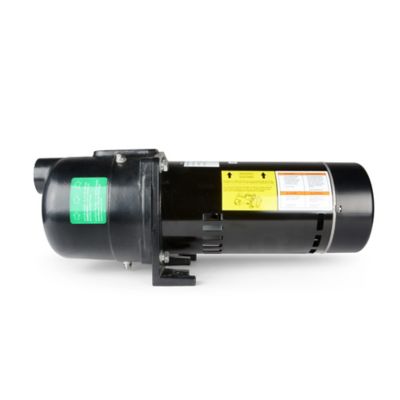
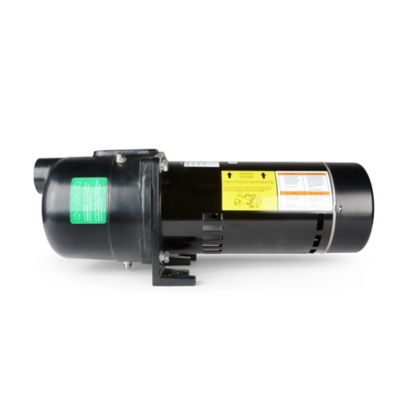
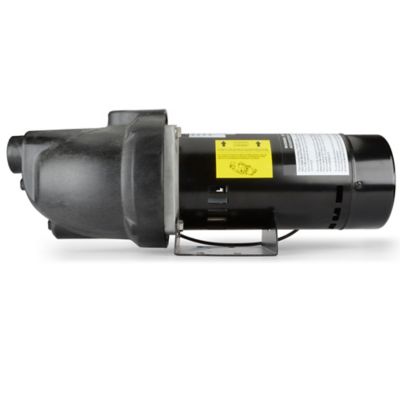
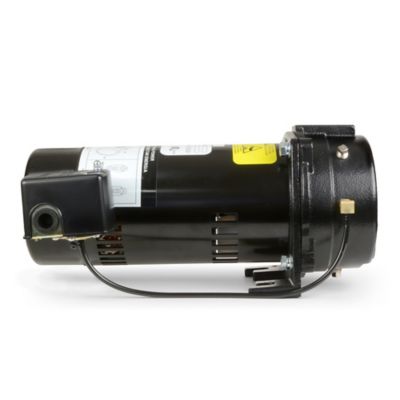
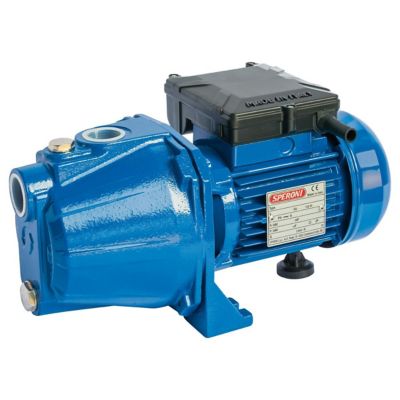
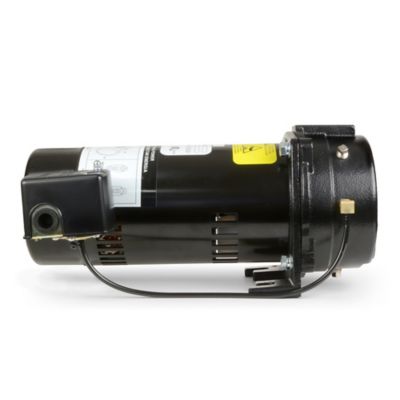
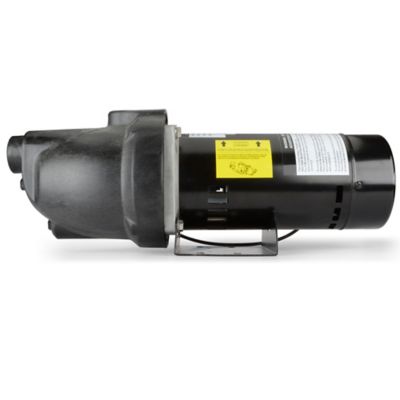
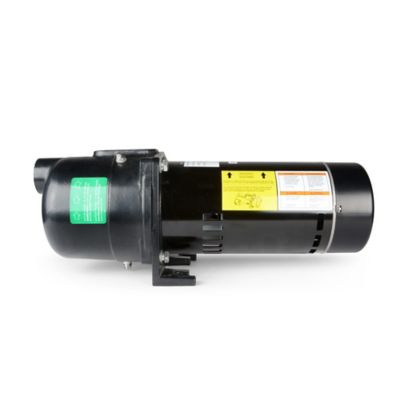
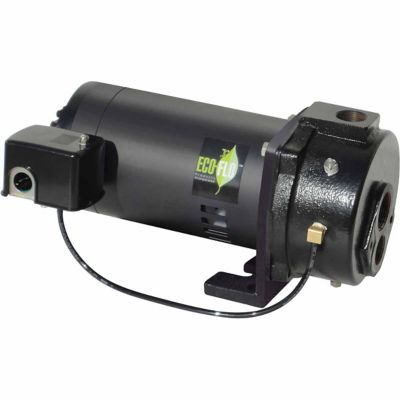
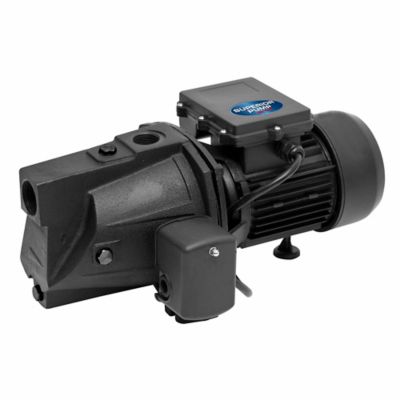
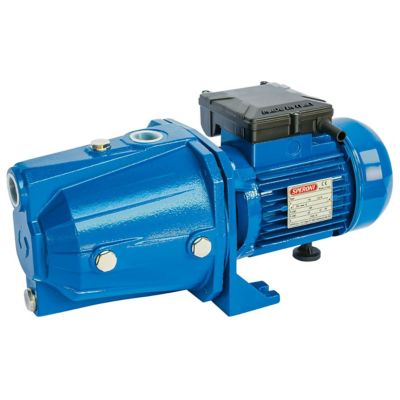
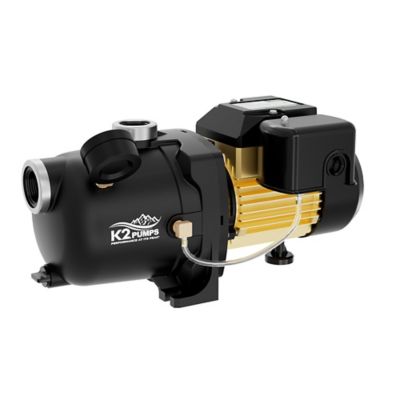
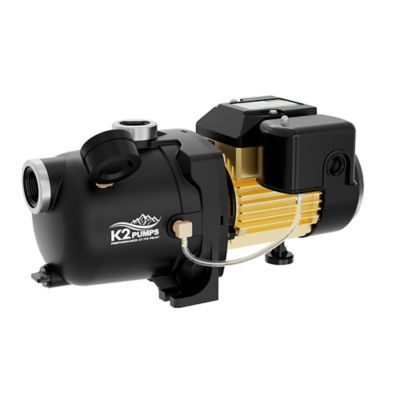
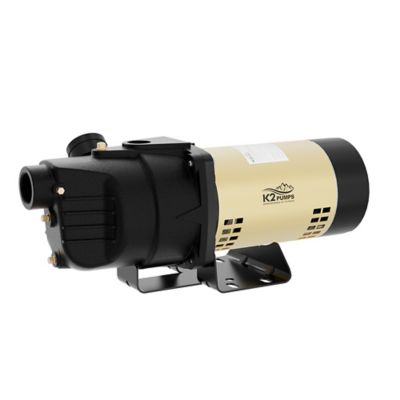
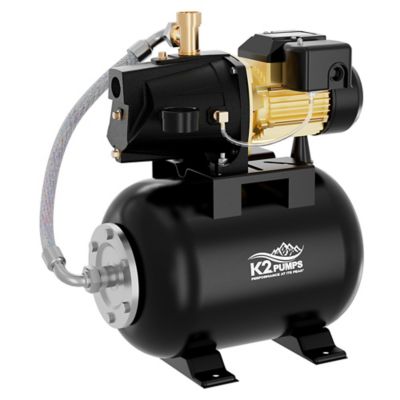
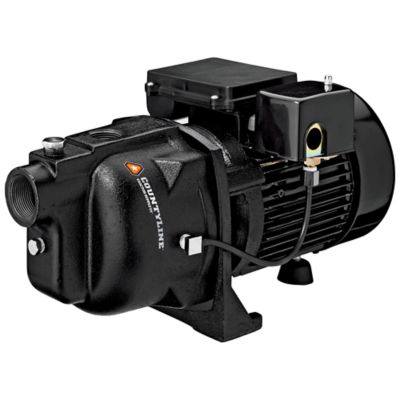
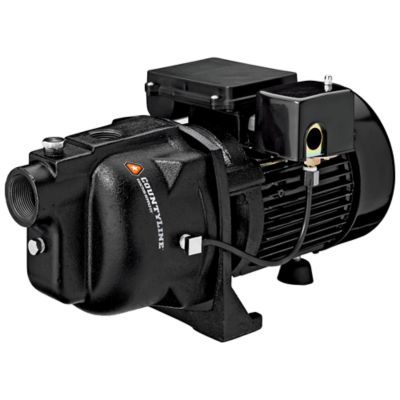
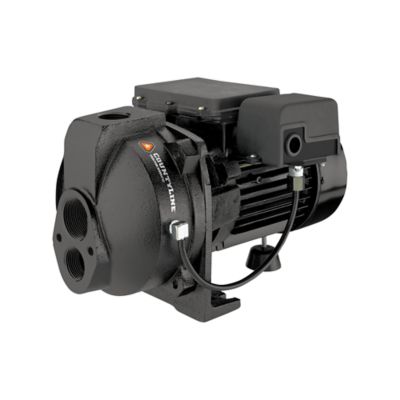
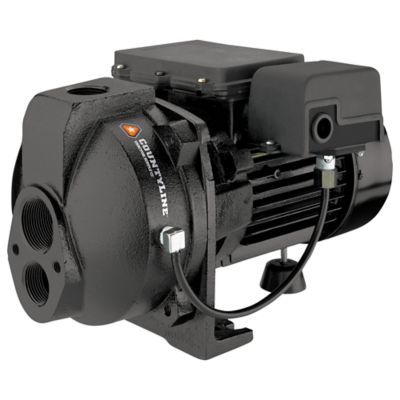
Jet pumps are a tried-and-true solution for folks who need a steady water supply from a well, pond, or cistern, whether you’re running a small hobby farm, managing livestock, or just keeping the garden green through the warm and cooler stretches of the year. These pumps sit above ground and use a clever bit of engineering—a jet assembly—to draw water up and keep it flowing where you need it. There are two main types you’ll come across: shallow well jet pumps, which are perfect for wells up to about 25 feet deep, and convertible or deep well jet pumps, which can handle water tables that run much deeper. The shallow well style uses a single pipe and is a straightforward fix for most household or barn setups, while the convertible type adds a second pipe and a jet assembly down in the well itself, giving you the power to pull water from as deep as 100 feet or more. Either way, jet pumps can be a real workhorse for anyone dealing with rural water needs, especially when you want reliable pressure for everything from washing up after chores to keeping sprinklers running during a dry spell.
When you’re sizing up which jet pump is right for your place, it’s worth thinking about a few key things. First, consider the depth of your water source—measure from ground level to the water’s surface, not just the bottom of the well. The distance will help you figure out whether you’re in shallow or deep well territory. You’ll also want to look at flow rate, usually measured in gallons per minute, to make sure the pump keeps up with everything you ask of it, whether that’s filling troughs for cattle or powering a few outdoor spigots at once. Installation is pretty straightforward for most do-it-yourselfers, but don’t forget to prime the pump before firing it up—jet pumps need water in the casing to get started, and a check valve on the intake line keeps the water from draining back out when the pump shuts off. For folks who might be new to well systems, or are tackling a pressure boost for the first time, jet pumps make a solid gift—especially for someone setting up a homestead, cabin, or hunting camp, or for a neighbor who’s always lending a hand and could use a little upgrade to their water setup. And if you’re looking to compare jet pumps with other options for boosting water pressure around your property, take a look at our
Pressure Pumps page for more choices and info.
Jet pumps really shine during the stretch from mid-summer into fall, when gardens are still thirsty, livestock need plenty of fresh water, and outdoor chores keep you busy from sunup to sundown. They’re also a great way to get a little extra water pressure for washing equipment, filling up stock tanks, or even running a simple irrigation line out to the back forty. Folks with older wells or off-grid setups often rely on jet pumps because they’re easy to maintain and don’t require you to pull the pump out of the well for repairs. Just keep an eye on the pump’s pressure switch and check the system for leaks every so often, and you’ll have a dependable water source all season long. Whether you’re upgrading your current system, setting up a new spot, or helping a friend get started with rural living, jet pumps offer a practical, long-lasting solution that’s just as useful in late summer heat as it is when the air starts to cool and the chores keep rolling.