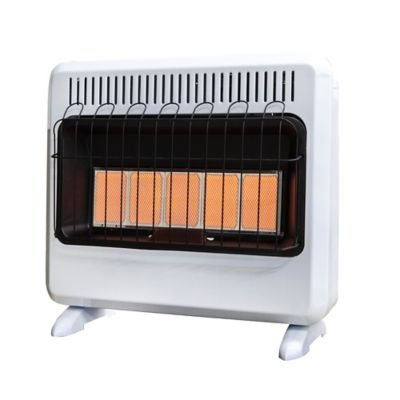
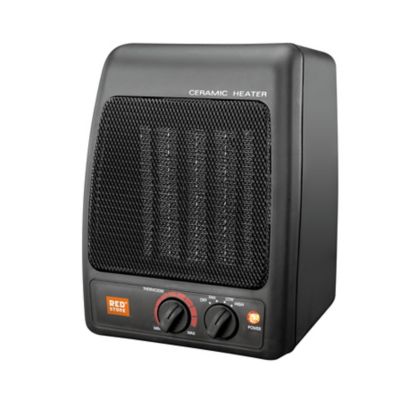
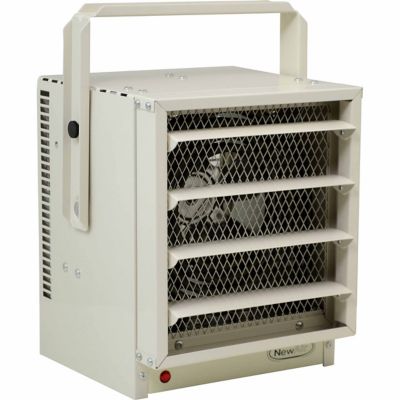
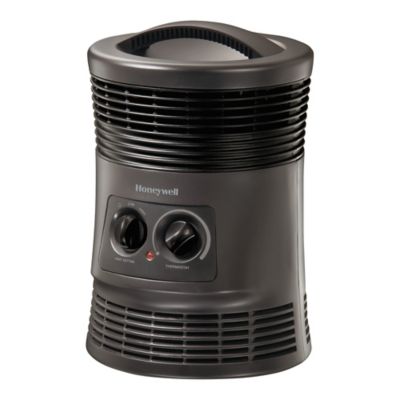
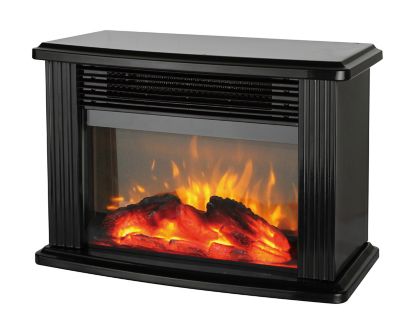
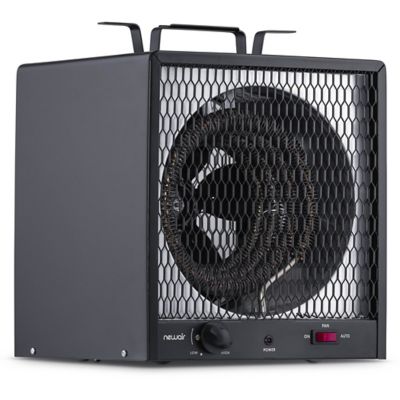
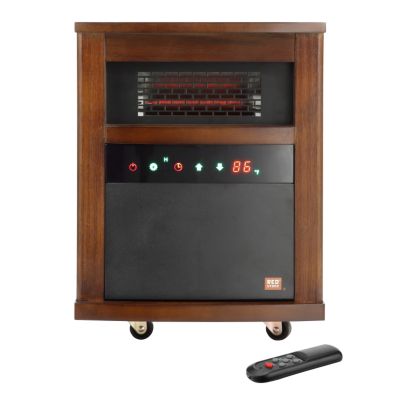
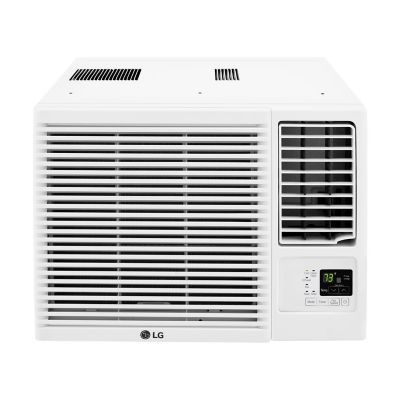
Heating for basements can make a downstairs family room, laundry area, home office, or hobby space a more comfortable part of the house. Below-grade walls and concrete floors often stay cooler than the living space upstairs, while gaps around windows and rim joists can let in drafts. The right heating setup depends on more than floor area: ceiling height, insulation, moisture, window placement, and an open stairwell all affect how much heat a basement needs and how well it stays put. A finished room where the family spends every evening calls for a different approach than an unfinished corner where someone sorts laundry or works at a bench for an hour. Electric convection heaters warm the surrounding air, making them a practical category to consider for enclosed rooms. Fan-forced electric heaters move warmed air into the space and can bring comfort sooner near a desk or seating area, though their fan sound may matter beside a television or work call. Oil-filled electric radiators offer gradual, steady heat without a circulating fan; the oil stays sealed inside rather than serving as fuel that needs refilling. Radiant heaters direct warmth toward people and nearby surfaces, which can suit an occupied work area without promising even temperatures across a large, open basement. For regularly occupied finished spaces, a professionally sized ductless mini-split heat pump provides separate temperature control without requiring an extension of existing ductwork. Radiant floor heating is another longer-term option during a remodel, especially beneath compatible tile or other approved flooring, but installation requirements and warm-up time differ from those of portable equipment. These categories serve different purposes, and no single heater style fits every downstairs layout. Matching the heating method to the way the room actually functions helps keep the focus on useful comfort, whether that means taking the chill off a reading nook or maintaining an even temperature across a finished living area.
Size, electrical requirements, and placement deserve as much attention as the heater’s shape or finish. Advertised room coverage is a starting point, not a promise for every basement; a drafty room with exposed masonry can need more heating capacity than an insulated room of the same size. Wattage describes an electric heater’s power draw, while BTU ratings describe heating output or capacity. Neither number alone explains how evenly warmth will reach around partition walls, furniture, or a stairway. Many portable electric heaters draw substantial power, so the circuit capacity and any other equipment sharing that circuit matter, particularly near laundry appliances, freezers, and workshop tools. Portable electric heaters should plug directly into a suitable wall outlet, not an extension cord or power strip, and their electrical requirements should match the home’s wiring. Hardwired heaters and larger systems call for installation by a qualified professional according to local requirements. For floor-standing equipment, a broad base, manageable carrying weight, and a handle can make placement easier; wheels are helpful only where the floor is level and the heater can remain steady. Wall-mounted designs free up floor space, but they still need the mounting surface, spacing, and clearances specified by the manufacturer. Metal housings, protected heating elements, and sturdy controls are worth considering for spaces that see regular household traffic, although housing material alone does not establish how hot an exterior surface may become. Thermostats, multiple heat settings, timers, overheat protection, and tip-over shutoffs offer different kinds of control and protection rather than replacing careful placement. Keep portable heaters at least three feet from bedding, curtains, cardboard, clothing, and other combustible materials, and follow any greater clearance listed in the instructions. That matters in a basement where a drying rack, storage tote, or stack of feed sacks might otherwise creep into the heater’s space. A location away from walkways also helps keep cords out from under boots and reduces the chance of equipment being knocked over.
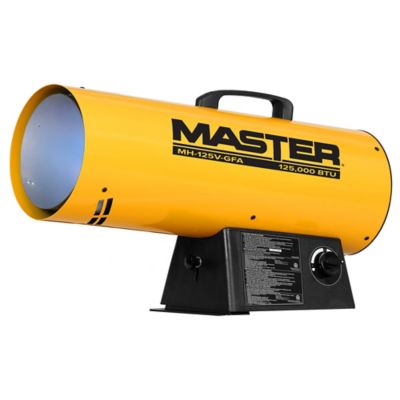
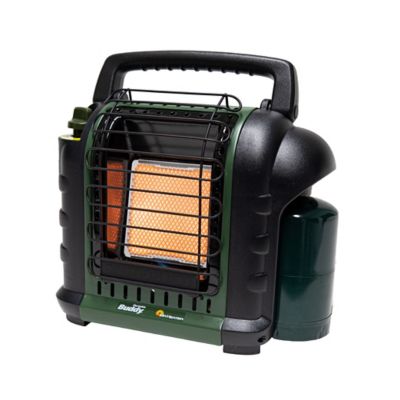
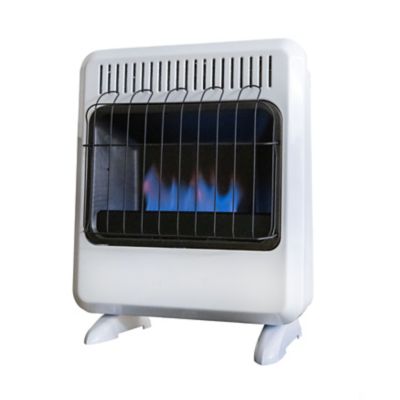
Basement conditions also shape maintenance needs and the kind of equipment that belongs downstairs. A dry, finished family room is very different from a utility area with seepage, condensation, or an occasionally wet floor. Standard indoor electric heaters are not automatically suitable for damp locations, and heating alone does not correct a leak or remove moisture from the building. Equipment needs a location and moisture rating that fit its surroundings, with water problems addressed before a heating setup becomes part of the room. Dust from a workbench, lint near laundry equipment, and pet hair can collect around intake grilles, so accessible surfaces and straightforward cleaning requirements are useful features to compare. Cleaning generally begins with switching the equipment off, unplugging portable units, and letting everything cool, followed by the manufacturer’s directions for vents, housings, and filters. Cords, plugs, mounting hardware, and controls deserve periodic attention, and damaged equipment should stay out of service. Fuel-burning equipment brings separate concerns: outdoor patio heaters, grills, and generators do not belong in a basement, and any permanently installed combustion heating system requires proper venting, combustion air, and professional installation. Working smoke and carbon monoxide alarms remain important parts of home safety. For portable electric heat, the intended role is supplemental warmth while someone is present and awake, not unattended operation overnight. If the downstairs layout includes a sleeping room,
Heating For Bedrooms offers a related place to consider room-specific heating needs, with the same attention to bedding clearances and safe operation. Beyond the equipment itself, air sealing and appropriate insulation can help reduce heat loss, while compatible floor coverings can make a finished space feel more comfortable underfoot without crowding a heater. A quiet office, a busy family room, and a basement workshop each place different demands on heat distribution, controls, and cleaning. Choosing around those everyday demands helps create a downstairs space that feels ready for a long afternoon of paperwork, folding laundry, or settling in after chores.