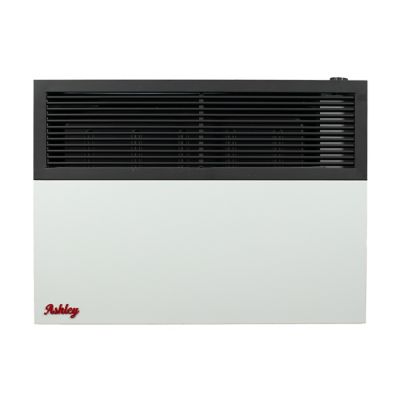
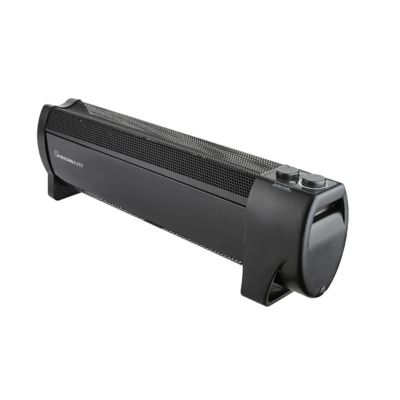
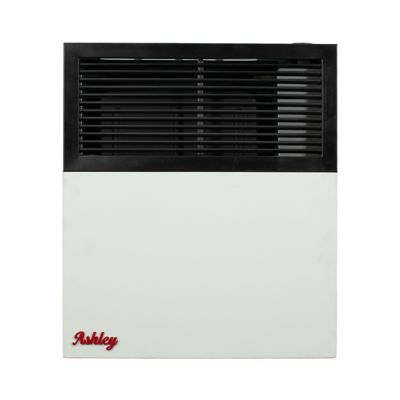
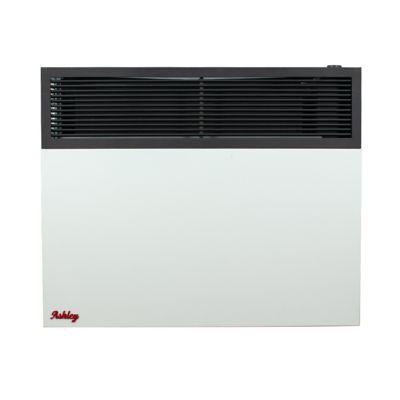
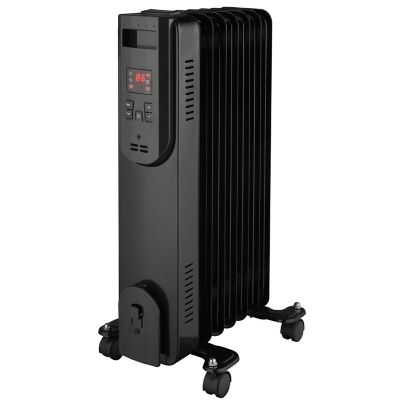
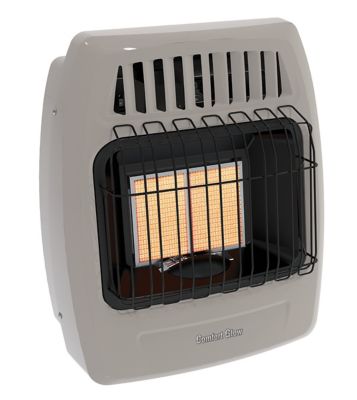
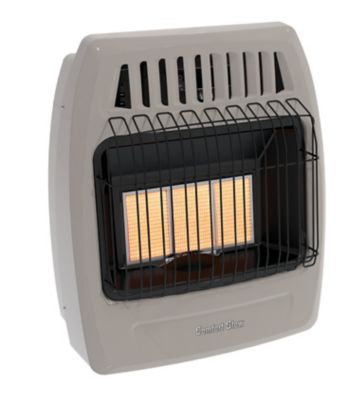
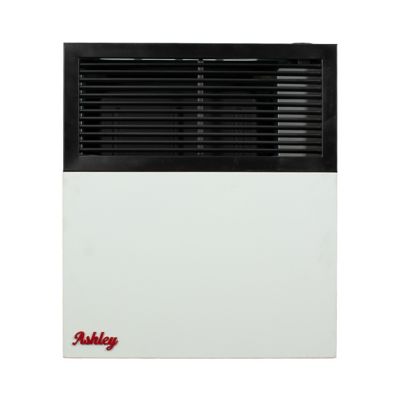
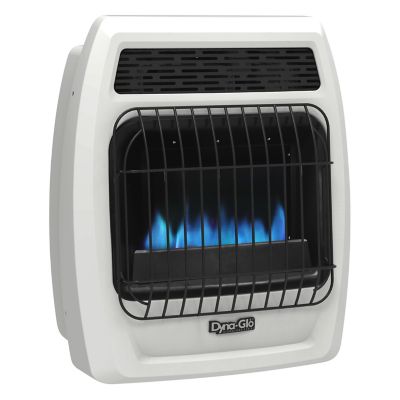
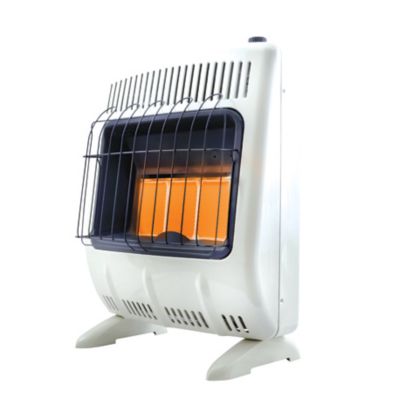
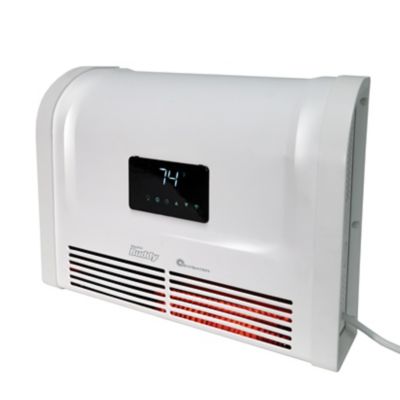
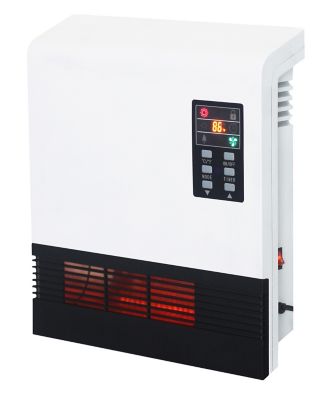
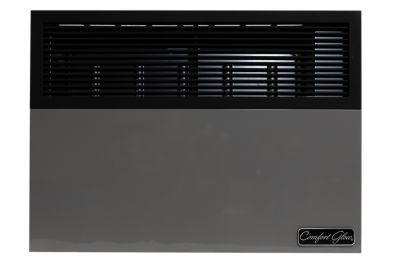
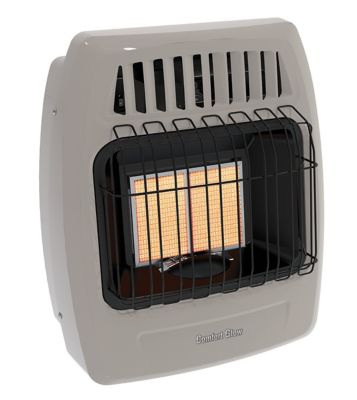
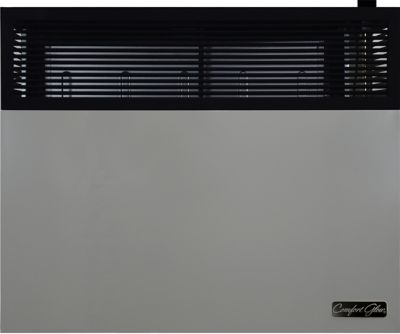
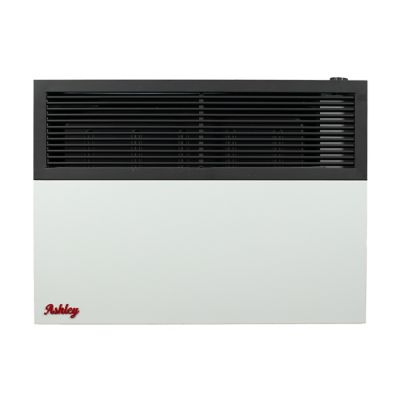
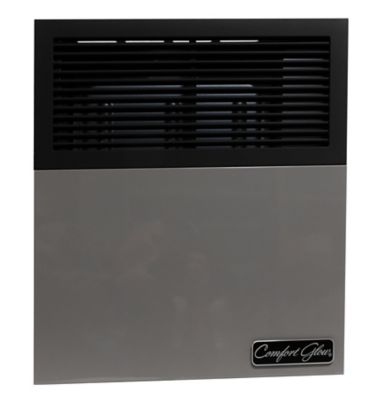
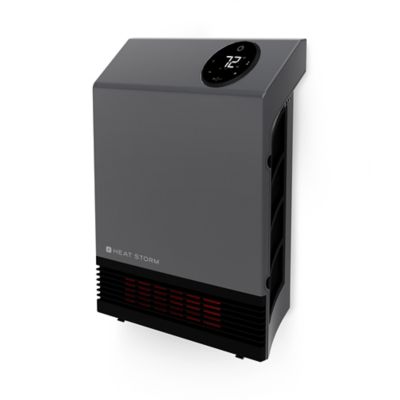
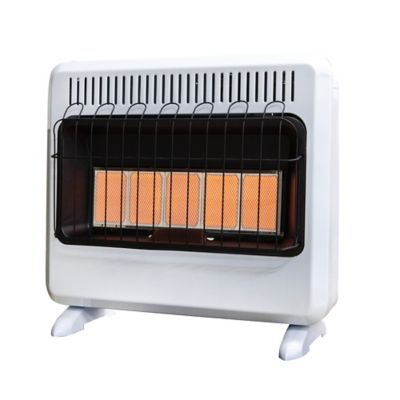
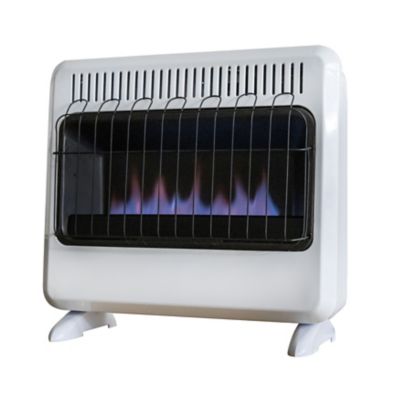
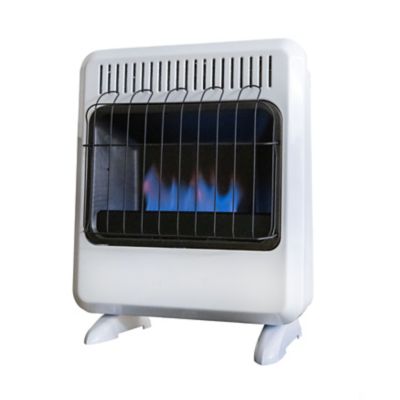
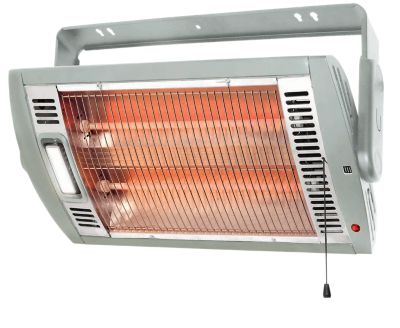
Wall heaters for bedrooms offer a practical way to take the chill off without giving up valuable floor space to a bulky portable heater. That extra room can make a difference in a small bedroom, guest room, nursery, cabin, apartment, or farmhouse where every square foot is already spoken for. Mounted on the wall, an electric heater keeps walkways open and puts warmth where it is needed, whether that means taking the edge off a cold room before bedtime or keeping a drafty guest room comfortable during the cooler months. These heaters are often used in homes with uneven heating, additions that stay colder than the rest of the house, finished garages, hunting cabins, and older homes with rooms that never seem to catch up with the thermostat. When comparing options, start with the size and layout of the room, the amount of insulation, the number of windows, and whether the space has a noticeable draft. A small, well-insulated bedroom may need less heating power than a larger room with high ceilings or exterior walls. Check the heater’s recommended coverage area and wattage, then make sure the electrical setup can handle the unit. Plug-in wall heaters are convenient when a suitable standard outlet is nearby, while higher-wattage models may require hardwiring into the home’s electrical system. Hardwired installation can provide a clean, permanent setup, but it should be completed according to local electrical requirements and by a qualified professional when needed. For a rental, spare room, or occasional-use space, a plug-in design may be easier to install and move. For a frequently used bedroom, a permanently mounted heater can blend more neatly into the room and stay ready whenever the temperature drops.
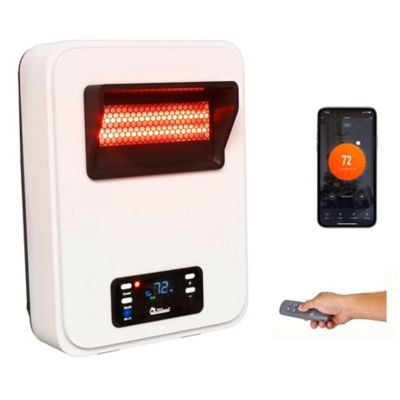
Comfort is another big part of choosing the right wall heater for a bedroom. Fan-forced models move warm air through the room quickly, which can be helpful when the air feels cold after sundown or when you want warmth to reach the far side of the room. The tradeoff is a gentle operating hum, often in the range of about 30 to 45 decibels depending on the unit and setting. Fanless panel heaters operate without that airflow, so they are a good fit for light sleepers, nurseries, home offices, and bedrooms where a quiet room matters. Some electric heaters use PTC ceramic heating systems for responsive, even warmth, while others use radiant panel technology that warms gradually and steadily. Remote controls, digital thermostats, timers, and Wi-Fi controls can make it easier to adjust the temperature without climbing out from under a quilt on a frosty morning. A built-in thermostat helps maintain a more consistent room temperature instead of running the heater continuously, and multiple heat settings can be useful when the weather shifts from a mild evening to a colder night. For more options throughout the home, browse
Indoor Wall Heaters. Pay close attention to safety features, especially in bedrooms used by children, older adults, or pets. Automatic overheat shut-off, thermal protection, a cool-touch outer surface, and a sturdy wall-mounting design can add peace of mind. Keep bedding, curtains, clothing, furniture, and other combustible materials clear of the heater and its airflow. A heater should never be covered, blocked, or used with an extension cord unless the manufacturer specifically permits it. Before installation, look over the mounting instructions and confirm that the wall can support the unit securely. Good airflow around the heater helps it work properly and keeps heat from collecting where it should not.
Wall heaters can be a thoughtful practical gift for someone settling into a first home, finishing a basement bedroom, fixing up a hunting camp, or preparing a chilly guest room for family visits. They also make sense for homeowners who have added a room, enclosed a porch, or created a quiet bedroom space above a garage. A relative who works early mornings may appreciate a heater that warms the room before the alarm goes off, while a college student or renter may value a compact plug-in model that does not take up space beside a bed. Before giving one as a gift, consider the recipient’s room size, access to an appropriate outlet, and whether the property allows wall-mounted or hardwired equipment. A simple tape measure and a quick look at the room’s electrical setup can prevent an otherwise useful gift from being the wrong fit. In everyday use, these heaters work best when paired with sensible room habits: close doors to hold warmth in, seal obvious drafts around windows and doors, leave the thermostat accessible, and avoid placing a bed or dresser directly in front of the unit. A bedroom wall heater does not have to replace the home’s main heating system; it can provide targeted comfort in the rooms that need a little extra help. The right choice depends on how much space needs warming, how quiet the room should be, how the heater will be powered, and which controls make life easier. Whether the goal is a warm place to pull on work clothes before dawn, a comfortable room for overnight guests, or a cozy retreat during a cold snap, a well-chosen electric wall heater can deliver steady warmth while keeping the floor clear and the room ready for rest.