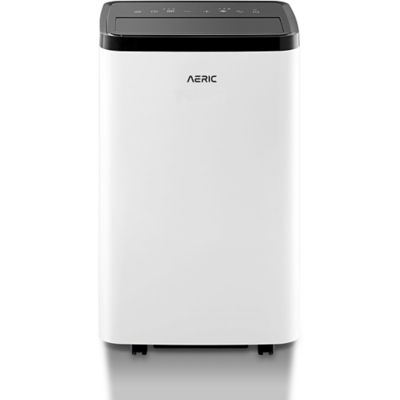
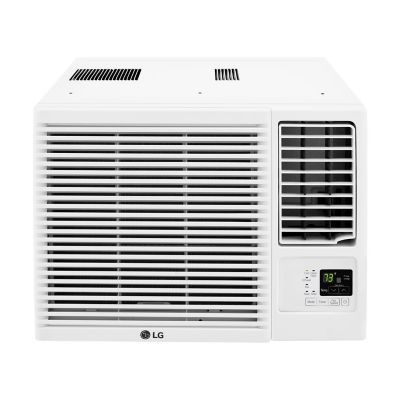
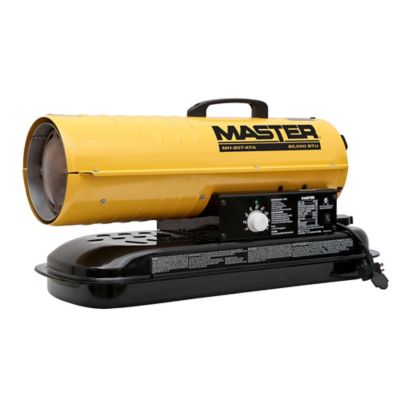
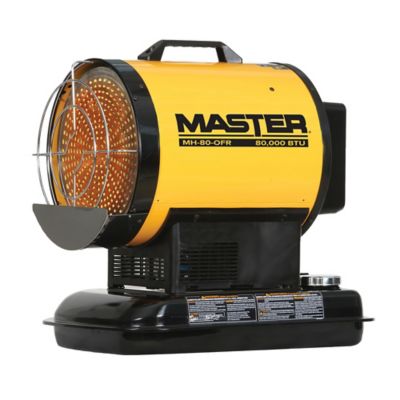
Keeping an office comfortable through the cooler months often takes more than turning up the building thermostat. Large work areas, older buildings, roll-up doors, concrete floors and drafty windows can leave some spots feeling chilly even when the central HVAC system is running steady. The right heating setup depends on the size of the space, the number of people using it, the room layout and how much control each worker needs. Building-wide heating systems, including ducted HVAC, radiators and ductless mini-splits, are well suited for maintaining a consistent temperature across several rooms or an open office. A ductless unit can be a handy choice for a small office, break room or converted workspace where adding ductwork would be a major job. For a desk tucked near an exterior wall, loading area or frequently opened door, a personal heater can add a little extra comfort without heating the whole building. Browse
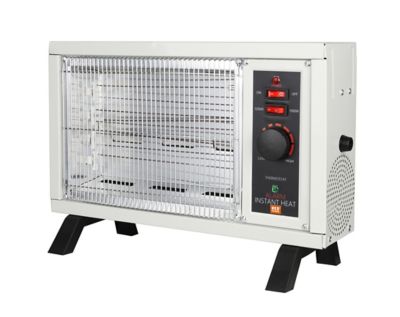
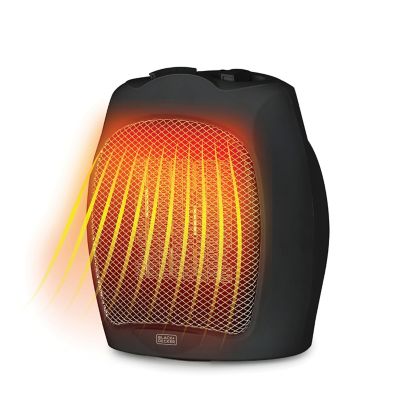
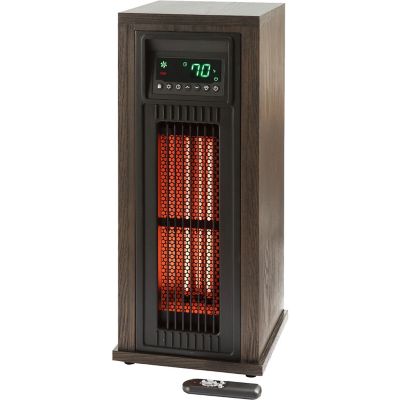
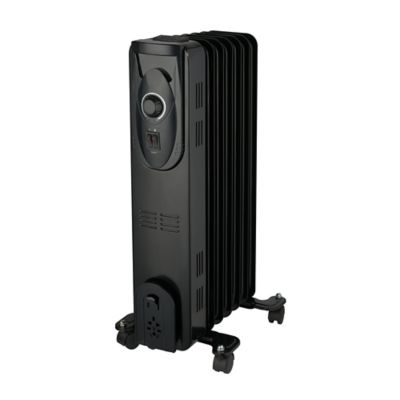
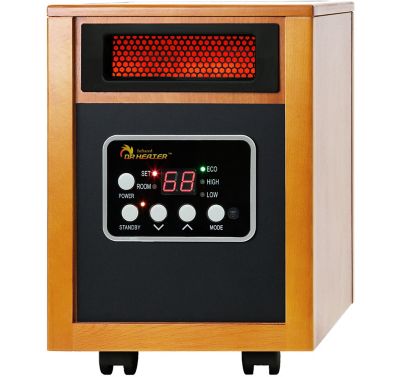
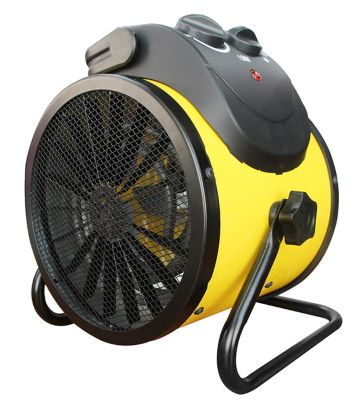
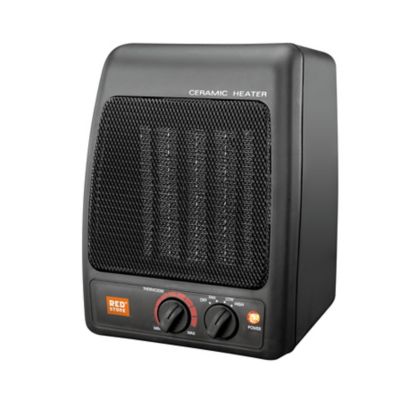
Workplace Heaters to compare options for shared offices, home workspaces, barns with office areas and other places where dependable warmth matters. When choosing a heater, start by considering the room’s square footage and ceiling height, then look at the unit’s wattage, heat settings and coverage information. A compact heater may be plenty for a small office or personal workstation, while a larger open room may need several properly placed units or a more permanent heating solution. It also helps to think about noise. Fan-forced heaters warm a space quickly, but the steady hum may be distracting during phone calls or quiet desk work. Radiant heaters work more like sitting in a sunny patch by the window, warming nearby people and surfaces without moving as much air. Oil-filled heaters generally provide quiet, gradual warmth, while ceramic heaters can offer quick heat in a compact footprint. Each style has a place, and the best fit comes down to how the room is used from one workday to the next.
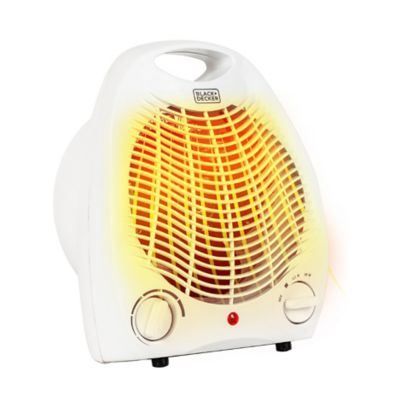
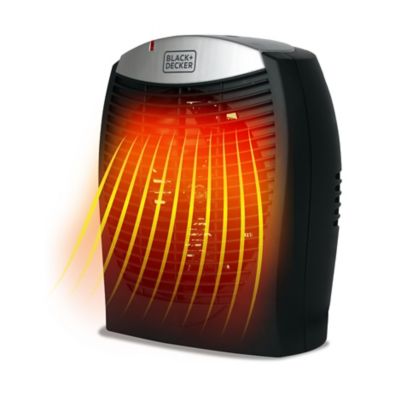
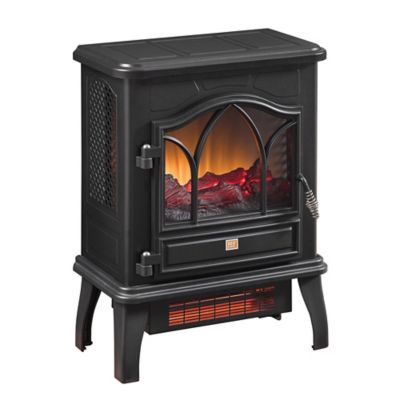
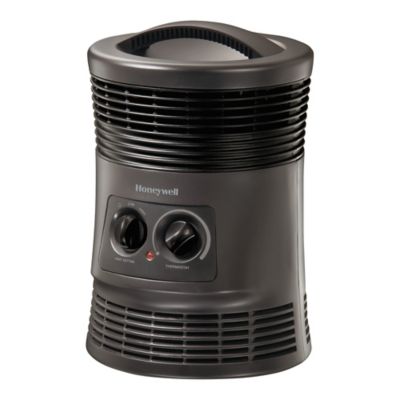
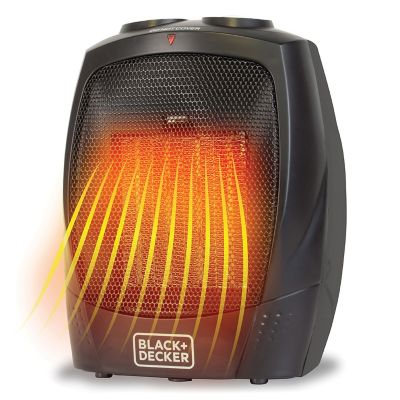
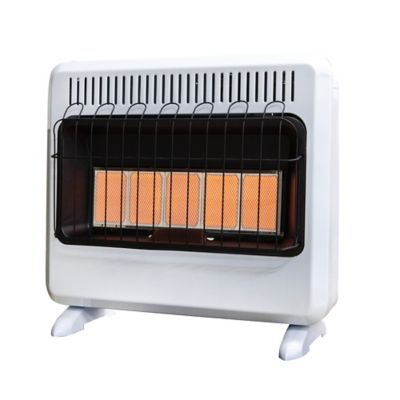
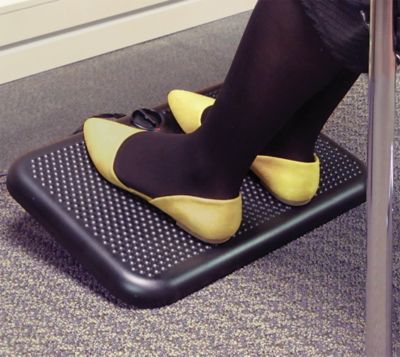
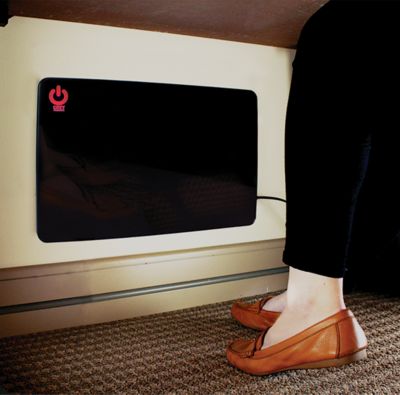
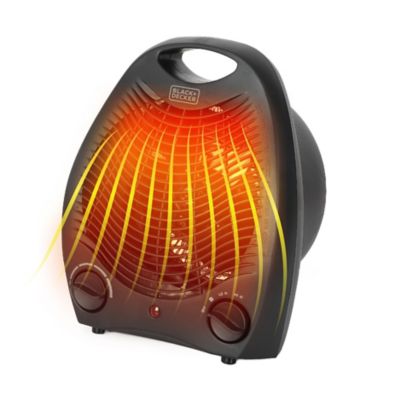
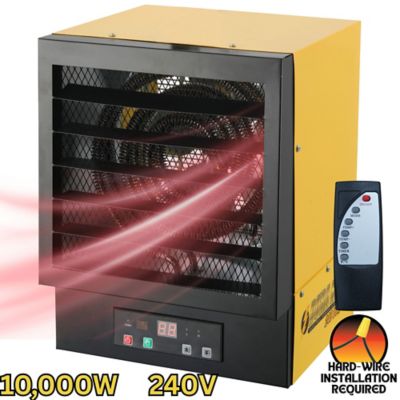
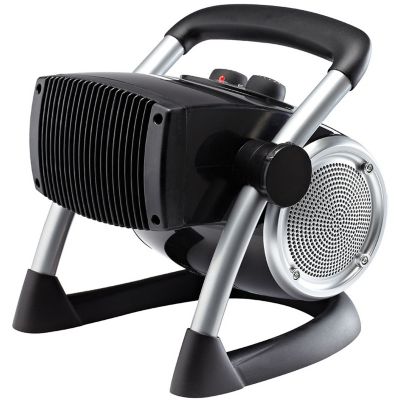
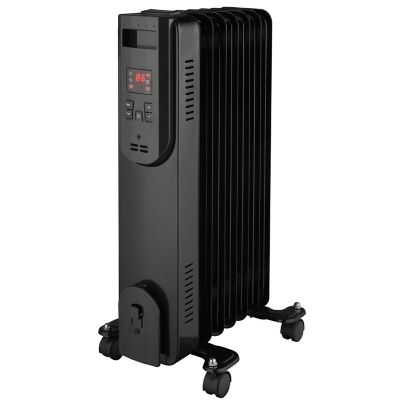
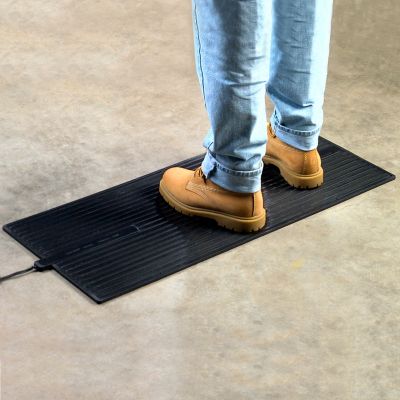
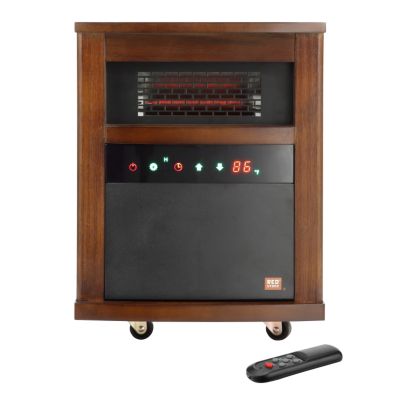
Personal comfort heaters are especially useful in offices where employees have different temperature preferences or where heat does not reach every corner evenly. An under-desk radiant panel can take the chill off cold legs and feet while keeping the desktop clear, making it a practical choice for someone who spends long stretches at a computer. A compact tower or ceramic heater can warm a small office, reception area or shipping station, and adjustable settings make it easier to use less power once the room feels comfortable. Infrared panels can be mounted high on a wall or ceiling and are useful in drafty areas because they warm people and nearby objects directly instead of relying only on heated air. In a large office, radiant heat may be helpful near entryways, work counters or stations that sit away from the main vents. Portable oil-filled units are another option when quiet operation matters, such as in a bookkeeping office, meeting room or home office where the gentle warmth can continue without a fan blowing papers around. These heaters can also make thoughtful gifts for a remote worker, new business owner, office manager or family member setting up a workshop desk. Before making a purchase, check whether the heater has adjustable temperature controls, multiple heat levels, an automatic shutoff and a tip-over safety switch. A smaller footprint is useful when space is tight, but the heater should still have plenty of clearance around it. Pay attention to cord length and outlet location, too; an extension cord may not be recommended for many portable heaters, and plugging high-wattage equipment into an overloaded power strip can create a serious hazard. For an office with computers, printers and other equipment already drawing power, review the circuit capacity and follow the manufacturer’s electrical requirements. A programmable thermostat or timer can help prevent a heater from running longer than needed, while energy-conscious settings can provide steady comfort without wasting heat after the last person leaves.
Safe placement and everyday habits matter just as much as the heating style. Keep portable heaters on a level, solid surface and away from paper, cardboard, curtains, furniture, clothing, boxes and other items that can catch fire. Do not tuck a heater beneath a desk where coats, bags or cords can block the airflow, unless the unit is specifically designed for under-desk use and installed according to its instructions. Leave a clear zone around air intakes and heat outlets, and keep heaters out of busy walkways where someone could trip over the cord or bump the unit. A heater should never be covered, used near water or left running unattended unless it is designed and approved for that type of operation. Offices with pets, children or frequent visitors need extra care, since a curious dog, rolling chair or hurried footstep can knock over a portable unit. Dust can collect around vents and filters, so regular cleaning helps maintain airflow and performance; always unplug the heater and let it cool before cleaning. It is also smart to inspect cords and plugs for fraying, discoloration or heat damage and to stop using any unit that shows signs of electrical trouble. For a more efficient setup, seal noticeable drafts around windows and doors, keep vents open and unobstructed, and use a door sweep or weatherstripping where appropriate. A small thermometer placed in a chilly corner can reveal whether the problem is a cold spot or a building-wide issue. Whether the goal is a warmer reception desk, a more comfortable conference room or a cozy home office during frosty mornings, the right heating equipment can help people stay focused while keeping energy use and safety in mind.