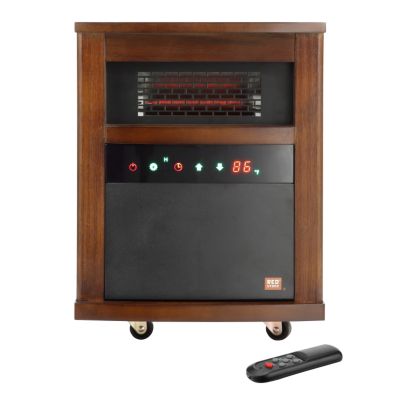
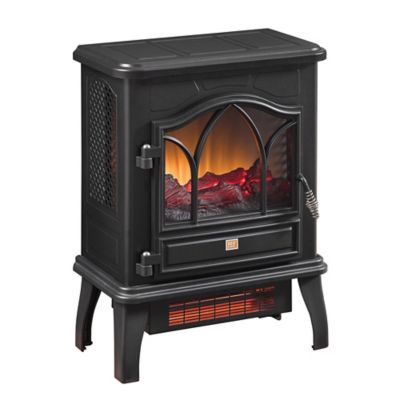
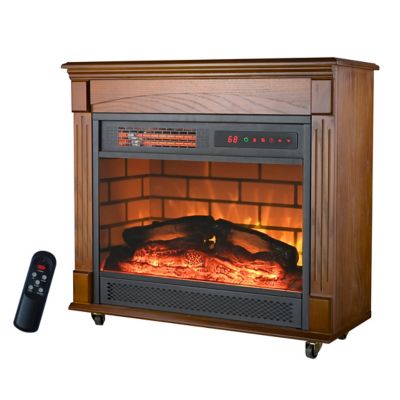
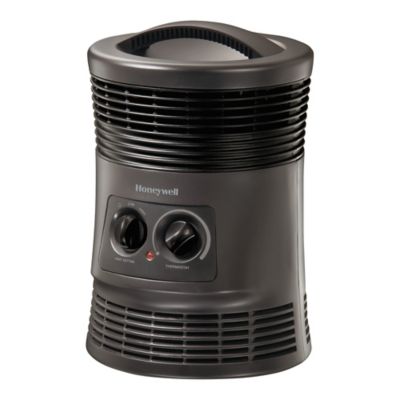
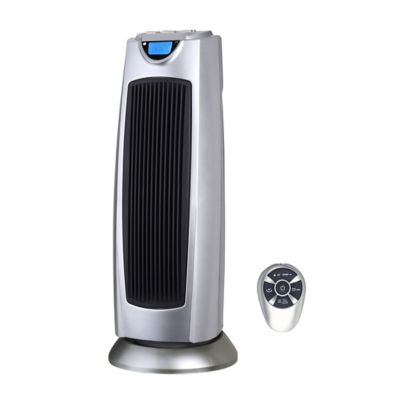
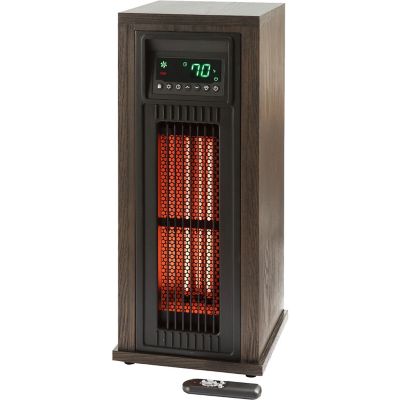
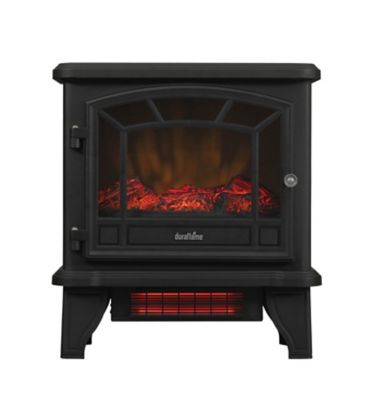
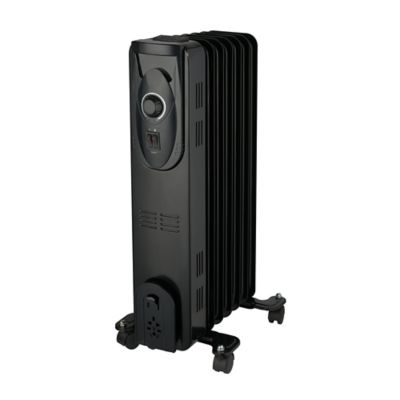
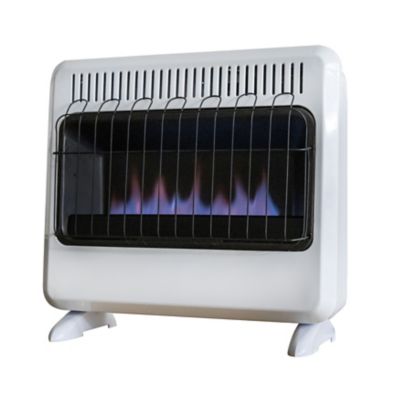
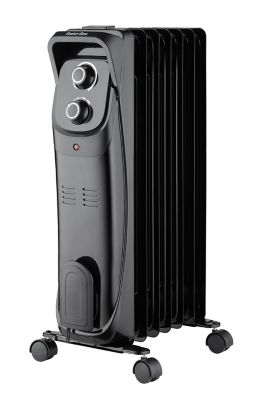
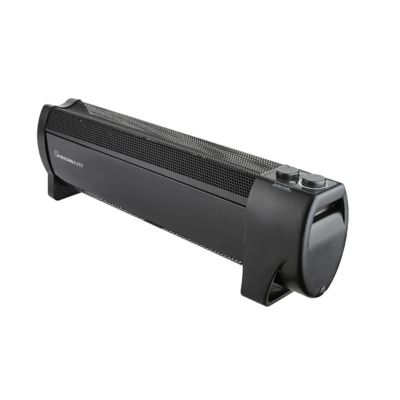
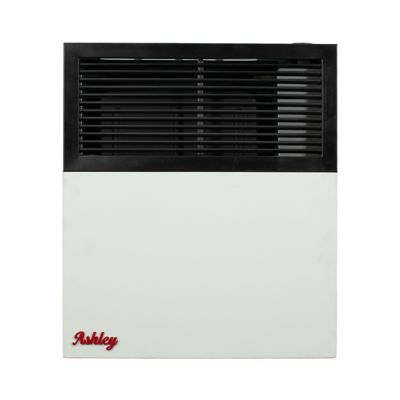
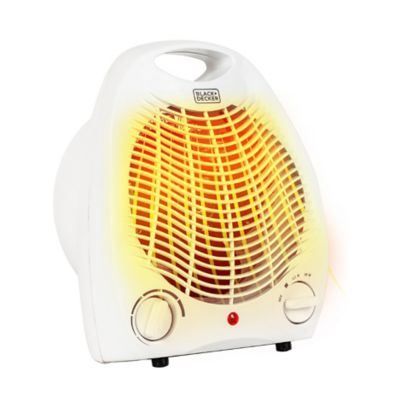
Heating for bedrooms is about making a personal space comfortable without treating every room in the house the same. A bedroom over a garage, a guest room at the end of a hallway, or an upstairs room in an older farmhouse can have different heating needs, even when each space shares the same central system. Electric room heaters provide supplemental warmth for activities such as getting dressed before chores, reading in a chair, or settling into a guest room while awake. Ceramic heaters, oil-filled radiators, and slim electric panels offer different combinations of airflow, heat distribution, and floor space requirements. Fan-forced ceramic heaters move warm air into the room and can provide a noticeable response near an occupied area. Oil-filled electric radiators warm their sealed internal fluid and release heat through metal surfaces, generally without a fan. Panel heaters offer a narrower profile, with mounting or freestanding arrangements depending on the design. The best bedroom heater depends on room size, insulation, sound preferences, and the placement allowed by its instructions—not just the highest heat setting. Many portable electric heaters have a maximum output of 1,500 watts, and some carry coverage ratings around 150 to 200 square feet. Those figures are starting points rather than promises: tall ceilings, drafty windows, exterior walls, and open doorways can change how much warmth a room holds. A thermostat helps regulate operation around a selected temperature, while multiple heat settings offer flexibility when less output is needed. Neither feature increases a heater’s maximum capacity. For a compact bedroom with a reading chair, directed airflow may suit short periods of supplemental heating. In a larger room with several exterior walls, the heater’s stated coverage and the condition of the home’s main heating system matter more than a small footprint alone. Portable bedroom heaters are supplemental appliances, not a substitute for correcting a failing furnace, blocked register, or significant draft.
The way a heater fits into a bedroom includes its sound, shape, surface materials, and controls, not just its measurements. Fanless radiators and some panel designs can be a good fit for people who find steady fan noise distracting, although thermostats and expanding metal parts may still make occasional sounds. Ceramic heaters with fans vary in sound level, and a lower setting may sound different from full-output operation. Published noise measurements are most useful when the testing conditions are comparable; a description such as “quiet” does not mean completely silent. Oscillation can spread fan-driven warmth across an occupied area, but it does not remove the need for clear space around the appliance. A narrow tower may take less floor space than a radiator, while a low, broad base may fit more naturally along an open section of wall. Either arrangement needs room beyond the heater itself, especially in bedrooms with quilts hanging over the bed, long curtains, or a laundry basket near the doorway. Ceramic heating elements, metal radiator fins, and outer housings each serve different purposes, and the housing material alone does not establish how hot a surface becomes. Handles, casters, sturdy feet, and a stable base affect how easily an appliance can be positioned and moved after it has cooled. Wall-mountable designs need the approved hardware, mounting surface, and clearances specified by the manufacturer. For someone dressing before daylight or spending an evening with a book, easy-to-read controls and clearly marked settings can make everyday operation simpler. A remote can reduce trips across the room, and a timer can help limit an operating period, but neither replaces supervision. Digital displays, indicator lights, and control beeps also deserve attention in a bedroom. Adjustable brightness or display shutoff, where provided, may suit a room where bright lights feel intrusive, while straightforward controls can be a welcome fit for a guest room.
Safety features and sensible placement belong at the center of bedroom heating. Tip-over shutoff and overheat protection provide safeguards, but they do not make a portable heater safe to leave running while sleeping or away from the room. Portable space heaters should be switched off before sleep and whenever the space is unattended; a timer is not a substitute for that precaution. A heater can take the chill off an occupied room before bedtime, then be turned off before anyone settles in for the night. Keep at least three feet between a portable heater and bedding, curtains, clothing, furniture, or other combustible materials, and follow any greater clearance required by its instructions. Place it on a stable, level surface approved for that appliance, away from door swings and walking paths. In a bedroom where children or pets may enter, exposed hot surfaces, trailing cords, and the chance of a bump all deserve attention. Electric heaters should plug directly into a properly rated wall outlet, not an extension cord or power strip. Keep the cord uncovered and out from under rugs, and stop operation if the plug, outlet, or cord shows damage or signs of overheating. Fuel-burning portable heaters are not appropriate for bedrooms. Working smoke alarms and carbon monoxide alarms remain important household protections, especially in homes with fuel-burning heating equipment. Routine care also supports everyday performance: unplug the heater, let it cool, and follow the manufacturer’s directions for cleaning vents and exterior surfaces. Dust and pet hair can collect around air openings, particularly in rooms shared with animals, so those areas merit regular attention. Never immerse an electric heater or cover it with clothing to dry. Check cords, bases, handles, and mounting hardware before operation and when moving an appliance between rooms. Spaces below the main floor can bring different layout and heating needs;
Heating For Basements covers that related setting. For bedrooms, the right fit combines suitable heating capacity, manageable sound, clear floor space, and an operating routine that keeps supplemental warmth separate from unattended sleep.