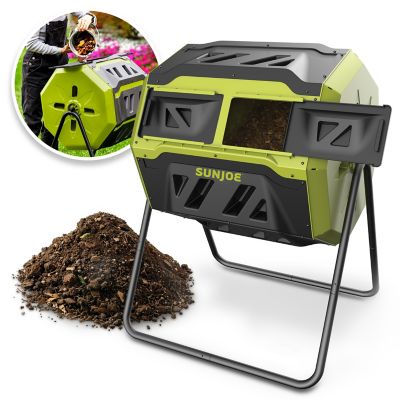
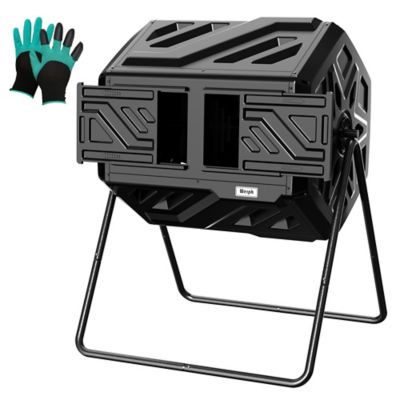
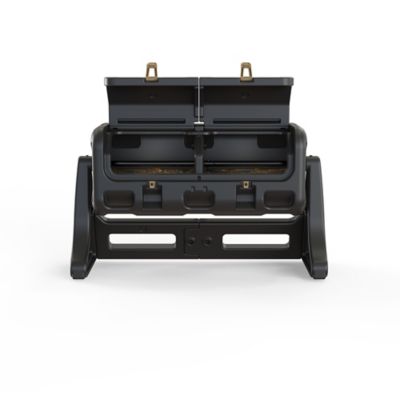
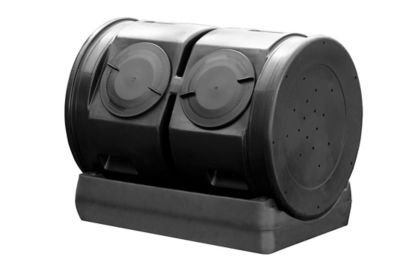
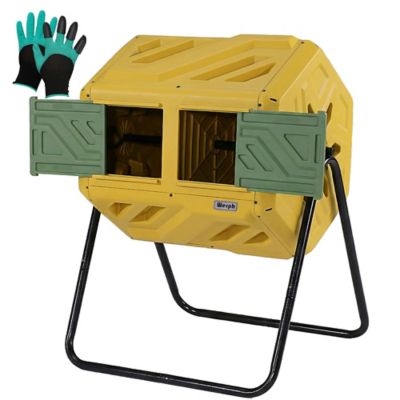
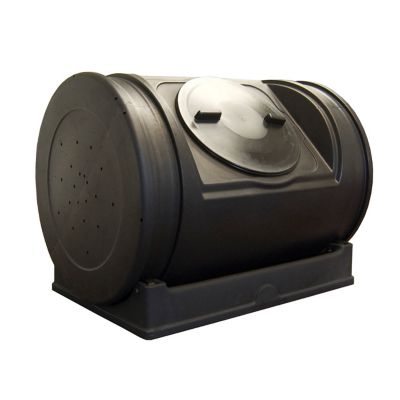
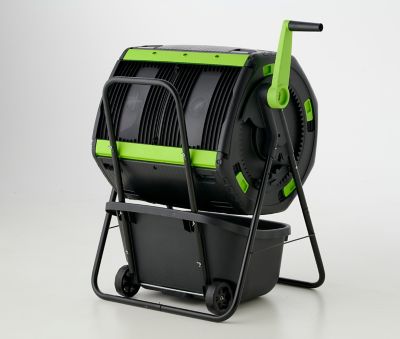
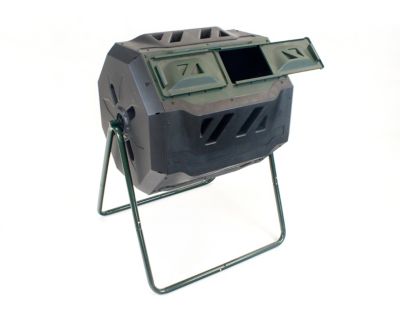
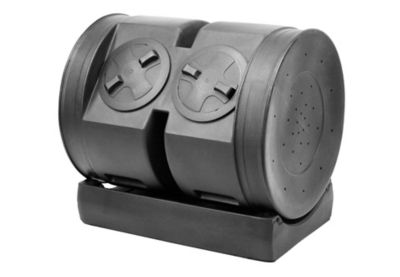
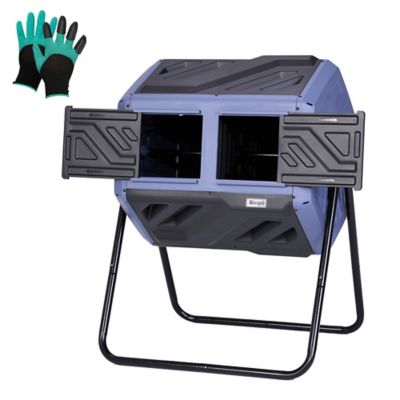
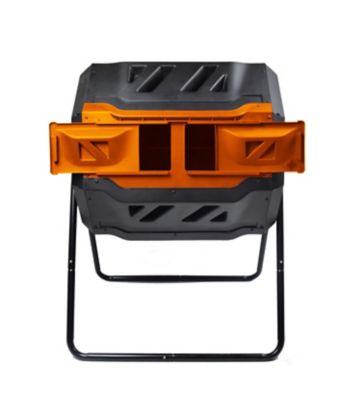
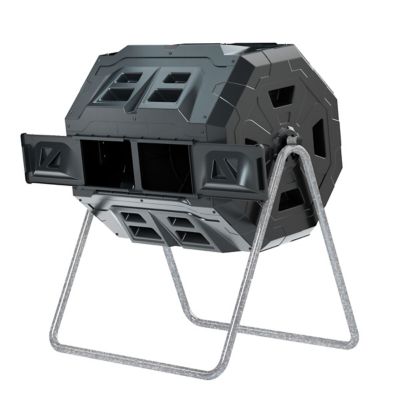
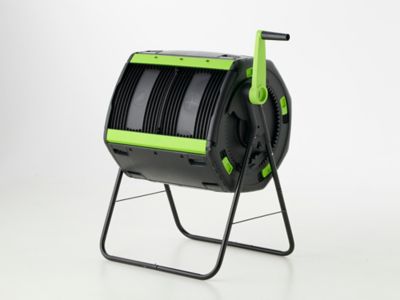
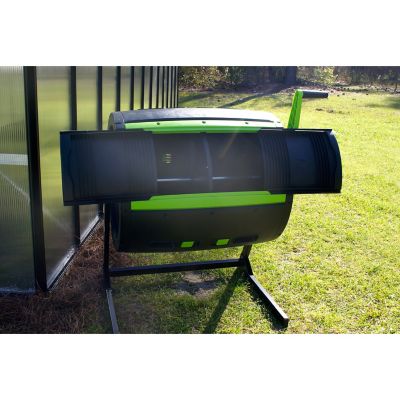
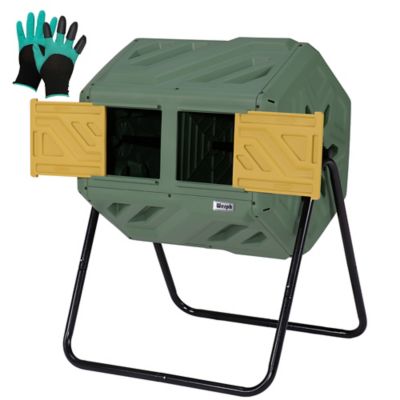
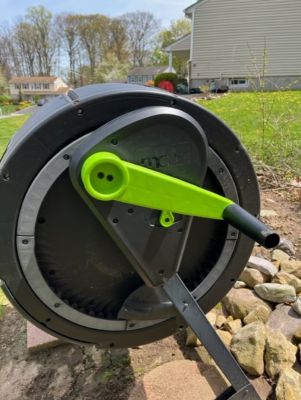
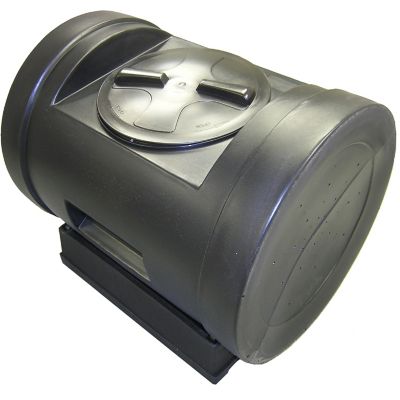
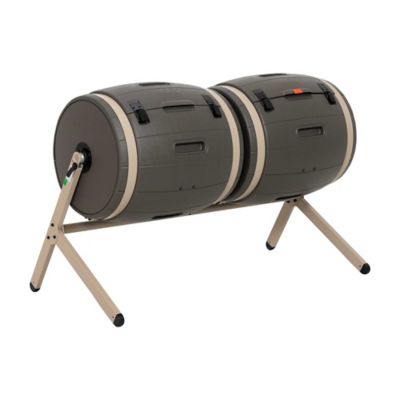
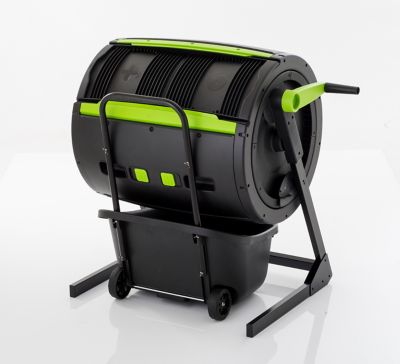
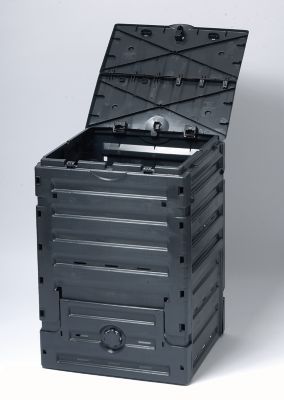
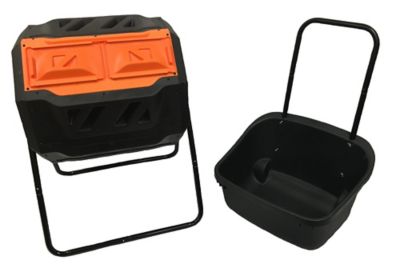
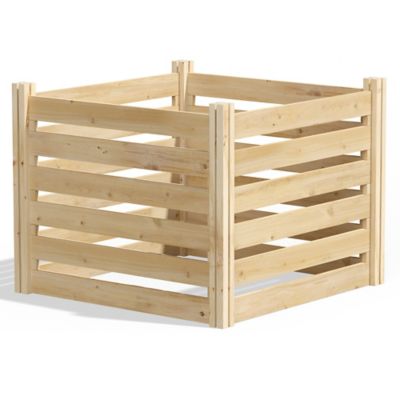
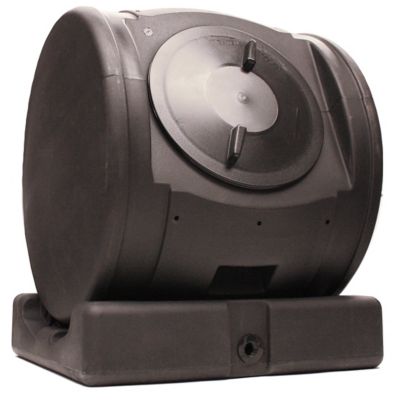
Compost tumblers are a handy way to turn everyday organic scraps into useful compost without building a traditional open pile. Each unit uses a sealed drum that sits off the ground and rotates on an axle, letting you mix the contents with a few turns of a handle instead of lifting and turning a heavy mound with a pitchfork. That raised, enclosed design can be a good fit for backyard gardeners, homesteaders, renters with a small growing area, and anyone who wants a tidier setup near the house. It also helps keep compost contained and may discourage many common pests, while the closed drum helps hold in moisture and warmth. Tumbler capacity can vary from compact models suited to a household kitchen and a few garden beds to larger units made for steady yard cleanup, livestock bedding, and busy vegetable gardens. When comparing options, think about how much material your household and property produce between trips to the garden or compost area. A smaller drum may be easier to turn when partially filled, while a larger model can handle more leaves, grass clippings, produce scraps, and pulled plants but may become difficult to rotate if packed too tightly. Dual-chamber designs offer a practical rhythm for regular composting: one side can finish breaking down while the other receives fresh material. A sturdy stand, smooth axle, comfortable handle, and secure door can make a noticeable difference, especially when the drum is full. Look for construction that can handle outdoor use, along with openings large enough to load material without making a mess. A stable base matters on uneven ground, too, whether the tumbler sits beside a garden shed, along a fence line, or on a level patch near the back door. For households with children, a contained tumbler can also provide a simple way to introduce the idea of returning food scraps and yard waste to the soil, with grown-up help for loading and turning.
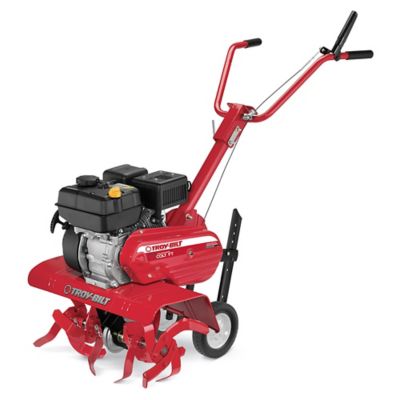
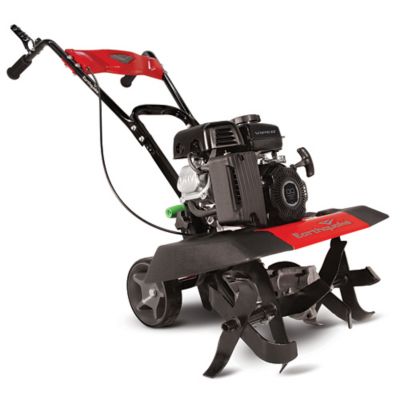
The basic recipe for a tumbler is much like the recipe for a good garden bed: a balanced mix and a little attention go a long way. “Green” materials such as vegetable trimmings, coffee grounds, fresh grass clippings, and young weeds provide nitrogen, while “brown” materials such as dry leaves, shredded cardboard, straw, and small amounts of plain paper provide carbon and structure. A drum loaded mostly with wet greens can settle into a dense, sour-smelling mass that has trouble getting enough air. On the other hand, a load made up of only dry leaves may take a long time to heat and break down. Chop or tear larger pieces before adding them, keep especially wet materials in check, and add dry browns when the contents look slick or compacted. A tumbler needs moisture, but it should not be dripping wet; the texture should resemble a wrung-out sponge. Rotating the drum every few days, following the care directions for the particular design, helps distribute moisture and oxygen throughout the load. With a balanced blend and favorable conditions, many tumbler loads can produce finished or nearly finished compost in roughly four to eight weeks, although cooler weather, large pieces, excess moisture, and heavy loading can extend that timeline. Finished compost is generally dark, crumbly, and earthy-smelling, with the original scraps no longer easy to recognize. Use it to enrich vegetable beds, mix into planting holes, top-dress flower borders, or refresh soil around shrubs and established plants. It can be especially satisfying to use compost made from the season’s spent plants when preparing beds for another round of growing. Gardeners pairing compost with soil preparation equipment such as
Rotary Tillers can work mature compost into garden soil when conditions are right, taking care not to till wet ground into clods. Keep meat, dairy, oils, pet waste, and diseased plant material out unless a specialized composting system specifically allows them. The enclosed drum is not a substitute for proper balance, but it does make turning, containing, and monitoring the process more manageable for many homes and small properties.
A compost tumbler can also be a thoughtful gift for a gardener, new homeowner, backyard grower, or rural family looking to make better use of kitchen and yard waste. It suits someone who enjoys practical tools that earn their keep, especially when garden space is limited or an open compost pile would be inconvenient. For a gift, consider the recipient’s available space, the amount of organic material they handle, and whether they will be comfortable turning a loaded drum. A compact option may work well beside a small patio garden, while a higher-capacity tumbler may be better for a larger yard with plenty of leaves, grass clippings, and harvest leftovers. During the warmer part of the growing season, a tumbler can help keep up with vegetable peelings, weeds pulled before they go to seed, and trimmings from regular garden maintenance. As the weather cools, dry leaves become a valuable brown material, and finished compost can be set aside for future beds, containers, and landscape plantings. A covered, level location with room to rotate the drum is usually more useful than a hidden corner that is difficult to reach. Leave enough clearance to open the loading door and empty the finished material into a wheelbarrow, garden cart, or bucket. Because compost can become surprisingly heavy, smaller batches are often easier to manage than filling the drum to its absolute limit. It is also worth checking the product dimensions, drum capacity, stand height, access doors, assembly requirements, and weight limits before choosing. Whether used by a longtime gardener or someone starting with a few raised beds, a compost tumbler turns a steady stream of ordinary scraps into a resource for the soil. The payoff is simple and tangible: less organic waste headed away from the property, fewer trips with a pitchfork, and a supply of dark, crumbly compost ready to help gardens grow.