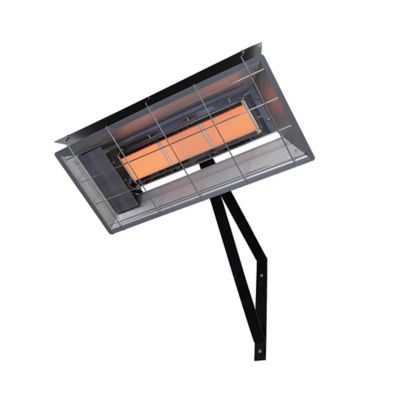
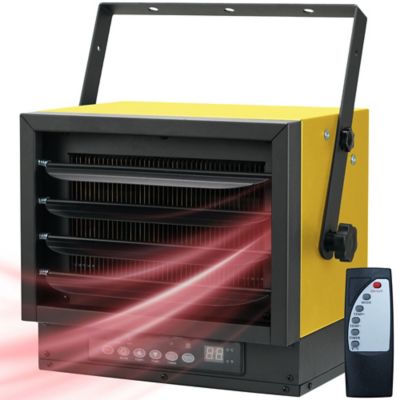
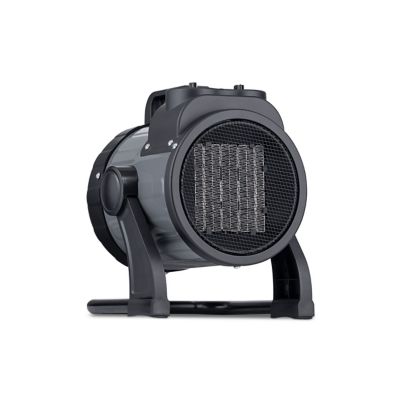
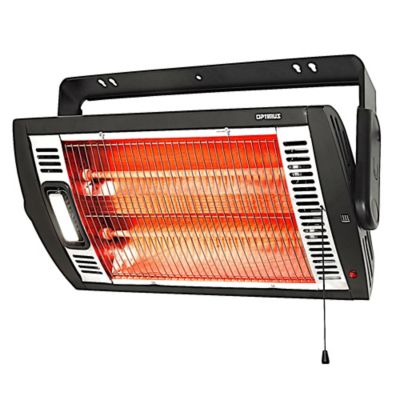
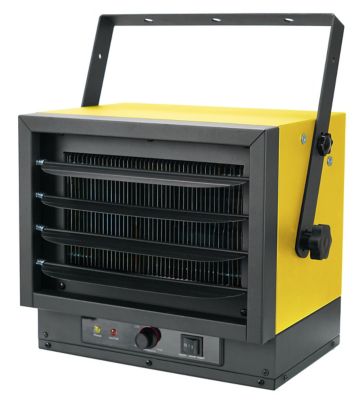
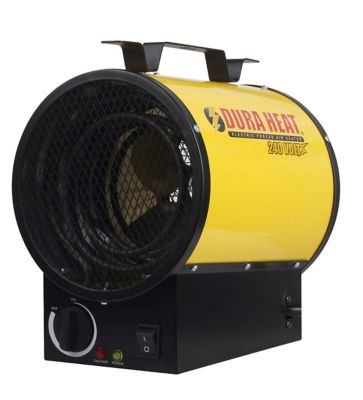
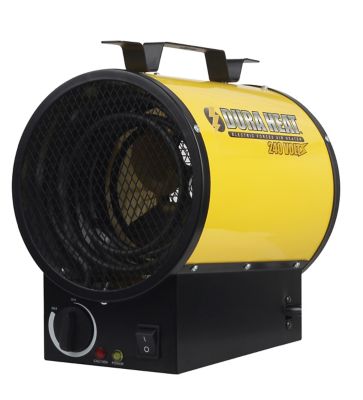
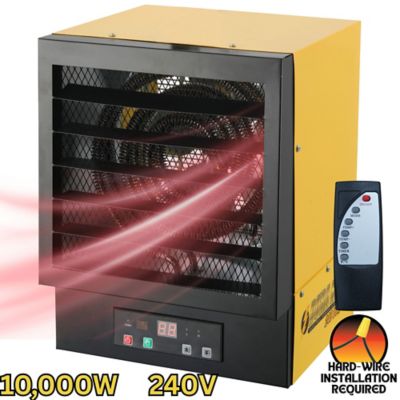
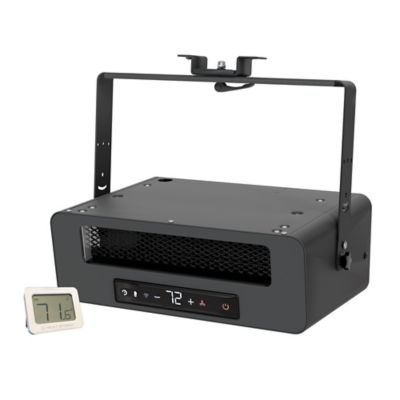
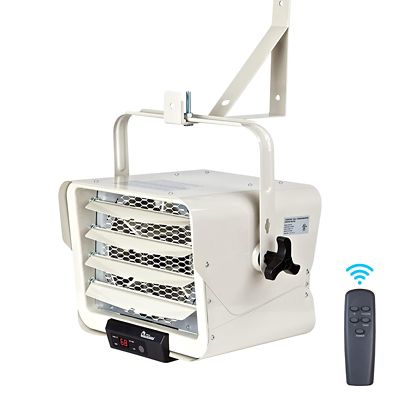
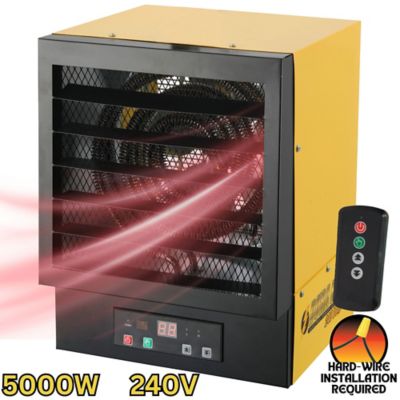
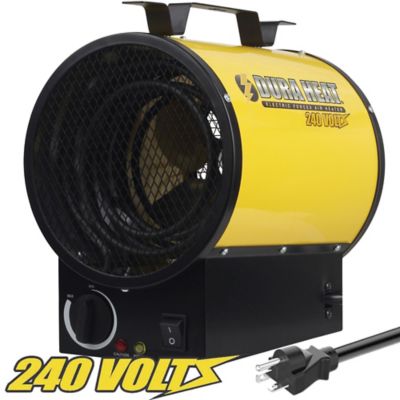
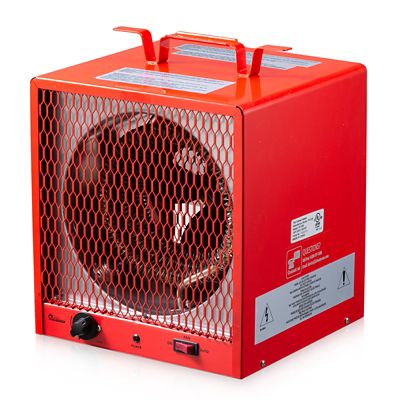
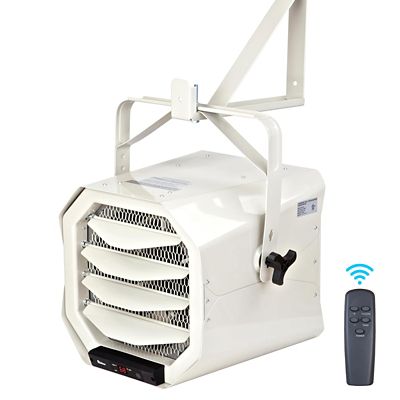
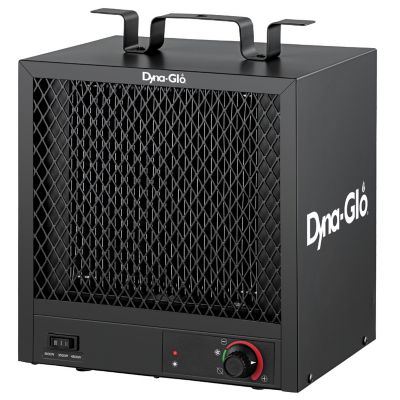
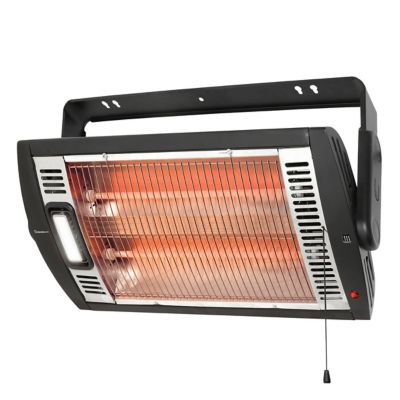
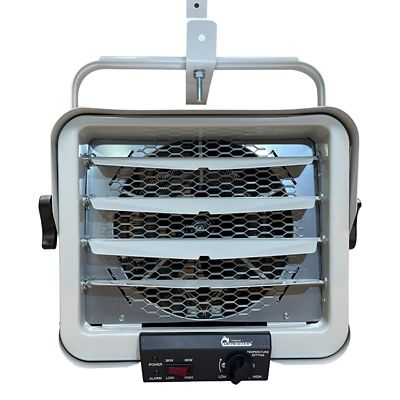
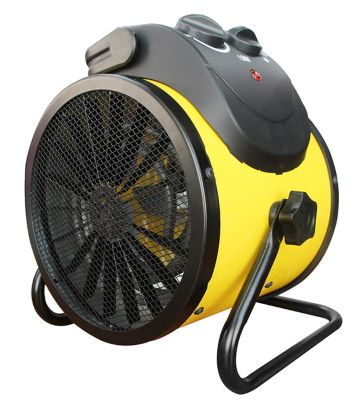
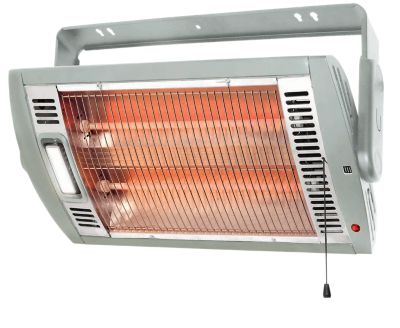
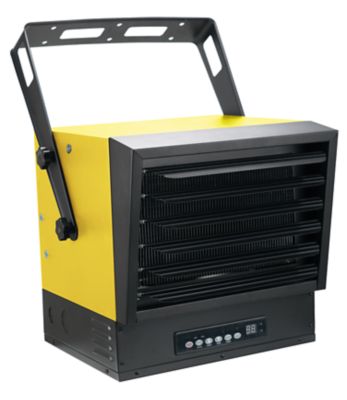
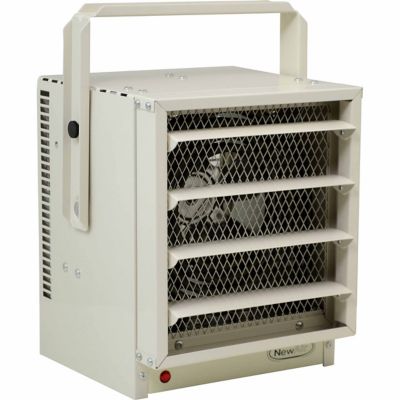
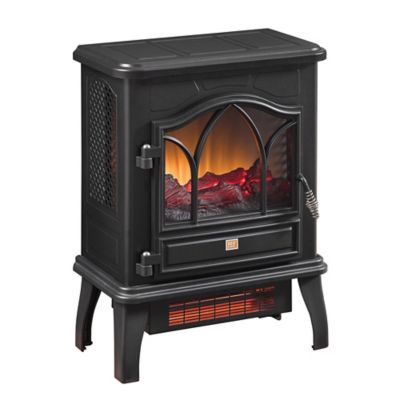
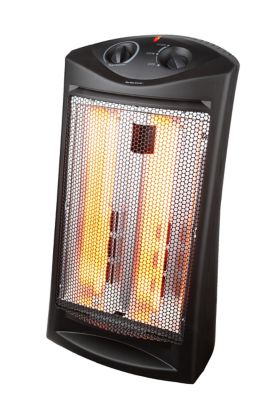
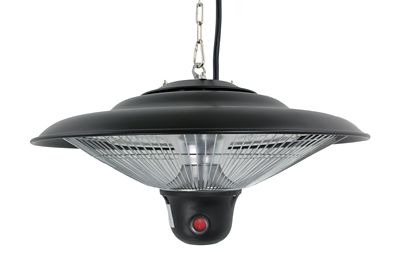
Heaters for workshops help take the bite out of cold mornings spent repairing equipment, sorting hardware or getting a project ready for the next day's work. The right match depends on the size and layout of the building, its insulation, the power or fuel on hand and whether the job calls for warmth at one bench or throughout the room. A tight, insulated garage has different heating needs than a tall metal shop with a roll-up door that opens several times an hour. Square footage is a starting point, but ceiling height, outdoor temperatures and heat loss through walls and doors also affect the heating capacity a space needs. Electric workshop heaters offer heat without on-site combustion, making them a practical option for enclosed workspaces with suitable electrical service. Portable electric heaters can provide supplemental warmth near a work area, while wall-mounted and ceiling-mounted electric heaters keep floor space clear for tool carts, equipment and foot traffic. Many smaller models operate on 120-volt circuits; higher-output models often require 240-volt service and may need hardwiring by a qualified electrician. Voltage, amperage, plug configuration and circuit capacity all need to match the heater's requirements. An ordinary outlet does not automatically mean a circuit can handle a heater alongside a saw, compressor or other power tools. Forced-air electric heaters move warmed air around the room, while radiant electric heaters send warmth toward people and surfaces in their path. That difference matters when choosing between steady room heating and a comfortable spot at a stationary workbench. Fan sound, airflow direction and the distance between the heater and the work area can affect everyday comfort, too. A heater that suits a quiet repair bench may not be the best fit for an open equipment bay. Adjustable output and thermostat controls can help match heat delivery to changing conditions without making the workspace feel stuffy once the room warms up.
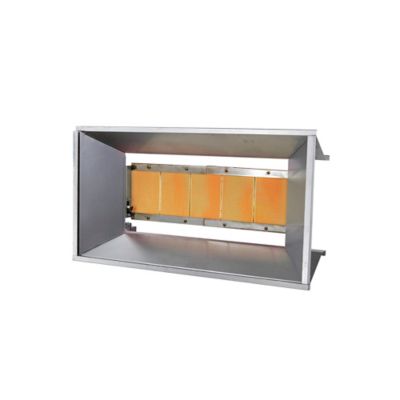
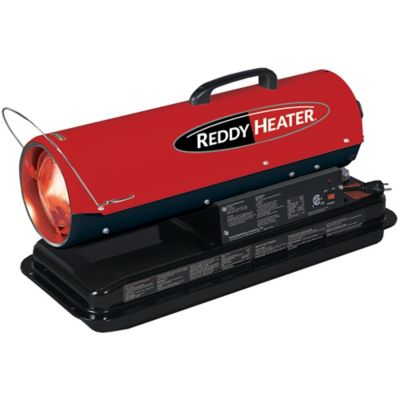
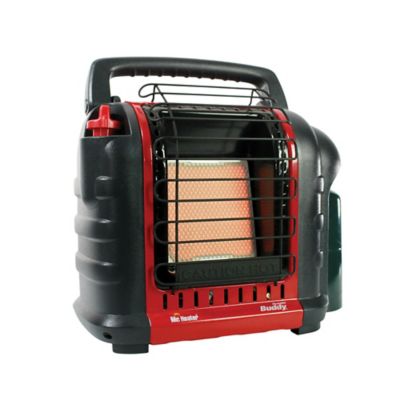
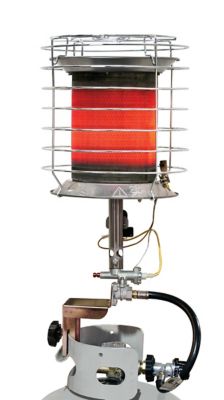
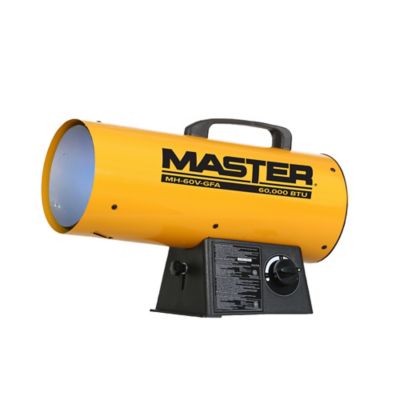
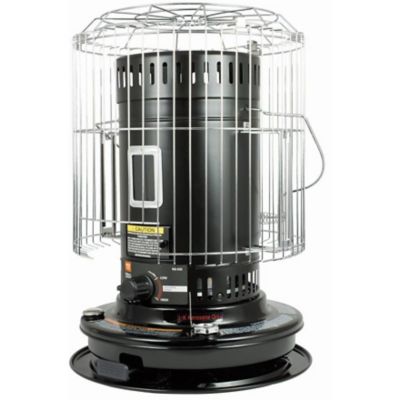
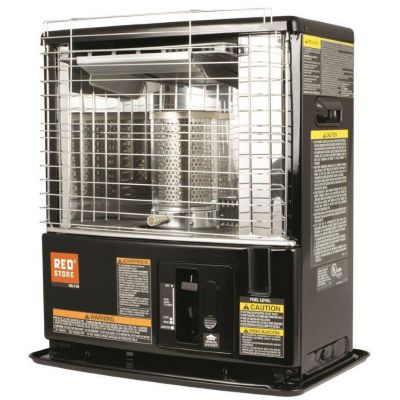
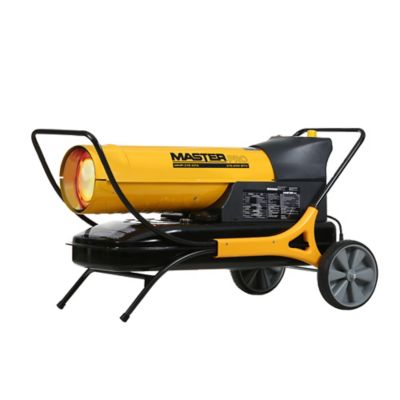
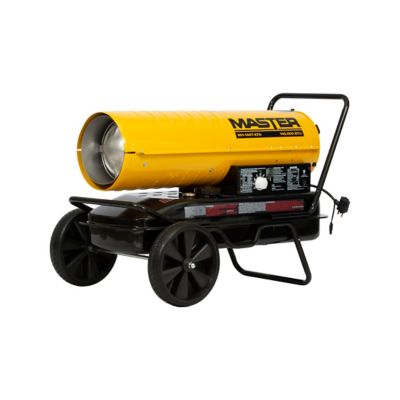
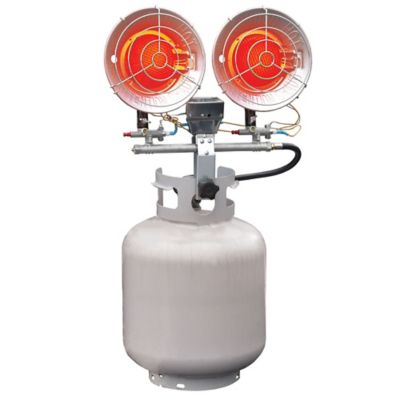
Propane and natural gas workshop heaters bring another set of options for spaces where fuel-fired heating is appropriate. Heating output is commonly expressed in British thermal units per hour, or BTU/h, while electric heaters are often rated in watts. Those ratings describe output or input as specified by the manufacturer, not a guaranteed room size that every heater will warm under every condition. Fuel-fired forced-air heaters can deliver substantial heat, but the location, ventilation requirements and approved applications matter just as much as the output rating. Portable propane heaters are not interchangeable with permanently installed, vented gas heaters, and some portable fuel-burning models are intended only for outdoor or qualifying construction applications. An open door or a drafty wall does not, by itself, make a combustion heater safe for an enclosed shop. Any fuel-burning heater must be explicitly approved for its intended setting and operated with the ventilation, clearances and fuel connections specified in its instructions. Permanently installed natural gas or propane unit heaters may suit regular heating needs in an appropriate workshop, with professional installation addressing gas supply, venting, combustion air and local code requirements. Radiant gas heaters can provide directed warmth, while forced-air designs distribute heated air more broadly; the better fit depends on the workspace and the appliance's approved use. Carbon monoxide alarms are an important safeguard wherever fuel-burning equipment serves an occupied building, but alarms do not replace proper installation or ventilation. Temperature controls, ignition systems and safety shutoffs also vary by heater type. Overheat protection and, on applicable portable models, tip-over shutoff add protection without replacing careful placement. Shops with gasoline, paint thinner, airborne sawdust or other flammable vapors and combustible dust need particular caution: a standard workshop heater may be unsuitable for those conditions. Keeping heat sources away from those hazards and following the heater's location restrictions is part of matching equipment to the work, not an afterthought once the temperature drops.
Construction, placement and routine care make a real difference in how a workshop heater fits into a busy space. Metal housings, sturdy mounting brackets and protected controls are worth considering around benches and equipment, though no housing makes a heater safe from every bump, splash or dusty task. Check the unit's environmental rating rather than assuming a shop-style appearance means it can handle wet conditions or heavy dust. Portable designs with stable bases and carrying handles can work well for occasional heating needs, provided the heater is shut down and cooled before moving as directed. For work that shifts between approved locations,
Temporary Heaters offer another category to consider alongside equipment intended for a permanent spot. Wall and ceiling installations free up floor space, but mounting height, bracket support, airflow and service access still need to fit the building. A clear stretch above a bench may seem convenient until an overhead door, shelving or stored lumber enters the required clearance area. Heater placement should also account for where people stand, where cords run and how equipment moves through the shop. Electric heaters generally need a direct connection to a suitable outlet or permanent wiring as specified; power strips and extension cords can create overheating hazards. For everyday upkeep, accessible intake grilles and service panels make inspection and cleaning less of a chore. Dust buildup can restrict airflow, so cleaning should follow the manufacturer's schedule with power disconnected and the heater cool. Fuel-fired equipment also needs the inspections and servicing specified for its burners, connections and venting. Keep rags, cardboard, coats and other combustible materials outside all required clearances, and never drape them over a heater to dry. Whether the space belongs to a farmer tending equipment, a mechanic working through repairs or a woodworker spending an afternoon at the bench, a well-matched workshop heater supports the task without crowding it. Suitable output, safe installation and straightforward upkeep matter more than simply choosing the biggest heater that will fit.