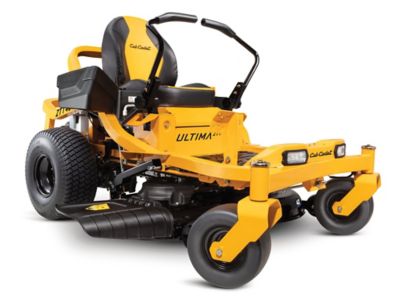
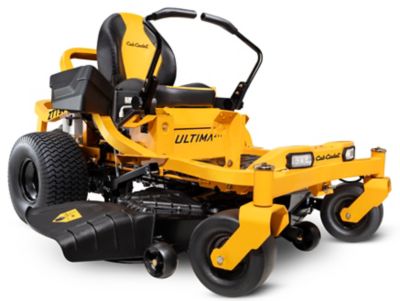
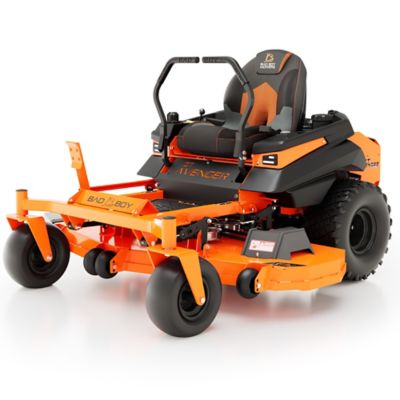
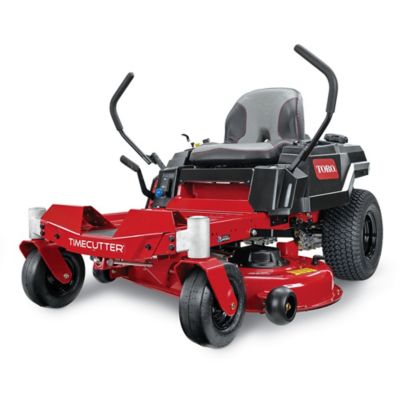
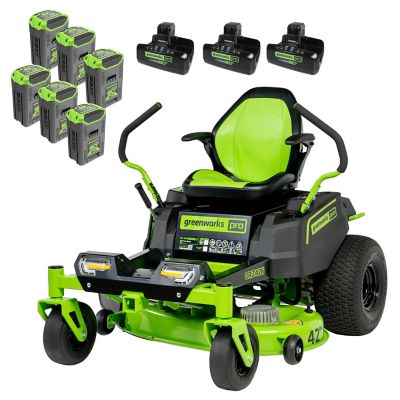
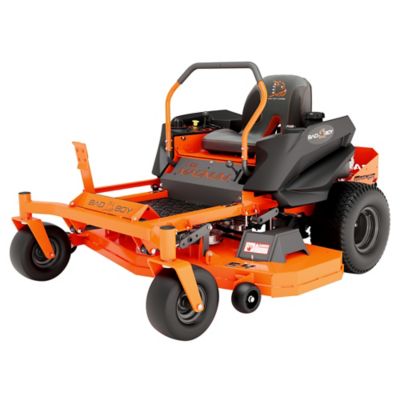
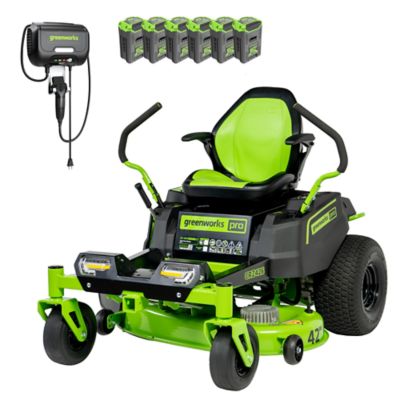
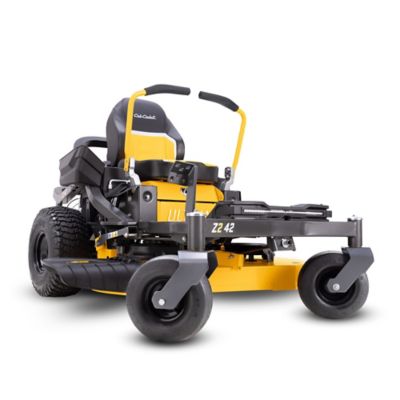
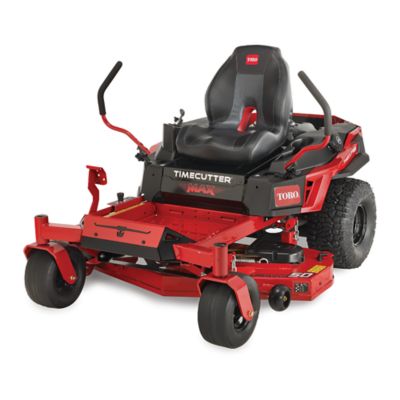
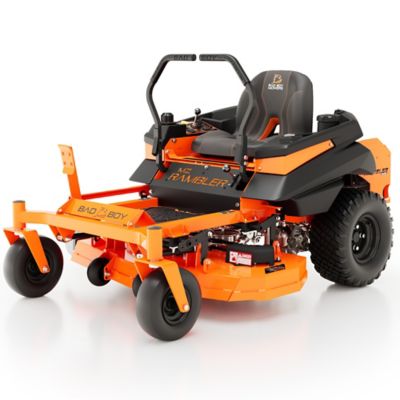
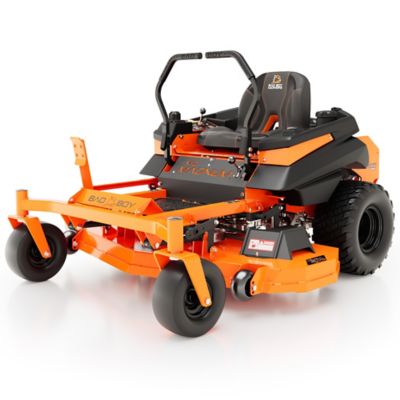
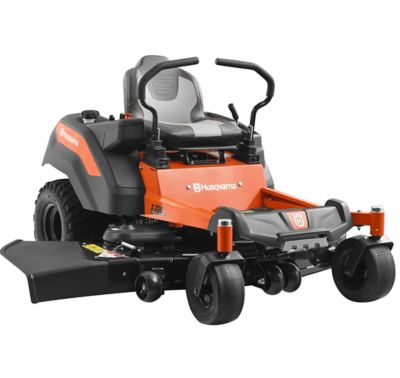
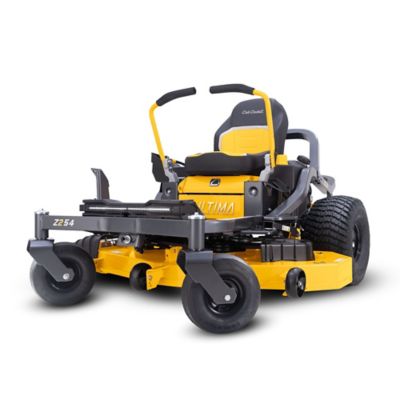
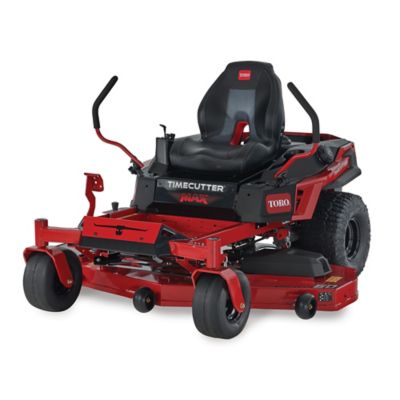
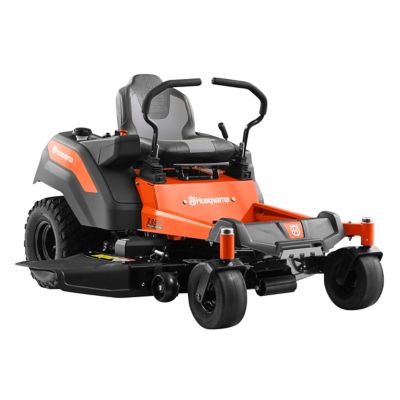
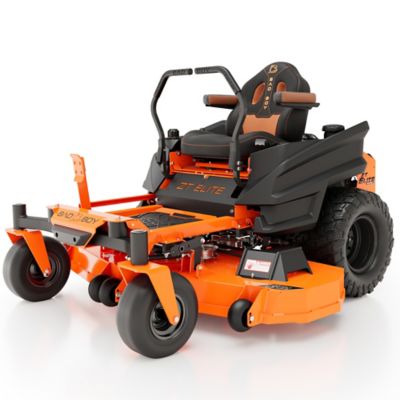
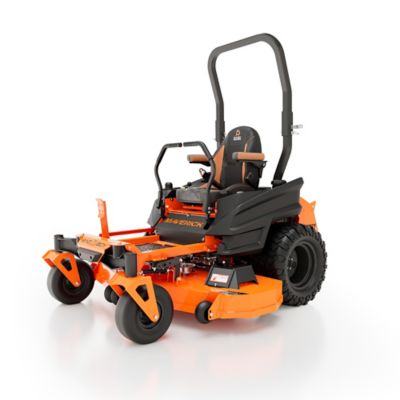
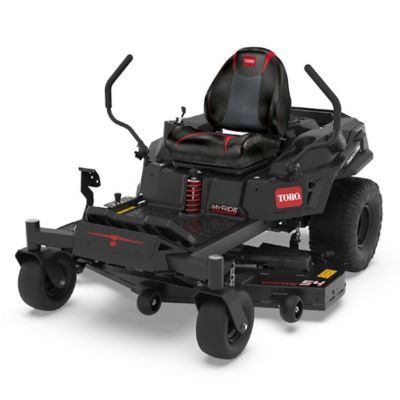
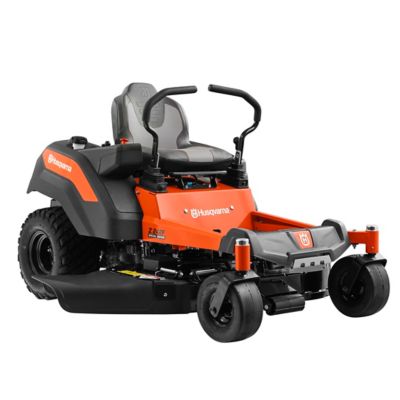
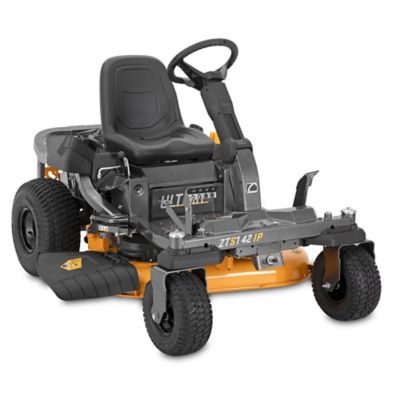
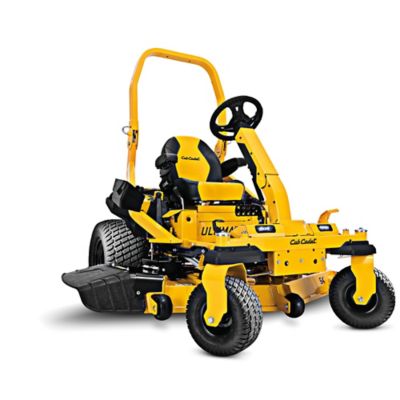
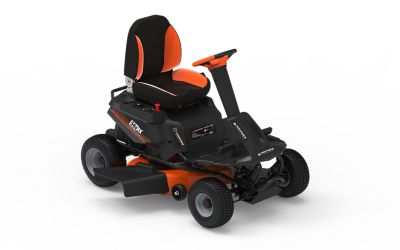
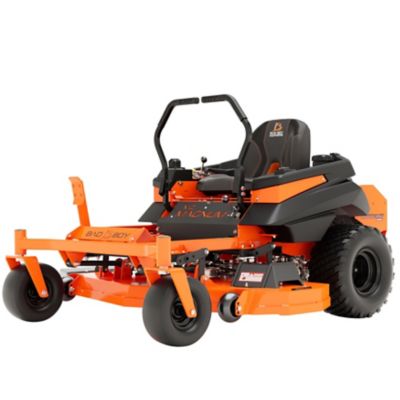
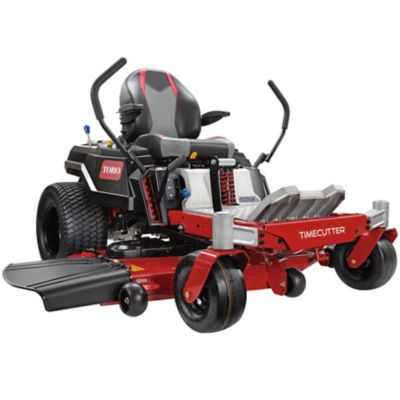
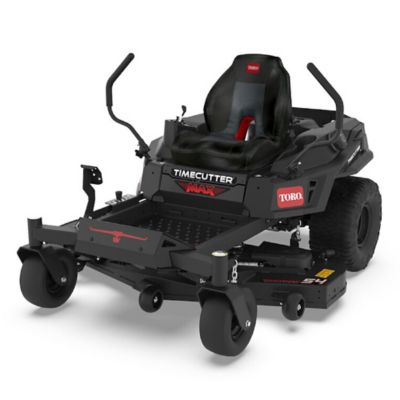
A zero-turn lawn mower is a riding mower built to handle broad stretches of grass while making tight turns around trees, planting beds, and other yard obstacles. The “zero” refers to its turning radius: independently controlled drive wheels allow the machine to pivot with little or no forward travel, depending on its design. That maneuverability can make a difference on a country property with a long fence line, a scattering of shade trees, and plenty of ground between the house and the outbuildings. Rather than making a wide loop at the end of every pass, the operator can line up for the next strip with less repositioning. Many zero-turn mowers have lap-bar steering, though control layouts vary, and getting comfortable with the controls takes practice in an open, level area. These machines generally suit established lawns and regularly maintained grassy acreage, not brush clearing, rough pasture work, or cutting through hidden debris. A larger mowing deck can cover open ground in fewer passes, while a smaller deck may fit better between trees, through gates, and around a tight corner beside the shed. The best fit depends on the whole property, not acreage alone. A wide lawn with few obstacles presents a different job than the same amount of grass divided by garden fences, gravel drives, and narrow passages. Deck width also affects where the mower can travel and whether it will fit inside its storage space, especially with the discharge chute extended. For homeowners maintaining a farmhouse yard, small-acreage owners keeping the grounds tidy, or caretakers handling regular mowing, a zero-turn mower brings the operator aboard for work that would otherwise mean a lot of walking. Smaller enclosed patches may still call for a
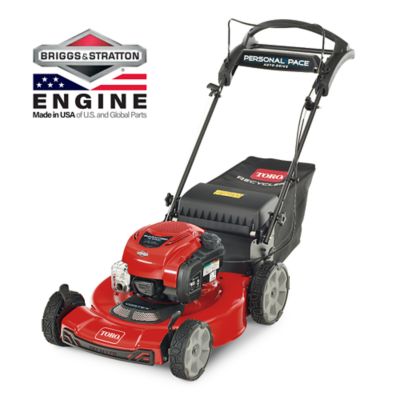
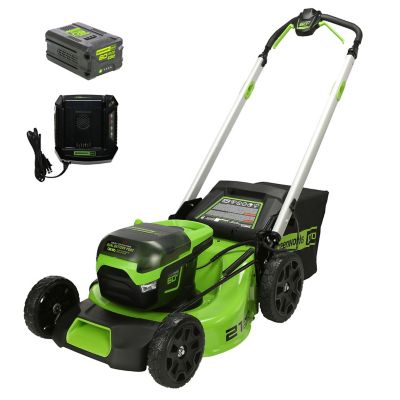
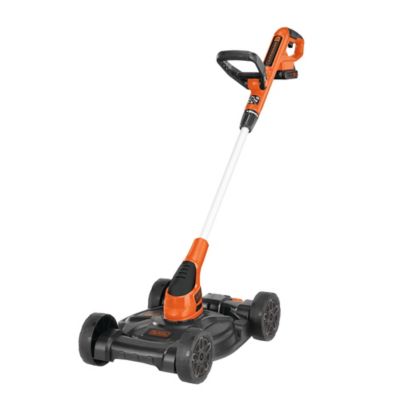
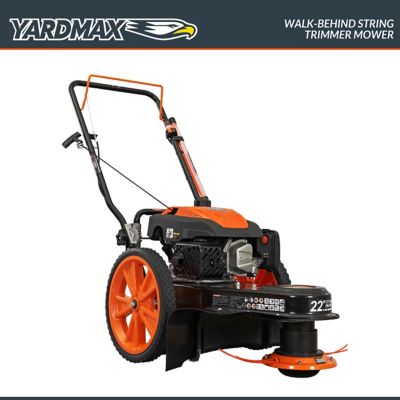
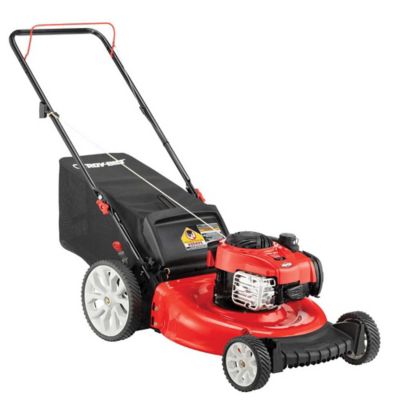
Walk Mower, particularly where a riding machine cannot pass comfortably. Matching the mower to those everyday routes matters as much as matching it to the amount of grass.
Construction, cutting performance, and operator fit all shape how a zero-turn mower feels over a full afternoon. Steel frames and steel cutting decks are common, but deck construction varies. Stamped decks are formed from sheet steel, while fabricated decks are assembled from separate steel pieces; neither description alone tells the whole story about service life or cutting results. Metal thickness, reinforcement, spindle construction, deck suspension, and access for cleaning all deserve attention. A deck that follows gentle changes in the ground, along with properly adjusted anti-scalp wheels where equipped, can help limit turf damage over uneven spots. Cutting-height adjustment matters, too, since the appropriate grass height depends on the turf type, growing conditions, and season. Engine output or electric drive capability should suit the deck and the mowing workload rather than simply being the largest number on the specification sheet. Gas-powered machines bring considerations such as fuel handling, engine service, and oil changes, while battery-powered machines bring charging access, battery care, and runtime into the picture. Actual runtime and mowing pace depend on grass thickness, terrain, cutting height, and other conditions. Tall or damp grass can demand more from either setup, and taking off too much growth at once can leave clumps instead of an even finish. Discharge, mulching, and collection arrangements also affect the job, with compatibility varying by mower. Around a farmhouse porch or along a driveway, controlling where clippings land can save cleanup afterward. From the seat, the details become practical in a hurry: room for boots on the foot platform, a supportive backrest, reachable controls, and clear sightlines to the deck edges. Seat adjustment and vibration management can make longer mowing sessions more comfortable. Tire size and tread influence traction and the marks left on turf, but no tire turns a lawn mower into an all-terrain machine. A mower that fits both the operator and the ground is better suited to steady, controlled work than one chosen for deck size alone.
Ownership also includes the space, upkeep, and operating habits that keep a mower ready for the next round. A sheltered parking spot with enough clearance for the deck and safe access around the machine makes routine checks less of a chore. Service points that are easy to reach can simplify inspecting belts, checking tire pressure, and clearing grass buildup according to the manufacturer’s instructions. Sharp, properly balanced blades help produce a cleaner cut, while worn or damaged blades can affect both appearance and operation. Before any maintenance beneath or around the deck, the machine needs to be secured and its power sources isolated as directed in the owner’s manual. Gas engines, batteries, filters, belts, and fittings each have their own care requirements, so service schedules should match the actual machine and its working conditions. Dust from a gravel lane and dry grass around the barn can make inspections especially important. During the cooler months, mowing may slow down, but leaves and lingering grass still make deck cleaning and dry storage worth keeping up with. Wet clippings trapped against metal encourage corrosion, and accumulated material around hot components can create a fire hazard. Seasonal storage may involve fuel treatment or battery charging precautions, depending on the power system. Out on the lawn, gentle steering helps protect the grass; keeping both drive wheels moving through a turn can reduce the scuffing that comes from pivoting on one stationary wheel. Slopes, ditch banks, pond edges, and soft ground require particular caution, and a zero-turn mower should operate only within the limits stated by its manufacturer. Rollover protection and seat belts, where provided, must be operated together as directed. Children, pets, and bystanders belong well clear of the mowing area, and the grass should be checked for sticks, stones, wire, and other objects before cutting. With the right property fit, comfortable controls, and manageable maintenance needs, a zero-turn mower can become a practical part of caring for the grounds, from the grass beside the mailbox to the open stretch beyond the backyard fence.