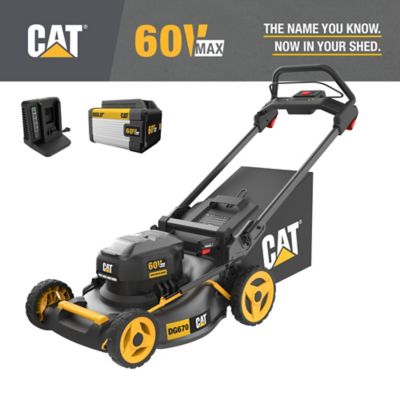
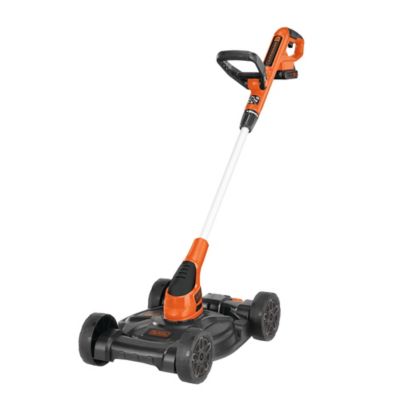
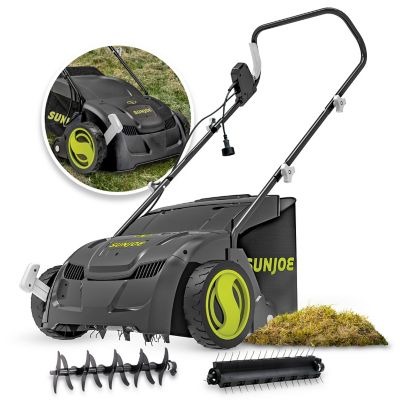
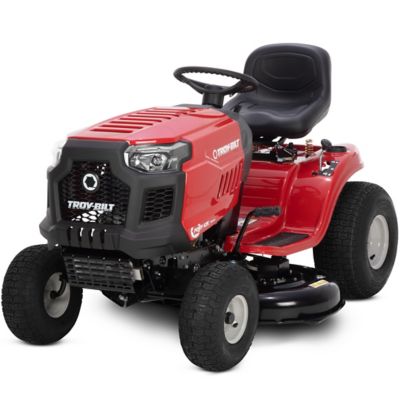
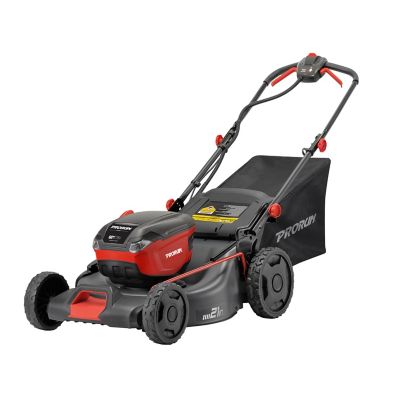
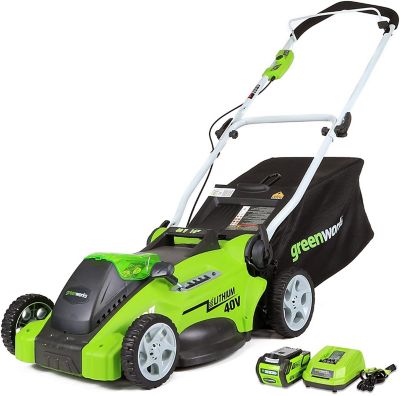
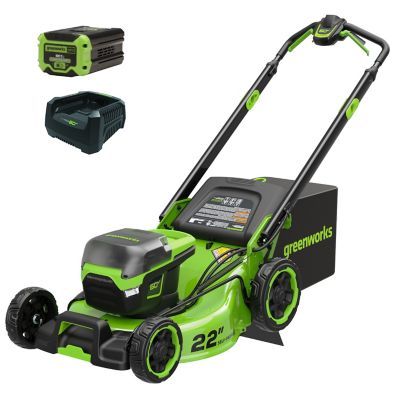
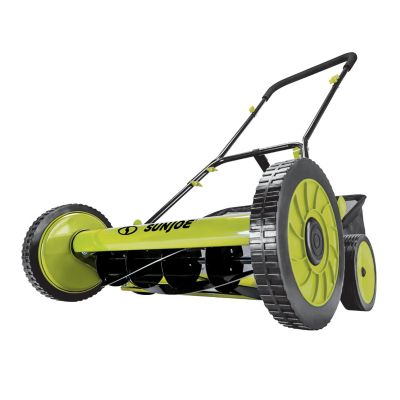
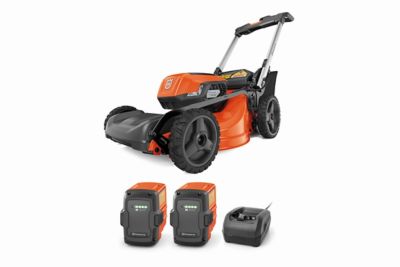
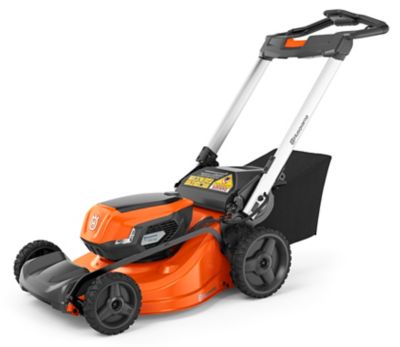
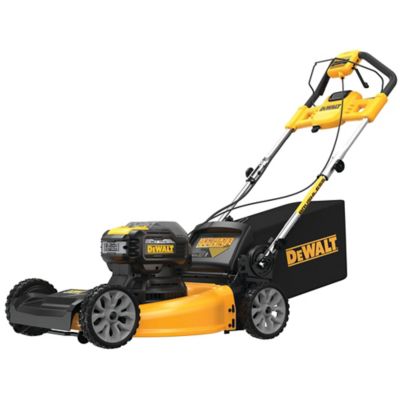
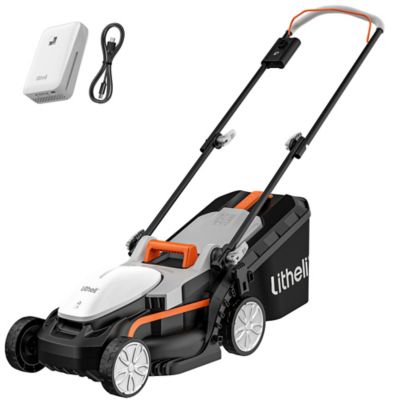
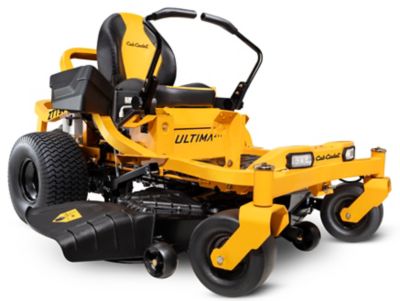
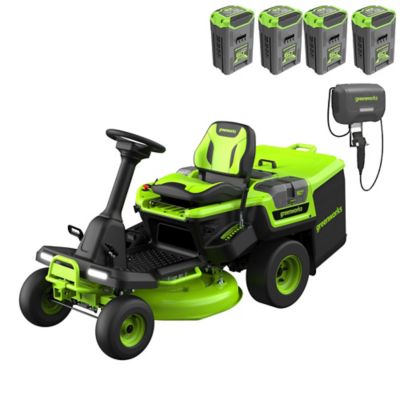
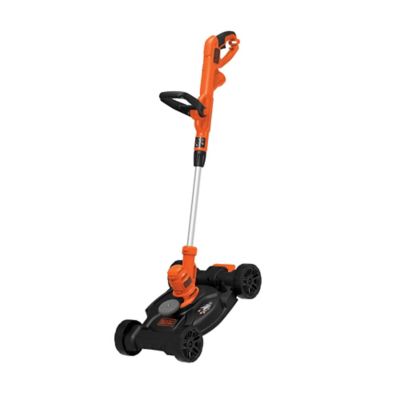
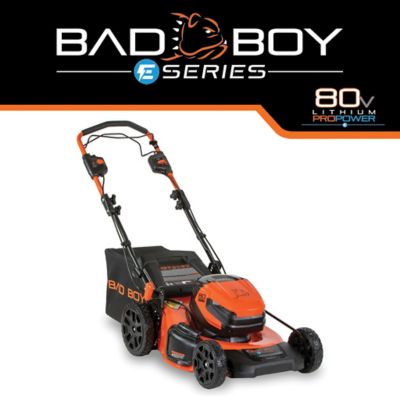
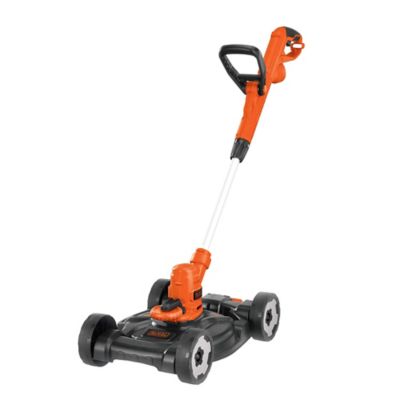
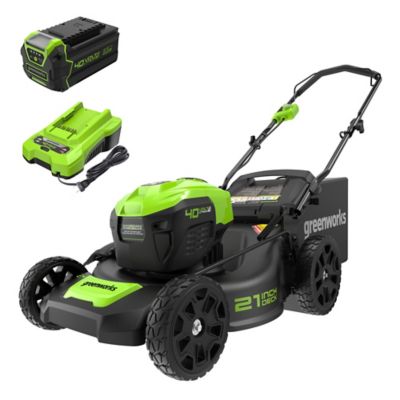
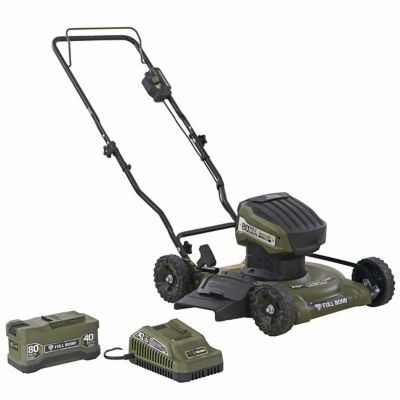
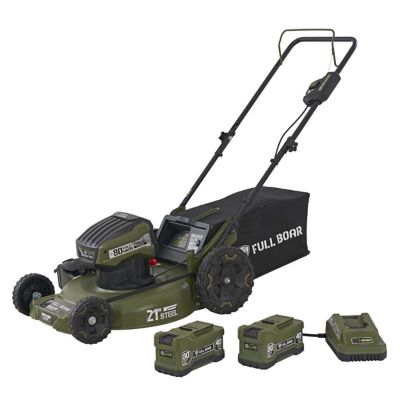
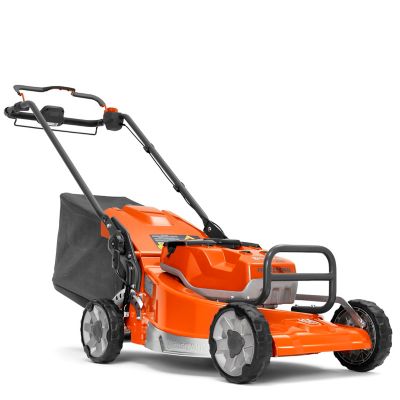
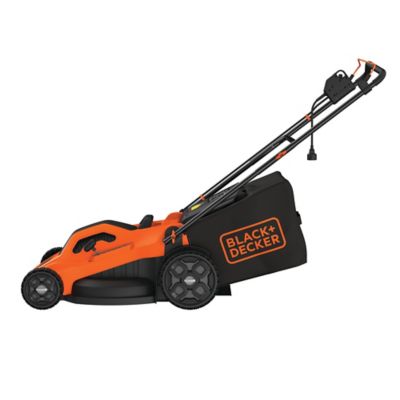
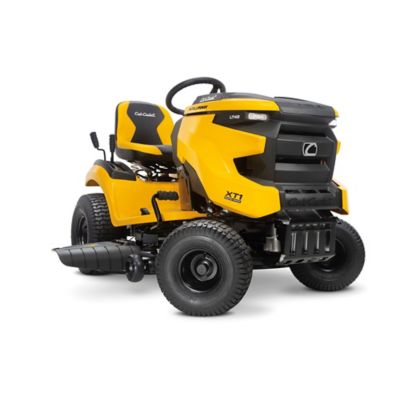
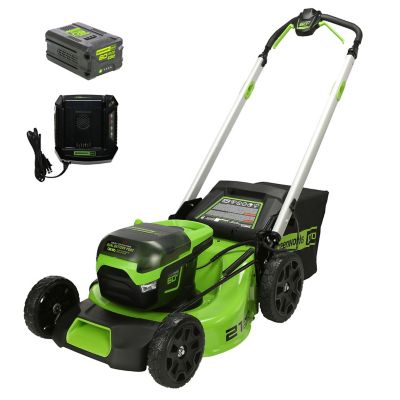
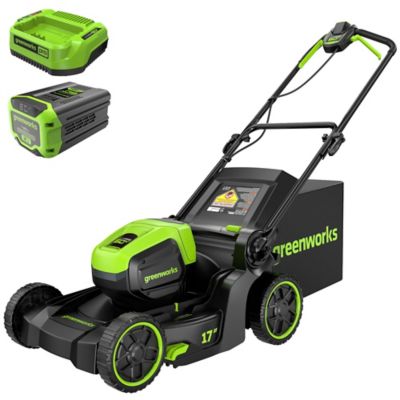
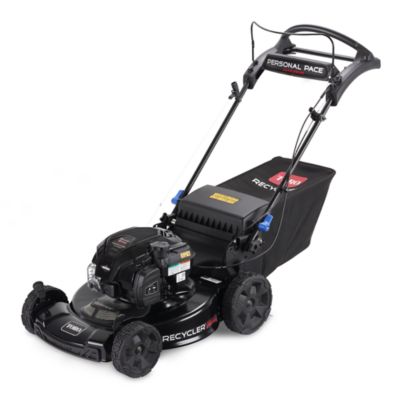
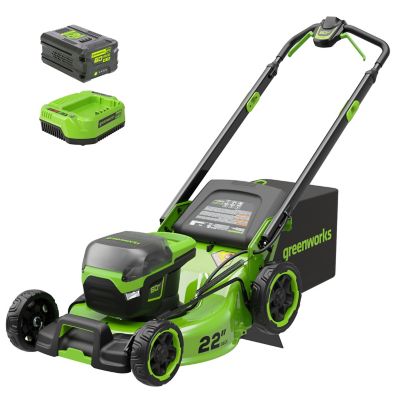
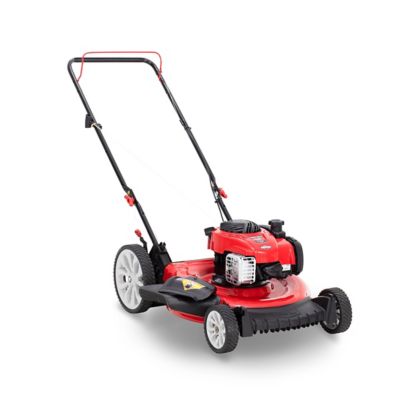
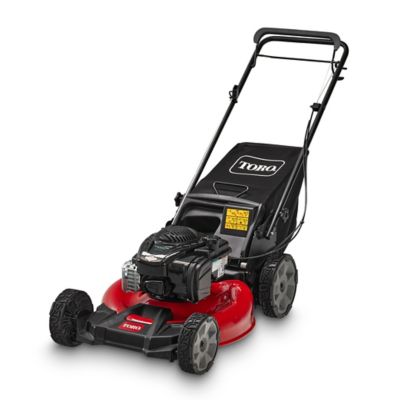
Electric lawn mowers make routine yard work a little simpler, especially for homeowners who want dependable cutting without the fuel, oil, exhaust, and engine noise that come with a gas mower. They’re a practical fit for small suburban lawns, country homes with several separate mowing areas, rental properties, and anyone who prefers a cleaner, quieter way to keep grass trimmed. Electric models range from corded mowers for nearby lawns to cordless battery mowers that give you the freedom to move around trees, garden beds, fence lines, and outbuildings without dragging a cord behind you. Prices can vary from about $150 to more than $1,100, with many cordless options falling in the $300 to $650 range depending on deck size, battery capacity, drive system, and included equipment. A smaller push mower can be a good match for a compact, mostly level yard, while a wider deck or self-propelled design may save time and effort on a larger property. Keep the shape of your yard in mind, too. A narrow passage between the house and a pasture gate may favor a compact mower, while a broad open lawn can benefit from a wider cutting path. For households where early-morning or evening chores are part of the routine, an electric mower can also be a neighbor-friendly choice. If keeping sound to a minimum is one of your main priorities, explore
Quiet Lawn Mowers for equipment suited to peaceful weekends, close-set homes, and properties where livestock or pets may be sensitive to loud machinery.
Battery runtime is one of the most important details to consider before choosing an electric lawn mower. Many cordless models run for roughly 45 to 50 minutes under ordinary mowing conditions, while larger battery setups can extend working time beyond 70 minutes and, in some cases, close to 100 minutes. Actual runtime depends on grass height, moisture, slope, cutting height, walking speed, deck width, and whether the mower is working through thick spring growth or lighter grass during the cooler months. A flat yard under half an acre may be manageable with one fully charged battery, while properties larger than that or with hills and rougher patches often benefit from a second battery. Having a spare on the charger can keep the job moving when the first one runs low, rather than leaving a half-cut strip beside the driveway until another charge is ready. It’s also worth checking whether the battery platform works with other compatible outdoor tools, such as a string trimmer, blower, hedge trimmer, or chainsaw. Sharing batteries across several tools can make a larger investment more useful over time and reduce the number of chargers crowding a workbench. Before mowing, clear away branches, toys, wire, stones, and loose fencing material, then check the lawn for hidden objects that could damage the blade or become projectiles. Electric mowers are quieter than gas models, but hearing protection is still a smart habit, and children and pets should stay safely away from the mowing area. On sloped ground, a self-propelled mower can help with control and reduce the strain of pushing uphill, while a lightweight push model may be easier to turn around landscaping, raised beds, and young trees.
The right features depend on how your grass grows and how you like to handle clippings. Adjustable cutting heights let you raise the deck during hot, dry stretches or lower it when the lawn needs a neat finish, and single-lever adjustments make that change easier when moving between turf types. Mulching capability returns finely cut grass to the soil, while a rear bagger keeps clippings off sidewalks, porches, and freshly swept driveways. Some mowers offer side discharge for fast work across larger areas, and foldable handles can make storage easier in a shed, barn, garage, or mudroom. Look for a deck size that balances coverage with maneuverability; a wider deck covers more ground per pass, but a smaller deck can be much handier around garden corners and uneven areas. Electric mowers generally need less routine maintenance than gas equipment because there’s no spark plug, fuel filter, carburetor, or oil change to manage. Even so, the underside should be cleaned safely after use, blades should be kept sharp, and the battery should be charged and stored according to the manufacturer’s instructions. During the cooler months, protect batteries and chargers from damp conditions and extreme temperatures, and store the mower under cover so the next cutting season starts without unnecessary trouble. An electric lawn mower can also make a thoughtful gift for a first-time homeowner, a parent keeping up a family place, or someone replacing an aging gas mower. Pairing a mower with practical yard-care accessories or other tools that use the same battery system can help a new homeowner build a useful setup one chore at a time. Whether the job is a small patch behind the house or a broad stretch of lawn along a gravel drive, choosing the mower around yard size, terrain, runtime, storage space, and everyday comfort will make each pass feel more manageable.