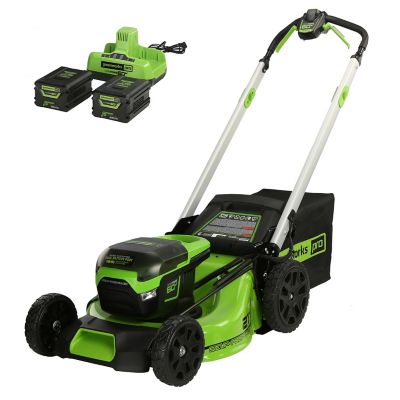
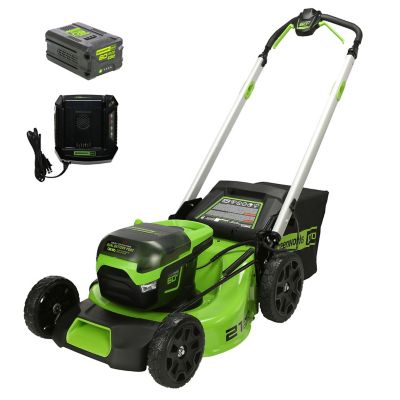
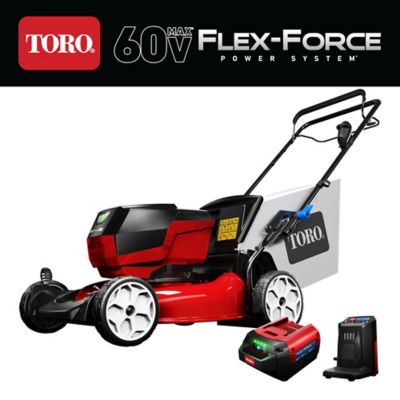
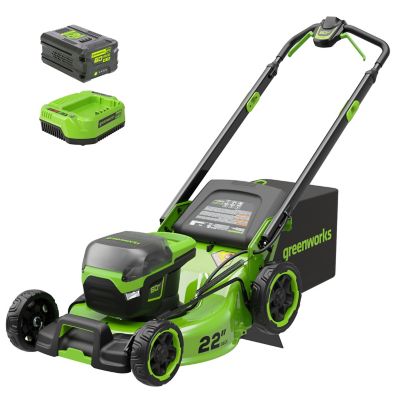
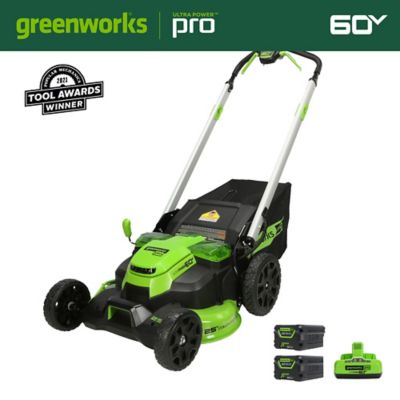
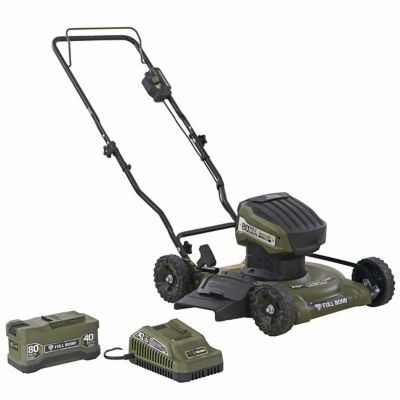
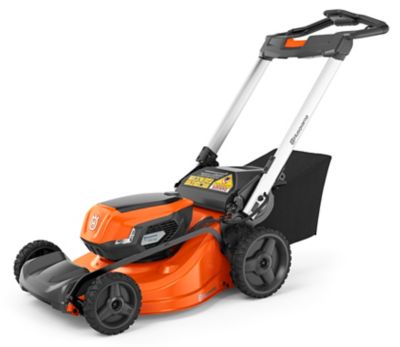
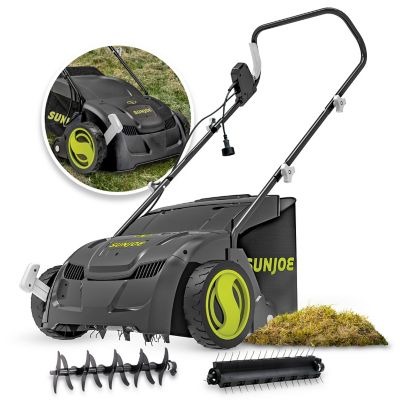
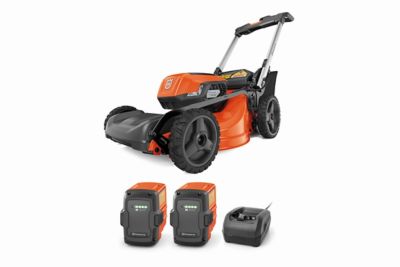
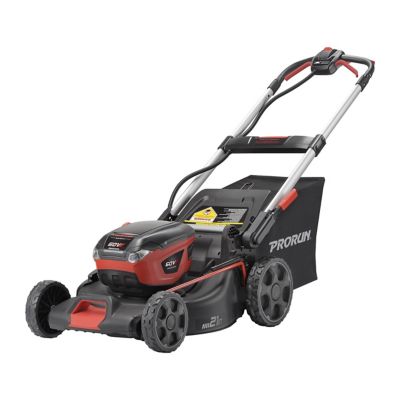
Quiet lawn mowers make it easier to keep grass looking tidy without filling the neighborhood with the roar and fumes that often come with a gas engine. For many homeowners, the quietest choices are cordless battery-powered mowers and manual reel mowers. A reel mower uses your own pushing power, with the main sound coming from the soft snip of the blades and the wheels rolling across the lawn. Cordless electric mowers use a battery and electric motor instead of gasoline, oil, and a spark plug, so they generally run with a steady hum rather than the loud revving and vibration of a traditional engine. Depending on the mower, grass conditions, and how close you are standing, gas models may run around 95 to 102 decibels, while many battery-powered options fall roughly in the 75 to 89 decibel range. That difference can make a real change when you are mowing near a porch, a chicken coop, a garden, or a neighbor’s fence. Quieter operation is also helpful for households with young children, pets, shift workers, or anyone who enjoys a peaceful morning outdoors. A quiet mower is not completely silent, and blades, wheels, and debris can still make noise, so eye protection and safe mowing habits remain important. Still, reducing the engine noise can make lawn care feel less disruptive, especially in smaller yards where sound tends to bounce off houses and outbuildings. During the cooler months, when grass may grow more slowly but still needs occasional attention, a quiet mower can handle touch-ups without turning a calm afternoon into a noisy chore. It can also be a thoughtful gift for a new homeowner, an older family member who wants a simpler way to manage a small lawn, or a neighbor who takes pride in a neat yard but would rather skip the gas cans and engine maintenance.
Choosing the right quiet lawn mower starts with the size and shape of the area you need to cut. Manual reel mowers are a practical fit for small, mostly level lawns that are mowed regularly. They work best when the grass is not overly tall, thick, wet, or filled with sticks, since long growth and heavy debris can make the mower harder to push. Their light weight and compact design are handy for homes with limited storage, and there is no battery to charge or fuel to keep on hand. Battery-powered push mowers offer more cutting power and convenience while still keeping noise lower than many gas-powered machines. Look at the battery voltage, estimated runtime, charging time, cutting width, and whether the battery can be used with other compatible outdoor tools. A runtime of about 30 to 45 minutes is common for many cordless mowers, though actual results depend on grass height, moisture, terrain, blade condition, and how much the mower is working. A small yard may be finished on one charge, while a larger property may call for a spare battery or a model designed for longer run times. If your lawn regularly gets tall or damp, choose a mower with enough power and a deck height adjustment that lets you raise the blade for the first pass. Wet grass can clump beneath the deck and bog down smaller motors, so waiting for the lawn to dry usually gives a cleaner cut and easier push. Wheel size and handle comfort matter, too. Larger wheels can roll more smoothly over uneven ground, while a folding handle can make a mower easier to store in a shed, garage, or barn corner. For broader lawns where fewer passes can save time, compare
Wide Lawn Mowers while keeping the mower’s weight and storage needs in mind.
Quiet operation is only one part of a good lawn-care setup. Before buying, consider whether the mower collects clippings, side-discharges them, or leaves them on the lawn for natural mulching. Check the cutting height range so you can avoid cutting more than one-third of the grass blade at a time, which helps reduce stress during dry spells and changing weather. Keep blades sharp, clear grass from the underside of the deck after the mower is powered down, and follow the manufacturer’s instructions for battery storage and charging. Batteries should be kept in a dry place away from extreme heat and freezing temperatures, while manual reels benefit from occasional cleaning and blade care. Even a quiet mower works better when the lawn is free of toys, hoses, branches, and loose stones before you begin. For a smooth routine, mow in a consistent pattern, overlap each pass slightly, and change directions from time to time so the grass does not lean permanently one way. Early or late mowing can be more comfortable during warm weather, but local noise rules, damp grass, wildlife, and nearby livestock are worth considering. In rural areas, a quieter machine can be especially useful around barns, gardens, and homes where animals may startle at sudden engine noise. Battery and reel mowers also avoid gasoline spills and exhaust drifting across the yard, which is welcome when outdoor chores happen near patios, play areas, or vegetable beds. Whether you are caring for a compact town lot, a cottage lawn, or the grassy stretch beside a country home, the best quiet lawn mower is one that matches the terrain, grass type, yard size, storage space, and the amount of hands-on effort you want from each cutting.