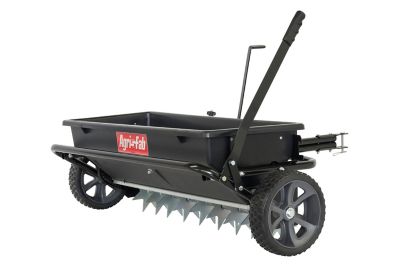
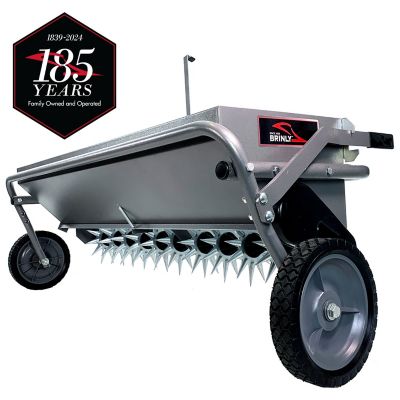
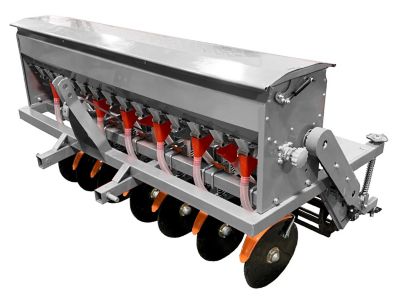
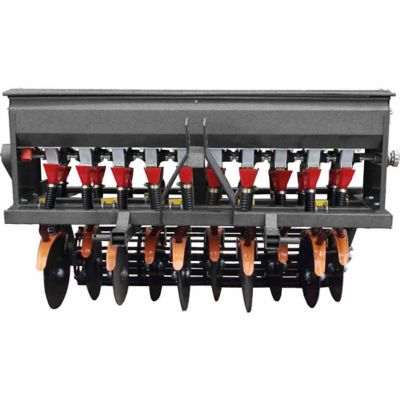
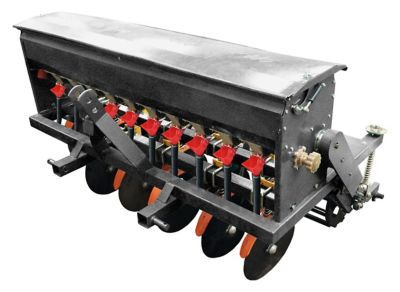
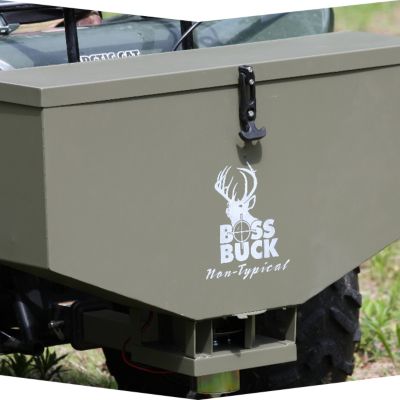
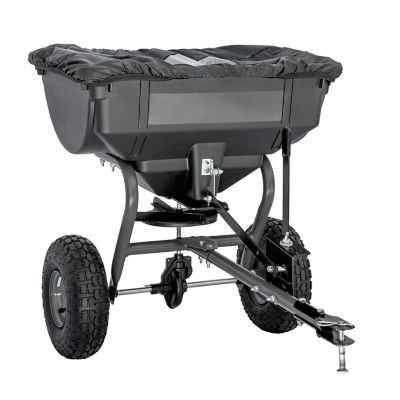
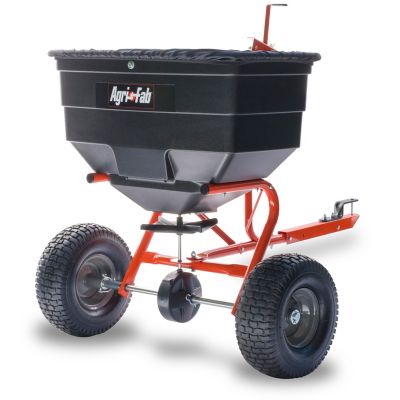
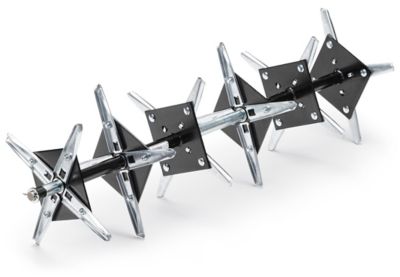
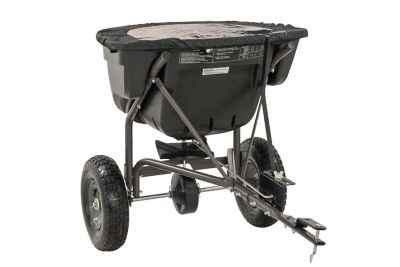
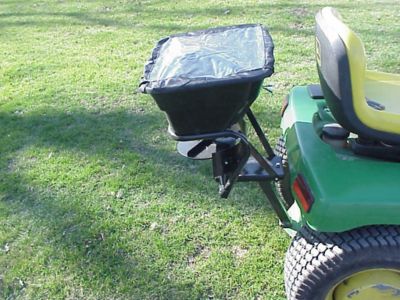
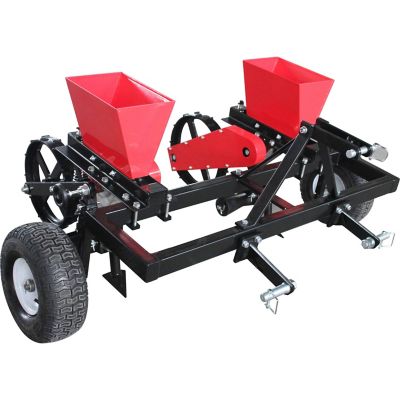
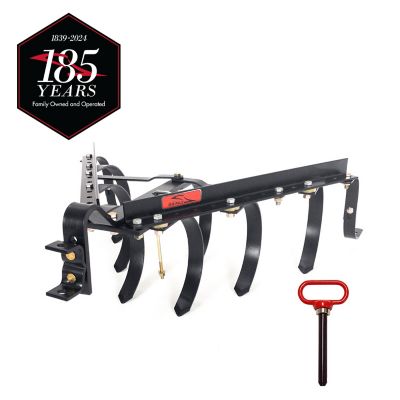
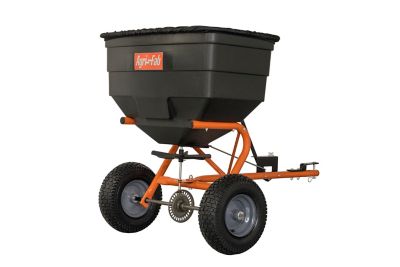
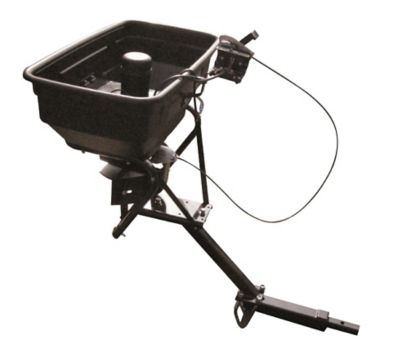
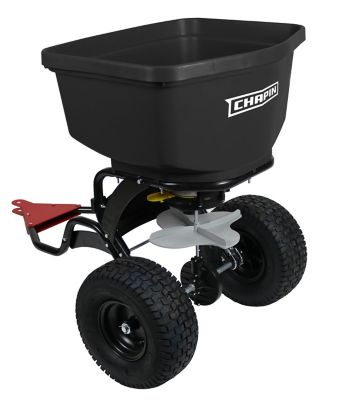
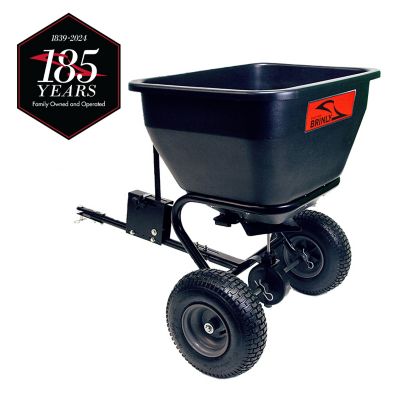
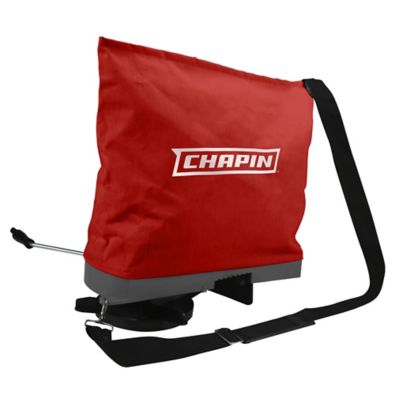
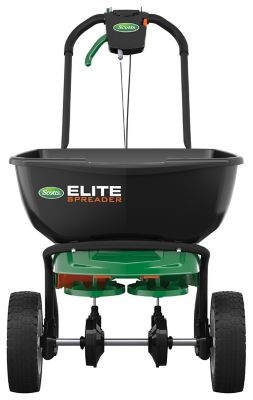
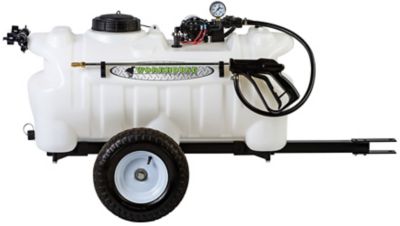
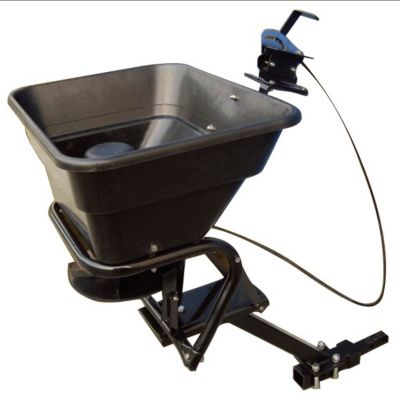
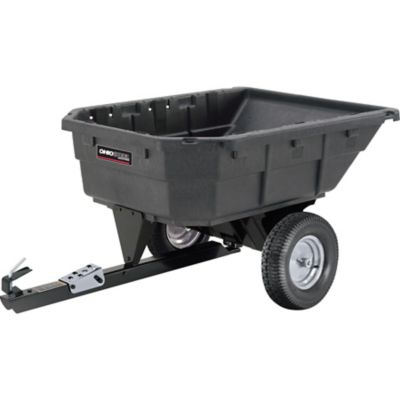
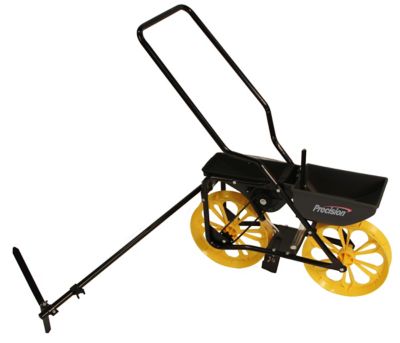
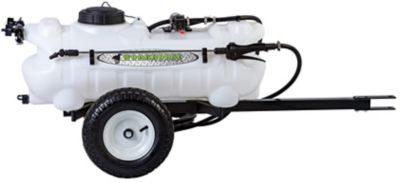
Tow behind seeders make it easier to put seed down across a lawn, pasture, hunting plot, garden edge, or open stretch of ground without walking every pass with a hand spreader. These pull-behind attachments connect to a riding mower, ATV, UTV, or utility tractor and use the vehicle’s steady pace to cover more ground with less carrying and stopping. For many rural properties, that can turn a long Saturday job into a manageable afternoon. A tow behind seeder may also be called a tow behind spreader, depending on whether it is being used for grass seed, pasture mixes, clover, cover crops, or granular lawn products. Broadcast models scatter material in a broad arc, often covering roughly 8 to 12 feet with each pass, which works well across open lawns, hay ground, larger food plots, and fields where speed matters. Drop models release material straight down between the wheels, giving you a tighter pattern around driveways, garden beds, fences, landscaping, and property lines. Combo aerator-seeder designs add soil preparation to the job by opening or scratching the surface while seed is distributed, helping seed make contact with the ground instead of sitting on top. Whether the goal is filling in thin grass, establishing a clover strip for wildlife, overseeding a pasture, or preparing a patch of ground for the next growing season, a tow behind seeder can save plenty of back-and-forth work. It is also a practical addition for anyone already using a riding mower or compact utility vehicle, and it pairs naturally with other property-care equipment such as
Tow Behind Lawn Mowers.
The right seeder depends on the size and shape of the area, the kind of material being spread, and the vehicle doing the pulling. Hopper capacity is one of the first details to check. Smaller hoppers may suit a modest yard or a few garden rows, while larger 130- to 175-pound capacities are helpful for acreage, pastures, and food plots because they reduce the number of trips back to the bag. Keep in mind that capacity is usually listed by weight, but different seeds and granular materials have different densities, so the actual volume can vary. A wide broadcast pattern can cover a large, open space quickly, but a drop spreader offers better control beside a flower bed, sidewalk, pond edge, or fence. Adjustable flow control is important in either style. Look for a lever that is easy to reach from the mower, ATV, or tractor seat, with settings that allow the hopper gate to be fine-tuned for the seed size and application rate. A steady driving speed and overlapping passes help create even coverage; speeding up in one section or slowing down around a turn can leave stripes, thin spots, or heavy patches. If the seeder will cross rough ground, pneumatic all-terrain tires can provide a smoother ride and better traction than small solid plastic wheels. A sturdy frame, dependable hitch, and rust-resistant polyethylene hopper are useful features for equipment that may spend time around damp grass, dusty lanes, and changing weather. Powder-coated or galvanized metal parts can also help the attachment hold up through repeated use. Before buying, check the hitch style and weight rating of the mower, ATV, or tractor, along with the tow vehicle’s ability to handle uneven ground and loaded equipment. A unit that is easy to empty, rinse, and store is more likely to get used when the work window opens.
Using a tow behind seeder well comes down to preparation, calibration, and a little patience. Start with a clean, dry hopper and inspect the hitch, tires, axle, spinner, and control cable before heading across the property. Read the seed label for the recommended application rate, then test the spreader over a measured area with a small amount of material. This simple check can prevent an expensive mistake, especially with fine grass seed or high-value food plot blends. Make adjustments in small steps, keep the ground speed consistent, and avoid spreading when strong wind could carry lightweight seed into ditches, gardens, or neighboring ground. For broadcast coverage, many users find it helpful to make one pass in one direction and a second pass at a right angle, using a reduced setting when appropriate to avoid putting too much seed in one place. Drop spreaders call for straighter lines and careful attention at the end of each pass, since material continues to fall while the hopper is open. Aerator-seeder combinations are most useful when the soil has enough moisture for the tines or plugs to work without smearing, yet is not so wet that the ground becomes rutted. Early fall and other cooler growing periods can be suitable for many cool-season lawn and pasture projects, while late-season use may focus on cover crops, wildlife plots, or preparing ground for a future planting window. Once the work is done, empty leftover seed, brush out the hopper, rinse away dust and residue as directed, and let the attachment dry before storing it under cover. With proper sizing and care, a tow behind seeder can become a dependable part of the property setup, helping homeowners, landowners, hobby farmers, and wildlife managers put seed where it belongs with fewer sore shoulders and more even results.