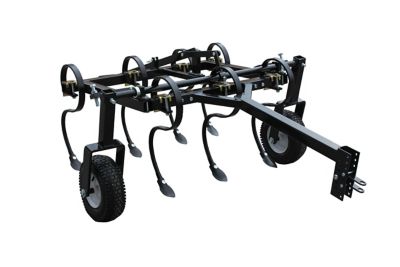
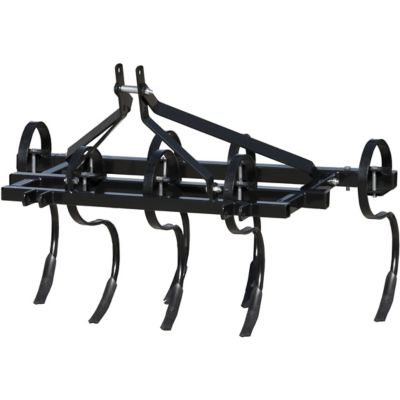
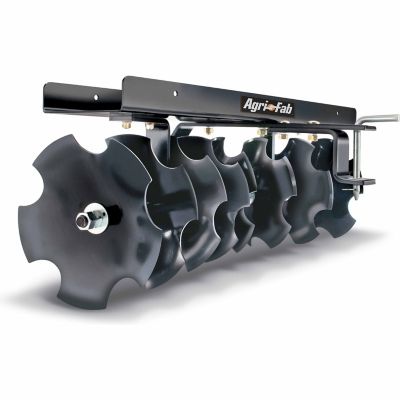
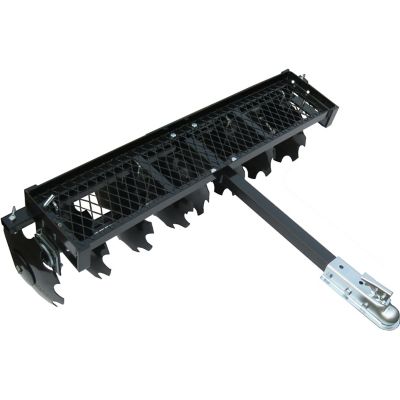
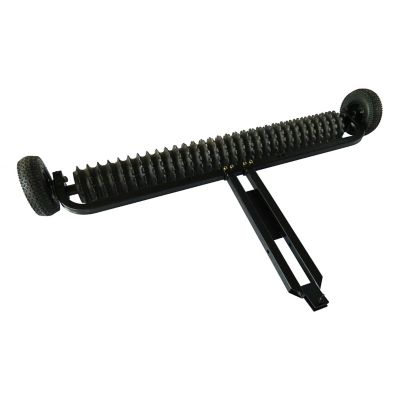
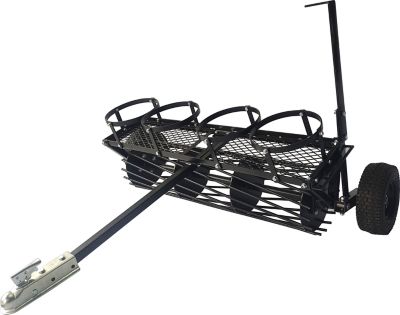
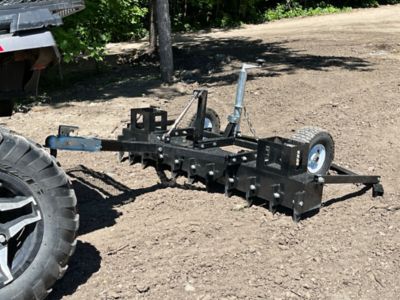
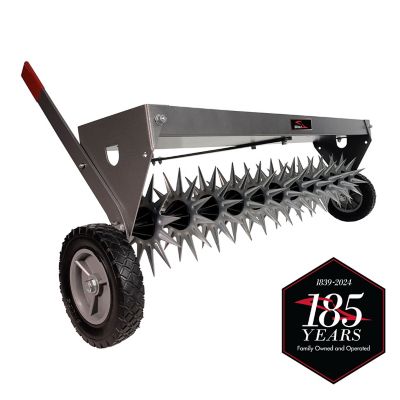
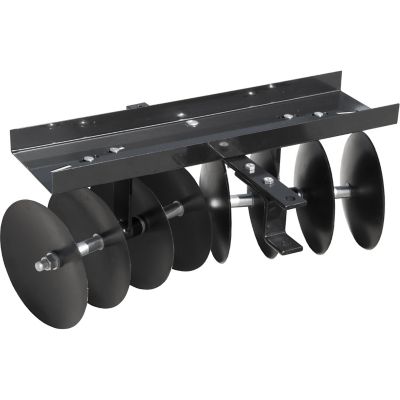
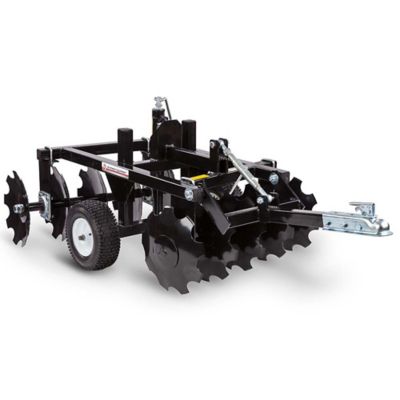
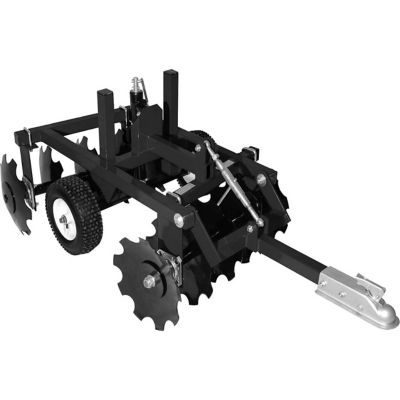
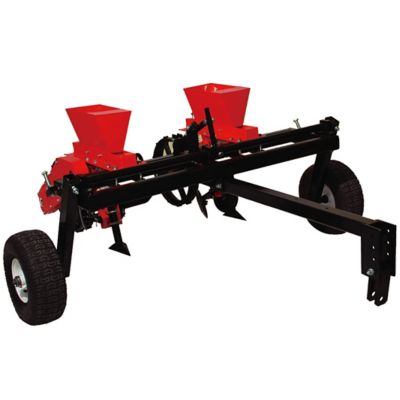
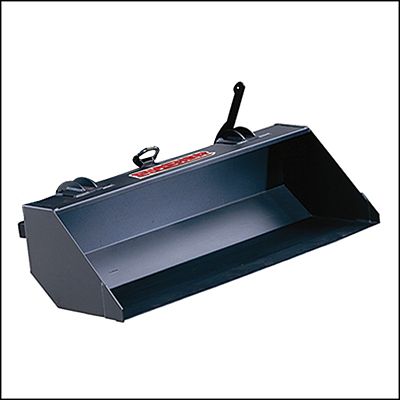
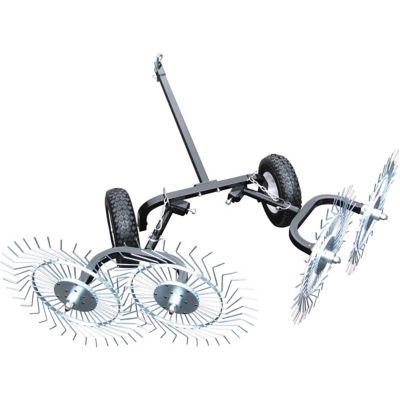
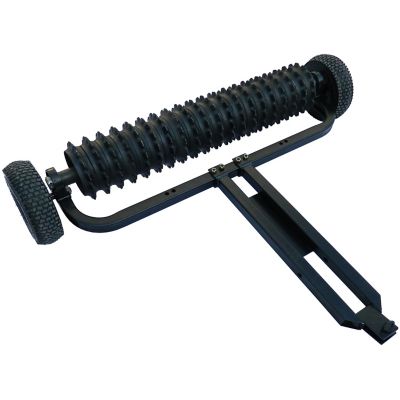
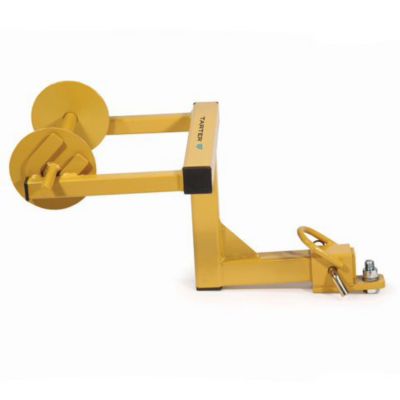
Tow behind cultivators are a practical way to work garden ground, food plots, small fields, and open acreage without spending the day walking behind a tiller. These implements attach to a compatible ATV, UTV, lawn tractor, garden tractor, or utility tractor, letting the tow vehicle do the pulling while the cultivator’s tines, blades, or discs work the soil. They can help loosen the upper layer of ground, break up clods, open compacted areas, prepare a seedbed, and disturb young weeds between established rows. For many rural properties, that added reach makes a real difference. A large garden that would take several passes with a hand tool can be handled more steadily from the seat of a mower or utility vehicle, and a rough patch near a barn, pasture edge, or hunting plot can be maintained with less strain on your back and shoulders. Tow behind cultivators come in several basic styles, so the right choice depends on the work at hand. Spring-shank cultivators use flexible tines that move through the soil and are especially useful for light cultivation, garden-row maintenance, and uprooting smaller weeds without turning over the entire bed. Rotary tiller-style attachments use powered rotating tines to break up harder ground and may be a better fit for fresh plots or ground that has not been worked in some time. Disc-style cultivators use angled metal discs to slice, cut, and churn the soil, making them useful for tougher sod, larger food plots, and broader areas where a more aggressive pass is needed. While no attachment handles every type of ground the same way, having the right cultivator can make seasonal chores feel more manageable, whether you are preparing a fall planting area, refreshing a garden during the cooler months, or getting a head start on the next growing season.
Before choosing among tow behind cultivators, start with the tow vehicle and hitch setup. Check whether your ATV, UTV, lawn tractor, or utility tractor uses a sleeve hitch, pin hitch, three-point connection, or another attachment system, and confirm that the cultivator is designed to work with that arrangement. A hitch that looks close but does not match can create an unsafe or frustrating setup, so compare the attachment requirements with the vehicle manual and the specifications listed for the implement. Towing capacity matters, too. The vehicle needs enough power and traction to pull the cultivator through the soil, especially when the ground is damp, packed, covered in roots, or mixed with small stones. Consider the width of the area you plan to work and the turning space available around raised beds, fence lines, trees, sheds, and other obstacles. A narrower cultivator may be easier to guide through garden rows, while a wider frame can cover more ground across an open plot. Adjustable tine depth or working height is helpful when moving from loose garden soil to firmer ground, since a shallow pass can cultivate the surface and disturb weeds while a deeper setting can do more substantial soil preparation. Heavy-duty steel frames are built for repeated use, and pneumatic tires can make an attachment easier to move over gravel, grass, and uneven ground before it reaches the work area. Look for sturdy adjustment points, accessible grease fittings when applicable, protected moving parts, and replaceable tines or blades that can be serviced as they wear. Transport wheels, lift handles, and a simple raise-and-lower mechanism are also worth considering if the cultivator will be stored away from the garden or used in several locations. Keep the soil and the job size in mind. Soft, established garden ground generally calls for a lighter approach, while compacted clay, old sod, or a larger food plot may require a heavier frame and a more aggressive cutting action. Working in several controlled passes is often easier on both the equipment and the tow vehicle than trying to force the cultivator deeply into hard ground all at once.
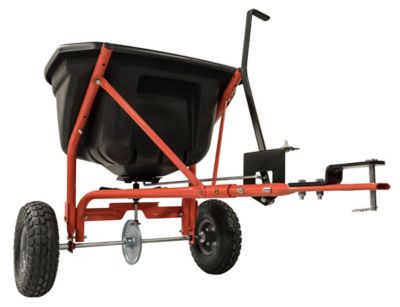
Tow behind cultivators are useful for homeowners with sizeable gardens, hobby farmers, landowners managing wildlife plots, and anyone who prefers riding equipment to hand tools for routine soil work. They can also be a thoughtful gift for a new acreage owner, an experienced gardener expanding into a larger plot, or a family member who has the right tow vehicle but has been putting off a ground-preparation project because of the physical effort involved. Before giving one as a gift, make sure the recipient has a compatible hitch and enough storage room; an implement that fits the vehicle and property will be far more useful than one chosen by size alone. In everyday use, take a few minutes to clear the work area of wire, large rocks, branches, and other hidden debris, then make sure the attachment is pinned or fastened securely before moving out. Begin at a slower pace and use a shallow setting until you can see how the tines, discs, or rotary action behave in that particular soil. Avoid sharp turns while the cultivator is engaged, and keep people and pets away from the working area. After each job, brush away packed soil, check for bent or loose parts, inspect the tires and hitch connection, and follow the manufacturer’s guidance for lubrication, cleaning, and storage. If the attachment will sit through the colder months, storing it under cover and protecting exposed metal from moisture can help reduce rust and make the next round of fieldwork easier. Soil preparation is only one part of a productive setup, and properties that call for planting behind a tow vehicle may also benefit from
Tow Behind Seeders for placing seed across garden ground, food plots, or larger open areas. With the right match between implement, tow vehicle, and soil conditions, tow behind cultivators offer a dependable way to keep ground workable and weeds under control while making better use of the equipment already parked in the shed.