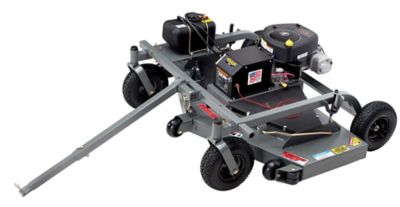
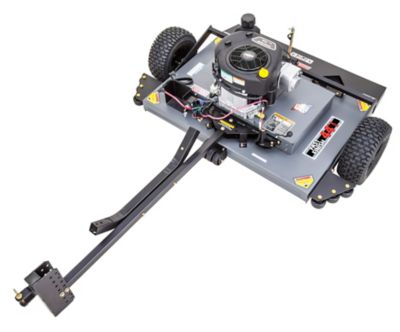
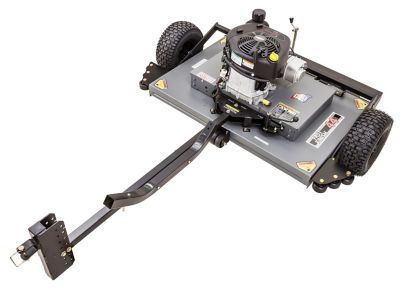
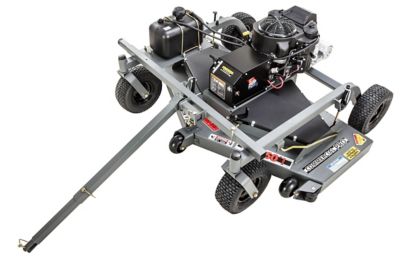
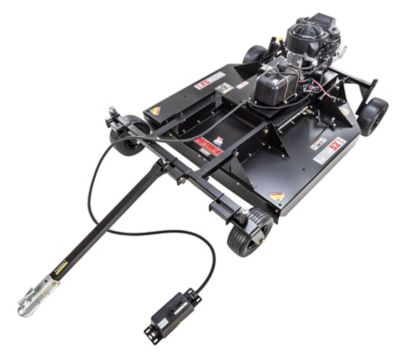
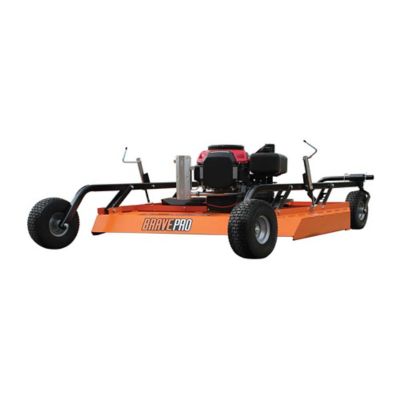
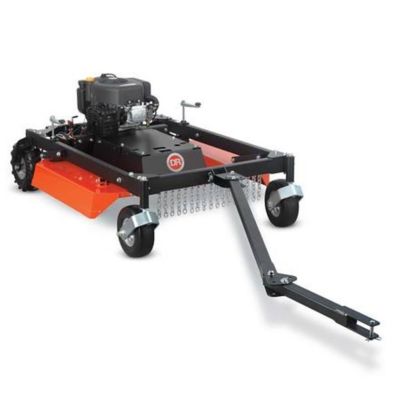
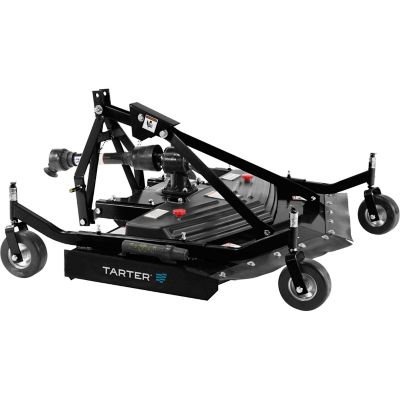
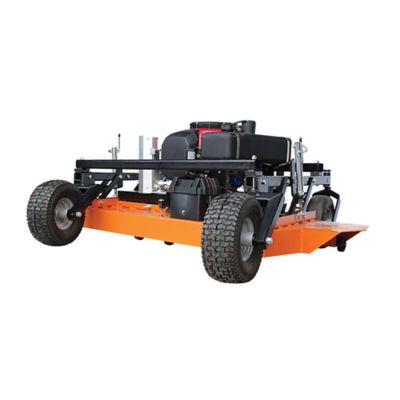
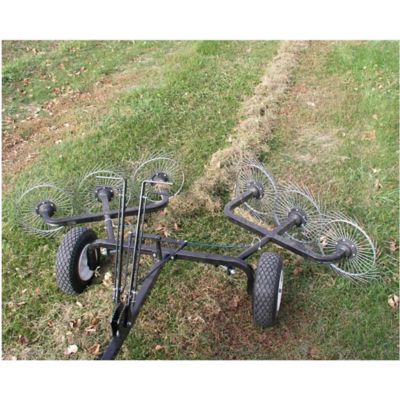
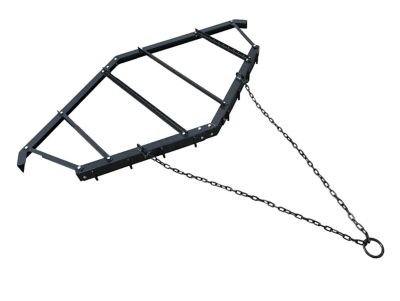
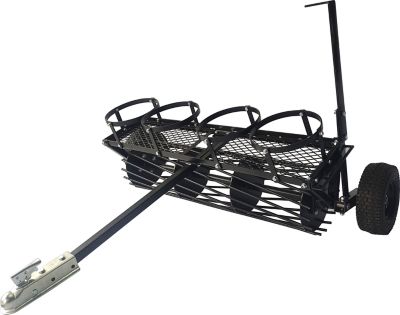
A tow behind mower for ATV use can turn a capable four-wheeler into a handy property-maintenance rig for fields, trails, fence lines and open ground that is too rough, overgrown or spread out for a regular riding mower. These mowers are commonly used by landowners, small-farm operators, hunters, acreage owners and anyone who spends part of the year keeping brush and tall grass from taking over. A pull-behind unit can reach places where a larger tractor may not fit, including narrow paths between trees, back corners of a pasture and long stretches along a fence. It can also help reduce the time spent walking behind a mower on uneven ground. As the weather warms, grass and weeds can grow quickly, while during the cooler months, neglected brush and fallen growth may make trails and field edges harder to manage. Choosing the right mower starts with matching the cutting job to the type of deck and blades. Rough-cut or brush mowers are built for heavy weeds, thick stems, briars, vines and light woody growth, making them a practical choice for reclaiming an overgrown lot or opening up a neglected trail. Flail-style mowers use rows of smaller knives to break down grass, weeds and other vegetation into finer pieces and can be useful where the ground is uneven or the growth is dense. Finish-cut models are better suited to maintained fields, broad lawns and pastures where the goal is a cleaner, more finished appearance rather than heavy brush removal. A mower designed for tall grass will not necessarily be the best fit for saplings, and a brush-cutting machine may be more equipment than needed for a smooth, regularly maintained field.
Before adding a tow behind mower to an ATV setup, take a close look at the property and the machine doing the pulling. Cutting width is an important starting point, with wider decks covering more ground per pass but requiring enough power, room to maneuver and storage space. Many tow-behind mowers fall in the general range of 40 to 60 inches, though the right size depends on the ATV, terrain and intended workload. Check the ATV manufacturer’s towing capacity, hitch rating and operating recommendations, then compare those limits with the mower’s weight and any added load created by vegetation. A self-powered mower can be a good choice when the ATV needs to focus on towing and steering rather than driving the cutting blades, especially in tall grass or heavy brush. Gas engines with electric start can make repeated use easier, while accessible controls and a dependable shutoff system add convenience around the property. Look for a hitch arrangement that matches your ATV and confirm whether the mower uses a standard ball coupler, pin-style connection or another attachment method. An offset hitch can be especially useful along fence rows, ponds, tree lines and trail edges because it lets the mower run beside the ATV’s tire path instead of directly behind it. That setup may help the operator keep the ATV on firmer ground while the deck reaches into growth that needs to be trimmed. Ground clearance, tire size, deck protection and blade access also deserve attention when working across ruts, rocks, roots and uneven soil. For frequent use, features such as an adjustable cutting height, heavy-duty wheels, grease fittings and readily available replacement blades can make routine upkeep simpler. Before mowing, walk the area and remove wire, chain, loose lumber, large stones and other hidden hazards. Fence lines and old homestead sites can hold surprises beneath the grass, and a quick inspection may prevent damage to the mower or ATV.
Safe operation matters just as much as cutting performance. Wear sturdy boots, eye and hearing protection, long pants and gloves suited to the work, and keep bystanders, children and animals well away from the mower’s operating area. Vegetation, gravel and broken branches can be thrown farther than expected, especially when blades are moving at full speed. Start with a slow pass in an open section to learn how the mower tracks behind the ATV, how sharply it turns and how the deck handles the terrain. Avoid steep side slopes, deep mud and ground that could cause the ATV or mower to tip, and use extra care near ditches, ponds, drop-offs and soft shoulders. Dense brush may hide holes, stumps or old fencing, so cutting in stages is often easier on the equipment than forcing the deck through a wall of growth in one pass. Keep the ATV in a low gear when conditions call for better control, and never leave the seat or reach near the blades while the engine is running. Shut down the mower, disconnect power and follow the owner’s instructions before clearing a clog, checking the blades or making an adjustment. After each job, brush away packed grass, inspect the hitch and tires, look for loose fasteners and clean the deck as recommended. Store the mower under cover when possible, with fuel and battery care handled according to the manufacturer’s directions. For property owners comparing mower styles, a tow-behind ATV mower is focused on rougher, more flexible land work, while
Tow Behind Lawn Mowers may be a better fit for maintaining broader, more regularly finished areas with a compatible lawn tractor or riding mower. With the right match, these pull-behind machines can help keep pasture edges open, trails passable and fence rows from disappearing beneath a season of growth.